The Bone Collector
"The clues are in the bones."
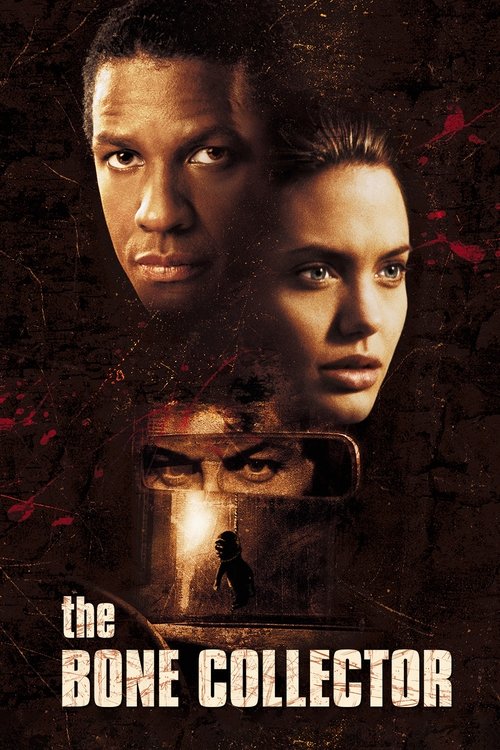
1999 was a year that felt like cinema was collectively vibrating with Y2K anxiety. While Neo was waking up from the Matrix and Tyler Durden was punching himself in a parking lot, I was sitting in a darkened theater watching Denzel Washington solve a series of grisly murders using nothing but his voice, his eyes, and a single twitching index finger. It’s a film that sits in that perfect sweet spot of late-90s thrillers: grimy, high-concept, and unashamedly pulp. I remember watching this on a humid Tuesday night while eating a bag of slightly burnt popcorn, and to this day, the smell of scorched kernels reminds me of steam rising from a New York City manhole cover.
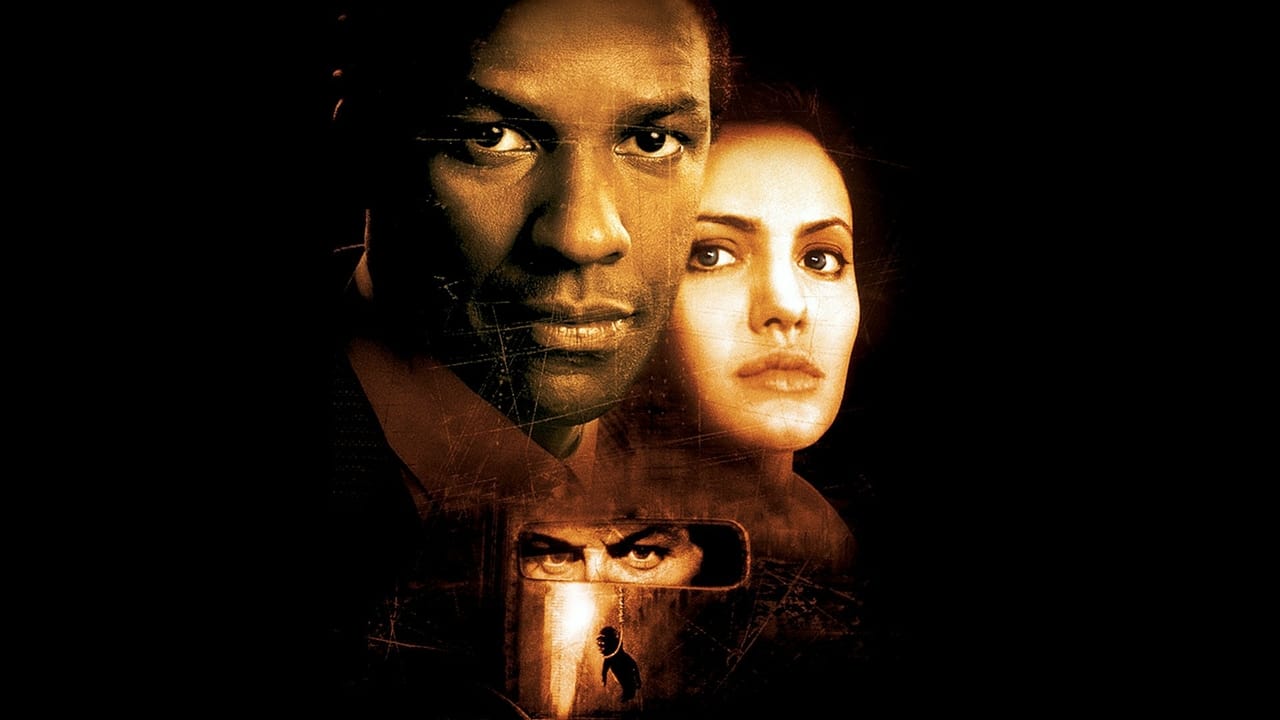
Eyes, Voice, and One Moving Finger
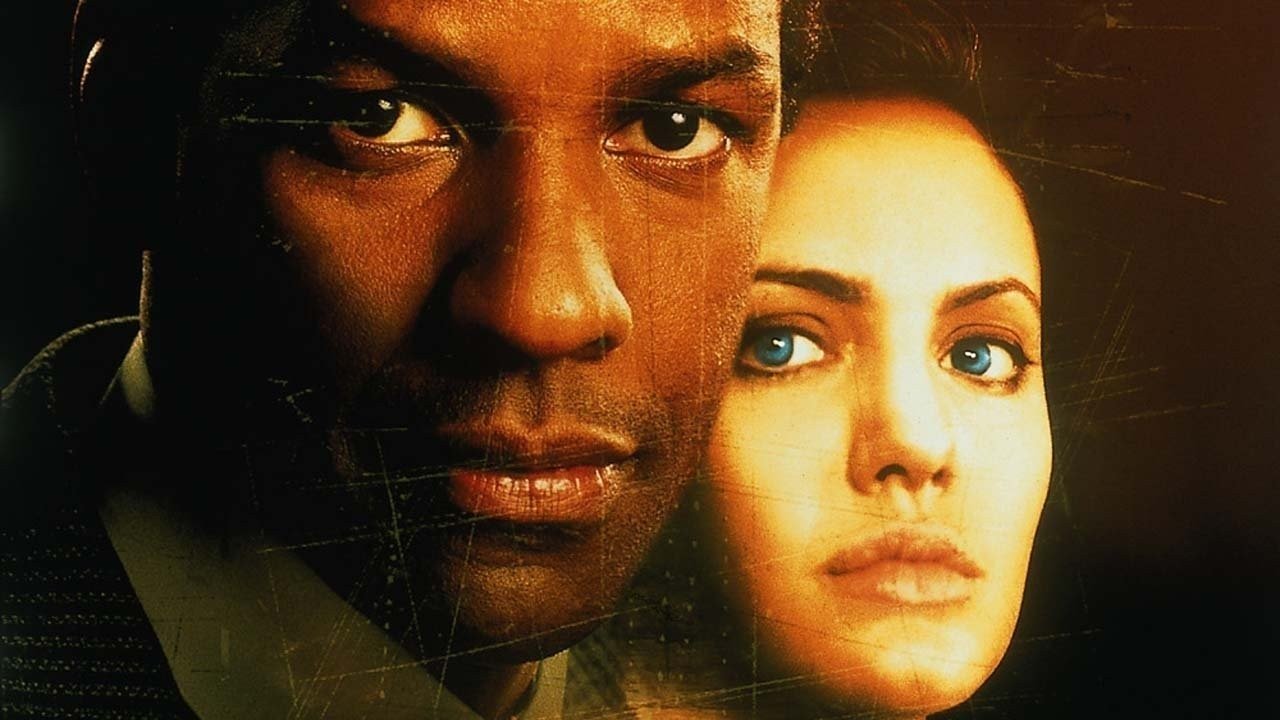
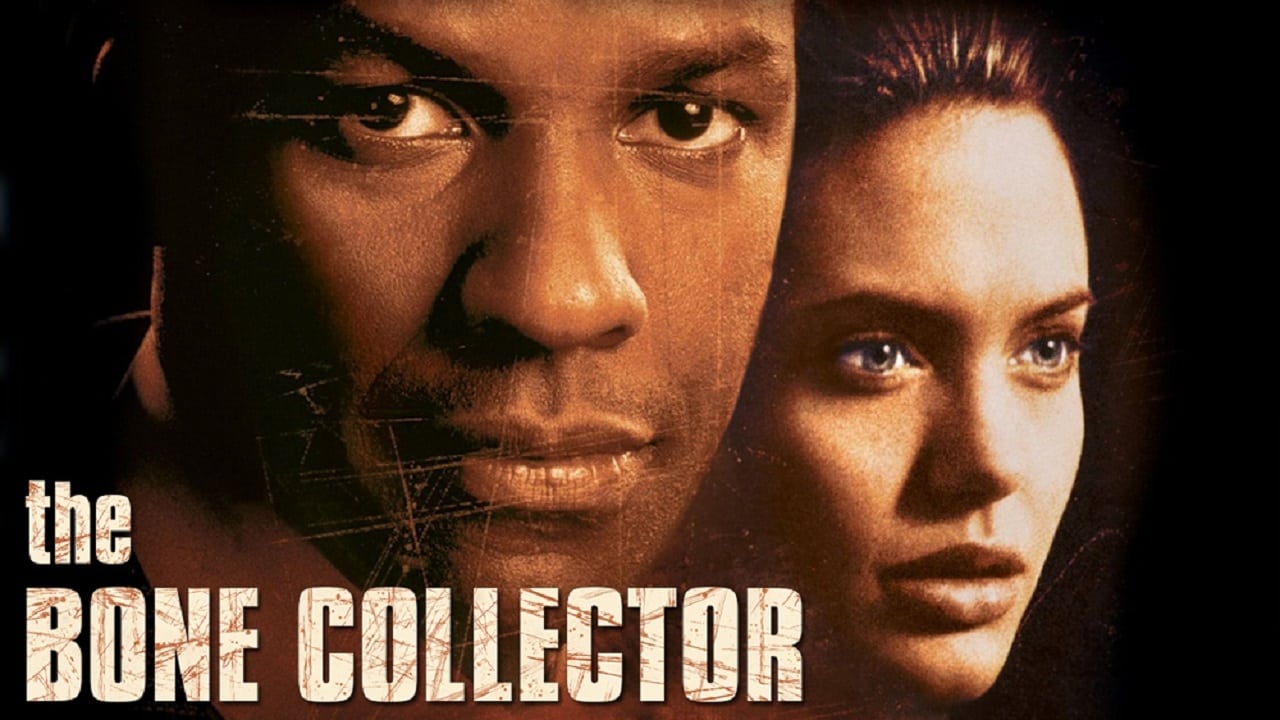
The core of The Bone Collector rests entirely on the shoulders—literally—of Denzel Washington as Lincoln Rhyme. Rhyme is the department’s forensic genius, paralyzed from the neck down after a freak accident on a crime scene. Most actors would struggle when stripped of their physical tools, but Denzel turns Rhyme into a captivating, often prickly presence. He does "acting from the neck up" better than anyone in the business. Watching him command a room through a computer screen and a headset is a masterclass in screen presence; he doesn't need to move to own the frame.
Then you have Angelina Jolie as Amelia Donaghy. This was just before she won her Oscar for Girl, Interrupted (1999) and became a global icon, and you can see that raw, nervous energy here. She’s the rookie cop who preserves a crime scene by literally stopping a train, and Rhyme recruits her to be his "eyes and ears" in the field. Their chemistry is fascinating because it’s almost entirely vocal. They aren't in the same room for the majority of the film, yet their bond feels more authentic than most romantic leads of the era. They are two damaged people trying to find a reason to keep going, using a trail of old bones and oyster shells as their tether to the world.
The Last Gasp of Gritty Analog Noir
Director Phillip Noyce, who had already proven he could handle tension with Patriot Games (1992), leans heavily into the "Old New York" aesthetic. This was a time before the city was scrubbed clean and turned into a luxury mall. The cinematography by Dean Semler—the same genius who shot Mad Max 2: The Road Warrior (1981)—treats Manhattan like a gothic dungeon. It’s always raining, it’s always dark, and the "steam" rising from the streets feels like a character of its own.
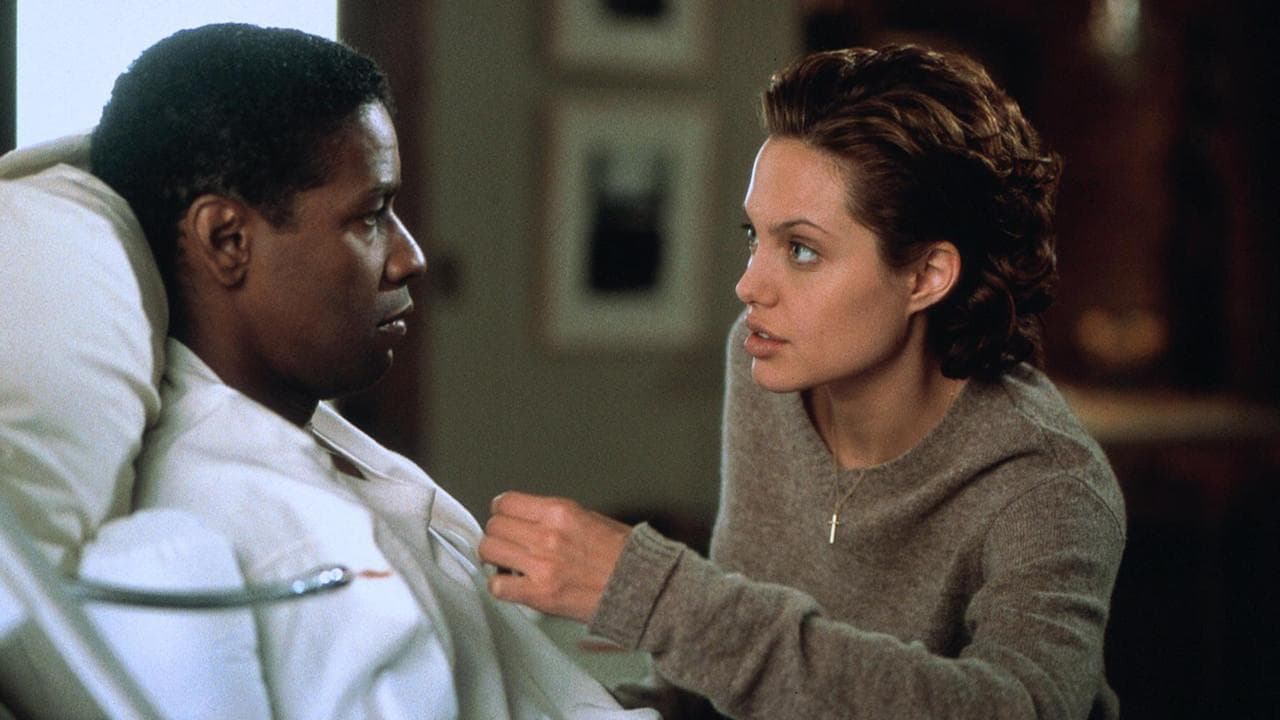
Looking back, the film captures a specific technological transition. We see the birth of the digital age—Rhyme’s high-tech bed and voice-activated computers—clashing with the analog world of the killer, who uses old-fashioned paper, ancient maps, and rusted bolts. It was a time when the internet was still a mysterious tool, and "forensics" meant looking through a microscope at a piece of dirt rather than just clicking "enhance" on a grainy CCTV feed. There’s a tactile quality to the clues here that makes the mystery feel grounded, even when the killer's motivation is basically a Yelp review gone horribly wrong.
When Forensics Became Our Favorite Fiction
The film served as a major bridge between the "shocker" thrillers of the early 90s, like Se7en (1995), and the procedurals that would soon dominate television, like CSI: Crime Scene Investigation. It took the forensics out of the lab and put them into a high-stakes race against time. Apparently, Denzel Washington spent weeks visiting hospitals and talking to quadriplegic patients to ensure his breathing and muscle movements were accurate. He was so committed that he requested the crew not to help him move between takes, wanting to inhabit that feeling of total stillness.
There are some great bits of trivia that add to the cult allure. For instance, Queen Latifah gives a surprisingly grounded performance as Rhyme’s nurse, Thelma; it was one of her first major steps away from her hip-hop persona into serious acting. And if you look closely at the "clues" Rhyme analyzes, they were meticulously crafted by the production team to look like authentic 19th-century artifacts. The film didn't rely on CGI for its gore or its atmosphere; those are real sets, real steam, and very real-looking (and unsettling) prosthetic bodies.
I’ve always found it funny that the film changed Rhyme’s ethnicity from the original Jeffrey Deaver novel, where he was white, and yet the change feels completely seamless because Denzel is simply the only person who could have played this role with that level of gravity. It’s a movie that thrived on home video—I probably rented the VHS from Blockbuster three times before finally buying the DVD just for the commentary track where Noyce explains how they made the "bone" sequences look so visceral without digital effects.
The Bone Collector is a quintessential late-90s thriller that manages to be both a star vehicle and a genuinely creepy mystery. It doesn’t quite reach the philosophical depths of something like The Silence of the Lambs, but it’s far more engaging than the dozens of "serial killer of the week" clones that followed it. It's a reminder of a time when movie stars could carry a film with just their eyes and a well-timed grimace. If you haven't revisited it lately, it's the perfect companion for a rainy Sunday afternoon—just maybe skip the snacks during the more "skeletal" scenes.
Keep Exploring...
-
John Q
2002
-
Patriot Games
1992
-
The 6th Day
2000
-
Basic
2003
-
Lucky Number Slevin
2006
-
A Walk Among the Tombstones
2014
-

Salt
2010
-
The Siege
1998
-

Out of Time
2003
-

The Manchurian Candidate
2004
-
The Client
1994
-
The Net
1995
-
Primal Fear
1996
-
Breakdown
1997
-
Kiss the Girls
1997
-
Arlington Road
1999
-
The Pledge
2001
-
The Score
2001
-
Mystic River
2003
-

Trance
2013