The Boondock Saints
"Pray for the wicked. They’re going to need it."
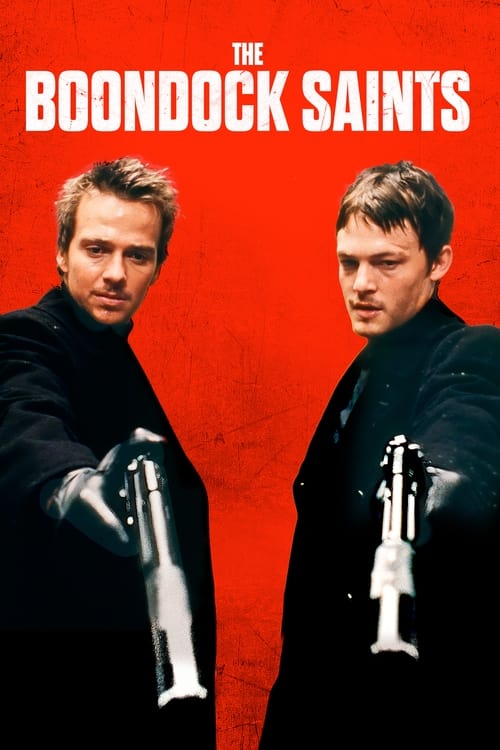
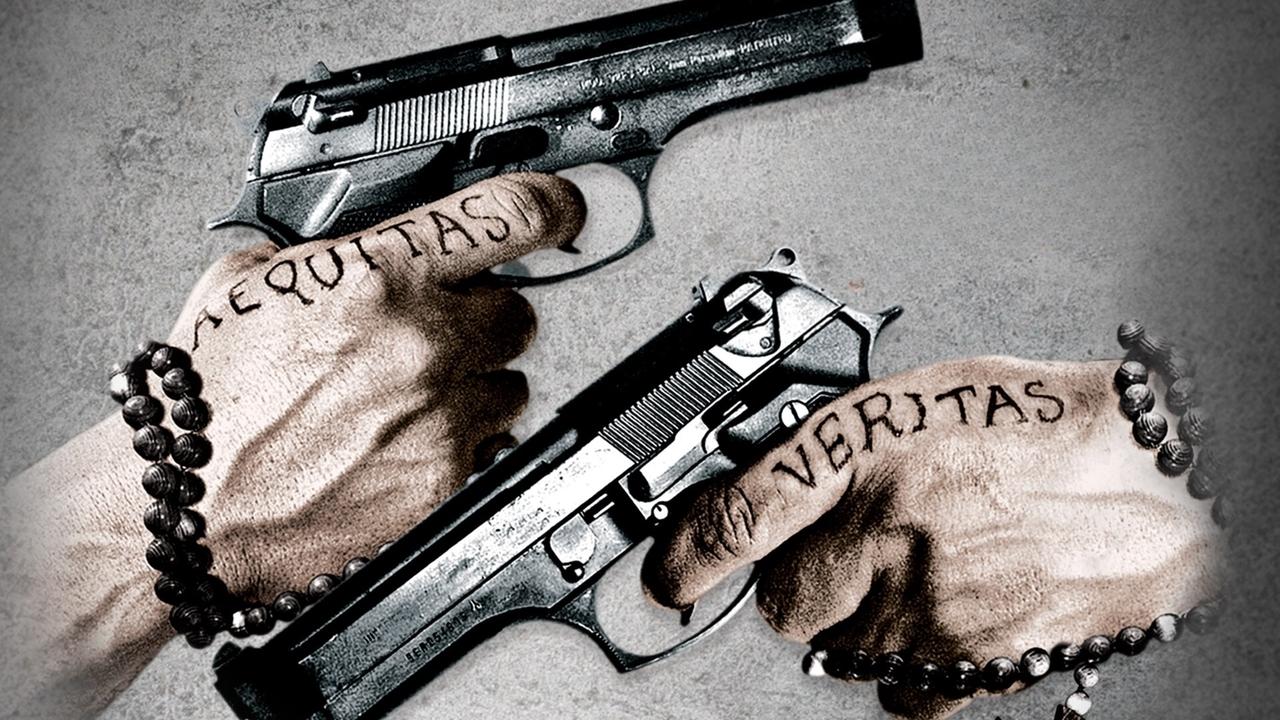
There is a specific, grimy brand of late-90s coolness that only exists in the flickering light of a cathode-ray tube television, usually in a basement that smells faintly of stale lager. It’s an aesthetic of pea coats, dual-wielded Berettas, and rosary beads wrapped around blood-slicked knuckles. The Boondock Saints didn’t just occupy this space; it colonized it. Released at the tail end of the millennium, it arrived just as the "Tarantino-clone" subgenre was reaching its saturation point, yet it managed to carve out a legacy that most of its contemporaries couldn’t touch—mostly because it was a spectacular failure everywhere except where it actually mattered: the local video store.

The Gospel of the Blockbuster Aisle
Looking back at the financial stats for this film is like reading a coroner’s report. With a budget of $6 million, it scraped together a theatrical box office of roughly $38,000. It wasn't just a bomb; it was a ghost. Because of the unfortunate proximity of its release to the Columbine tragedy, the studio buried it, fearing the backlash against its hyper-violent, vigilante themes. But then, the DVD revolution happened.
I recall watching this for the first time on a scratched-up disc while trying to ignore a lukewarm bowl of ramen—the movie is essentially a Catholic fever dream designed for people who think wearing a pea coat makes them look like an international assassin, and at twenty years old, I was exactly that demographic. This was the era of special features and "hidden gems," and The Boondock Saints became the ultimate word-of-mouth currency. If you hadn't seen the "toilet scene," you weren't part of the conversation.
The film follows Sean Patrick Flanery (Conner) and Norman Reedus (Murphy) as Irish brothers in South Boston who believe they’ve received a divine mandate to "shepherd" the souls of the wicked straight to the afterlife. It’s a premise that could have been a dour slog, but director Troy Duffy treats the violence with a operatic, almost rhythmic intensity that feels distinctly of its time.
Dafoe’s Operatic Chaos
While the MacManus brothers provide the cool factor, Willem Dafoe (as FBI Agent Paul Smecker) provides the soul—or perhaps the lack thereof. His performance is a masterclass in controlled insanity. Smecker is a brilliant, eccentric, opera-loving investigator who reconstructs crime scenes by literally "conducting" the phantom gunshots like a symphony.
In one of the most famous sequences, Smecker breaks down a massive shootout—the "firefight"—in a way that blends the physical reality of the brothers’ struggle with Smecker’s mental projection of it. Interestingly, Willem Dafoe reportedly improvised much of the "There was a firefight!" scene, leaning into the theatricality of a character who is clearly bored by his own brilliance.
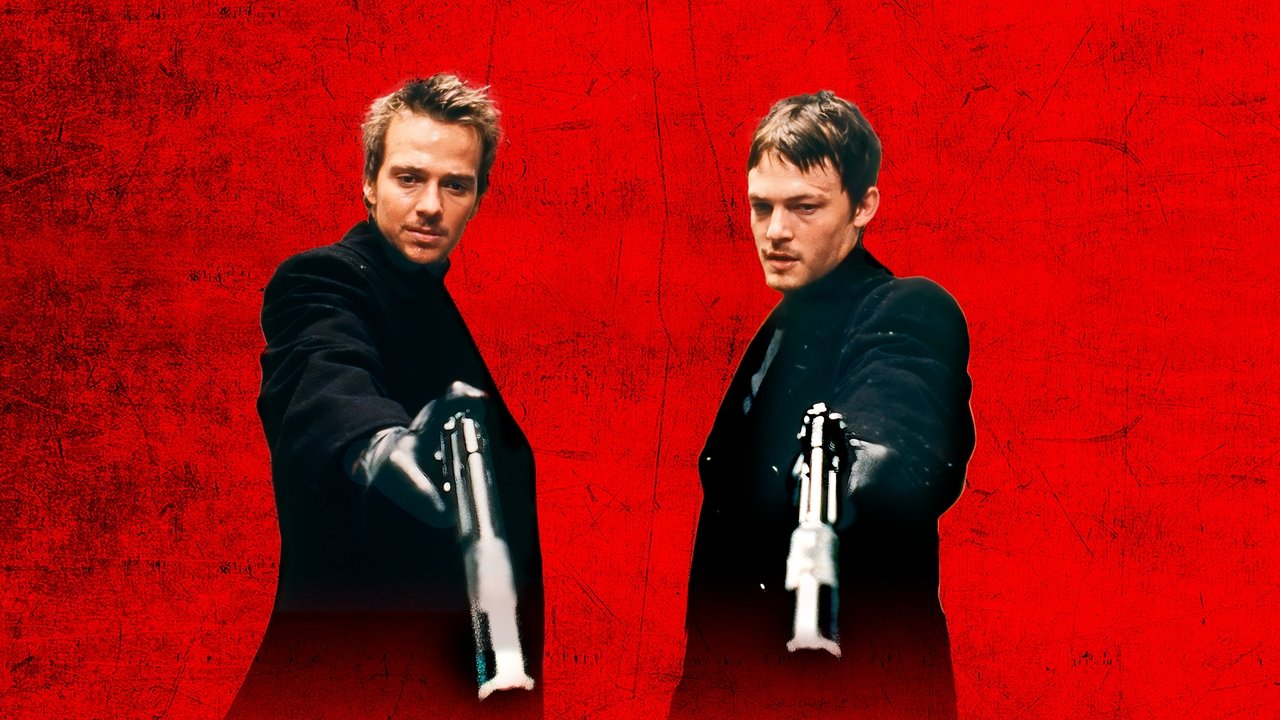
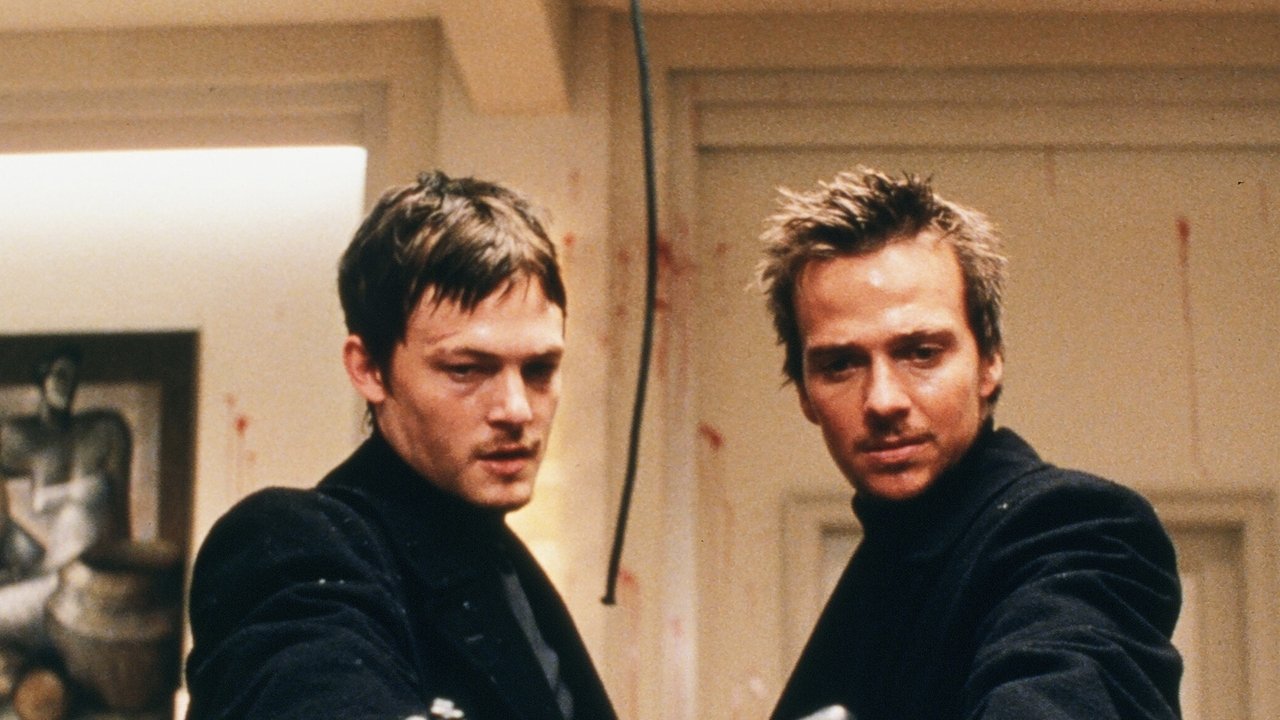
The action itself isn't the hyper-clean "gun-fu" we see in modern hits like John Wick (Keanu Reeves). Instead, it’s messy, frantic, and grounded in a certain physical weight. When the brothers drop through a ceiling tile on a rope, they don't look like gymnasts; they look like two guys who are terrified they’re about to die. That lack of polish is exactly why it worked. It felt like something you and your friends could do, provided you had enough Guinness and a copy of the New Testament.
The Legend of the "Saints"
The lore surrounding the production is arguably as famous as the film itself. The documentary Overnight (2003) famously detailed Troy Duffy’s meteoric rise and equally fast fall from grace within the Hollywood system. It turns out that Harvey Weinstein—then the kingmaker at Miramax—originally bought the script and planned to let Duffy direct and his band perform the soundtrack, only to drop the project entirely when Duffy’s personality allegedly burned too many bridges.
This friction is baked into the film’s DNA. It feels rebellious. From the casting of Billy Connolly as the terrifying "Il Duce" to the inclusion of David Della Rocco (a real-life friend of Duffy's) as the comic-relief "funny man," the movie feels like a family affair made in spite of the industry. The trivia list for this film is a treasure trove for fans:
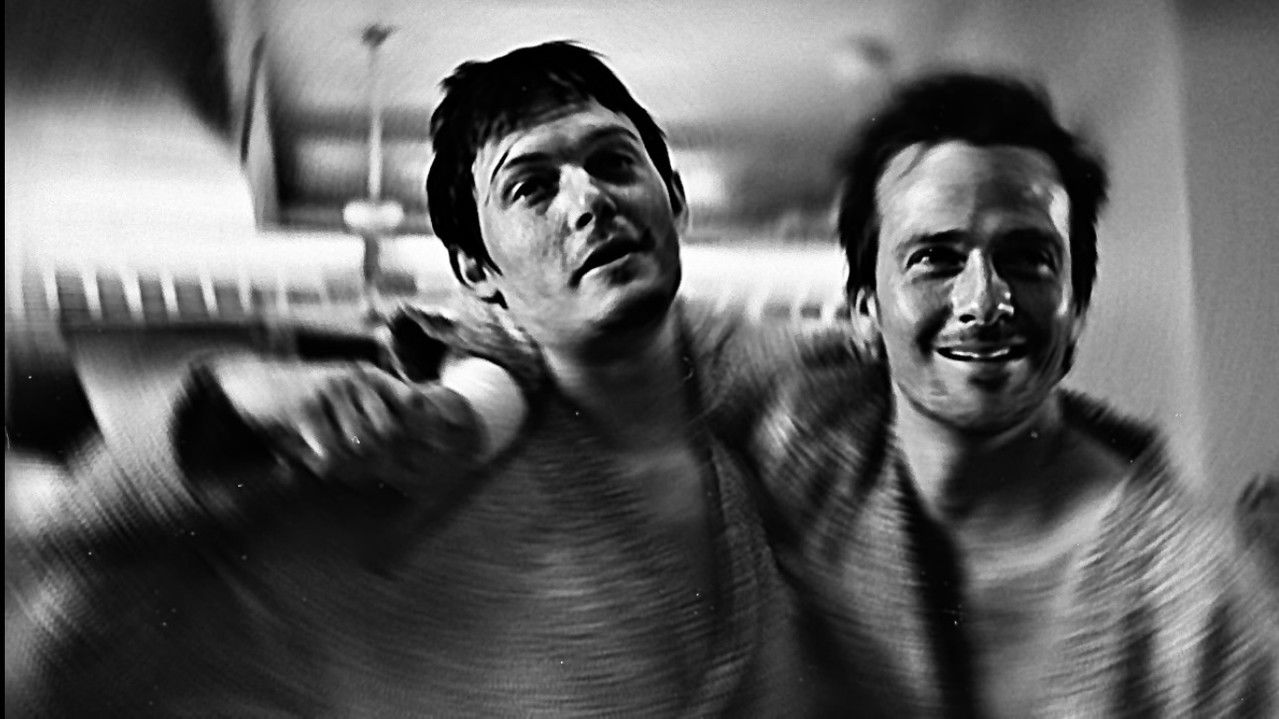
* The word "f***" is used 246 times, a badge of honor for late-90s crime cinema. Norman Reedus and Sean Patrick Flanery actually went out drinking in Southie to build chemistry, which probably explains why their sibling bickering feels so authentic. The iconic "Veritas" and "Aequitas" tattoos (Truth and Justice) became one of the most requested tattoo designs of the early 2000s. The real David Della Rocco was actually working as a valet when he was cast; his character in the movie is effectively a heightened version of himself. Despite the heavy Irish-Catholic themes, the film was mostly shot in Toronto for budgetary reasons.
Ultimately, The Boondock Saints is a time capsule. It captures a moment when indie film was trying to be "tough," when digital effects were still secondary to squibs and practical stunts, and when a movie could fail in theaters and still become a cultural touchstone through a plastic box on a shelf. It’s loud, it’s morally questionable, and it’s undeniably fun to watch.
If you haven't revisited the MacManus brothers in a while, it's worth seeing how the intensity holds up. It’s not a film that asks for your approval; it demands your attention with a cold barrel to the temple and a whispered prayer. It remains the definitive "cult classic" of the DVD era, a movie that survived its own birth to become a legend of the underground.
Keep Exploring...
-
From Dusk Till Dawn
1996
-

The Negotiator
1998
-
Point Break
1991
-
The Fast and the Furious
2001
-

Kill Bill: Vol. 2
2004
-
Desperado
1995
-
Once Upon a Time in Mexico
2003
-
Cellular
2004
-
Infernal Affairs
2002
-
Natural Born Killers
1994
-

The Crow
1994
-

Jackie Brown
1997
-
American Psycho
2000
-
Training Day
2001
-
Equilibrium
2002
-
John Q
2002
-
21 Grams
2003
-
Bound by Honor
1993
-
Con Air
1997
-
The Jackal
1997