The Cider House Rules
"Some rules are written. The best ones are lived."
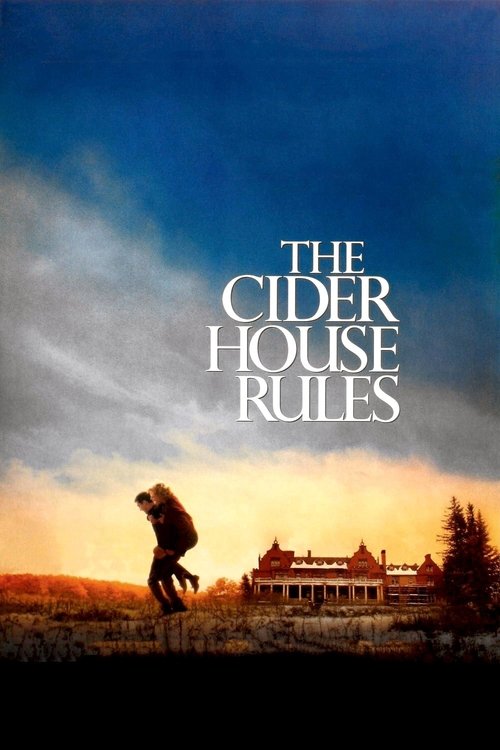
"Goodnight, you Princes of Maine, you Kings of New England." It’s a line that sounds like a benediction, but in the context of Lasse Hallström’s 1999 drama, it feels more like a heavy mantle. I remember watching this for the first time on a humid Tuesday evening, distracted only by a fly that had somehow gotten trapped inside my lampshade, and yet the film’s peculiar, autumnal gravity pulled me right through the screen.
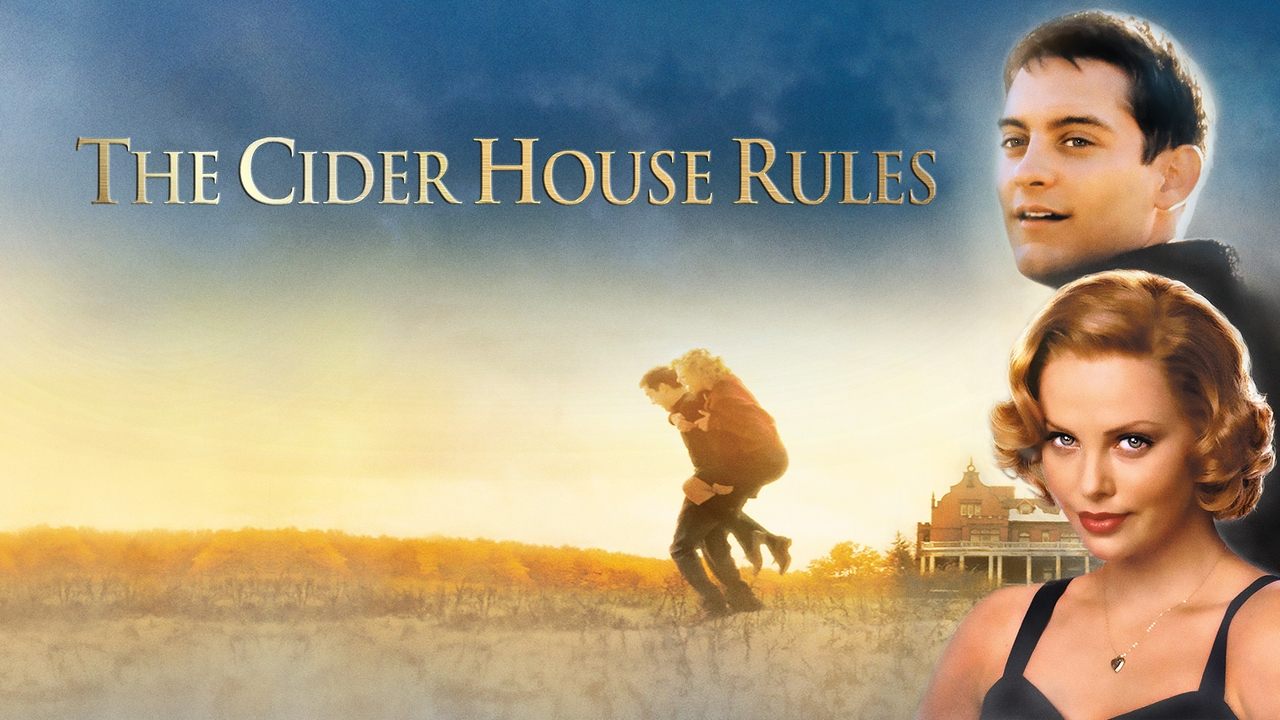
The Cider House Rules is a strange creature of its time. Released at the peak of the Miramax "prestige" era—back when the studio was an Oscar-hoarding machine—it’s a film that manages to be both incredibly cozy and deeply, almost ruthlessly, uncomfortable. It’s the kind of movie that looks like a New England tourism brochure but hits like a medical textbook on the human condition.
The Burden of Being Useful
At the center of it all is Tobey Maguire as Homer Wells. This was before he put on the Spidey suit, and he plays Homer with a wide-eyed, terrifyingly still brand of innocence. Homer is an orphan who never left the orphanage of St. Cloud’s, becoming the protégé of Dr. Wilbur Larch (Michael Caine). Larch is a complicated figure: a morphine-addicted saint who performs illegal abortions because he believes women should have the right to be "useful" rather than desperate.
The chemistry between Maguire and Caine is the soul of the film. Caine, sporting an accent that wanders somewhere between London and Maine without ever quite landing on either, gives one of his career-best performances. He isn't just a mentor; he’s a man trying to play God in a basement. Watching them, I was struck by how much this film values the craft of a life. Homer is a skilled surgeon who has never seen a movie, never seen the ocean, and never made a choice for himself. Tobey Maguire’s face is essentially a human Rorschach test, and it works perfectly here; you project his growing existential dread onto his silence.
Apples, Incest, and Unwritten Laws

When Homer eventually hitches a ride out of St. Cloud’s with a glamorous couple—Charlize Theron as Candy and Paul Rudd as Wally—the film shifts from a claustrophobic medical drama to a sweeping, golden-hued coming-of-age story. They head to an apple orchard, and this is where the title comes into play. The "Cider House Rules" are a list of instructions tacked to the wall of the workers' shack, written by people who don't live there and read by people who don't need them.
This middle act is where the film shows its teeth. While Charlize Theron and Maguire engage in a slow-burn romance while Paul Rudd is off at war, the real weight comes from the migrant workers led by Arthur Rose, played by the formidable Delroy Lindo. If Michael Caine provides the film’s heart, Lindo provides its gut-punch. His performance is a masterclass in nuance; he is a leader, a father, and eventually, a man undone by his own internal darkness. The subplot involving the Rose family is where the movie challenges our moral binary. It’s messy, it’s tragic, and it handles themes of abuse with more grit than your average 90s "feel-good" Oscar nominee.
The Miramax Time Capsule
Looking back, The Cider House Rules feels like a time capsule of a specific cinematic moment. It was an era when John Irving’s sprawling, Dickensian novels were being distilled into two-hour scripts that felt "literary" without being pretentious. Rachel Portman’s score—which you’ve definitely heard in every "inspirational" montage for the last twenty-five years—is a major part of that. It’s beautiful, but it’s also a signal: You are watching a Significant Drama.
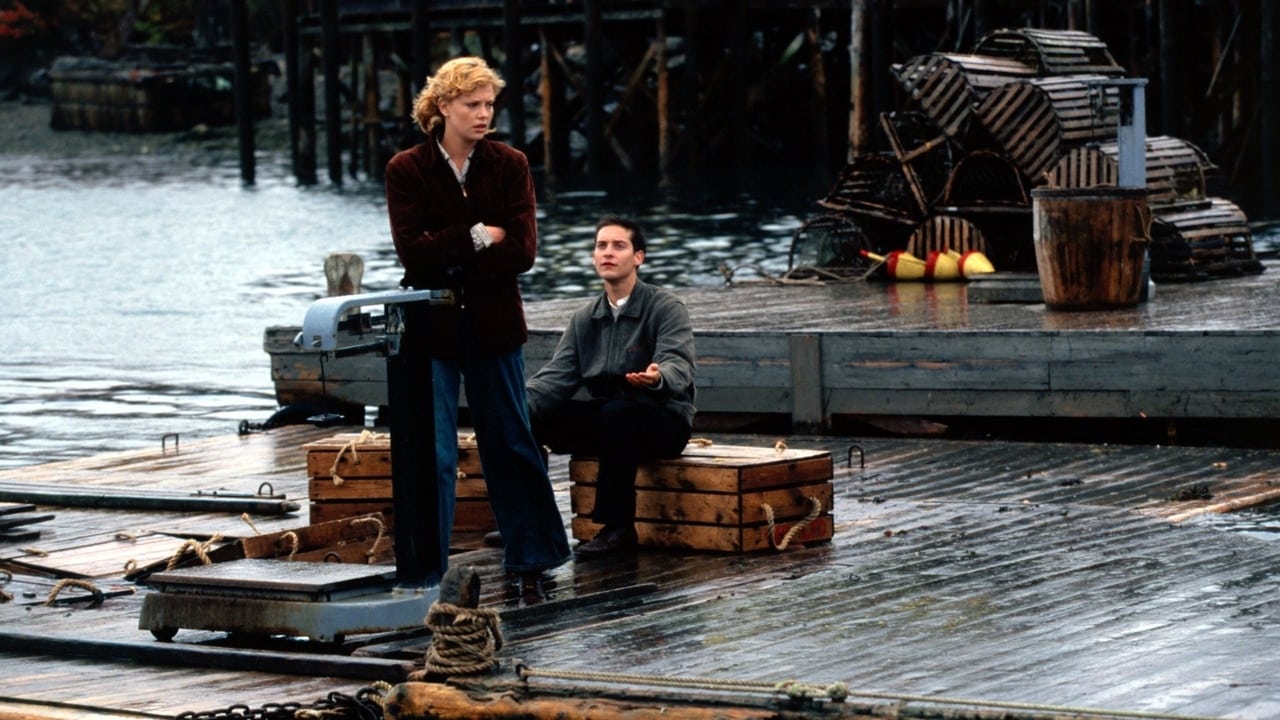
However, I’d argue the film has aged surprisingly well because it doesn’t provide easy answers. In a modern landscape where we often demand characters be either "problematic" or "pure," Homer and Larch exist in a grey haze. The film tackles the abortion debate with a directness that feels even more radical today than it did in 1999. It doesn’t preach; it simply shows the consequences of a world without options. It’s a film about how we make our own rules when the ones provided by society simply don’t fit the reality of our lives.
The Cider House Rules is a reminder of why we used to love these mid-budget, adult-skewing dramas. It takes its time, it values performance over spectacle, and it trusts the audience to sit with discomfort. Whether you’re here for a young, pre-blockbuster Tobey Maguire, a peak Michael Caine, or just some of the most beautiful cinematography of the Maine coastline ever put to film, it’s well worth a revisit. It’s a story about finding where you belong, even if that place is exactly where you started, just with a different set of eyes.
Homer Wells’ journey is a quiet one, but like the best cider, it lingers long after the glass is empty. You might go in expecting a light seasonal drama, but you’ll leave with a much heavier understanding of what it means to be "useful." It’s a film that earns its sentimentality through a gauntlet of difficult truths. Goodnight, you Princes of Maine, you Kings of New England—may you find a rulebook that actually makes sense.


Keep Exploring...
-

Casanova
2005
-
The Hundred-Foot Journey
2014
-
Chocolat
2000
-

Salmon Fishing in the Yemen
2012
-

What's Eating Gilbert Grape
1993
-

Pleasantville
1998
-

Seabiscuit
2003
-

Dear John
2010
-

That Thing You Do!
1996
-

Hachi: A Dog's Tale
2009
-

Wolf
1994
-

The Last Castle
2001
-

It Could Happen to You
1994
-
Little Women
1994
-

Mary Shelley's Frankenstein
1994
-

Quiz Show
1994
-
The Client
1994
-
The Hudsucker Proxy
1994
-

The River Wild
1994
-

A Little Princess
1995