The General's Daughter
"The chain of command is a circle of silence."
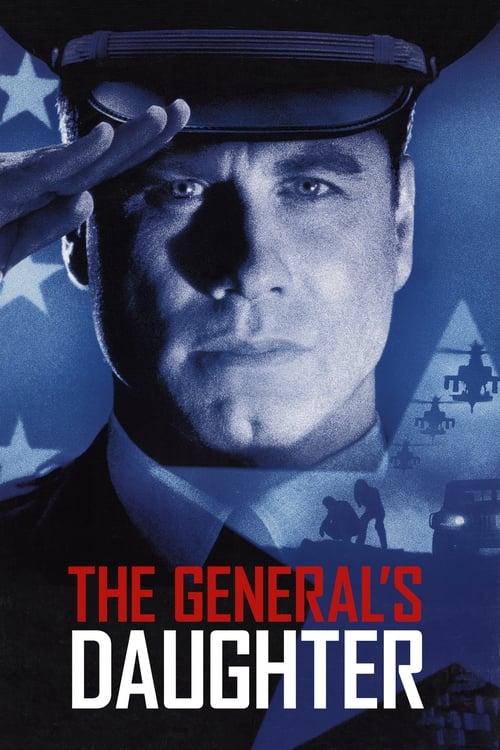
There was a specific kind of "Dad Movie" that thrived in the late 1990s—the kind of high-budget, R-rated thriller that Paramount used to churn out with clockwork precision. I remember seeing the poster for The General's Daughter plastered across a Blockbuster window in 1999, sandwiched between The Matrix and Austin Powers: The Spy Who Shagged Me. It looked like a standard military procedural, but once you actually sit down with it, you realize it’s something much darker, sweatier, and more cynical than the marketing suggested.
I recently revisited this one on a rainy Tuesday while eating a slightly stale bag of salt-and-vinegar chips, and for some reason, the sharp acidity of the snacks really complemented the movie’s sour, cynical worldview. It’s a film that feels like a relic of a lost era: a time when you could throw $60 million at a grim, adult-oriented mystery and expect a massive return.
The High-Gloss Grit of the Late-Nineties
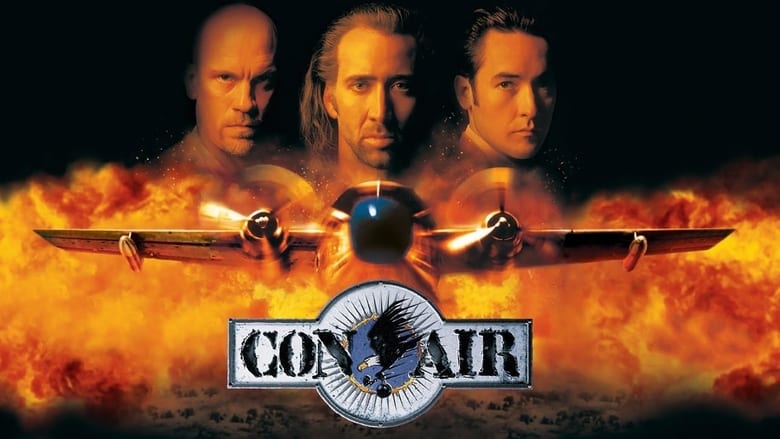
Director Simon West was coming off the high-octane lunacy of Con Air (1997), and you can see him trying to restrain his instinct for explosions in favor of atmosphere. The Georgia heat practically drips off the screen. Everything is bathed in that high-contrast, late-90s golden-hour glow, courtesy of cinematographer Peter Menzies Jr. (who lensed Die Hard with a Vengeance). It’s a beautiful-looking film, even when the subject matter is hideous.
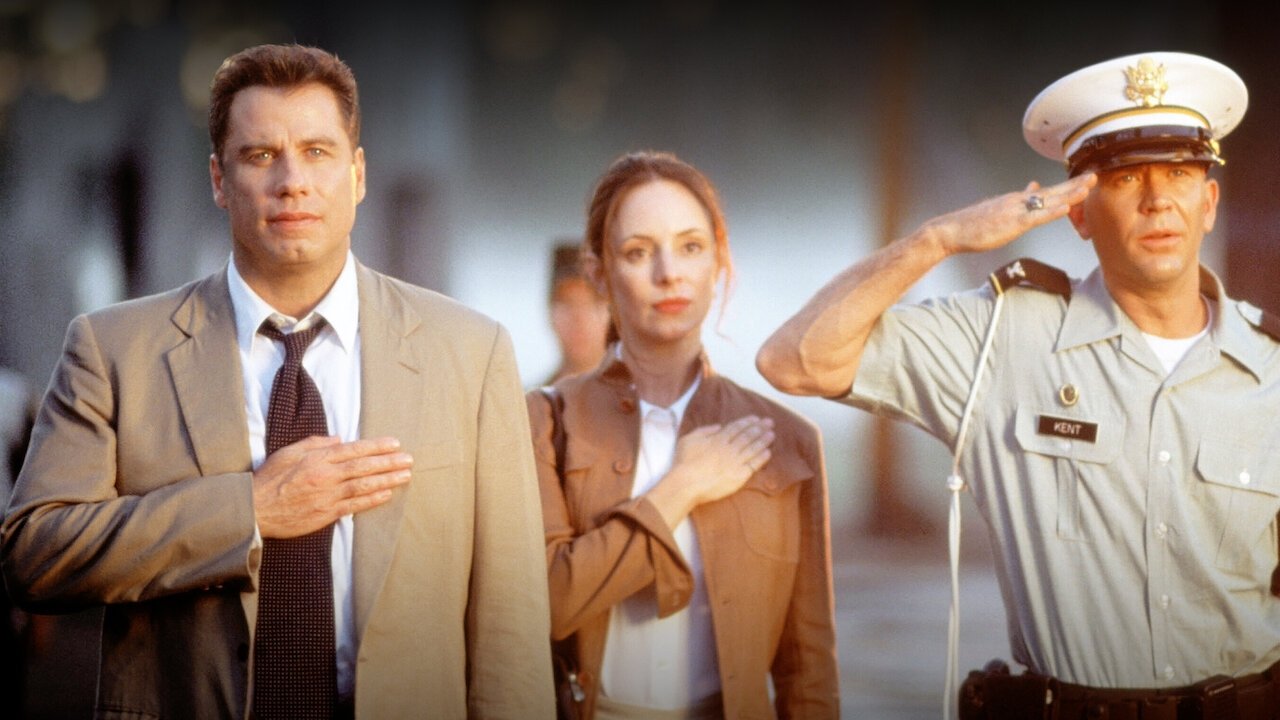
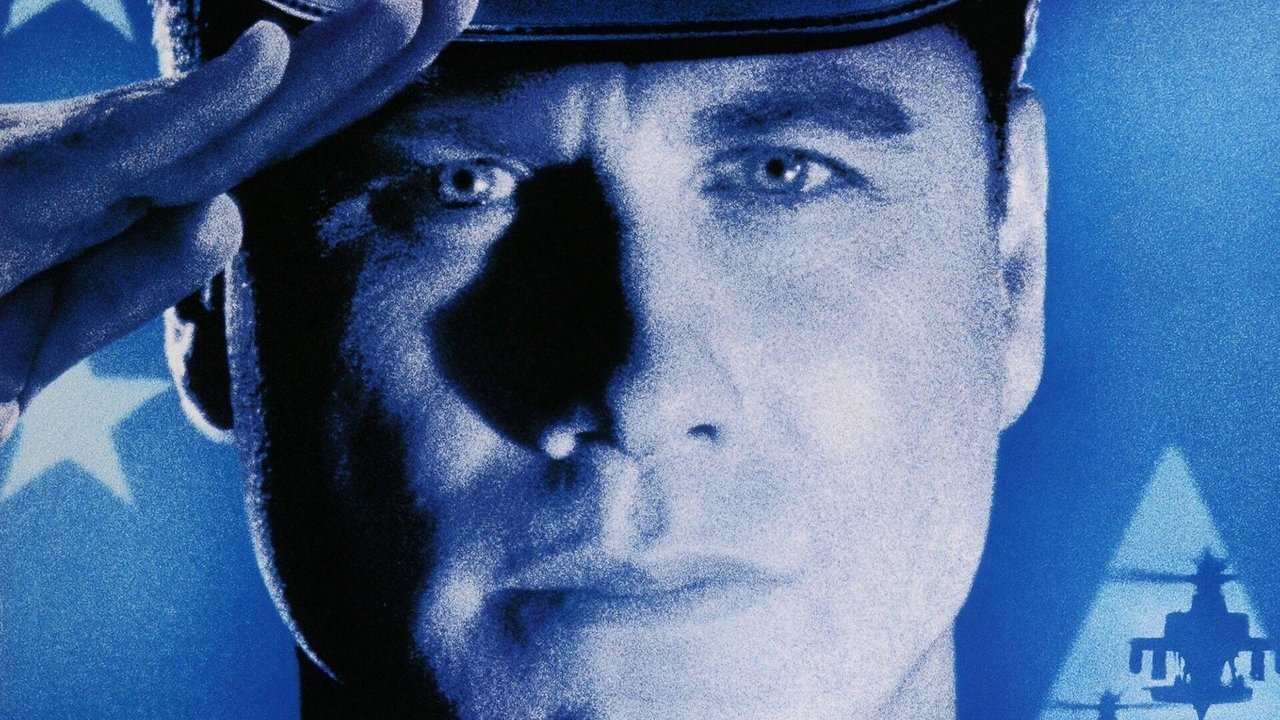
The story follows John Travolta as Paul Brenner, a CID warrant officer who plays by his own rules—which, in 1999, meant wearing a lot of leather jackets and leaning against things with a smirk. When the daughter of a legendary General is found murdered in a particularly gruesome, ritualistic fashion on a military base, Brenner is called in to find the killer before the local cops can get their hands on the case. What he finds is a sprawling web of sexual deviance, psychological warfare, and a military hierarchy that protects its own at any cost.
Travolta, Stowe, and the Chemistry of Cynicism
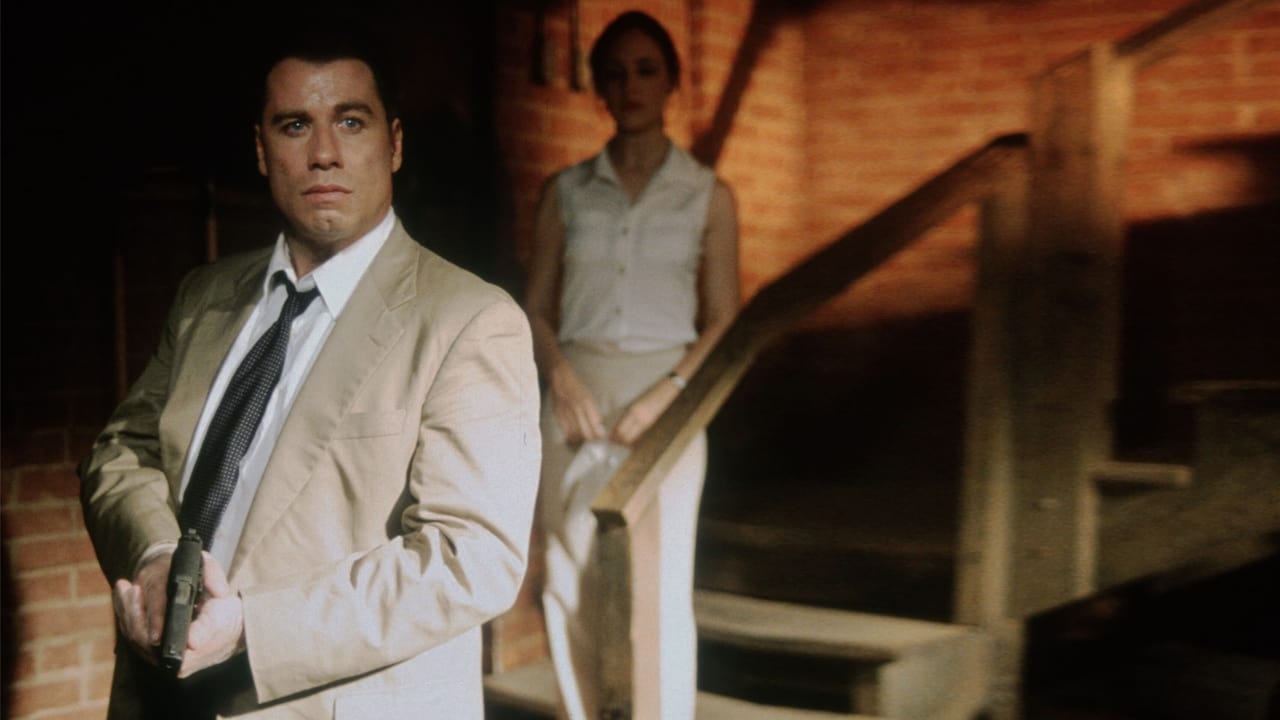
John Travolta was in a fascinating place in his career here. He was still riding the post-Pulp Fiction wave of "cool," but he hadn't yet descended into the direct-to-video wilderness. He plays Brenner with a mixture of swagger and genuine disgust. He’s joined by Madeleine Stowe as Sarah Sunhill, a rape specialist and Brenner’s former flame. Madeleine Stowe is one of those actors who always felt like she belonged in a different decade—there’s a classic, noir-ish intensity to her performance that balances Travolta’s more modern, breezy energy.
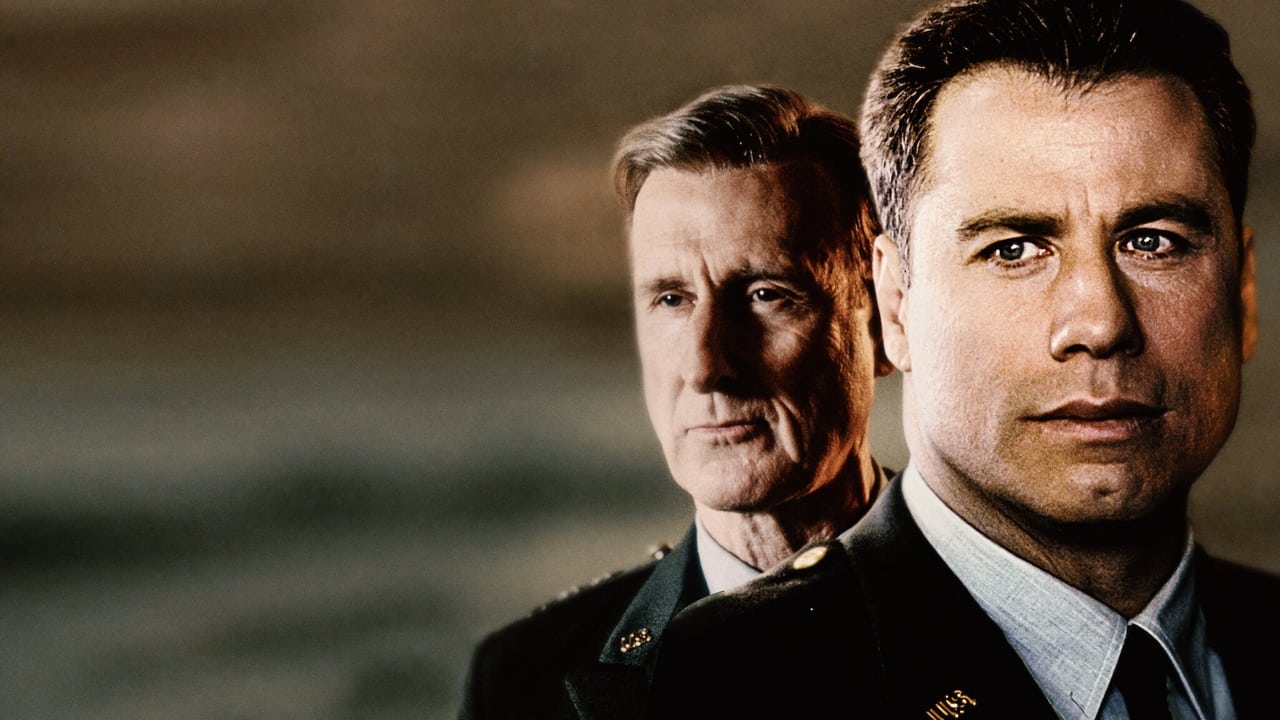
The supporting cast is a "Who’s Who" of guys who look great in a uniform. James Cromwell (of L.A. Confidential fame) brings a chilling, Shakespearean weight to General Campbell. He’s the kind of father who treats his daughter like a strategic asset rather than a human being. Then you have Timothy Hutton (Ordinary People) and James Lansbury, filling out a roster of suspects who all seem to be hiding something behind their medals. John Travolta’s hair is a structural marvel that deserves its own architectural permit, and even it seems to be working overtime to keep a straight face during some of the more melodramatic reveals.
The Goldman Touch and the Weight of Truth
The screenplay is co-written by the legendary William Goldman, the man behind All the President’s Men and The Princess Bride. You can feel his fingerprints in the dialogue; it’s snappy, masculine, and obsessed with the mechanics of power. However, the movie struggles with its own tone. It wants to be a "whodunit," but the central crime—the brutalization of Captain Elisabeth Campbell (Leslie Stefanson)—is so dark and genuinely upsetting that the "fun" investigative tropes sometimes feel out of place.
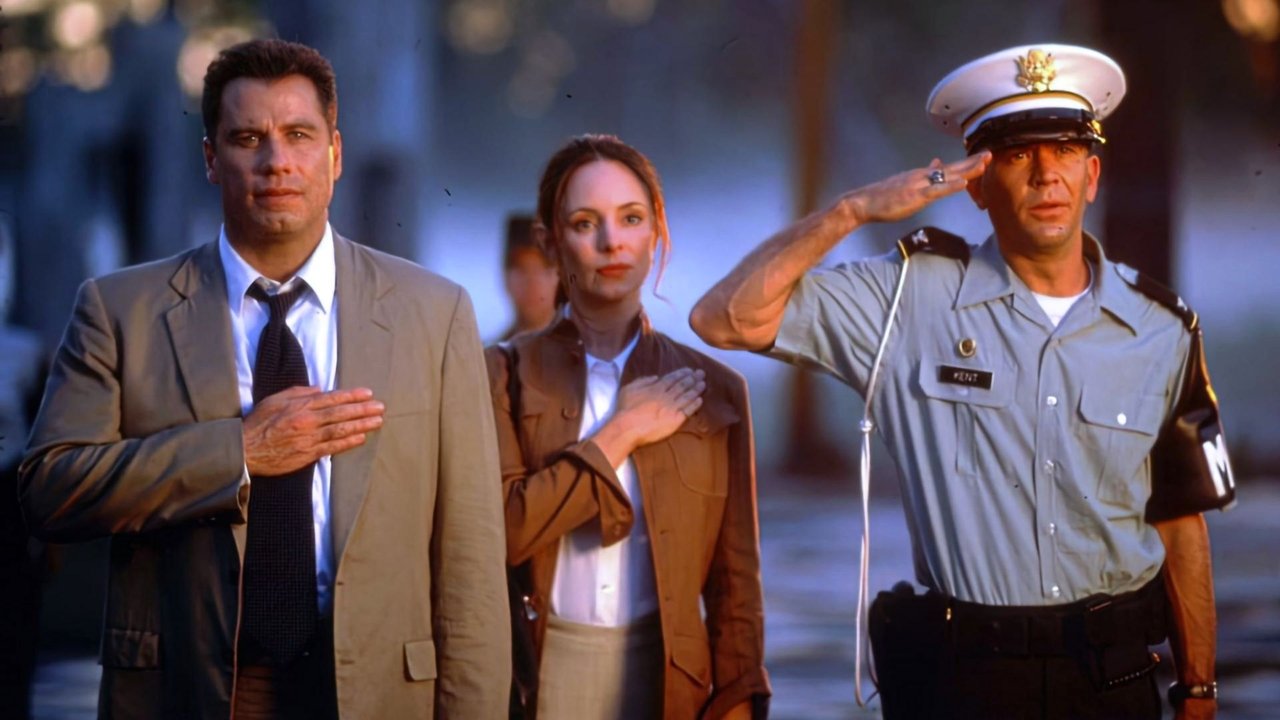
The film serves as a time capsule of pre-9/11 military anxiety. It’s not about external threats; it’s about the rot within the institution. Looking back, the movie’s handling of sexual trauma is a bit clunky by today’s standards, but for 1999, it was surprisingly blunt about the "don’t ask, don't tell" culture of silence that allowed abuse to flourish. It’s a "pre-woke" film that is, ironically, very concerned with the systemic silencing of women. The plot has more layers than a Georgia onion but occasionally smells just as funky.
One of the more interesting bits of trivia is that the ending was actually softened after test screenings. The original cut supposedly leaned even further into the bleakness of the military cover-up. It makes you wonder if the movie would be more remembered today if it had stuck to its guns instead of opting for a slightly more traditional "hero" moment for Travolta.
The General's Daughter is a solid, well-crafted thriller that benefits immensely from its cast and its high-production sheen. It doesn't quite reach the heights of genre classics like A Few Good Men, but it’s a compelling watch for anyone who misses the days when a movie didn't need a superhero to get a green light. It’s the kind of film that reminds me why we used to love going to the theater just to see movie stars be movie stars. It’s grim, it’s sweaty, and it’s unapologetically adult—a quintessential slice of 90s studio filmmaking.
Keep Exploring...
-
Basic
2003
-

The Long Kiss Goodnight
1996
-
Con Air
1997
-
Snake Eyes
1998
-
Along Came a Spider
2001
-
Blood Work
2002
-
The Client
1994
-
Copycat
1995
-
Breakdown
1997
-
Kiss the Girls
1997
-
Arlington Road
1999
-
The Pledge
2001
-
The Score
2001
-
Mindhunters
2004
-
Awake
2007
-

Perfect Stranger
2007
-
Righteous Kill
2008
-

The International
2009
-
Edge of Darkness
2010
-
I'm Not Scared
2003