The Green Mile
"A heavy, miraculous burden that demands every minute of its three-hour walk."
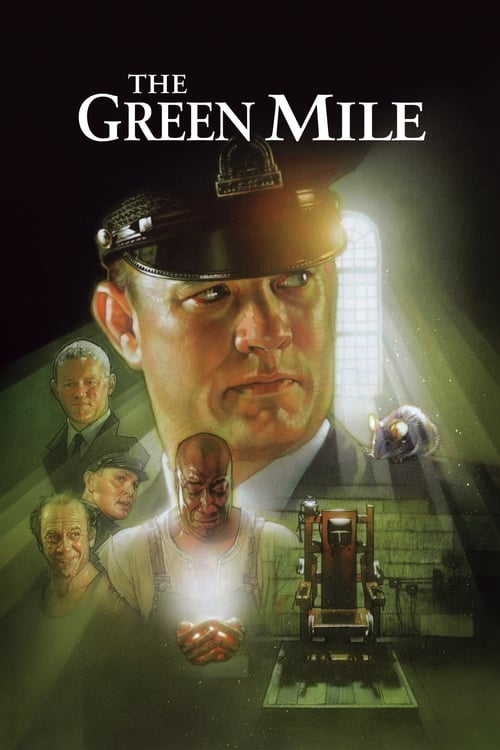
The first time I sat down to watch The Green Mile, I did it on a double-tape VHS set. There was something about the physical weight of those two black plastic bricks that felt appropriate for the story I was about to endure. I watched it in a basement that smelled faintly of damp laundry, eating a bag of pretzels so stale they had lost their crunch, and yet, three hours later, I was a complete wreck. Reassessing it decades later, in an era where we consume content in frantic, bite-sized bursts, Frank Darabont’s 189-minute odyssey feels less like a movie and more like a test of emotional endurance.

It is a film that refuses to hurry. It lingers on the humid, oppressive atmosphere of the Cold Mountain Penitentiary, specifically E Block—the "Green Mile." This isn't the gritty, kinetic energy of a modern prison drama. It’s a slow, Southern Gothic meditation on cruelty and grace, captured with a painterly stillness by cinematographer David Tattersall (who, interestingly, went from the digital sheen of Star Wars: Episode I to the dusty, tobacco-stained palette of the 1930s South for this).
The Burden of Being Good
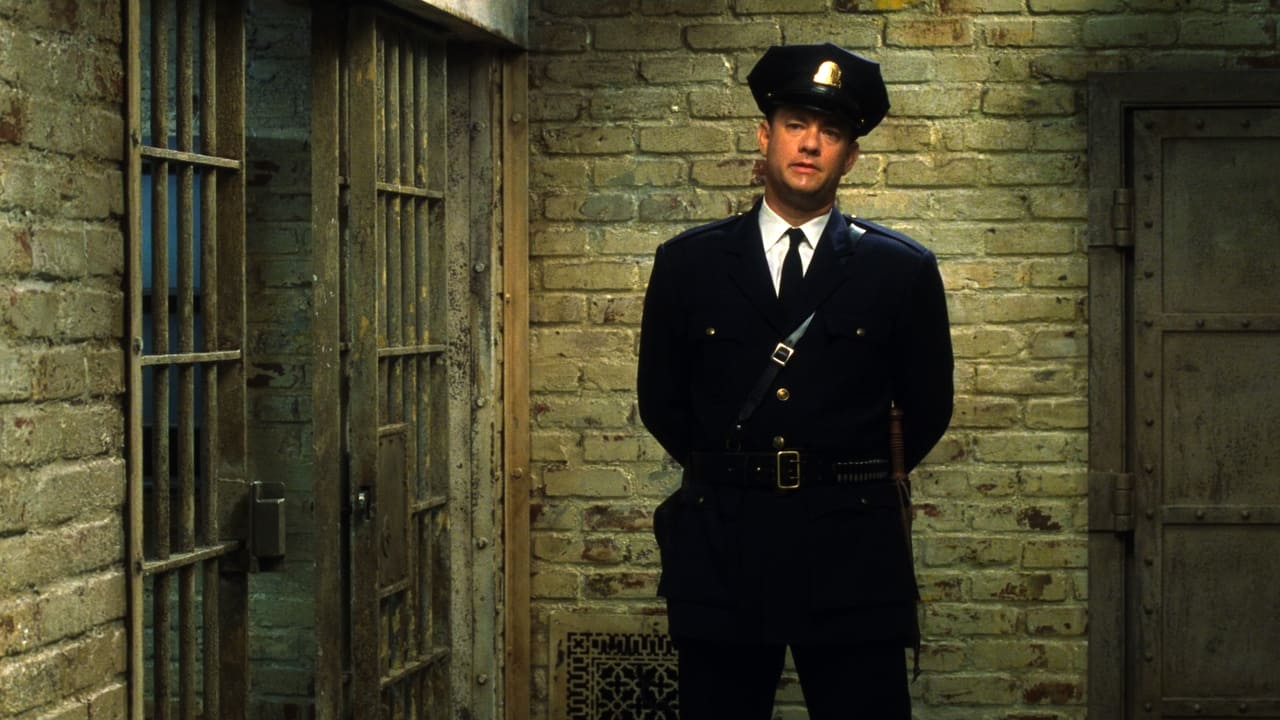
At the center of the storm is Tom Hanks as Paul Edgecomb. Coming off the back-to-back titans of Saving Private Ryan and Toy Story 2, Hanks was in his peak "Everyman" era. He plays Edgecomb with a quiet, weary dignity, suffering through a persistent urinary tract infection that serves as a grounded, human counterpoint to the supernatural events unfolding. But the film, of course, belongs to Michael Clarke Duncan as John Coffey ("like the drink, only spelled different").
Duncan was a revelation here. Apparently, Bruce Willis—who had worked with him on Armageddon—was the one who personally called Darabont to suggest him for the role. It was a stroke of genius. Duncan captures a specific kind of terrifying vulnerability; he is a giant who could snap a man like a dry twig, yet he cringes at the dark. His performance is the soul of the film, and looking back, his Oscar nomination for Best Supporting Actor was the absolute bare minimum he deserved. While the "Magical Negro" trope has been criticized in the years since, Duncan’s sheer humanity usually manages to transcend the archetype. He makes Coffey feel less like a plot device and more like a man whose heart is simply too big for a world this jagged.
Monsters in the Hallway
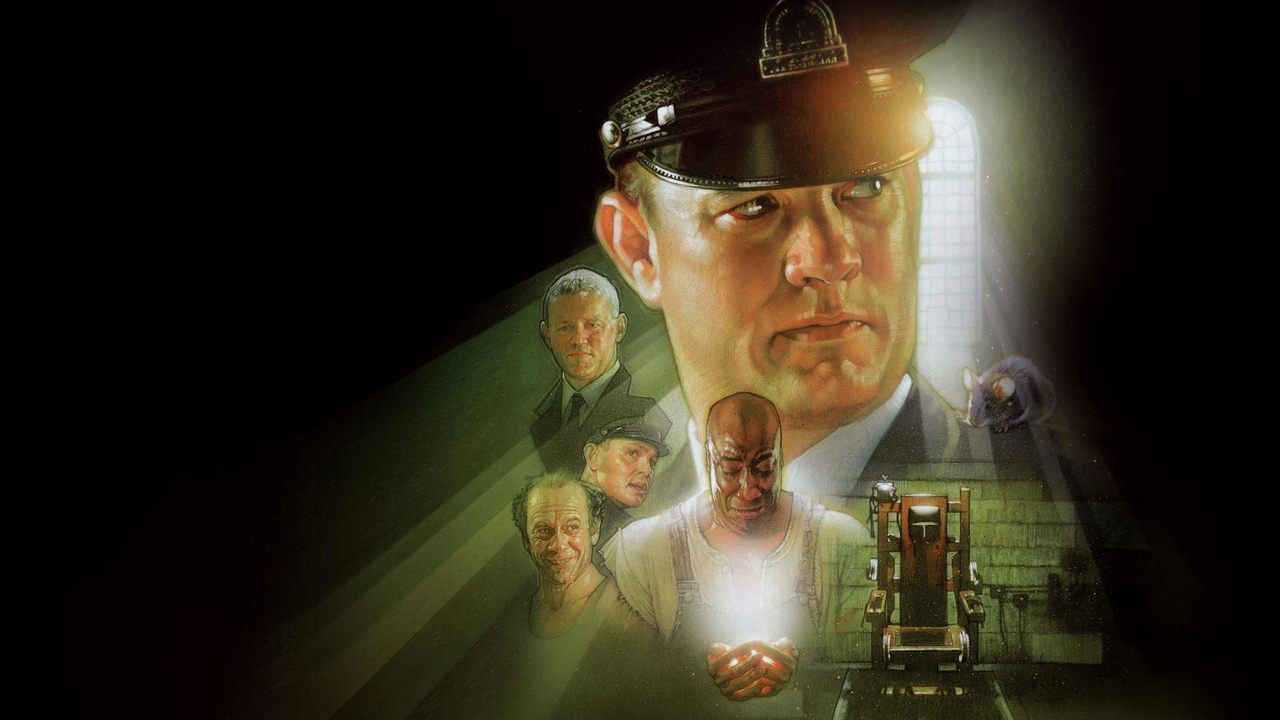
If Coffey is the light, the Mile has plenty of shadows to balance him out. Doug Hutchison plays Percy Wetmore with such sniveling, petty malice that I genuinely wanted to reach through the screen and throttle him. He is the embodiment of the "small man with a big badge" energy that still resonates uncomfortably today. Then there’s Sam Rockwell as "Wild Bill" Wharton. Before he became the prestige darling of Three Billboards Outside Ebbing, Missouri, Rockwell was doing some of the most unhinged, high-wire acting of the 90s. He is chaotic, disgusting, and terrifyingly alive in a way that contrasts sharply with the somber guards.
The film manages to make the Mile feel like its own ecosystem. We spend so much time with these men—including David Morse’s reliable Brutus "Brutal" Howell and Michael Jeter’s tragic Eduard Delacroix—that the prison stops being a setting and starts being a character. When the inevitable horror of the execution scenes arrives, they don't feel like "movie moments." They feel like betrayals. The sequence involving a dry sponge and the electric chair remains one of the most difficult things I’ve ever sat through. It’s an unflinching look at human cruelty that Darabont refuses to cut away from.
The Prestige of the Page
By 1999, Frank Darabont was already the king of Stephen King adaptations thanks to The Shawshank Redemption. The Green Mile was his victory lap, a high-budget prestige picture that the Academy showered with four nominations, including Best Picture. It’s a film from that specific window of time where studios were still willing to drop $60 million on a three-hour drama for adults that didn't involve a cape or a laser sword.
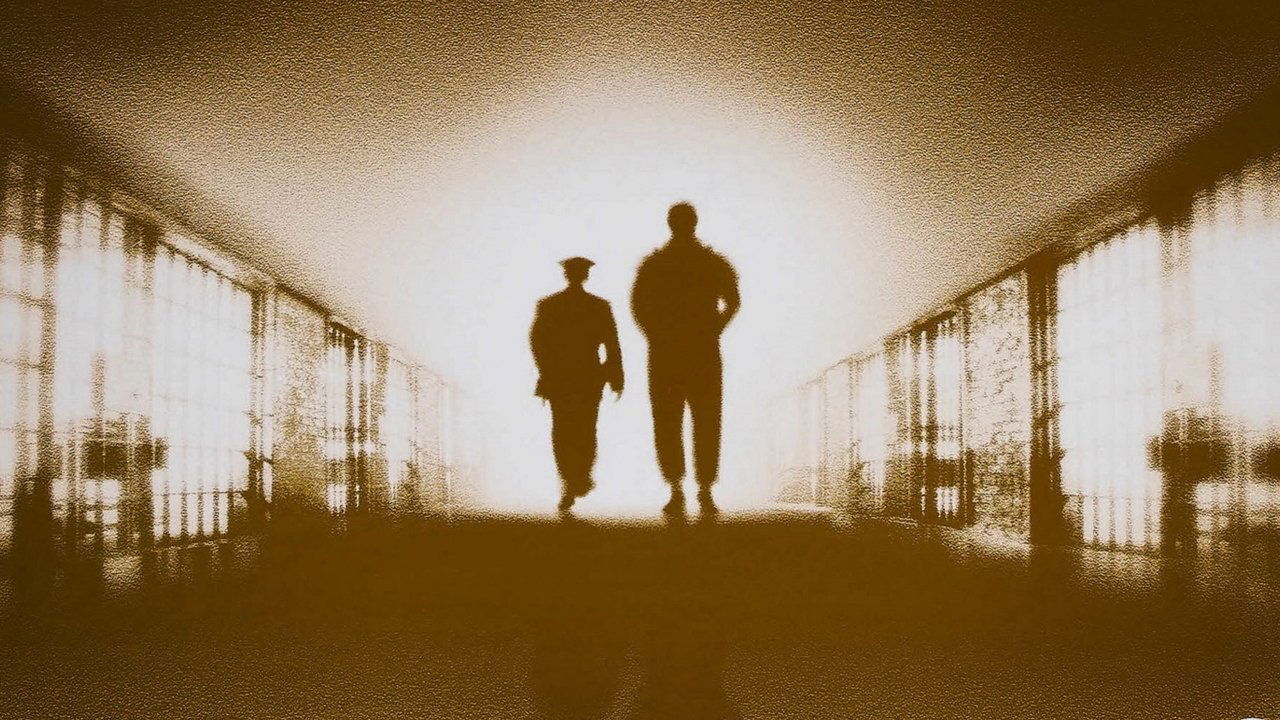
The production design is meticulous. They actually built a functional "Old Sparky" (the electric chair), and the crew noted how the atmosphere on set would turn deathly quiet whenever the chair was brought out. That reverence translates to the screen. Even the score by Thomas Newman (who also did American Beauty that same year, which eventually beat The Green Mile for Best Picture) is iconic. It’s all pizzicato strings and haunting woodwinds, perfectly capturing the feeling of a miracle happening in a place meant for death.
The Green Mile is a long walk, and it’s a painful one. It’s a movie that asks you to sit with the unfairness of the world for three hours and then offers no easy escape. But it’s also a testament to the power of a performance to anchor a fantasy. It’s big, it’s sentimental, and it’s unapologetically earnest—the kind of filmmaking that feels increasingly rare in a cynical age. It’s a heavy lift, but one that stays with you long after the linoleum floor has faded to black.
Keep Exploring...
-
The Shawshank Redemption
1994
-
Saving Private Ryan
1998
-
L.A. Confidential
1997
-
Casino
1995
-
Heat
1995
-
The Usual Suspects
1995
-
Fargo
1996
-

Requiem for a Dream
2000
-
Catch Me If You Can
2002
-
The Departed
2006
-
The Dark Knight
2008
-

Léon: The Professional
1994
-
Trainspotting
1996
-
City of God
2002
-
Memories of Murder
2003
-
GoodFellas
1990
-
The Silence of the Lambs
1991
-
Carlito's Way
1993
-
Road to Perdition
2002
-
Prisoners
2013