The Insider
"The truth won't set you free. It'll bury you."

I watched The Insider last Tuesday while wearing a pair of old noise-canceling headphones that kept picking up a faint signal from a local radio station, so I had a ghostly layer of 90s soft rock—think "Smooth" by Santana—drifting underneath the most intense legal depositions ever filmed. Oddly enough, it fit. There’s something about the hazy, blue-tinted atmosphere of a Michael Mann film that feels like a dream you’re trying desperately to wake up from, only to realize the nightmare is just a standard corporate Monday.
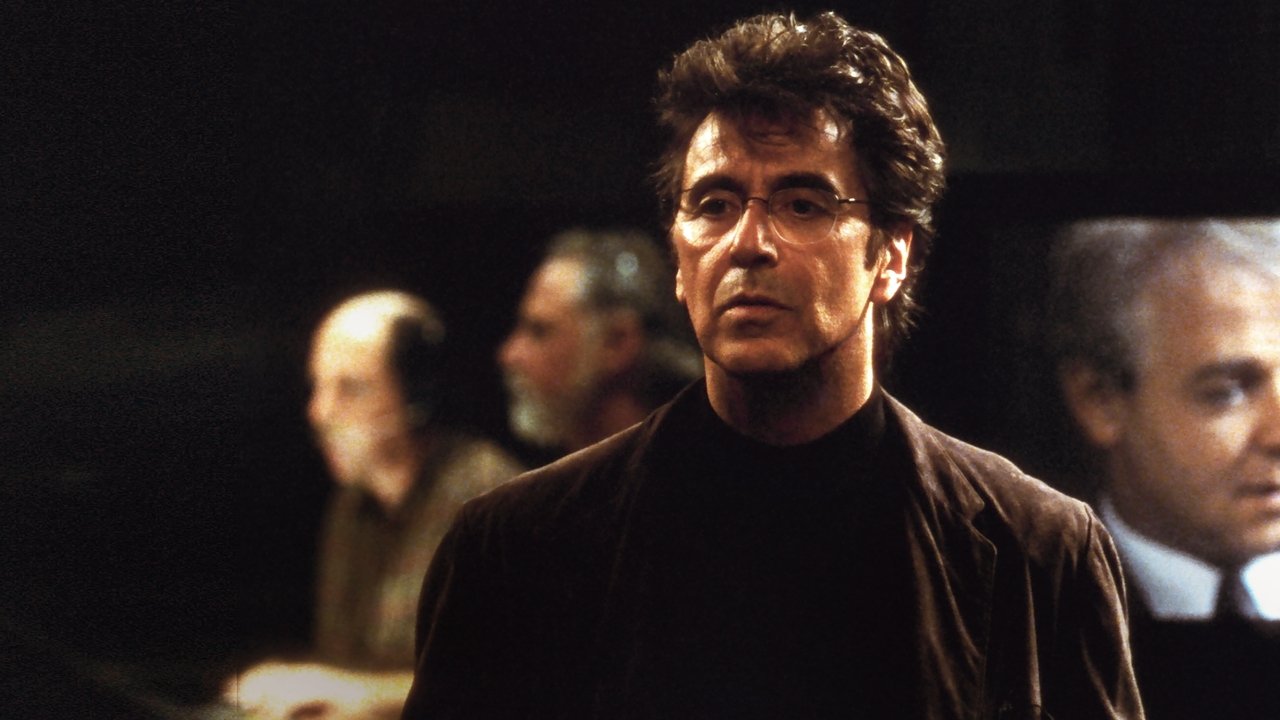
If you mention Michael Mann, most people jump straight to the street-warfare precision of Heat (1995). But for my money, The Insider is his real heavyweight champion. It’s a 158-minute thriller where the "action" consists of men looking at fax machines and staring at the ocean in existential agony, yet it has more raw tension than a dozen modern superhero brawls. It’s the story of Jeffrey Wigand, a scientist who knew too much about Big Tobacco, and Lowell Bergman, the 60 Minutes producer who tried to get him to say it out loud.
The Man Who Knew Too Much
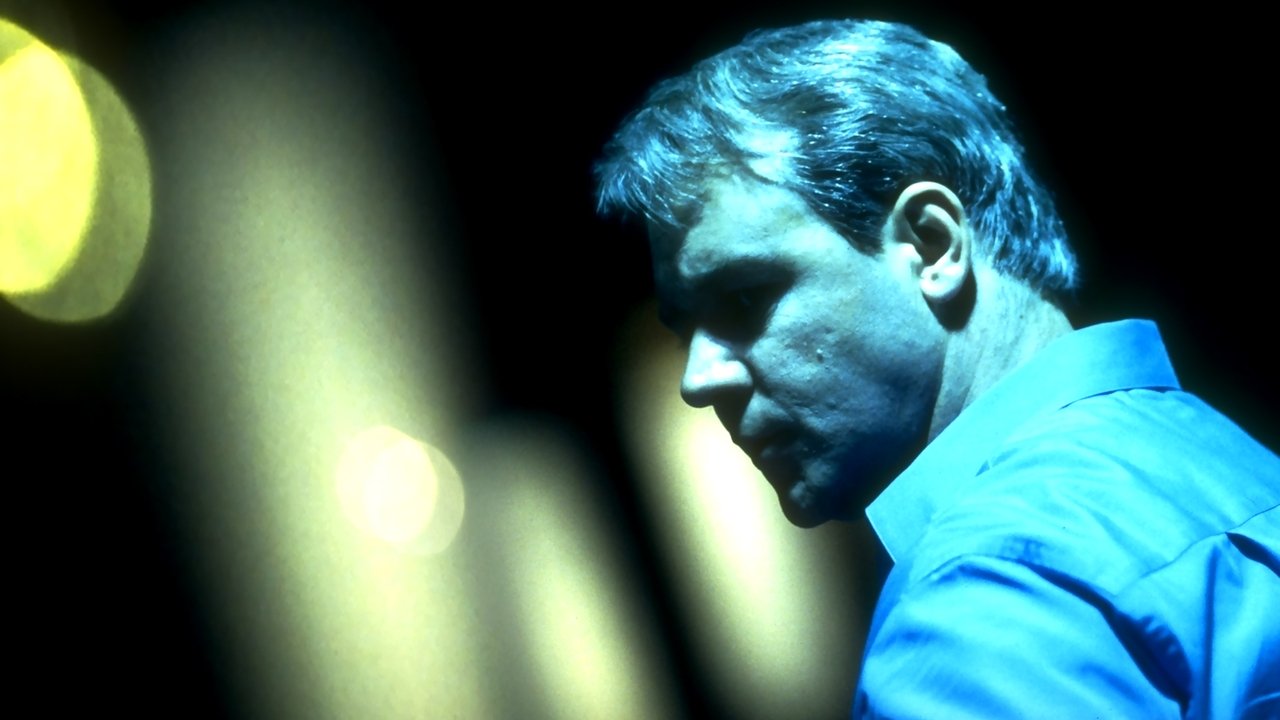
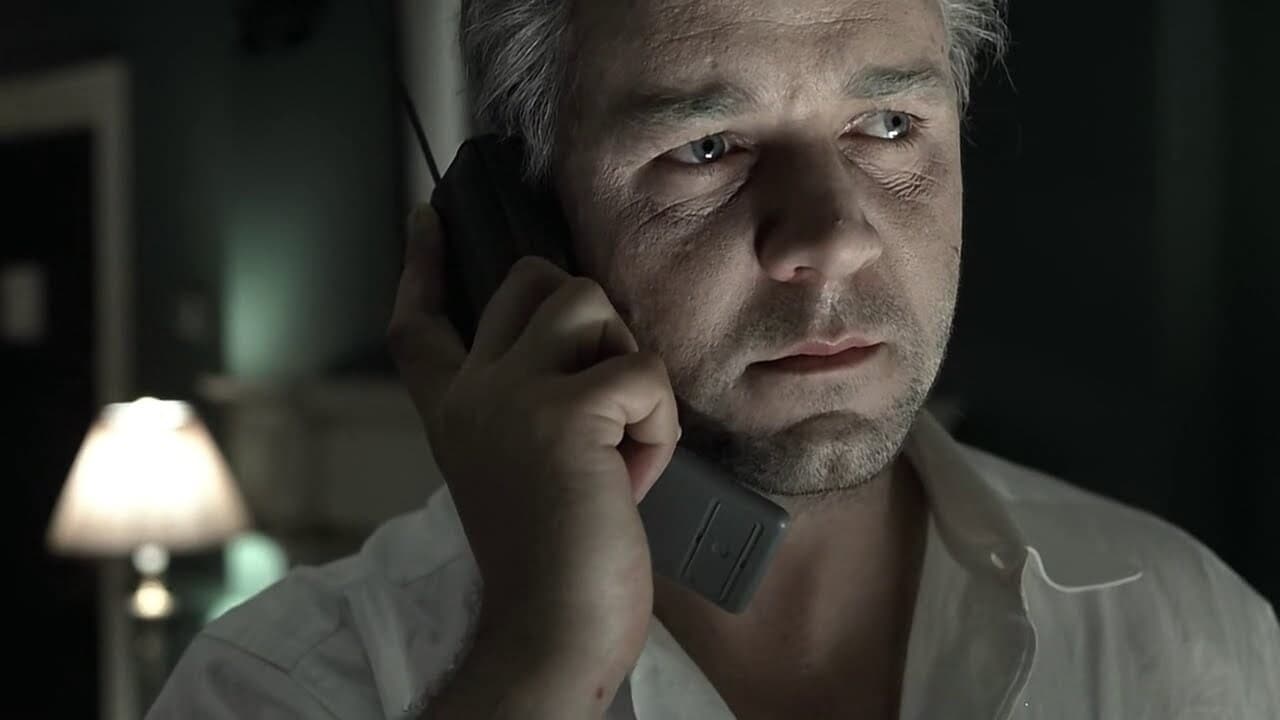
The film lives and dies on the shoulders of Russell Crowe, and looking back from the era of his "gladiator" persona, this performance is a revelation. He plays Wigand as a man who is physically uncomfortable in his own skin. He’s gray, he’s thick around the middle, and he’s perpetually vibrating with a low-level frequency of terror. He isn't a "hero" in the traditional sense; he’s a flawed, prickly guy who gets backed into a corner and decides to bite back.
Opposite him is Al Pacino, and let me tell you, this is "Pre-Caricature Pacino." This is the version of Al Pacino that I miss—the one who uses his intensity like a scalpel rather than a sledgehammer. As Lowell Bergman, he’s the ultimate professional, a man whose word is his bond in an industry that was rapidly learning to love the taste of its own corporate tail. The chemistry between these two isn’t about friendship; it’s about a shared, agonizing commitment to a truth that neither of them can really afford.
Christopher Plummer also shows up and absolutely steals the curtains as Mike Wallace. He captures that specific brand of broadcast-news vanity—the kind that believes a well-tailored suit and a gravitas-filled voice can shield you from the moral rot of the company that signs your checks. Plummer’s Mike Wallace is the ultimate "don't meet your heroes" cautionary tale.
Blue Shadows and Digital Ghosts
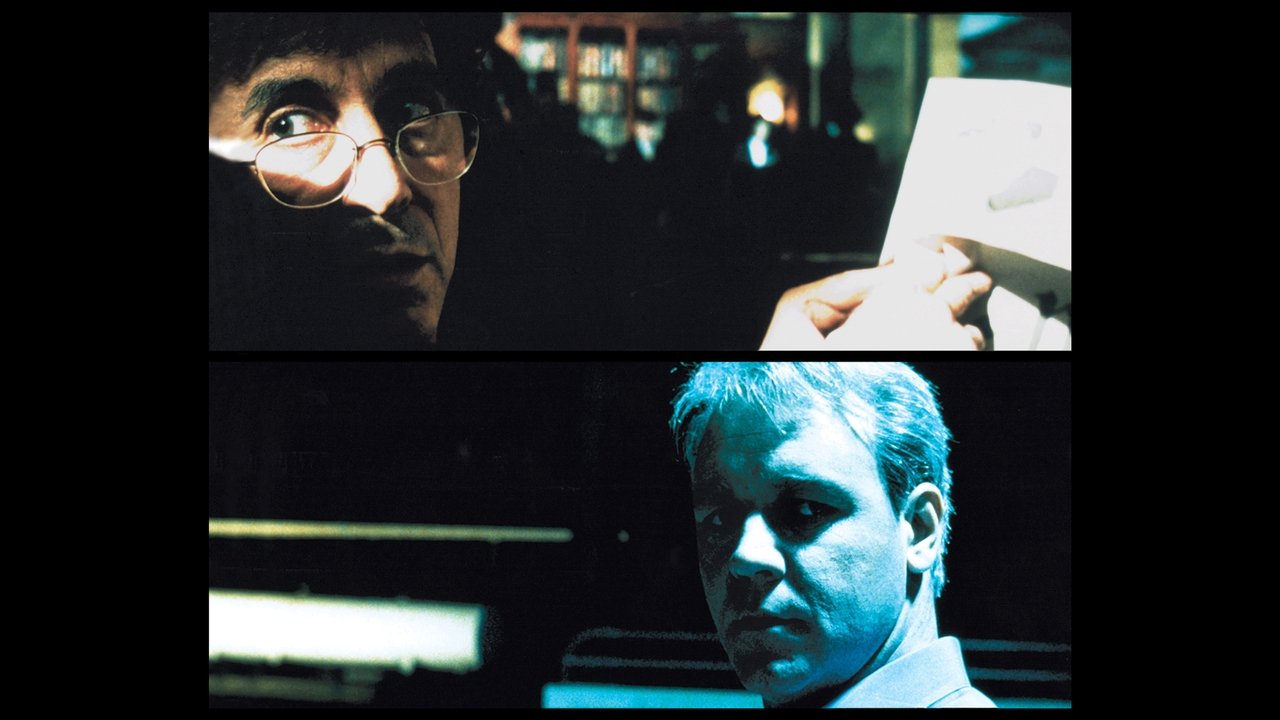
Technically, The Insider is a bridge between two worlds. Shot by the legendary Dante Spinotti (who also lensed L.A. Confidential), it captures the final gasp of the analog age. We see the clunky monitors, the grainy VHS tapes, and the massive, room-sized servers of the late 90s. But Mann shoots it with a futuristic, almost alien clinicality. He loves those tight, handheld close-ups that stay on a face just a few seconds too long, forcing us to see the beads of sweat and the flickering doubt in the characters' eyes.
The score by Lisa Gerrard and Pieter Bourke is what really seals the deal. It’s not a traditional "thriller" soundtrack; it’s haunting, ethereal, and lonely. It makes the corporate hallways of Kentucky look like the corridors of a haunted house. This was a peak era for Mann’s collaboration with high-end tech and moody soundscapes, creating a vibe that feels "modern" even twenty-five years later. It captures that pre-9/11 anxiety where the enemy wasn't a guy in a cave, but a guy in a corner office with a legal team that could erase your existence with a single injunction.
Why It Vanished (And Why You Should Find It)
Despite pulling seven Oscar nominations, The Insider was a box office dud. It lost about $30 million in its initial run. I think I know why: it’s a movie that demands you pay attention to the fine print. It’s long, it’s talky, and it refuses to give you the easy "victory" ending that audiences usually crave from David-vs-Goliath stories.
The tobacco companies didn't just try to stop the movie; they tried to destroy the real Jeffrey Wigand's life. Apparently, the real Wigand was so paranoid during the lead-up to his testimony that he started carrying a handgun and hiding in different hotels every night. Mann captures that sense of "nowhere is safe" perfectly. When Wigand sits in a hotel room and looks at the floral wallpaper, the patterns start to feel like they’re mocking his insignificance.
It’s a three-hour movie about documents that has more grit than a John Wick sequel. It explores the terrifying reality that in the corporate world, "the truth" is just another line item that can be edited out if it affects the stock price.
This isn't just a movie about a whistleblower; it’s a eulogy for a certain kind of integrity. Watching it today, in an era where "truth" feels more fractured than ever, The Insider feels less like a historical drama and more like a prophetic warning. It’s a somber, heavy, and brilliantly executed piece of cinema that proves you don't need explosions to make a viewer's heart race—you just need a man, a microphone, and the courage to say something that people with a lot of money don't want to hear.
Keep Exploring...
-
Heat
1995
-
Collateral
2004
-

Ali
2001
-
Matchstick Men
2003
-
Crimson Tide
1995
-
Strange Days
1995
-
The Rainmaker
1997
-
A Simple Plan
1998
-
Arlington Road
1999
-
The Count of Monte Cristo
2002
-
Manhunter
1986
-
Munich
2005
-
Carlito's Way
1993
-
The Experiment
2001
-
Infernal Affairs
2002
-
I'm Not Scared
2003
-
Runaway Jury
2003
-
The Consequences of Love
2004
-
L.A. Confidential
1997
-
The Talented Mr. Ripley
1999