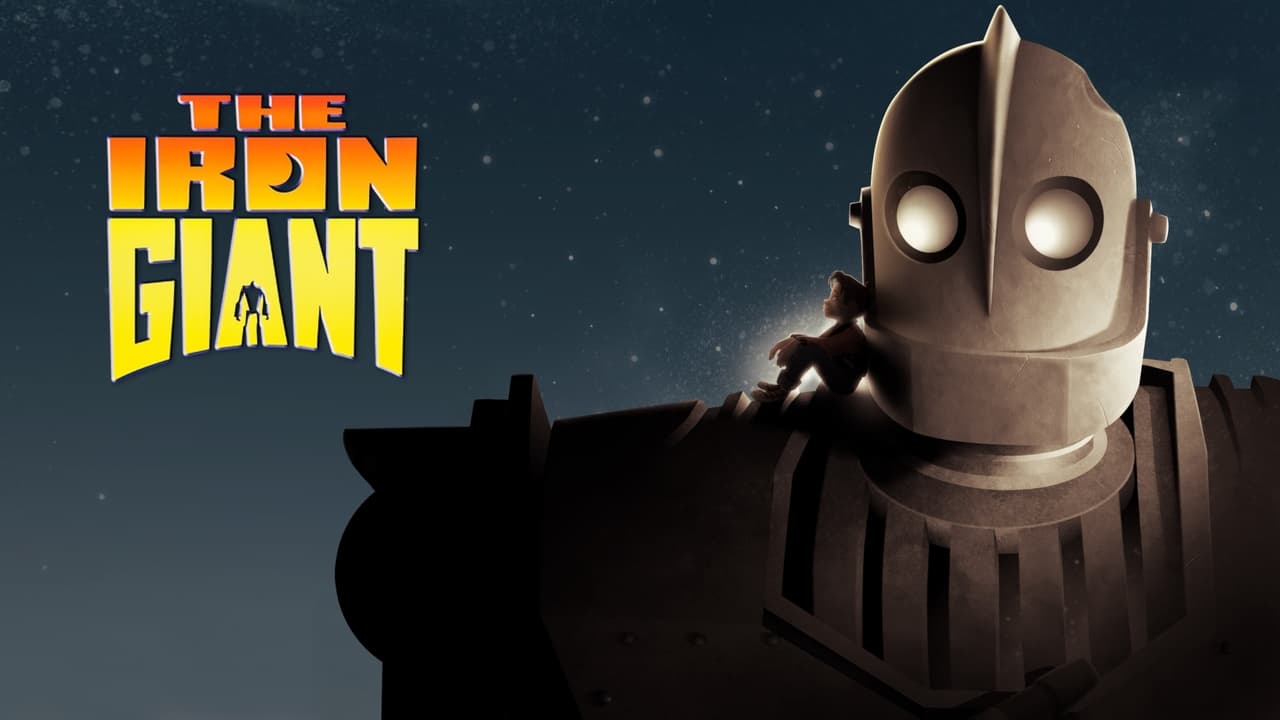
The Iron Giant
"The metallic heart that taught us how to choose."
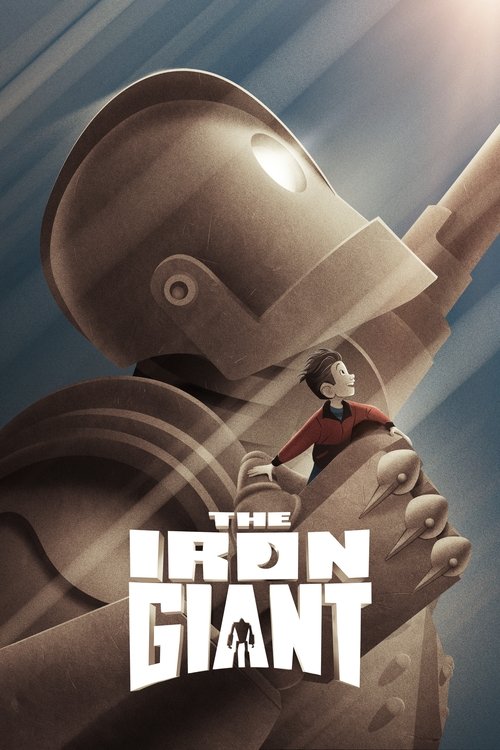
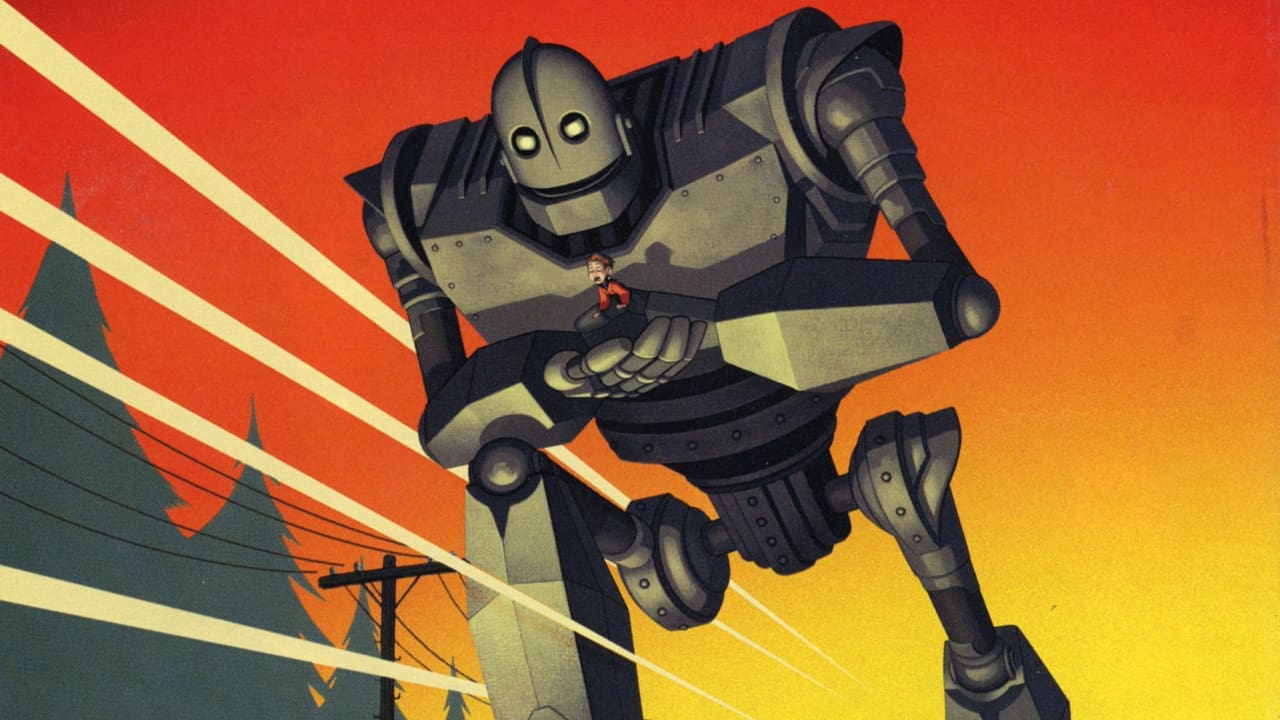
The steady, rhythmic beep-beep-beep of Sputnik 1 overhead wasn’t just a feat of Soviet engineering; in 1957, it was the sound of a ticking clock for American sanity. It’s this specific, shivering atmosphere of Cold War paranoia that Brad Bird tapped into for his 1999 directorial debut, The Iron Giant. While the late 90s were busy obsessing over the looming Y2K bug and the slick, leather-clad digital futures of The Matrix, Bird looked backward to find something far more human. He gave us a 50-foot-tall war machine that didn’t want to be a gun.
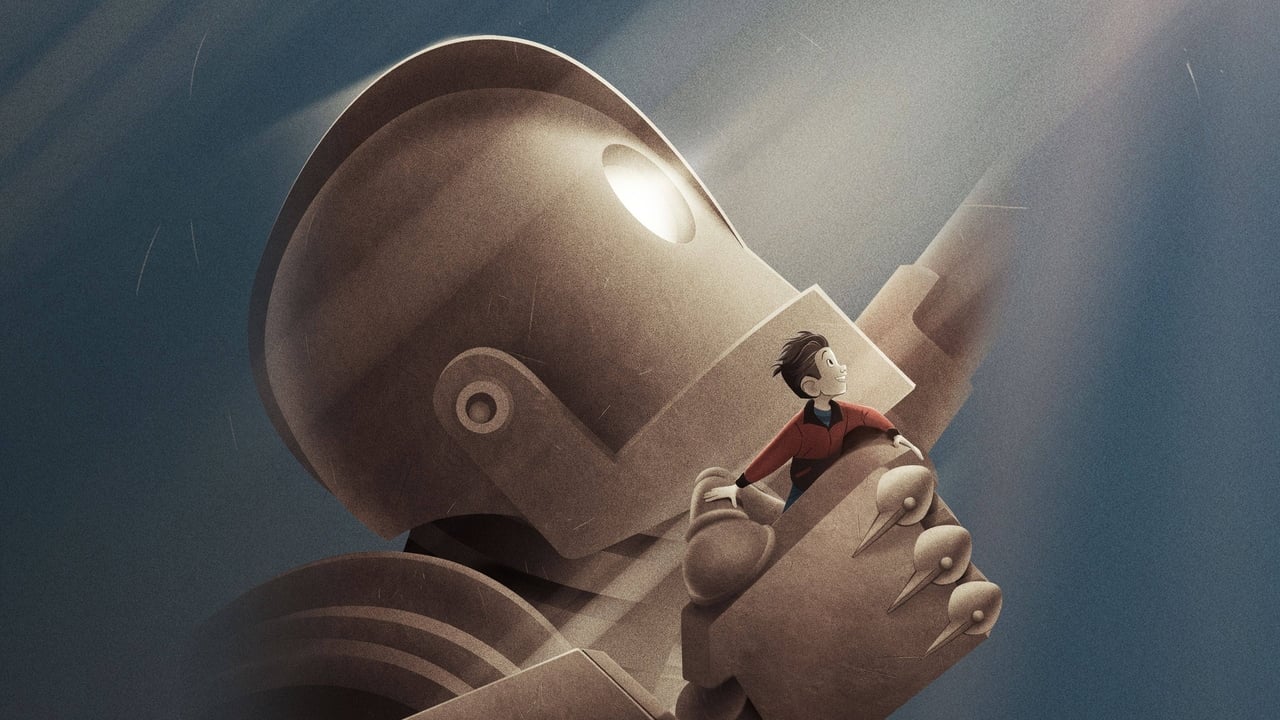
I first watched this film on a DVD I’d borrowed from a library in 2005, eating a bowl of cereal that had gone tragically soggy because I was too mesmerized to look down at my spoon. It’s a film that demands that kind of stillness. On the surface, it’s a "boy and his dog" story where the dog is a sentient skyscraper from outer space, but beneath that metal skin beats the heart of a profound philosophical inquiry: Are we defined by our design, or by our decisions?
The Choice to be Superman
The central drama isn't the Giant’s origin—which remains a tantalizing mystery—but the relationship between Hogarth Hughes (voiced with frantic, caffeine-fueled energy by Eli Marienthal) and the Giant. When Hogarth introduces the Giant to the concept of death through a deer killed by hunters, the film shifts from a whimsical sci-fi adventure into a heavy meditation on mortality and purpose.
Vin Diesel delivers what is arguably his most nuanced performance here. By stripping away his physical presence and using only a handful of words, he forces the audience to project a soul onto the Giant. His rumbling "I... am... not... a... gun" is a line that carries more thematic weight than entire trilogies of contemporary superhero cinema. It’s a rejection of destiny. In the cerebral framework of the film, the Giant is an existentialist hero. He is a weapon of mass destruction that looks at a comic book and decides to be the man in the cape instead.
Jennifer Aniston provides a grounded, weary warmth as Annie Hughes, a single mother just trying to keep her head above water in a town that feels one siren away from a fallout shelter. Meanwhile, Harry Connick Jr. plays Dean McCoppin, the beatnik scrap-metal artist who serves as the film’s moral compass and Resident Cool Person. Their chemistry is understated, allowing the focus to remain on the Giant’s internal struggle.
The Analog Heart of a Digital Giant
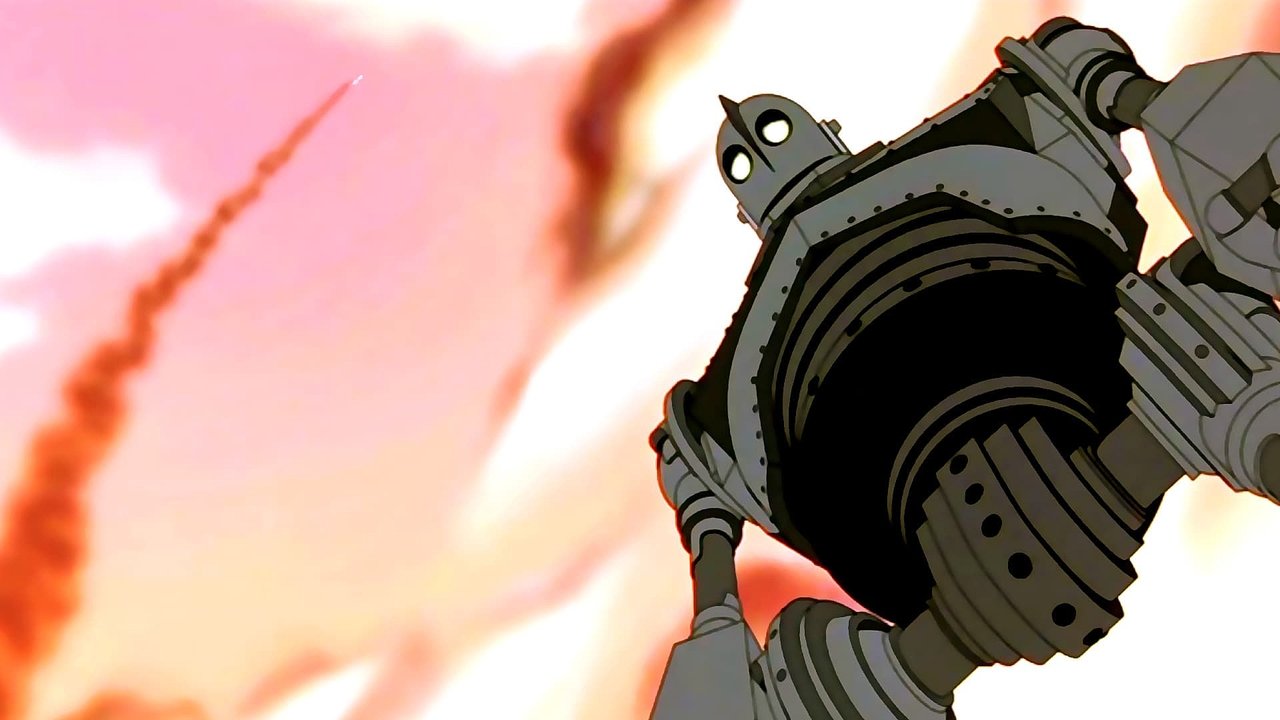
From a technical standpoint, The Iron Giant arrived at a crossroads in animation history. We were moving away from the hand-drawn "Disney Renaissance" and toward the total CGI dominance of Pixar. Bird chose a hybrid approach that still looks breathtaking today. The Giant is a 3D digital model, but he’s rendered to live inside a 2D, hand-painted world.
The production team, led by Steven Wilzbach, managed to give the Giant a tactile, clanking weight that feels more "real" than most modern CGI creatures. There’s a specific scene where the Giant tries to jump into a lake, and the way the water interacts with his massive frame is a masterclass in scale and physics. It wasn't just about making him look big; it was about making his presence felt. The score by Michael Kamen, recorded with the Czech Philharmonic, avoids the usual "family movie" schmaltz and opts for a sweeping, orchestral grandeur that makes the climax feel truly operatic.
A Prestige Ghost and the Marketing Fumble
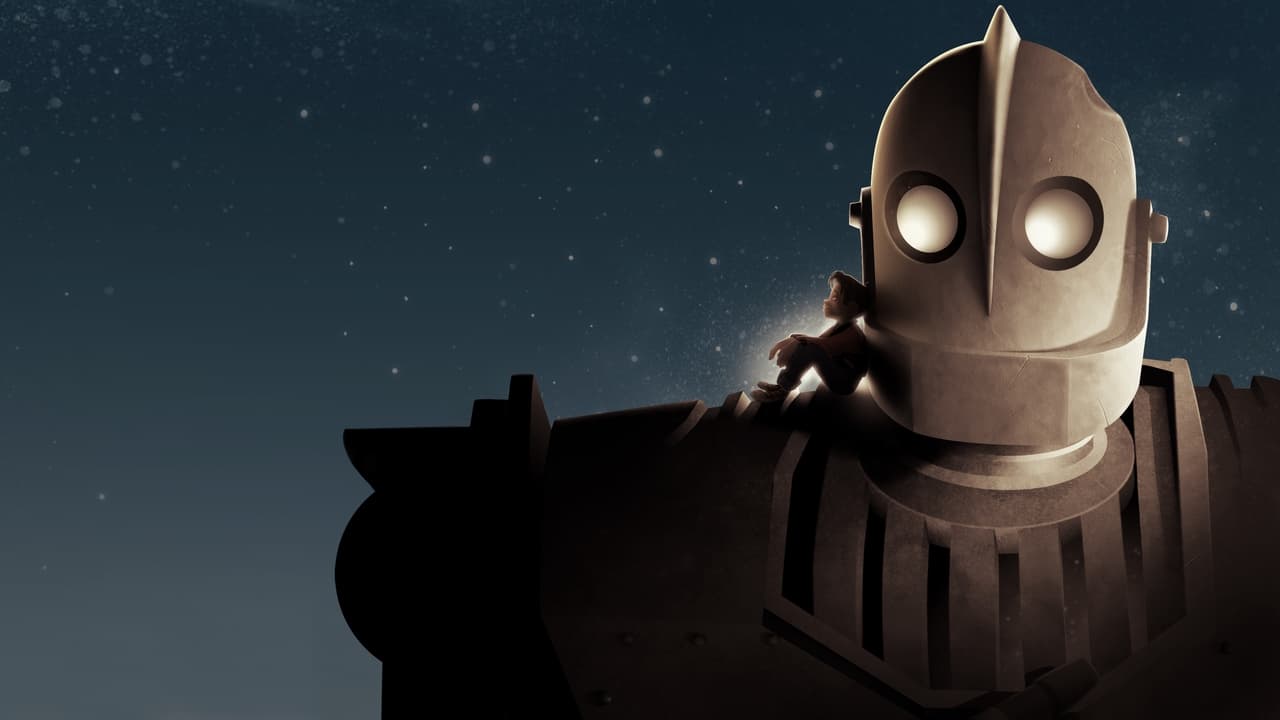
It’s one of cinema’s great tragedies that Warner Bros. marketed this film like it was a contagious disease. After the failure of Quest for Camelot, the studio seemingly lost faith in their animation department. They didn't realize they had a prestige powerhouse on their hands until the test screenings started coming back with the highest scores the studio had seen in fifteen years. By then, it was too late to mount a proper campaign.
The film was a box office dud, but its legacy was secured through the burgeoning DVD culture of the early 2000s. Critics like Roger Ebert hailed it as a modern classic, and it swept the Annie Awards, winning 15 trophies including Best Animated Feature. It’s the kind of film that feels like a secret you share with people you love.
Christopher McDonald’s Kent Mansley remains one of the most detestable villains in animation history, not because he has superpowers, but because he represents the very real, very dangerous intersection of cowardice and authority. He is the personification of the fear that nearly destroys the world—a fear that Hogarth and the Giant eventually dismantle through a simple, selfless act of will.
Looking back, The Iron Giant feels less like a product of 1999 and more like a timeless fable that happened to be told through the medium of cel-shaded ink. It tackles the anxiety of the atomic age while speaking directly to our own modern fears of technology and violence. It’s a film that respects its audience enough to be sad, enough to be quiet, and enough to believe that even a machine can have a soul if it wants one badly enough. If you haven't seen it since you were a kid, watch it again—you'll find that the Giant has only grown larger with time.
Keep Exploring...
-
Spirit: Stallion of the Cimarron
2002
-
Treasure Planet
2002
-
The Wild Robot
2024
-
The Incredibles
2004
-
The Lion King
1994
-
Whisper of the Heart
1995
-
Neon Genesis Evangelion: The End of Evangelion
1997
-
Ratatouille
2007
-
The Hunchback of Notre Dame
1996
-
The Prince of Egypt
1998
-
Tarzan
1999
-
Atlantis: The Lost Empire
2001
-
Jack-Jack Attack
2005
-
The Girl Who Leapt Through Time
2006
-

Evangelion: 1.0 You Are (Not) Alone
2007
-
Evangelion: 2.0 You Can (Not) Advance
2009
-
Wolf Children
2012
-
When Marnie Was There
2014
-
Anastasia
1997
-
A Little Princess
1995