The Matrix
"A digital fever dream that turned the action genre inside out forever."

I remember watching this on a scratched DVD in 2003 while my cat, Barnaby, sat on the remote and accidentally paused it right during the lobby shootout—it was the best accidental freeze-frame of my life. Even in a grainy, paused state, The Matrix looked better than most films do in high definition today. In 1999, we were all terrified that our computers were going to reset the world at midnight on New Year’s Eve, and here come Lana and Lilly Wachowski telling us that the world had already ended and we were just living in a massive, green-tinted simulation. It was the perfect movie for a paranoid generation.
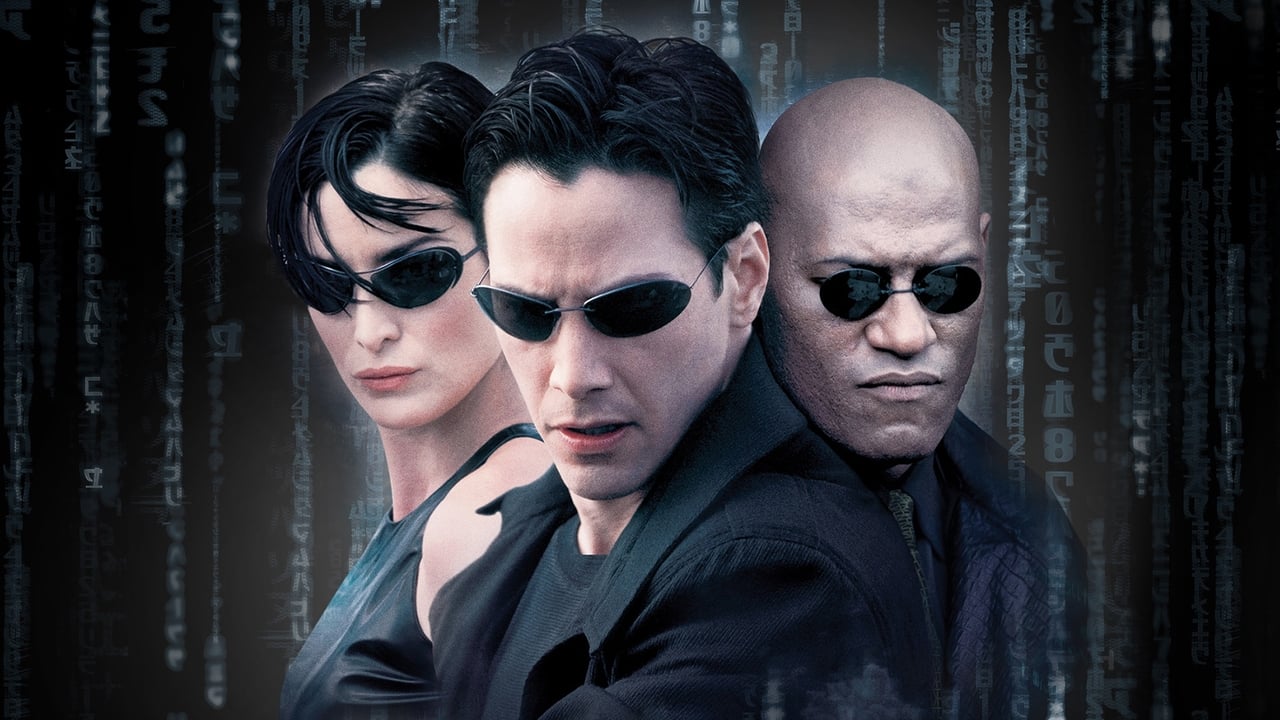
Looking back, it’s hard to overstate how much this film shifted the tectonic plates of cinema. Before The Matrix, action movies were largely about muscle-bound dudes throwing haymakers or Keanu Reeves trying to keep a bus above 50 mph in Speed. After this, every action movie for the next decade looked like it was shot inside a computer's motherboard and featured someone doing a slow-motion backflip while dodging lead.
Green Tint and Leather Trenches
The aesthetic is what hits you first. Cinematographer Bill Pope (who later did incredible work on Spider-Man 2) gave the "real" world a cold, gritty blue and the Matrix a sickly, digital green. It’s a visual shorthand that shouldn’t work as well as it does, but it makes every frame feel deliberate. Then there's the fashion. I’m convinced the late 90s leather coat industry owes its entire existence to this film. Every character looks like they’re about to attend the world’s most intense industrial goth club, yet they carry it with a sincerity that keeps it from looking like a costume party.
Keanu Reeves was born to play Neo. There’s a specific kind of "blank slate" energy he brings that allows us to step into his boots. He isn't a superhero at the start; he’s just a guy who’s tired of his office job and suspects the world is a lie. When he finally starts to "believe," it doesn't feel like a character arc; it feels like an awakening. Beside him, Laurence Fishburne provides the gravitas—his voice alone could sell me a used car, let alone the idea that humanity is being used as Duracell batteries. And let’s be honest: Agent Smith is the most relatable character because he just wants his noisy neighbors to be quiet. Hugo Weaving delivers every line with a rhythmic, mechanical disdain that makes him one of the greatest screen villains of all time.
The Hong Kong Connection
What sets the action apart isn't just the CGI; it’s the physical craft. The Wachowskis famously brought in legendary stunt coordinator Yuen Woo-ping (Crouching Tiger, Hidden Dragon) to train the cast. This wasn't the "shaky cam" chaos we see in modern blockbusters where you can't tell who's hitting whom. This was "Wire-fu"—deliberate, balletic, and incredibly difficult. Keanu Reeves actually underwent neck surgery shortly before training and had to practice his kicks while wearing a neck brace. That level of commitment shows. When Neo and Smith go at it in the subway, you feel the weight of every punch.
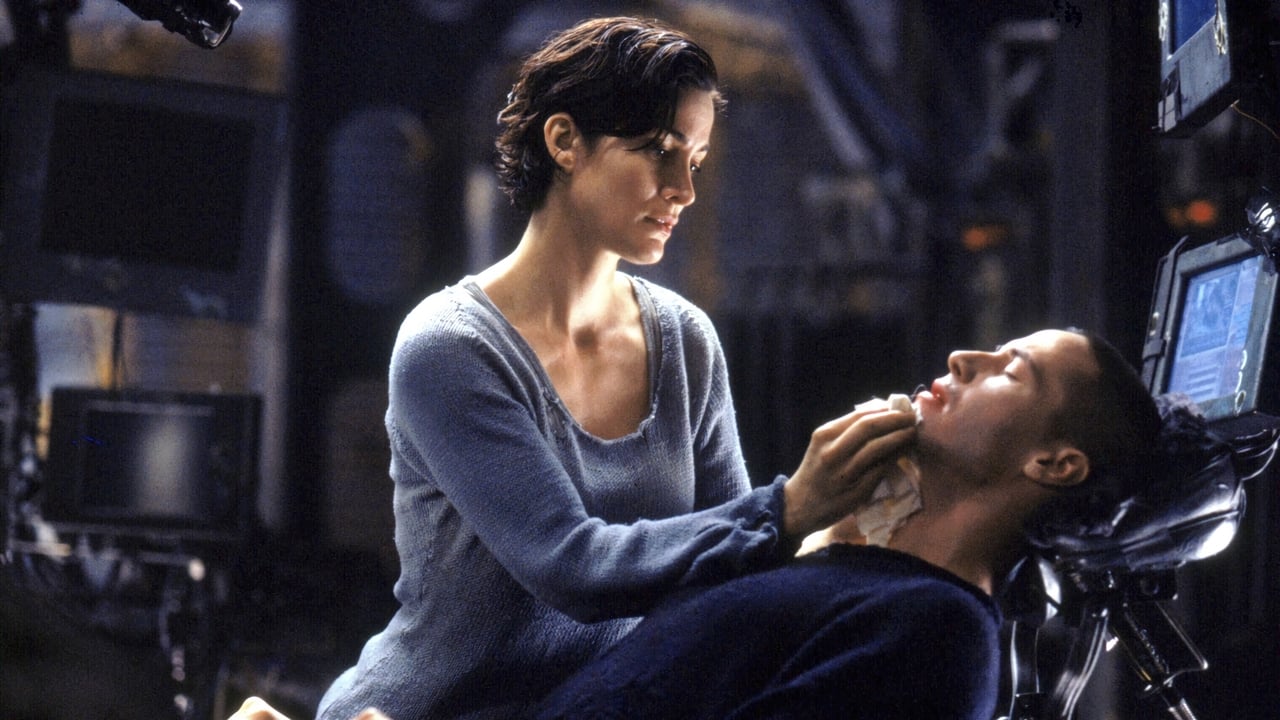
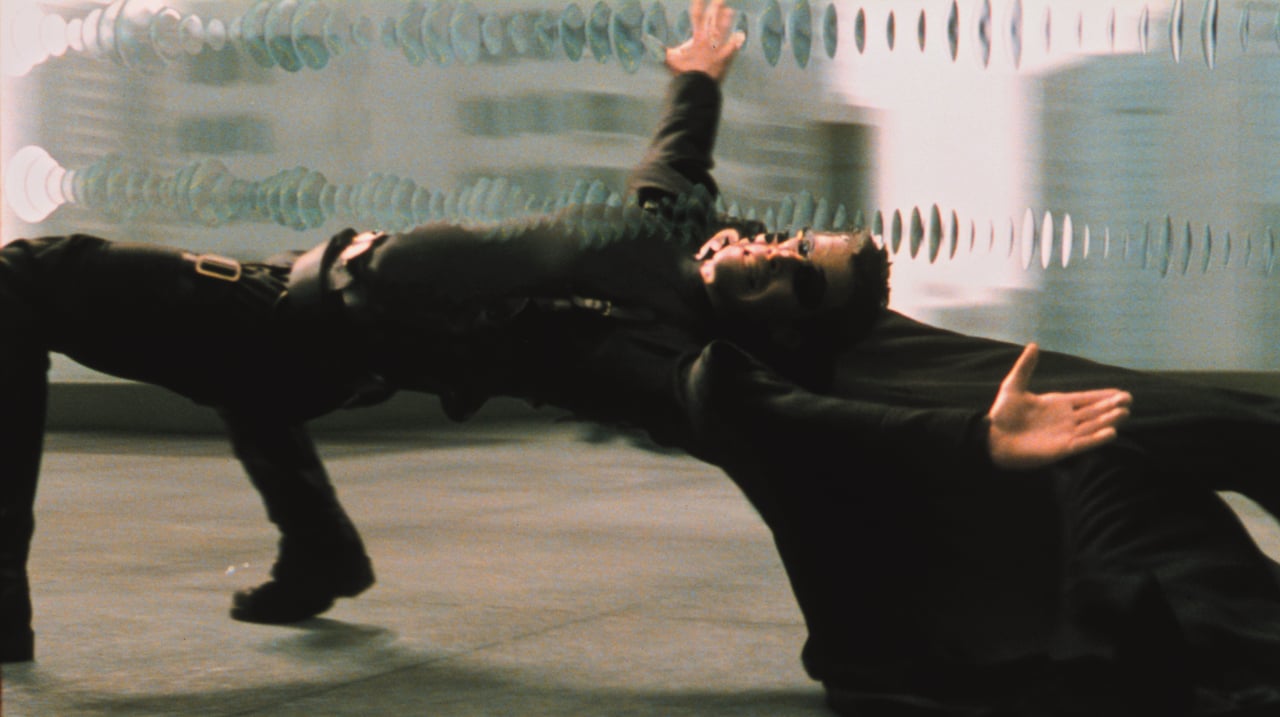
Then there’s "Bullet Time." Nowadays, we’ve seen it parodied in everything from Shrek to insurance commercials, but in 1999, it was a religious experience. The rig required 120 cameras and two motion picture cameras set up on a green screen track, firing in a sequence that made time look like it was melting. It was the moment the analog era of filmmaking shook hands with the digital future.
Binary Code and Big Risks
The production trivia on this one is legendary. Apparently, the Wachowskis wanted $60 million to make the film, but Warner Bros. only gave them $10 million. In a move that took massive guts, they used the entire $10 million to film the opening sequence with Carrie-Anne Moss (who is absolutely electric as Trinity). When the studio saw the footage of her floating in mid-air during that kick, they were so impressed they cut the check for the rest. It’s the ultimate "bet on yourself" story.
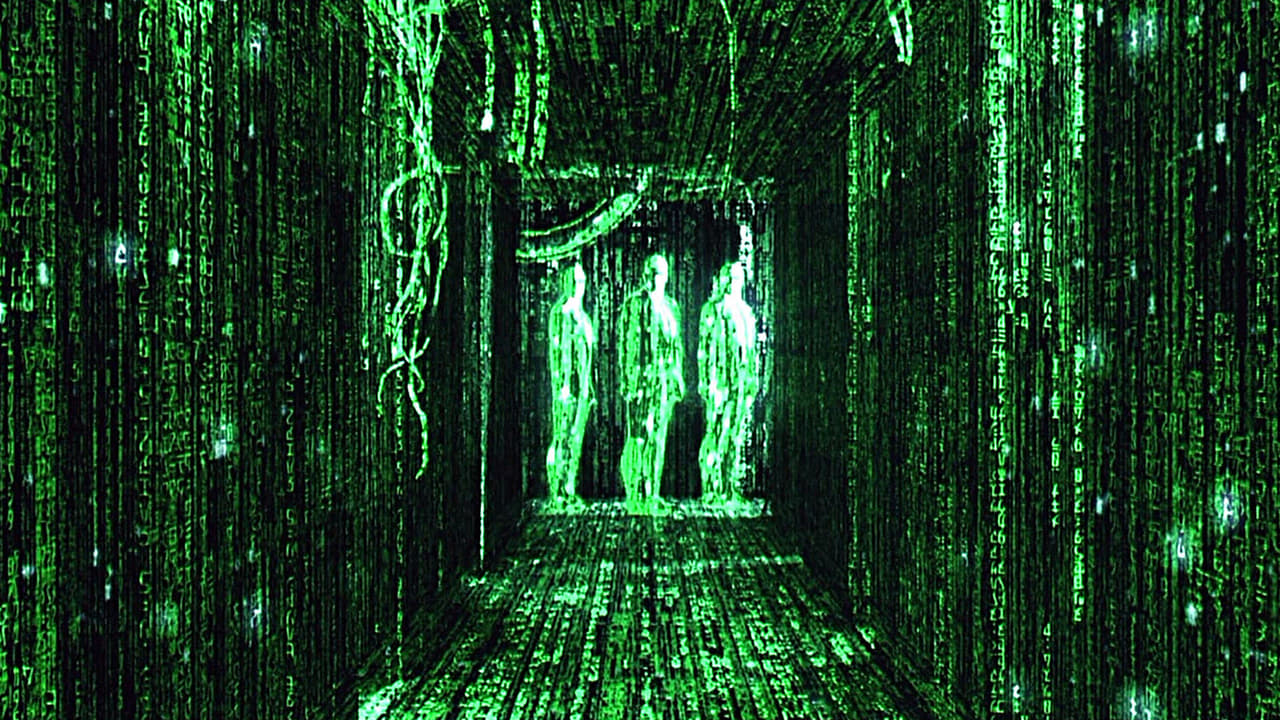
Another fun detail: if you look closely at the "digital rain" of the Matrix code, it isn't just random gibberish. The production designer scanned his wife’s Japanese cookbooks, so the secret of the universe is actually just a bunch of recipes for sushi and ramen. The entire reality of the film is built on a spicy tuna roll.
A Legacy That Won't Quit
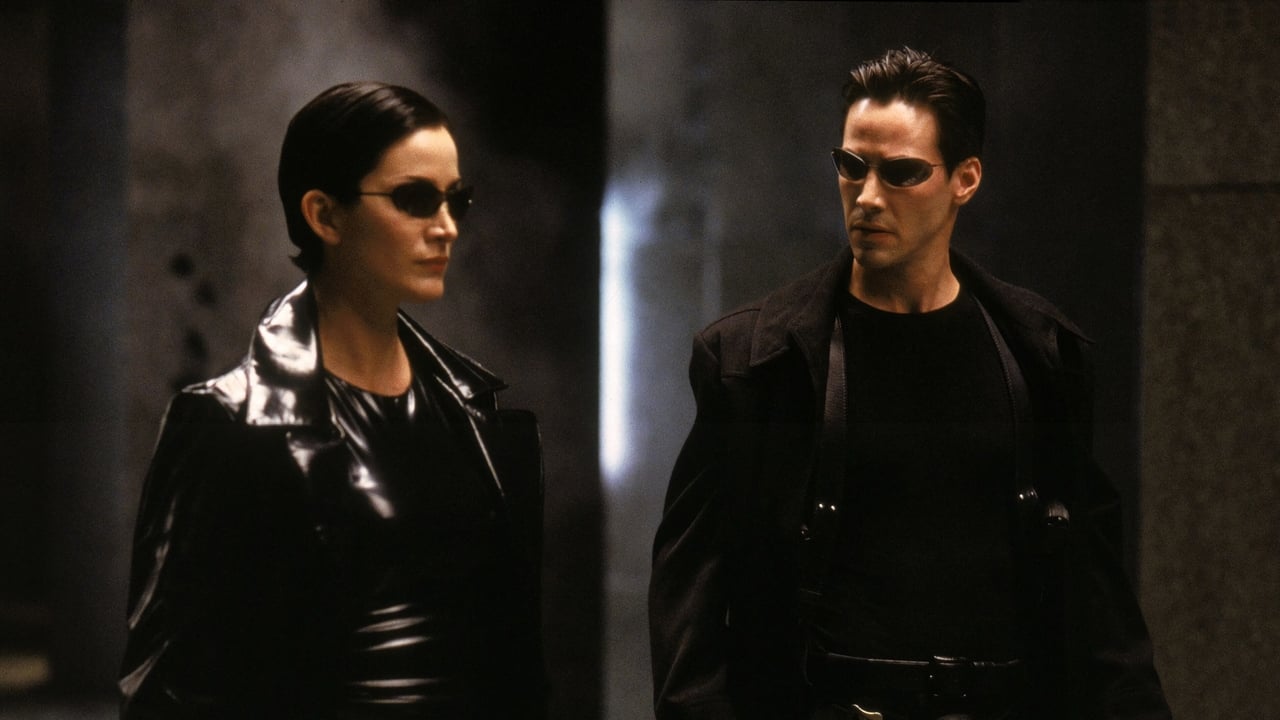
Does it hold up? Absolutely. While some of the early CGI Sentinels look a bit "PlayStation 2" around the edges, the practical sets and the choreography are timeless. It captures a very specific Y2K anxiety—the fear that technology was outstripping our humanity—while also being a kick-ass martial arts flick. It’s a rare blockbuster that treats its audience like they have a brain, weaving in philosophy from Plato and Baudrillard between explosions.
The film also kickstarted the DVD revolution. It was the first title to sell a million copies on the format, and the special features—like the "Follow the White Rabbit" making-of segments—turned a generation of us into amateur film historians. It wasn't just a movie you watched; it was a world you studied.
Even twenty-five years later, The Matrix still feels like a dare. It dares you to look closer, to question what you're seeing, and to wonder if you could actually pull off a floor-length leather trench coat (spoiler: you can't). It’s the high-water mark of 90s ambition, a film that took every risk and landed every jump. It’s the red pill of action cinema, and I’d take it again every single time.
Keep Exploring...
-

The Matrix Reloaded
2003
-
The Matrix Revolutions
2003
-
The Matrix Resurrections
2021
-
Minority Report
2002
-
Spider-Man
2002
-
Spider-Man 2
2004
-

V for Vendetta
2006
-
Star Trek: First Contact
1996
-
Cloud Atlas
2012
-
Total Recall
1990
-
Terminator 2: Judgment Day
1991
-

Star Wars: Episode III - Revenge of the Sith
2005
-
Iron Man
2008
-
Avatar
2009
-
Inception
2010
-
Rise of the Planet of the Apes
2011
-

The Avengers
2012
-
The Hunger Games: Catching Fire
2013
-
Captain America: The Winter Soldier
2014
-
Dawn of the Planet of the Apes
2014