The Messenger: The Story of Joan of Arc
"A holy war fought through a dirty lens."
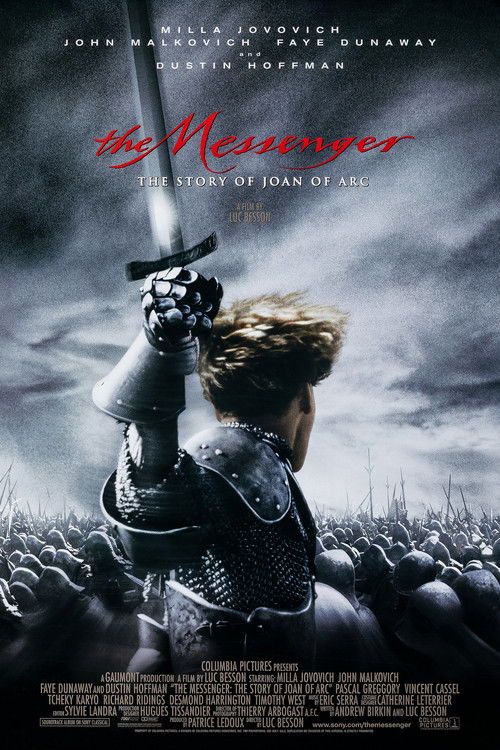
If you walked into a multiplex in late 1999, you were likely there to see a certain galaxy far, far away or perhaps a group of kids getting lost in the Maryland woods with a shaky cam. But tucked away in the corner was Luc Besson’s massive, $85 million gamble on the most famous teenager in French history. I watched this again recently while picking the cold, congealed cheese off a leftover slice of pepperoni pizza, and honestly, the grease on my thumbs felt like the perfect tactile accompaniment to the mud and grime Besson slathers across the screen.
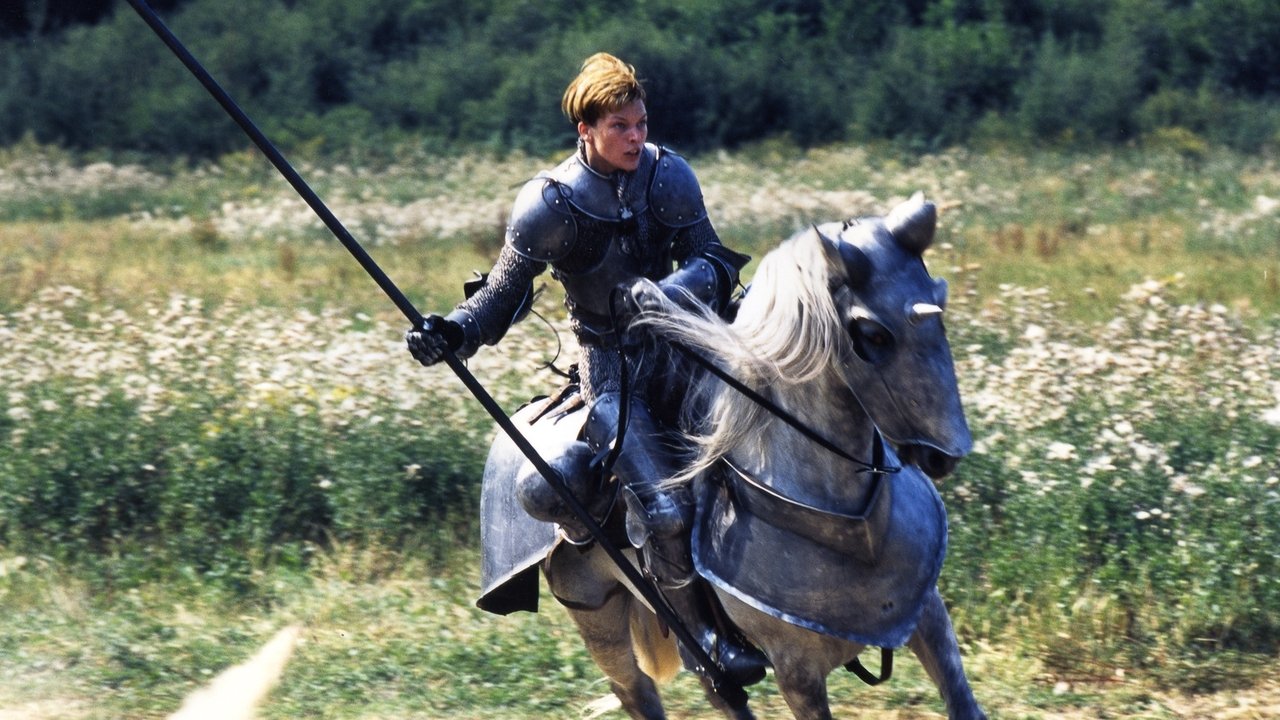
This isn't your grandmother’s stained-glass window version of Joan. The Messenger: The Story of Joan of Arc is a screaming, bleeding, hyper-active fever dream that feels less like a hagiography and more like a psychological breakdown set during a riot. It was a massive financial dud upon arrival, but looking back through the rearview mirror of the "Modern Cinema" era, it’s a fascinating bridge between the gritty practical epics of the 90s and the digital spectacles that were about to take over.
The Grime, The Gore, and The Gallop
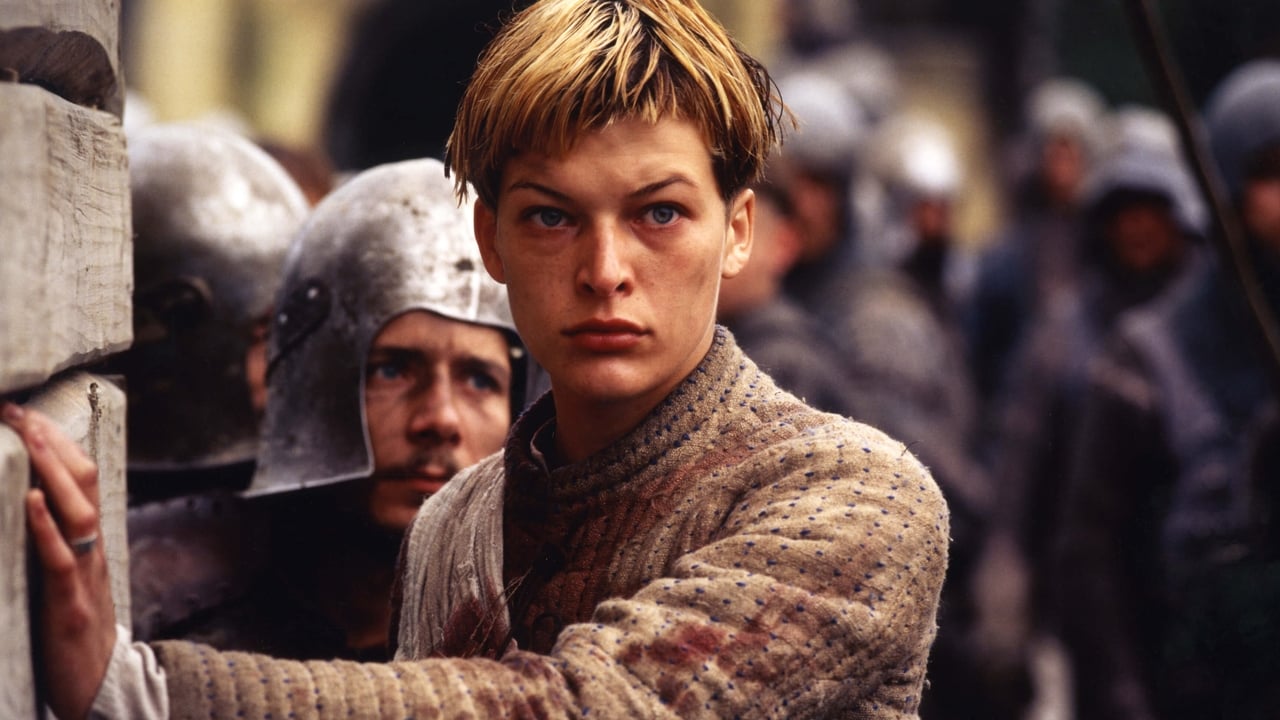
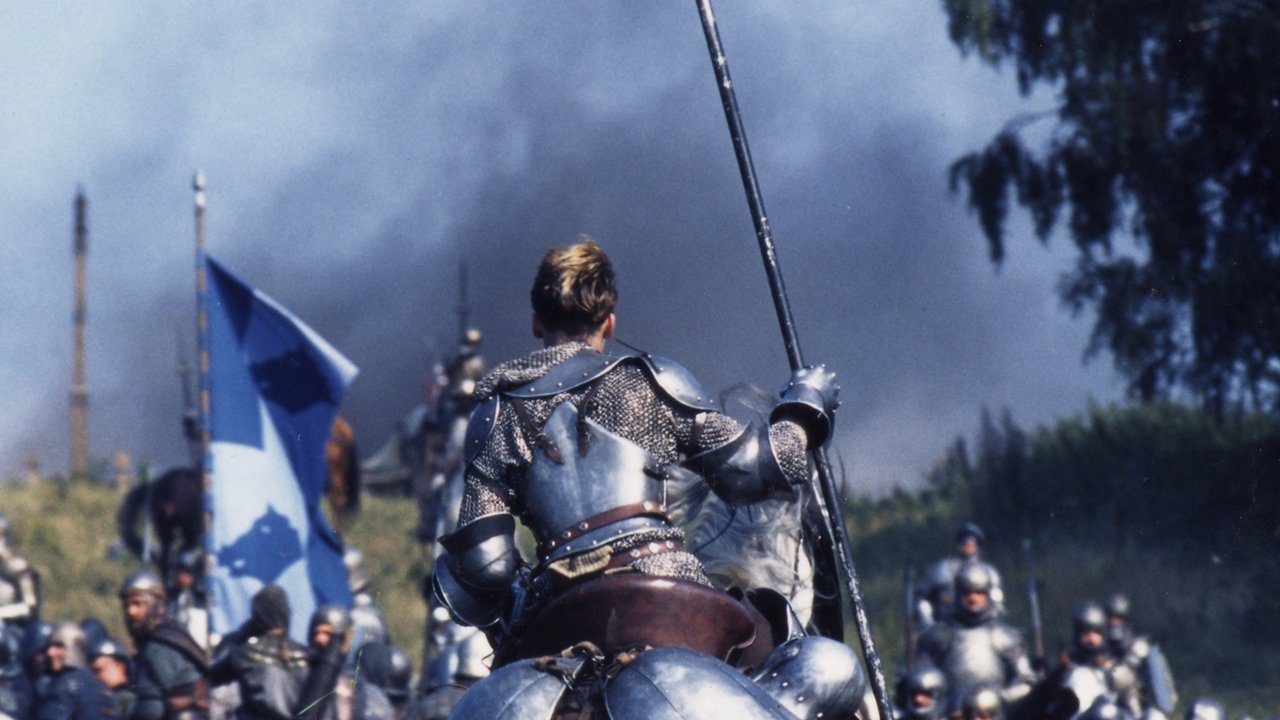
The first thing you notice is the noise. Before the industry settled into the polished, orchestral swell of the Lord of the Rings era, Besson was experimenting with a jagged, percussive style of warfare. The Siege of Orléans is the film's centerpiece, and it’s a masterclass in chaotic geography. Most directors of that era, following the Braveheart blueprint, wanted to show you the "grandeur" of battle. Besson, working with his longtime cinematographer Thierry Arbogast (The Fifth Element, Léon: The Professional), wants you to smell the horse sweat.
The action choreography is frantic. People don’t just die; they get obliterated by falling masonry and hacked apart by actors who look like they haven’t seen a bathtub since the 1300s. There’s a specific sequence involving a giant rolling siege tower that still puts most modern CGI constructs to shame. It has weight. It creaks. When it crashes, you feel the vibrations in your teeth. This was the peak of the French "Cinema du Look" sensibility crashing head-first into a Hollywood budget, and the result is a war movie that moves with the jittery energy of a techno track. The practical stunts are genuinely terrifying, likely because safety standards in 1999 still felt like polite suggestions.
A Saint in a State of Emergency
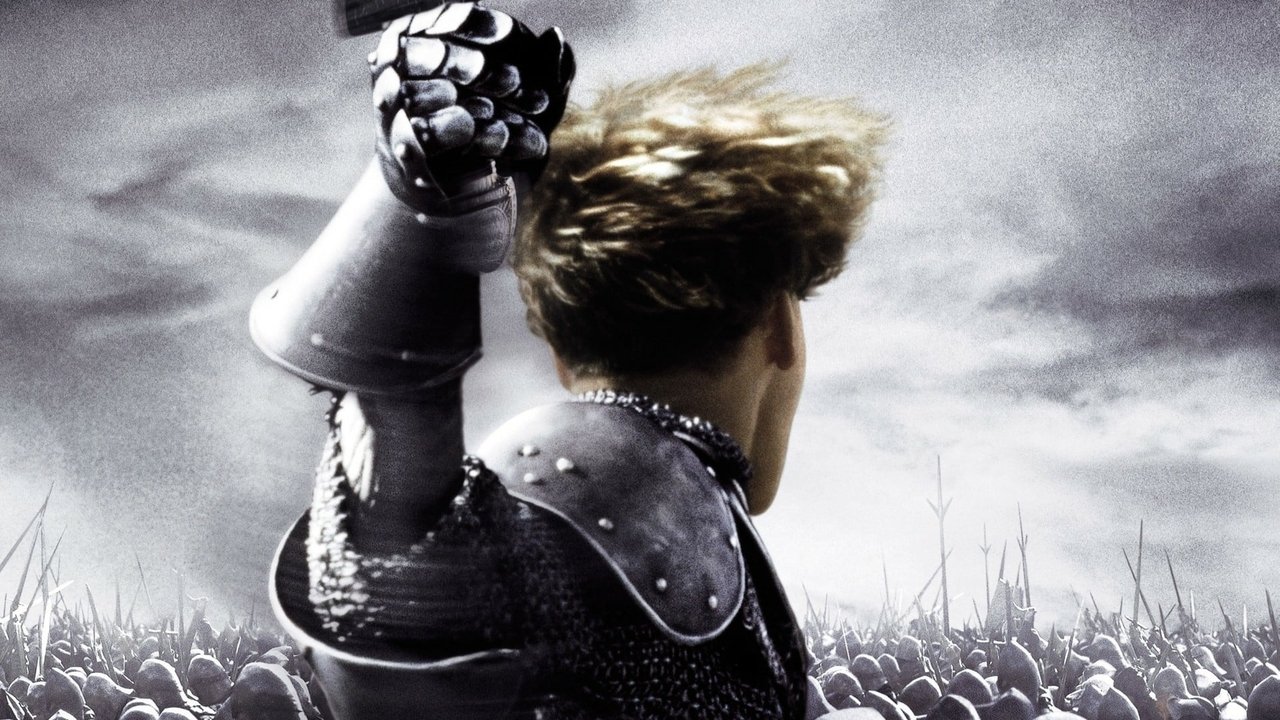
Then there’s Milla Jovovich. At the time, she was Besson’s wife and muse, and the critics were absolutely merciless toward her performance. They called it "shrill" and "over-the-top." Looking at it now, I think she was just ahead of the curve. Milla Jovovich plays the Maid of Orléans like a teenager who just had her Discman stolen and decided to take it out on the English army. She isn't a serene vessel for the divine; she’s a traumatized girl with a bowl cut who is visibly vibrating with religious mania.
She’s surrounded by a cast that seems to be in four different movies at once, yet somehow it works. John Malkovich (Being John Malkovich) plays Charles VII with a weary, sniveling detachment that is peak Malkovich. He plays the King of France like a man who’s perpetually annoyed that his silk sheets haven’t been ironed. On the other end of the spectrum, you have Vincent Cassel (La Haine) as Gilles de Rais, bringing a dangerous, feral energy to the camp.
But the real "what-is-happening" moment comes in the final act when Dustin Hoffman shows up as "The Conscience." This is where the movie pivots from a war epic to a psychological indie film. Hoffman, draped in a dark cloak, basically gaslights Joan into questioning her own miracles. It’s a bold, bizarre choice for a summer blockbuster, and it's probably why the movie vanished from the cultural conversation. It refused to give the audience the easy "rah-rah" ending they expected from a medieval action flick.
Why It Fell Into the Orléans Mud
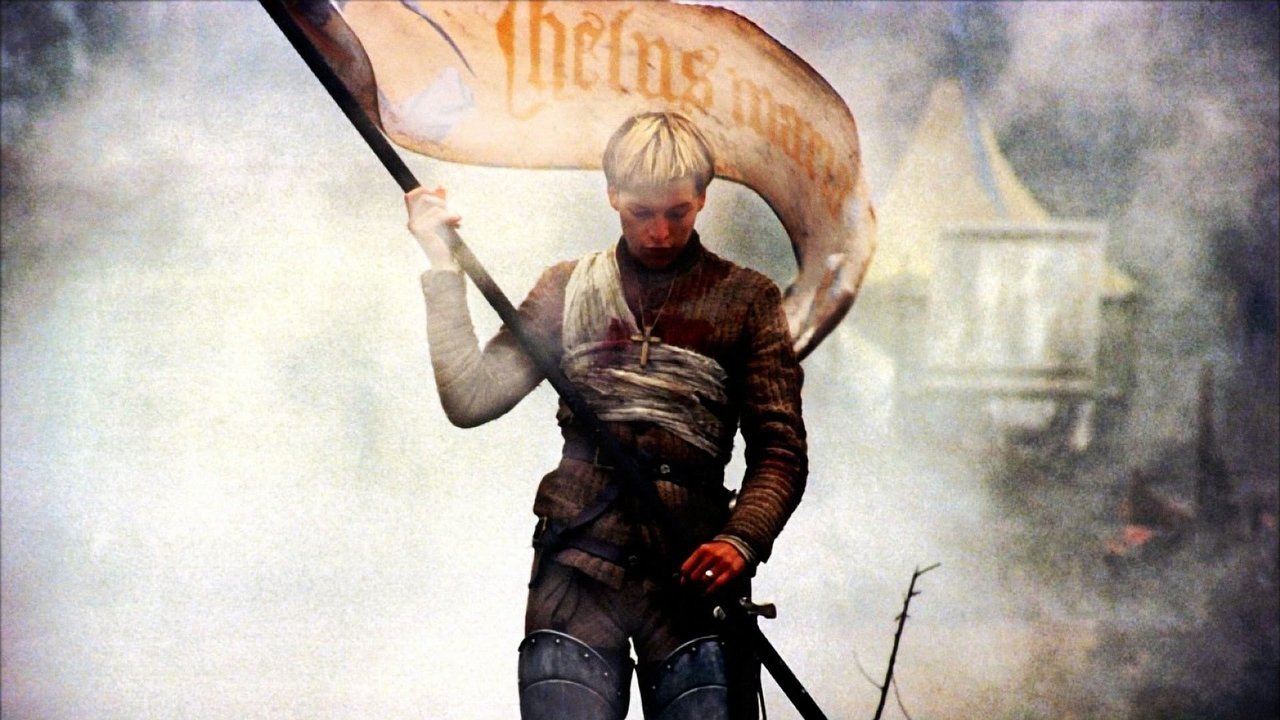
So, why don't we talk about this movie anymore? It’s a combination of bad timing and a confused identity. Released the same year as The Matrix, it felt like an old-school dinosaur trying to dance to a new beat. It was too weird for the people who wanted a traditional history lesson and too "historical" for the kids who wanted bullet time.
The production was also plagued by tragedy; a stuntman was killed during the filming of a battle scene in the Czech Republic, an event that reportedly devastated Besson and cast a shadow over the set. You can feel that darkness in the final cut. It’s not a "fun" movie, but it is a singular one. This was one of the last hurrahs for the mid-budget (well, high-budget for the time) practical epic before everything became a green-screen blur. The DVD release was a staple of early home theater setups—mostly because the sound design of the arrows whistling through the air was a perfect way to show off your new surround sound speakers.
Ultimately, The Messenger is a beautiful, bloated wreck of a movie. It’s the kind of film that could only have been made in that weird transition period of the late 90s, where directors had enough money to be indulgent but not enough CGI to be lazy. It’s loud, it’s messy, and it’s occasionally annoying, but I’d take its frantic ambition over a sanitized, modern streaming "content" epic any day of the week.
If you’re looking for a historical movie that feels like a two-hour panic attack punctuated by some of the best siege footage ever filmed, this is your stop. It doesn't ask you to worship Joan; it asks you to wonder if she was just as confused as the rest of us. It’s a fascinating, grime-streaked relic that deserves to be pulled out of the vault, if only to marvel at Dustin Hoffman arguing with a teenage girl about the logistics of a miracle. Just make sure you have some pizza handy—it helps with the atmosphere.
Keep Exploring...
-

Alexander
2004
-
King Arthur
2004
-
1492: Conquest of Paradise
1992
-
Red Cliff
2008
-
The Extraordinary Adventures of Adèle Blanc-Sec
2010
-
The Patriot
2000
-
Brotherhood of the Wolf
2001
-
Defiance
2008
-
Kingdom of Heaven
2005
-

Arthur and the Revenge of Maltazard
2009
-

Arthur 3: The War of the Two Worlds
2010
-
Maverick
1994
-
Wyatt Earp
1994
-
Crimson Tide
1995
-
First Knight
1995
-
Executive Decision
1996
-

The 13th Warrior
1999
-
U-571
2000
-
K-19: The Widowmaker
2002
-
Cold Mountain
2003