The Ninth Gate
"The Devil is in the binding."

There is a specific sound I associate with 1999 that has nothing to do with the "party like it’s" anthem or the screech of a 56k modem. It’s the dry, raspy crinkle of a 17th-century parchment page being turned by a man who hasn't slept in three days. I first watched The Ninth Gate on a scratched-up DVD in a basement apartment that smelled faintly of damp cardboard, and honestly, the drafty room only made the experience better. It’s a movie that feels like it should be watched in a place that needs a good dusting.
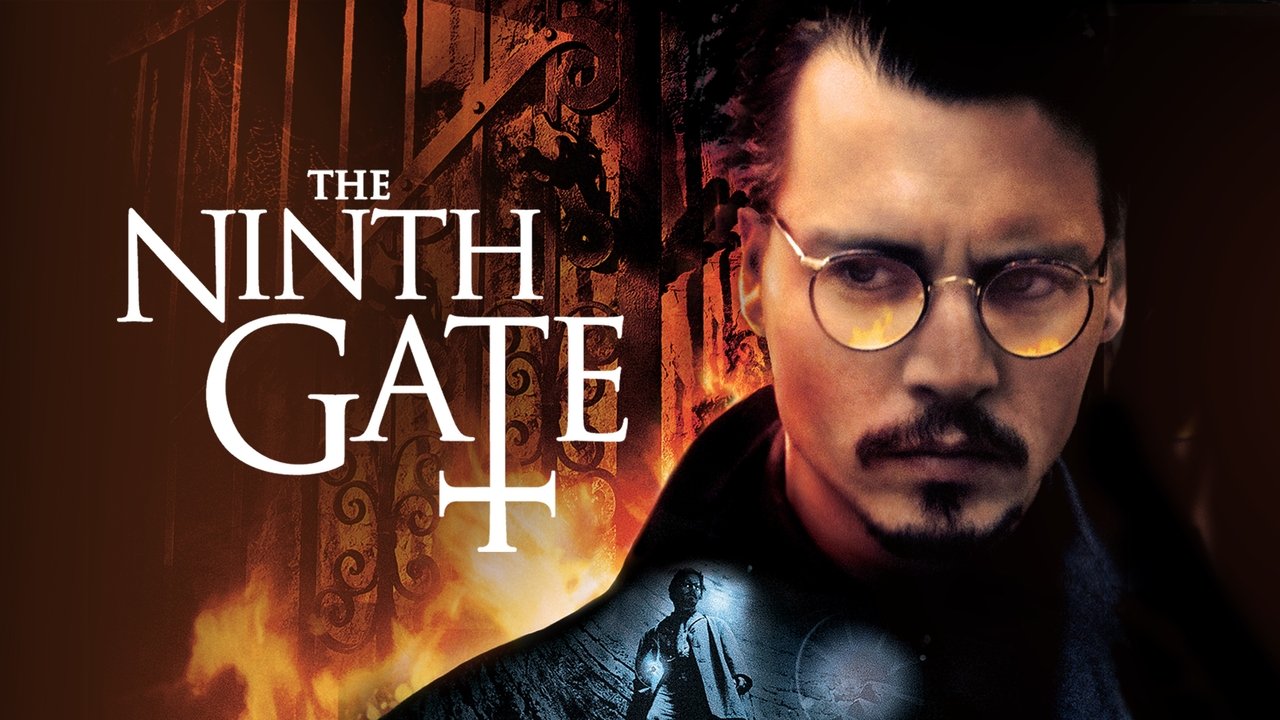
Coming out at the tail end of the millennium, Roman Polanski’s occult thriller felt like a deliberate middle finger to the burgeoning CGI revolution. While The Matrix was busy rewriting the rules of reality with digital code, The Ninth Gate was obsessed with the analog: wood-block prints, ink stains, and the heavy thud of leather-bound grimoires. It’s a "slow-burn" in the truest sense—the kind where you can almost smell the cigarette smoke and old paper wafting off the screen.
A Mercenary of the Library
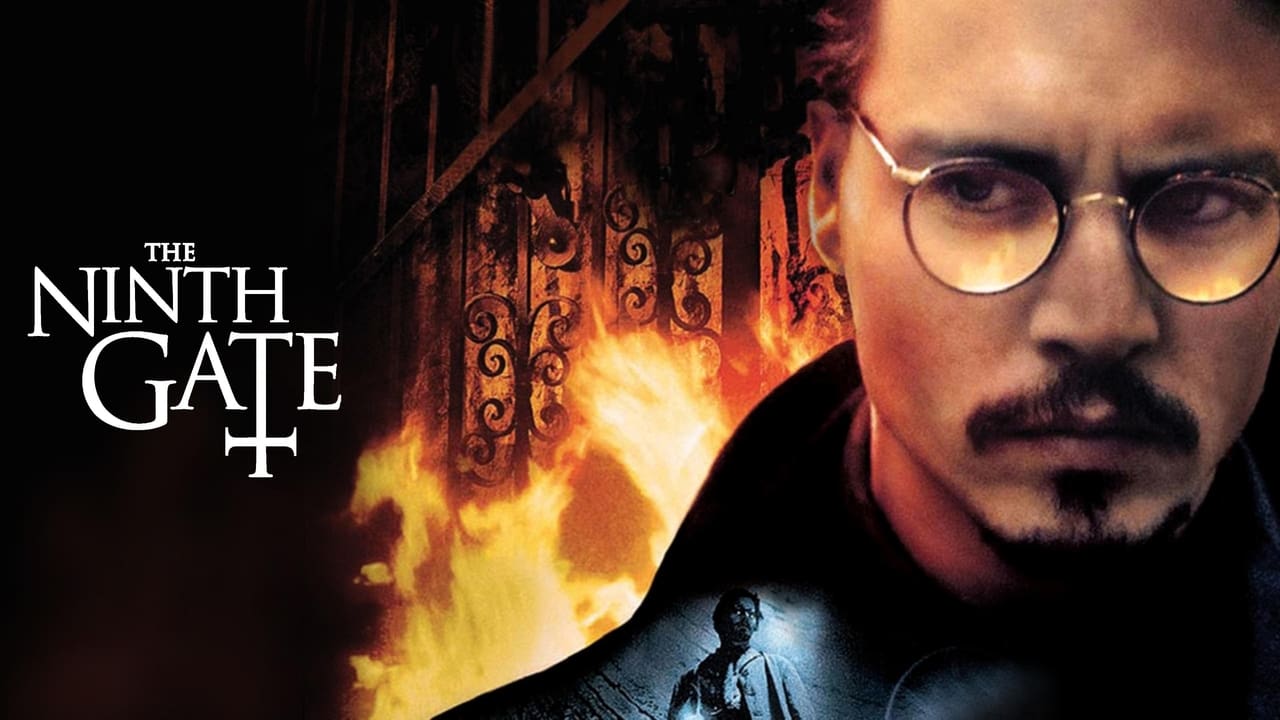
Johnny Depp plays Dean Corso, and looking back, this might be my favorite version of him. This is pre-Captain Jack, pre-caricature Depp. He’s playing a "book detective," a cynical, soul-less mercenary who doesn't care about the content of a book, only its provenance and its price tag. He wears a beat-up canvas bag like a shield and smokes like the tobacco industry is going out of business tomorrow.
Corso is hired by Boris Balkan—played by Frank Langella, who treats the scenery like a five-course meal he’s been waiting all day to eat—to authenticate a legendary book called The Nine Gates of the Kingdom of Shadows. Legend says the Devil himself co-authored it, and only three copies survived the Inquisition. Balkan has one; he needs Corso to find the other two and figure out which one is the "real" one. What follows isn't a series of jump scares, but a creeping, European travelogue of dread.
The Art of the Atmosphere
What strikes me now, twenty-five years later, is how much the film relies on geography and sound to build its horror. Darius Khondji, the cinematographer who gave Seven its oily, oppressive look, bathes this movie in ambers, deep shadows, and the golden light of old libraries. There’s a scene where Corso visits a private collection in a crumbling mansion owned by Victor Fargas (Jack Taylor), and the silence is so heavy it feels like a character.
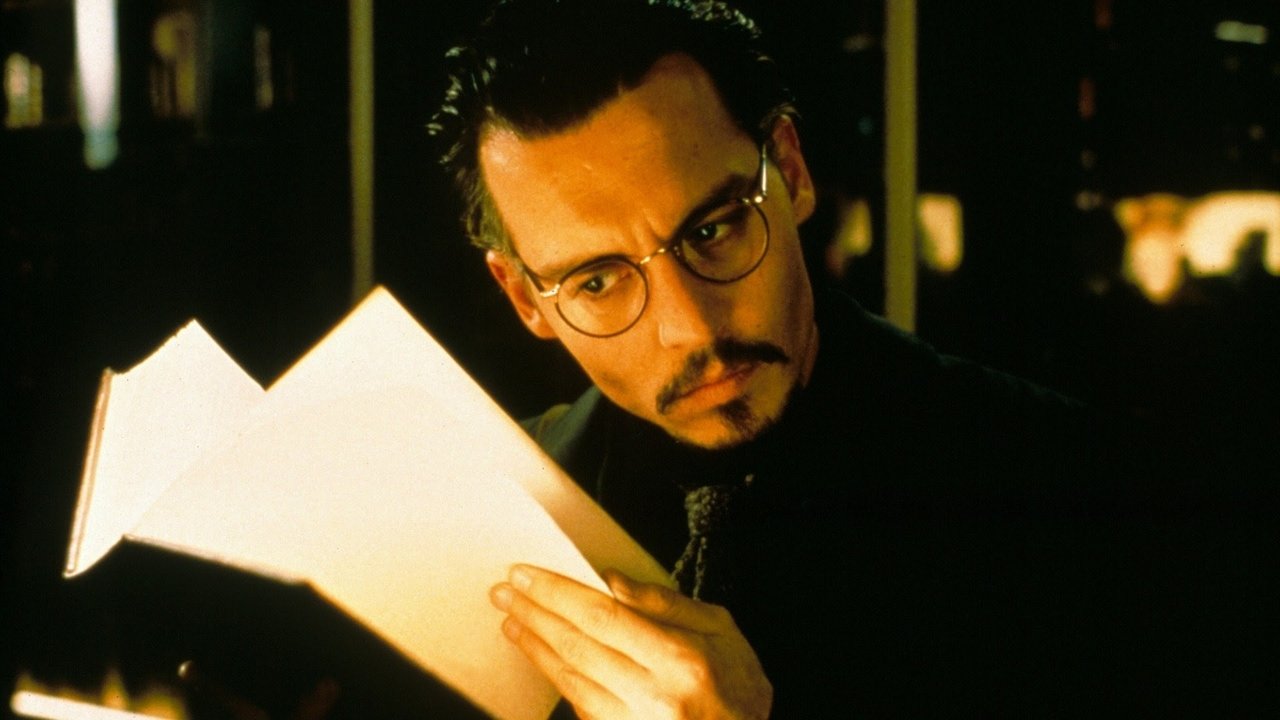
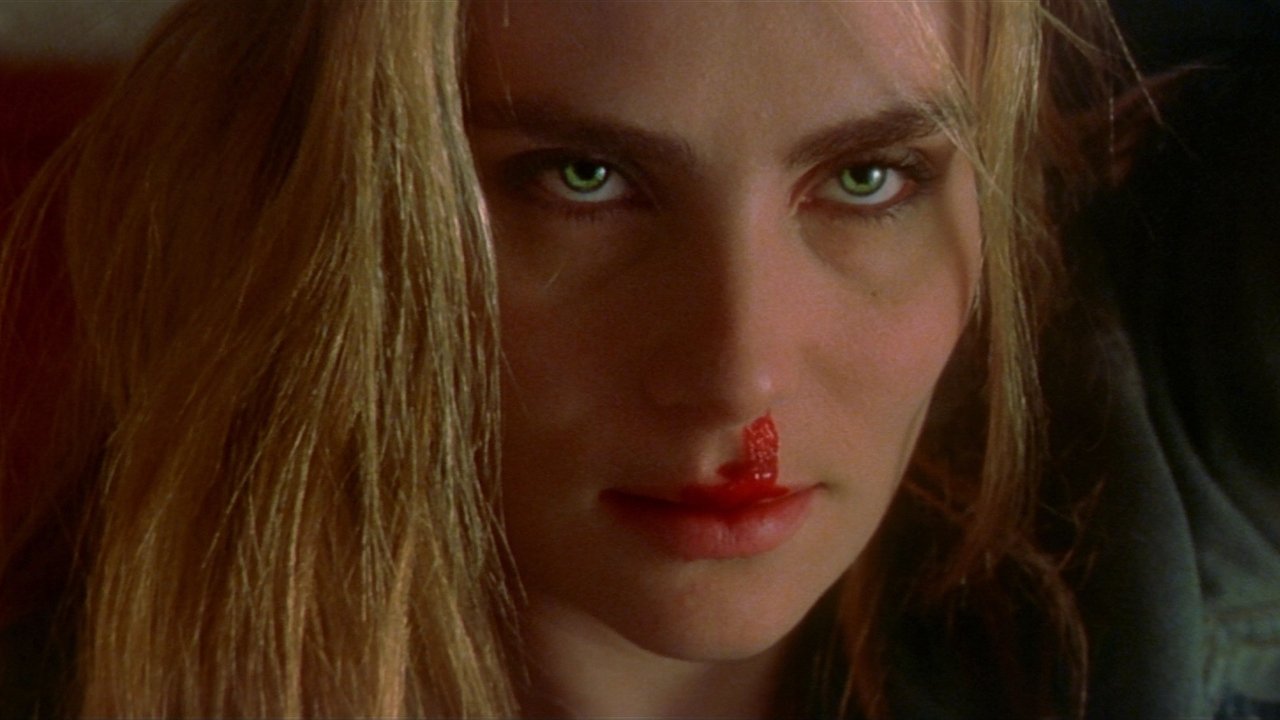
The horror here isn't about monsters jumping out of closets; it’s about the realization that you’re being followed by something that doesn't obey the rules of physics. Emmanuelle Seigner (Polanski’s wife) plays "The Girl," a mysterious figure who shadows Corso and occasionally defies gravity in a pair of beat-up sneakers. The score by Wojciech Kilar is the secret weapon here. It’s a playful, haunting waltz that makes the search for the Devil feel like a dark comedy. It’s catchy, creepy, and utterly unique—much like the film itself.
Stuff You Might Have Missed
The production of The Ninth Gate is just as strange as the plot. For starters, Johnny Depp actually met Vanessa Paradis in the lobby of the Hotel Costes in Paris while he was filming this, kicking off one of the most famous celebrity relationships of the 2000s.
If you’re a fan of the source material, Arturo Pérez-Reverte's novel The Club Dumas, you’ll notice Polanski stripped out an entire subplot about Alexandre Dumas just to focus on the Satanic bibliophilia. And those nine woodcut illustrations in the film? They were meticulously designed for the production, and if you pay close attention, the "LC" signature on the "forged" prints stands for Lucifer—but you probably guessed that.
One of my favorite bits of trivia is that Frank Langella was so obsessed with his character’s library that he actually started collecting rare books himself after filming. Also, keep an eye on the Baroness Kessler, played by Barbara Jefford. The way she dismisses Corso while sitting in a motorized wheelchair in a room full of forbidden lore is the peak of "gatekeeper" energy.
The Y2K Occult Hangover
Reassessing this film in the era of high-speed streaming is a trip. It captures that late-90s anxiety where we were all looking toward a digital future but remained terrified of the ancient past. The "horror" elements in the final act involve some early CGI fire that, if I’m being honest, looks like it was rendered on a toaster, but it doesn't break the spell. The movie is less about the destination and more about the tactile joy of the hunt.
It’s a cult classic because it doesn't try to please everyone. It’s a movie for people who like rain, old buildings, and the idea that the most dangerous thing in the world might be hiding on a dusty shelf in a backroom in Portugal. It’s a "cozy horror" film, if such a thing exists. I watched this most recently while wearing a pair of wool socks with a hole in the toe, and the draft on my foot somehow added to the European chill of the castle scenes.
In the end, The Ninth Gate is a reminder that the most effective thrillers don't need a high body count or a twist every ten minutes. Sometimes, all you need is a cynical man in a rumpled suit, a beautiful stranger with glowing eyes, and a book that should have stayed buried. It’s atmospheric, slightly pretentious, and deeply entertaining—a perfect way to kill two hours when you’re feeling a little bit wicked.
Keep Exploring...
-
From Hell
2001
-
The Ghost Writer
2010
-
Sleepy Hollow
1999
-
Secret Window
2004
-
Ghost Ship
2002
-
House of Wax
2005
-
The Skeleton Key
2005
-
Pandorum
2009
-
Devil
2010
-
I Know What You Did Last Summer
1997
-

Stir of Echoes
1999
-

The Gift
2000
-
Gothika
2003
-
The Grudge
2004
-
Case 39
2009
-

Red Riding Hood
2011
-
Transcendence
2014
-
What Lies Beneath
2000
-
From Dusk Till Dawn
1996
-
8MM
1999