The Sixth Sense
"The silence speaks louder than the screams."
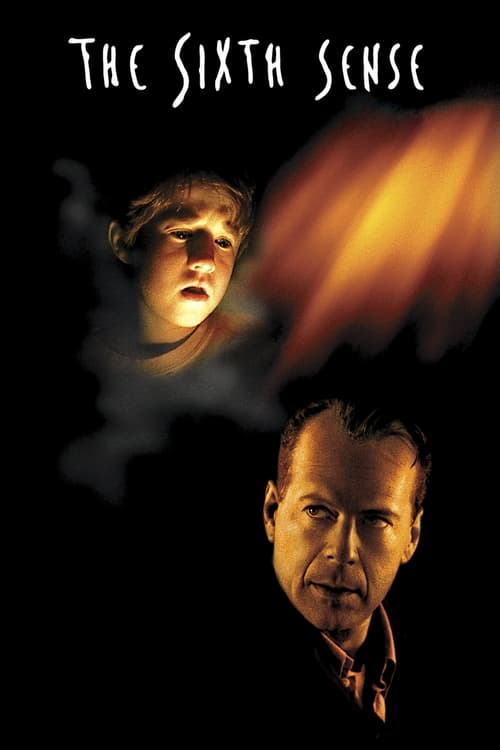
The most famous line in modern cinema is usually misquoted, but the most famous twist in history remains perfectly intact. In the late summer of 1999, M. Night Shyamalan didn’t just deliver a ghost story; he turned every moviegoer in America into an amateur sleuth, forcing us to re-evaluate every frame the moment the credits rolled. Yet, looking back from a quarter-century’s distance, the "gotcha" moment feels like the least interesting thing about it. What lingers isn't the shock, but the profound, suffocating sense of grief that permeates every scene like a damp Philadelphia winter.
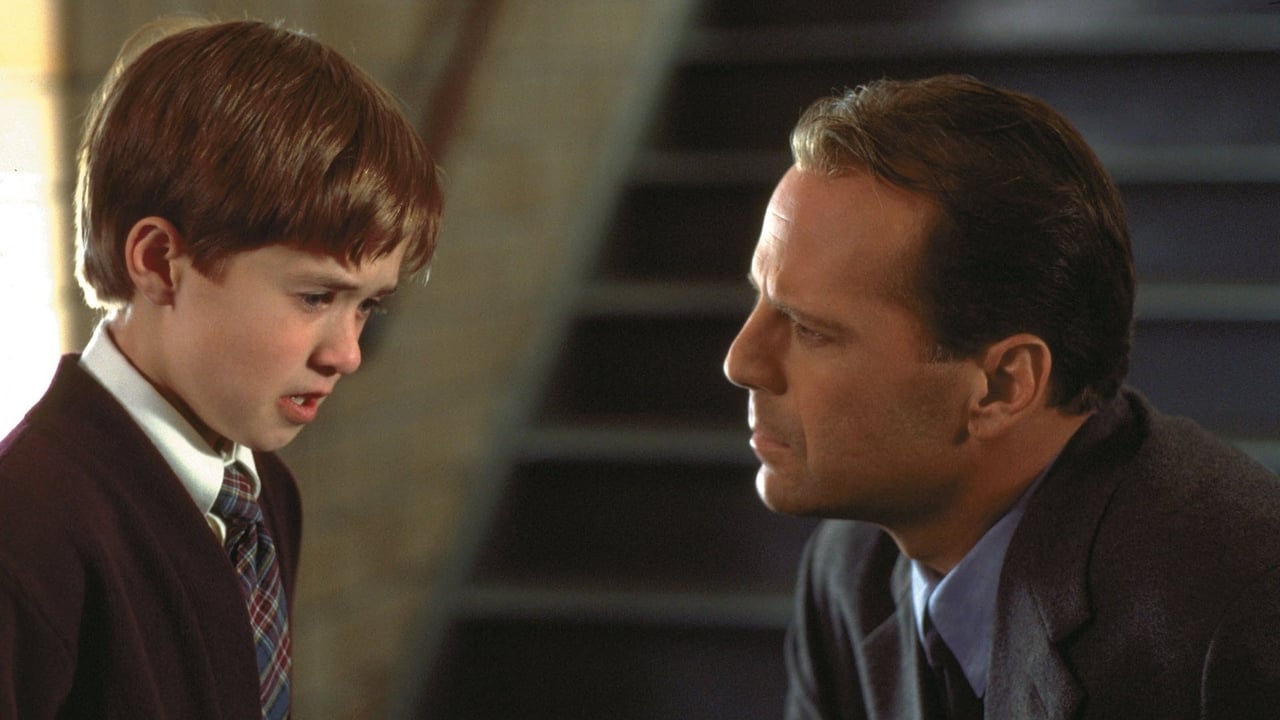
I watched this recently while sitting on a slightly damp sofa with a plate of lukewarm pierogies, and I was struck by how much the film relies on silence. In an era where we expect supernatural thrillers to be punctuated by digital jump-scares and roaring sound design, this film operates with a surgical, analog patience. It’s a drama that just happens to have dead people in it.
The Anatomy of a Quiet Masterpiece
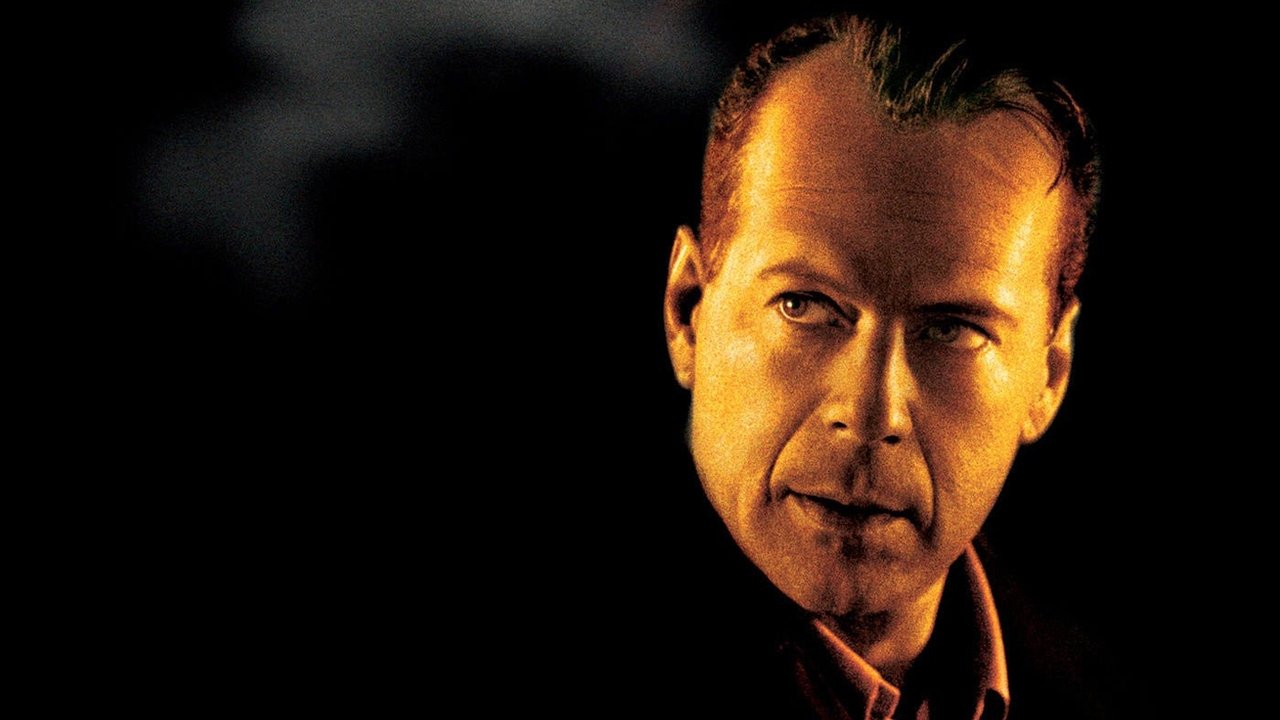
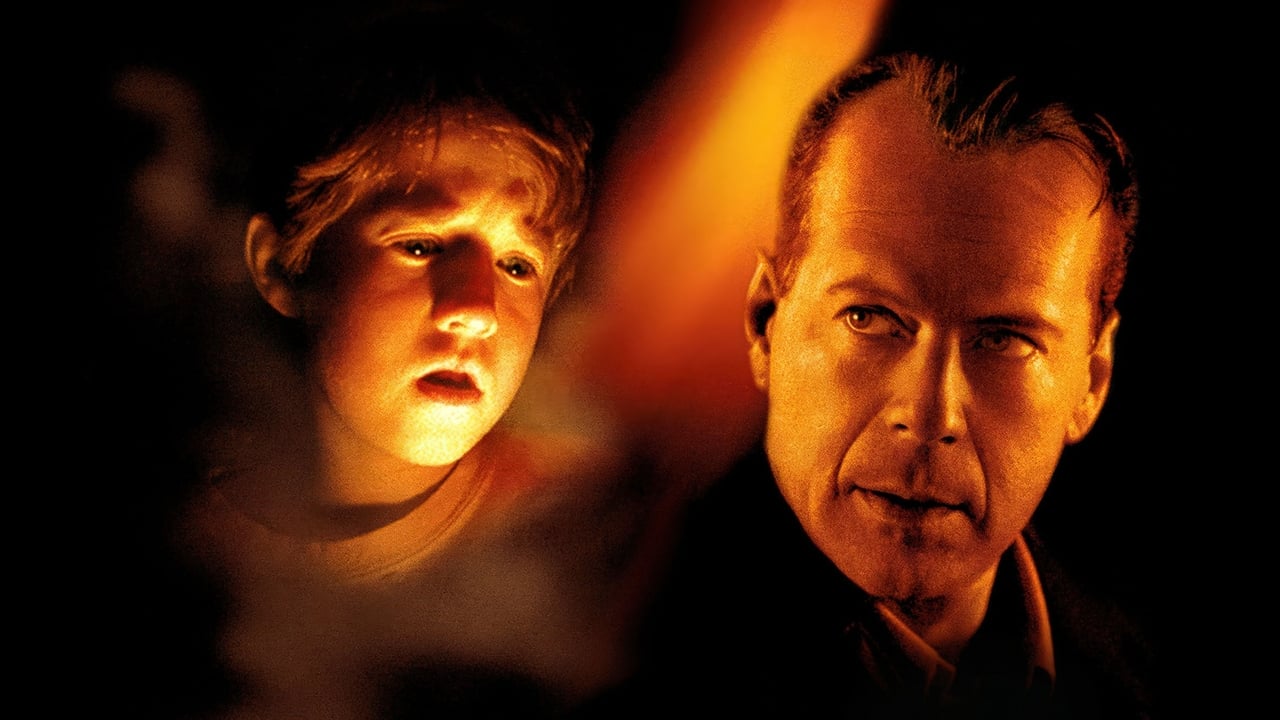
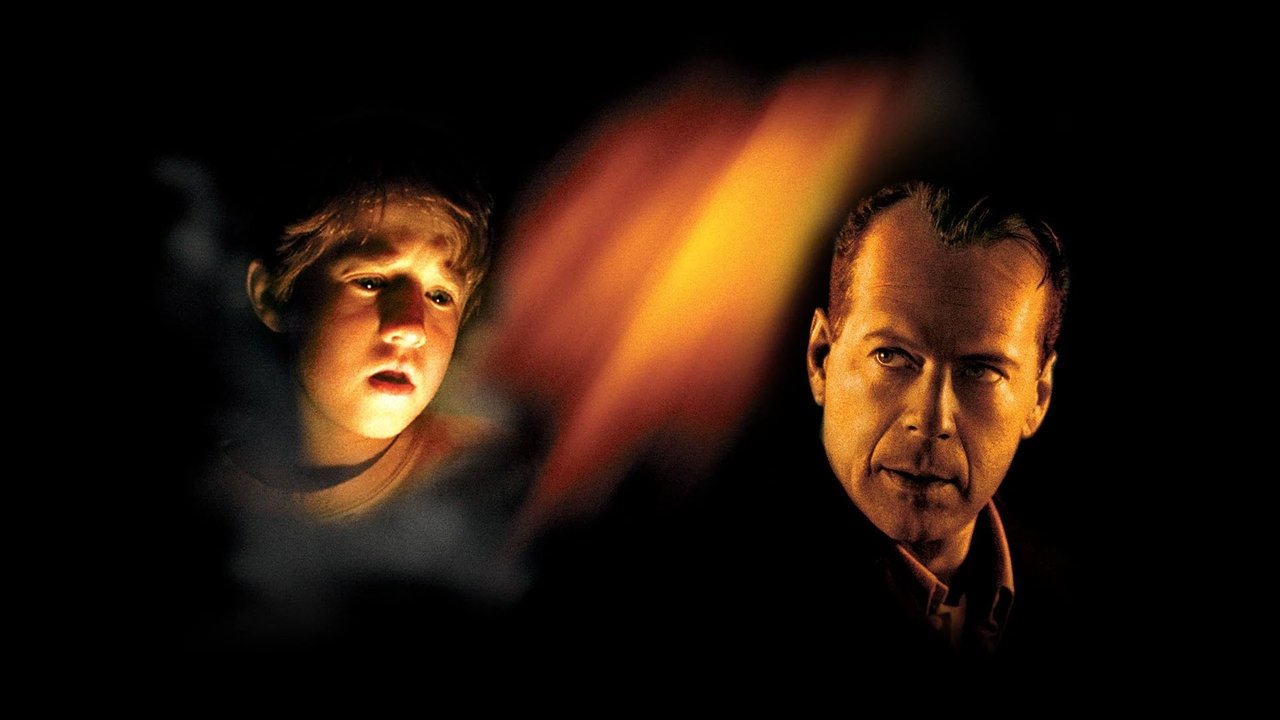
At the heart of the film is a performance that remains one of the most miraculous feats of casting in history. Haley Joel Osment doesn't act like a "movie kid." As Cole Sear, he carries the physical weight of a middle-aged man who has seen too many car accidents. His chemistry with Bruce Willis is built on whispers and wary glances. For Willis, this was a massive pivot. We were used to him smirking through explosions, but here, he is stripped of his "Die Hard" invincibility. He plays Malcolm Crowe with a fragile, hushed stillness that makes you realize Willis’s performance here is proof he was always better at being a human being than a superhero.
Then there is Toni Collette. While the world was obsessing over the ending, I found myself increasingly devastated by her portrayal of Lynn Sear. She captures the specific, frantic exhaustion of a single mother who knows something is fundamentally wrong with her child but lacks the vocabulary to fix it. The kitchen scene where she discovers the cupboards are all open—the look of pure, domestic terror on her face—is more frightening than any of the actual specters. It’s a reminder that the film’s "prestige" status wasn't just marketing fluff; it was earned through raw, domestic stakes.
The Era of the DVD Sleuth

The Sixth Sense arrived at a fascinating crossroads in film history. It was one of the last great "word-of-mouth" phenomena before social media could spoil a plot point within thirty seconds of a premiere. It also became a cornerstone of early DVD culture. I remember people buying the disc specifically to use the frame-by-frame feature, hunting for the color red—a visual cue used by Shyamalan and cinematographer Tak Fujimoto to signal whenever the world of the living was being tainted by the world of the dead.
The film also captures a specific pre-Y2K anxiety. There’s a coldness to the 1999 Philadelphia setting, a sense that the institutions meant to protect us—medicine, psychology, even the family unit—are failing. It’s a movie about the breakdown of communication. Malcolm can’t talk to his wife; Cole can’t talk to his peers; the ghosts can’t talk to anyone until they find a medium. It’s a grim, heavy landscape, lightened only by the hope that acknowledging the truth might finally bring peace.
Behind the Curtains of a Phenomenon
The film was a juggernaut that blurred the lines between summer blockbuster and Oscar darling. It eventually earned six Academy Award nominations, including Best Picture—a rare feat for a film marketed as a horror-thriller. Haley Joel Osment was only eleven when he was nominated for Best Supporting Actor, making him one of the youngest nominees ever. He reportedly got the part after telling Shyamalan he had read the script three times; when the director asked if he’d read his part three times, Osment corrected him: "No, I read the whole script three times."
The production was also marked by an incredible physical transformation that most people missed at the time. Donnie Wahlberg, playing the disturbed former patient Vincent Grey in the opening scene, lost 43 pounds for the role to achieve that skeletal, haunted look. It’s that level of commitment to the "Dark/Intense" aesthetic that separates this from your standard ghost flick. Even the score by James Newton Howard avoids the typical orchestral stabs of horror, opting instead for dissonant, mourning textures that keep the audience in a state of low-level dread.
Ultimately, this is a film about the things we leave unsaid. While Shyamalan’s later career would become a rollercoaster of high-concept swings, his work here is remarkably disciplined. He trusts the audience to sit in the dark with these characters and feel their isolation. Even if you know the ending, the journey through the shadows is worth taking again. It’s a somber, beautiful reminder that sometimes the most terrifying thing isn't what’s hiding under the bed, but the secrets we keep from the people we love the most.
Keep Exploring...
-
Unbreakable
2000
-
L.A. Confidential
1997
-
Mulholland Drive
2001
-
Signs
2002
-
The Village
2004
-
Oldboy
2003
-
Primal Fear
1996
-
Lost Highway
1997
-
Arlington Road
1999
-
Mystic River
2003
-
Shutter Island
2010
-

Gone Girl
2014
-
Twelve Monkeys
1995
-

The Game
1997
-
Pi
1998
-
Infernal Affairs
2002
-
The Bourne Identity
2002
-
The Usual Suspects
1995
-
Fargo
1996
-
Ghost
1990