The Straight Story
"A 5mph odyssey through the heart of forgiveness."
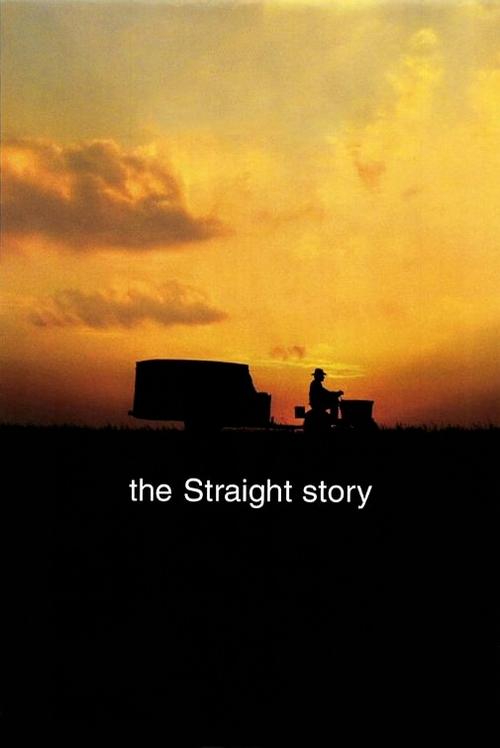
In 1999, the cinematic landscape was vibrating with digital anxiety and high-octane rebellion. We had the bullet-time gymnastics of The Matrix, the consumerist bile of Fight Club, and the found-footage hysteria of The Blair Witch Project. Then there was David Lynch. The man who had spent decades mapping the dark, oil-slicked underbelly of the American dream decided to release a G-rated movie through Walt Disney Pictures. On paper, it sounded like a prank: an elderly man drives a 1966 John Deere lawnmower 240 miles across state lines to visit his estranged brother. No mystery boxes, no red rooms, no severed ears in the grass.
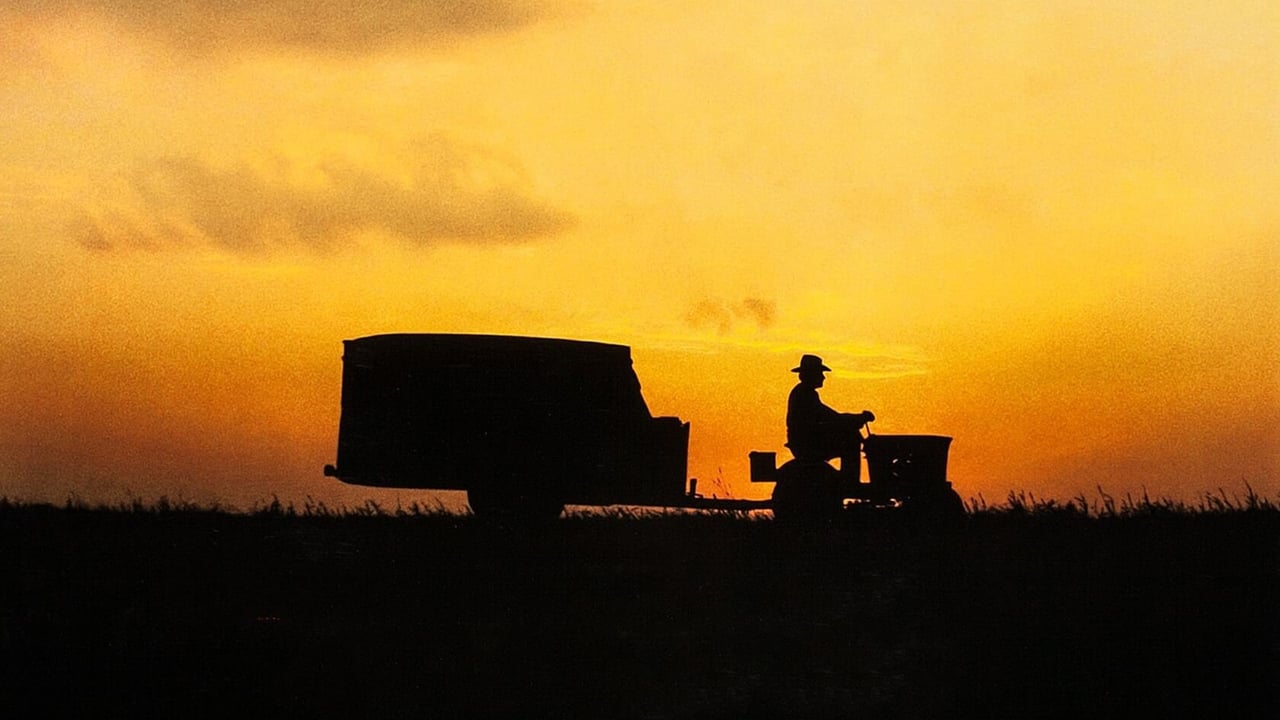
Yet, looking back from our current era of frantic, multi-versal storytelling, The Straight Story feels like the most radical thing Lynch ever did. By stripping away the surrealist upholstery, he revealed the engine that had always powered his best work: a profound, almost aching sincerity. I watched this while sitting in a kitchen chair that has one leg slightly shorter than the others, which meant I spent 112 minutes gently wobbling like Alvin’s rickety trailer—a fittingly precarious way to experience a film about the fragility of old age.
The Slowest Road Movie Ever Made
The plot is as linear as its title suggests. Alvin Straight, played by the legendary Richard Farnsworth, is a 73-year-old veteran with failing hips and dimming eyes. When he hears his brother Lyle has had a stroke, Alvin decides he must go to him. Because he can’t see well enough for a driver's license and is too proud to be driven, he hitches a wooden trailer to a lawnmower and sets off at a blistering five miles per hour.
This is a "road movie" in the most literal sense. It captures the texture of the American Midwest—the rolling cornfields of Iowa and the bridge over the Mississippi—with a clarity that feels like a benediction. Freddie Francis, the cinematographer who worked with Lynch on The Elephant Man, uses the 1990s-era film stock to soak up the amber glow of the "Golden Hour." There’s a specific warmth to the colors here that digital cameras often struggle to replicate; it feels like a memory that hasn't faded yet. This movie is a better "road movie" than Easy Rider because it actually understands the weight of the miles.
A Performance Carved from Granite

The heart of the film is Richard Farnsworth. At the time of filming, he was actually terminally ill with bone cancer, a fact he kept secret from Lynch but one that is etched into every pained movement on screen. There is no "acting" here in the theatrical sense; it’s a soul being bared. He brings a quiet, stubborn dignity to Alvin that makes you want to stand a little straighter yourself. When he sits at a bar and orders a glass of milk, or when he speaks to a group of young cyclists about the "broken stick" philosophy of family, it doesn’t feel like a scripted monologue. It feels like hard-won wisdom.
Supporting him is Sissy Spacek as his daughter, Rose. She plays the role with a delicate speech impediment and a frantic, nervous energy that hints at a traumatic past without ever explicitly explaining it. It’s a masterclass in restraint. The film honors her character by not making her a plot device, but a living, breathing part of Alvin’s world. The chemistry between them is built on silence and shared routine, the kind of bond that doesn't need big dramatic blowouts to feel real.
Why This "Simple" Story Disappeared
It’s a bit of a tragedy that The Straight Story has drifted into the "forgotten" category of Lynch’s filmography. At the time, it was a modest success, but it didn't fit the brand. Fans of Twin Peaks didn't know what to do with a movie that was genuinely wholesome, and Disney didn't know how to market a slow-burn character study to families looking for the next Lion King. It exists in a strange limbo—too "normal" for the cultists, too "indie" for the masses.
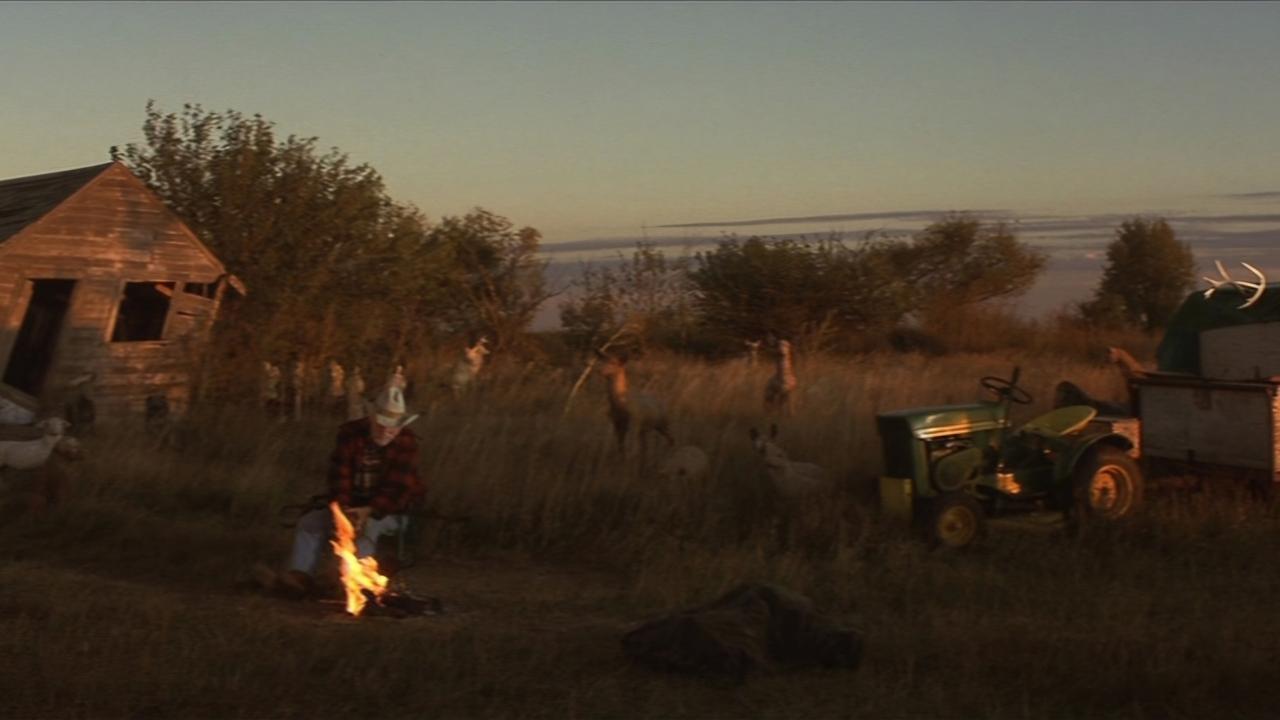
But we should be seeking it out precisely because of that middle-ground status. In an age where dramas often feel like they’re trying to "win" an Oscar through sheer volume and misery, The Straight Story is content to just sit with you. It treats the act of crossing the street as a high-stakes adventure. Angelo Badalamenti’s score, usually famous for its synth-drenched dread, here trades the shadows for acoustic guitars and soaring violins that feel like a cool breeze on a humid Iowa afternoon.
The film concludes with a meeting between Alvin and Lyle (Harry Dean Stanton), and it is one of the most perfectly pitched endings in cinema history. There are no grand apologies, no sobbing reconciliations. There is just a lawnmower, a porch, and the stars. It’s a reminder that the biggest journeys we take aren’t measured in miles, but in the distance we’re willing to travel to swallow our pride. It’s a quiet masterpiece that earns every bit of its emotional payoff by moving just as slowly as its hero.

Keep Exploring...
-
Inland Empire
2006
-
Lost Highway
1997
-
Mulholland Drive
2001
-
A Little Princess
1995
-
Selena
1997
-
October Sky
1999
-
Twin Peaks: Fire Walk with Me
1992
-
Talk to Her
2002
-
The Sea Inside
2004
-
Malcolm X
1992
-
My Cousin Vinny
1992
-

The Fall
2006
-
Synecdoche, New York
2008
-
Nebraska
2013
-

Three Colors: Red
1994
-
Neon Genesis Evangelion: The End of Evangelion
1997
-
A Simple Plan
1998
-
Blast from the Past
1999
-
A Dog's Will
2000
-
Millennium Actress
2002