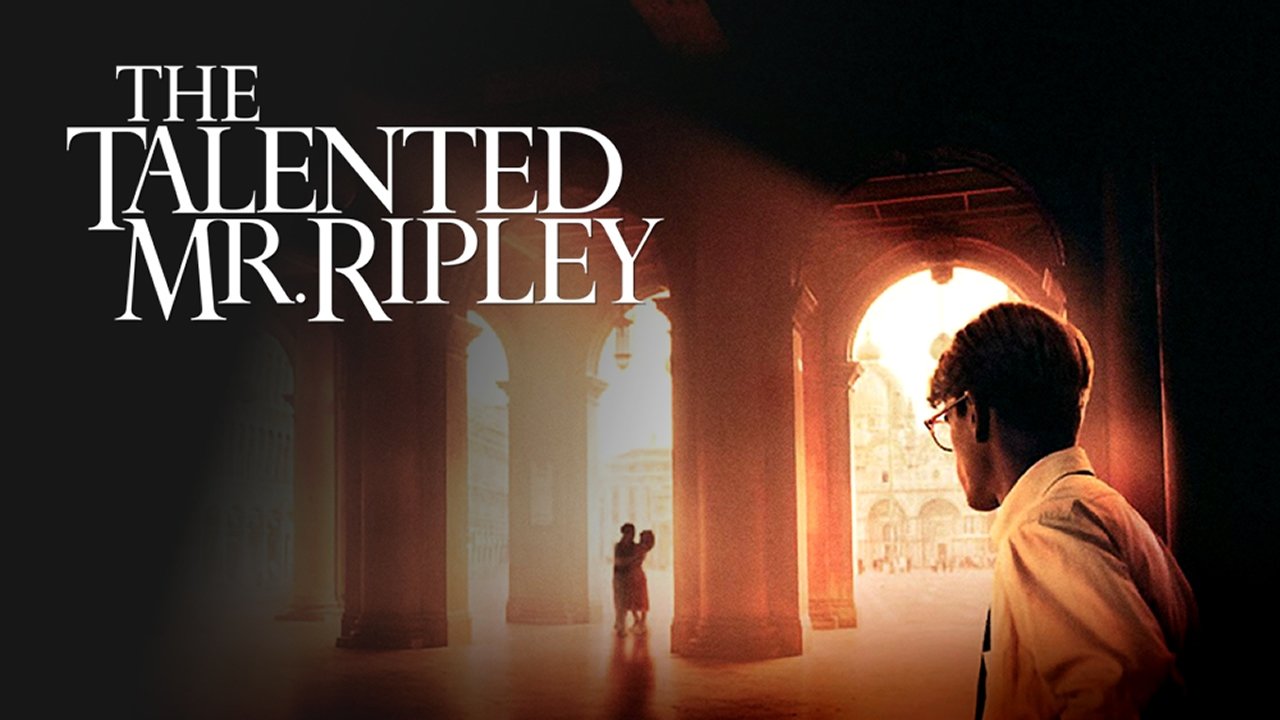
The Talented Mr. Ripley
"The sun is beautiful, but the shadows are permanent."
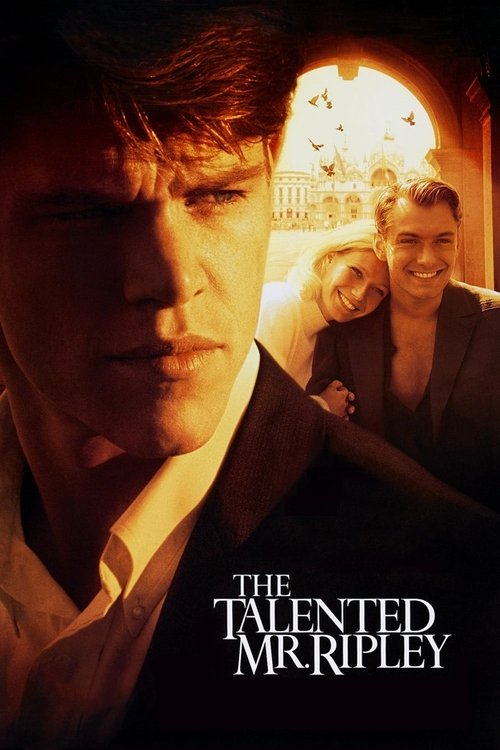
I watched this film again recently while nursing a mild fever, and the shimmering Mediterranean heat on screen actually made my thermometer spike. There is a specific, sweltering tension to The Talented Mr. Ripley that feels less like a movie and more like a high-stakes panic attack disguised as a luxury vacation.
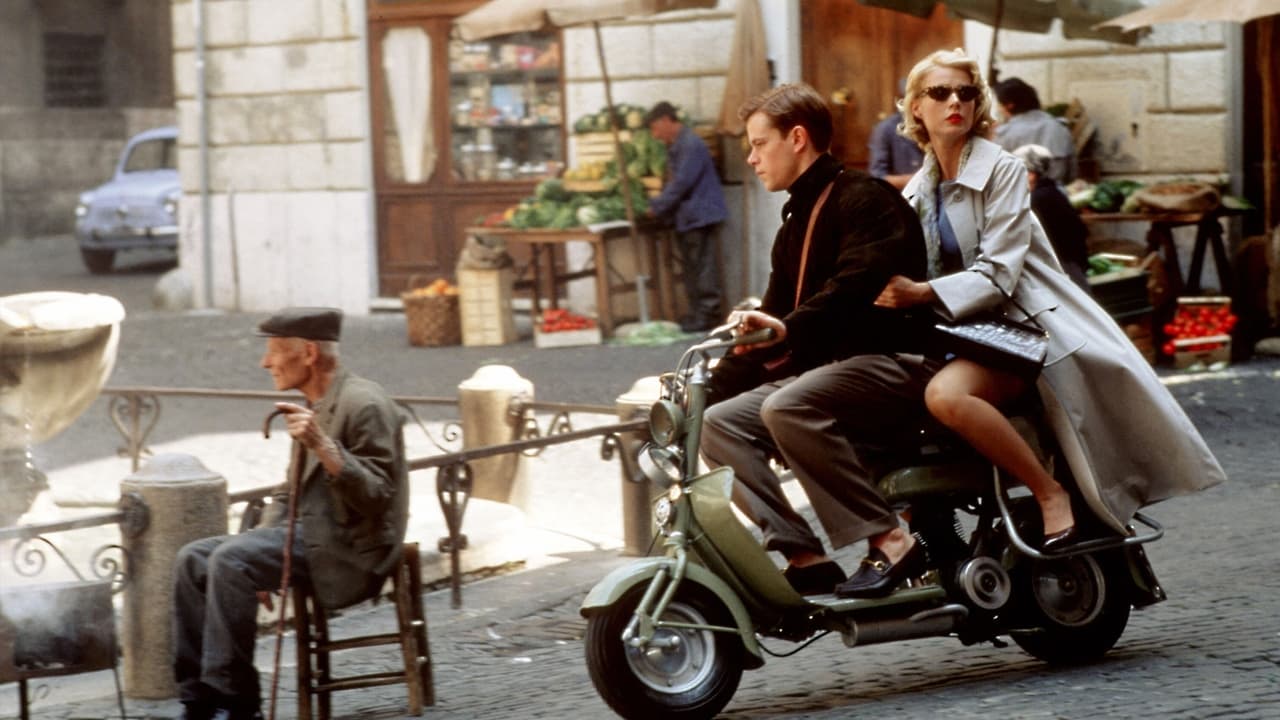
In the late 90s, we were spoiled. 1999 alone gave us The Matrix, Fight Club, and Magnolia, but Anthony Minghella’s sun-drenched nightmare remains the one that lingers in the back of my throat. It arrived at the peak of the Miramax era—a time when studios were still willing to throw $40 million at a psychological character study that didn't involve capes or sequels. Looking back, it feels like one of the last true "adult" blockbusters, a film that dominated the box office not through explosions, but through the terrifying realization that we might actually want the villain to win.
The Magnetic Pull of a Sociopath
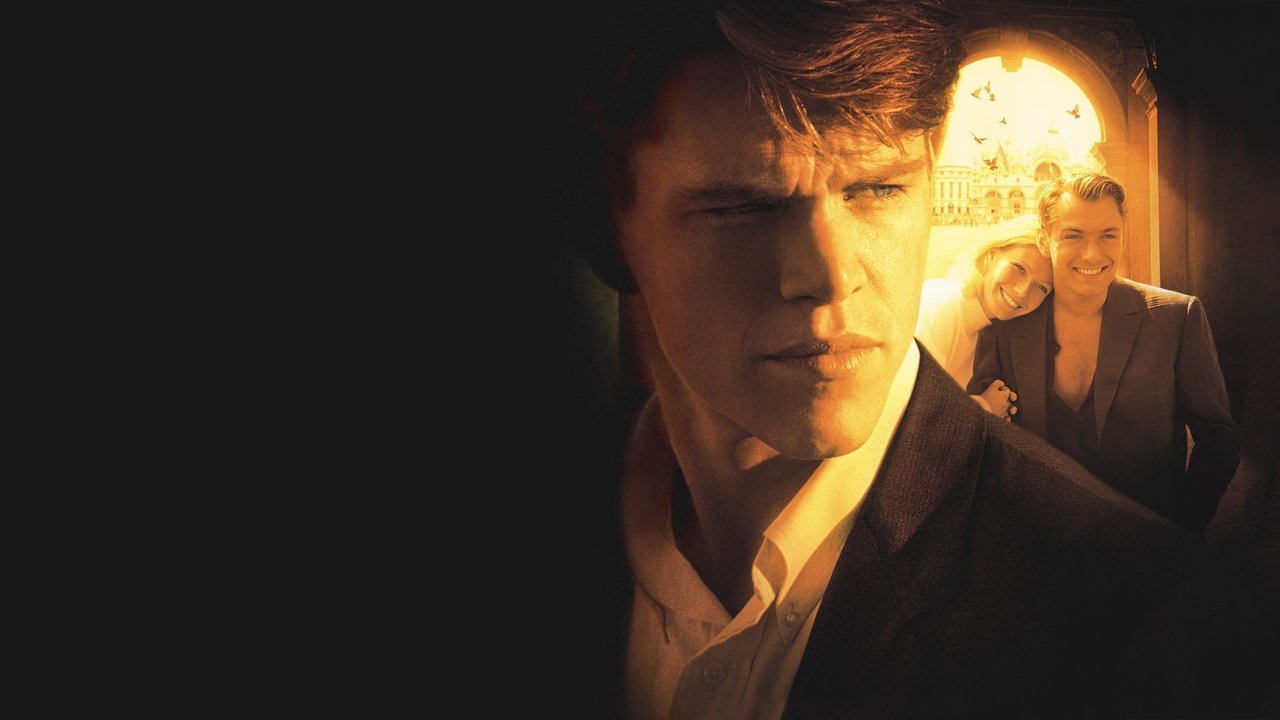
At the center of this golden-hued tragedy is Matt Damon, who was then the quintessential American golden boy. Fresh off Good Will Hunting, he used that perceived innocence as a weapon. His Tom Ripley is a masterpiece of discomfort—a man so hollow that he has to harvest the personalities of others just to feel solid. I’ve always found Ripley fascinating because he isn’t a "cool" killer; he’s a desperate, sweaty theater kid with a homicidal streak, and that makes him infinitely more dangerous.
Then there is Jude Law as Dickie Greenleaf. This was the role that turned Law into a supernova, and it’s easy to see why. He projects a level of charismatic entitlement that is almost physical. When Dickie looks at you, you’re the only person in the world; when he looks away, you cease to exist. Watching the chemistry between the two is like watching a moth trying to merge with a flame. Gwyneth Paltrow also does career-best work here as Marge, the only person whose intuition isn't clouded by Dickie’s magnetism, though she's eventually gaslit into oblivion by the men around her.
High Fidelity and Human Trash
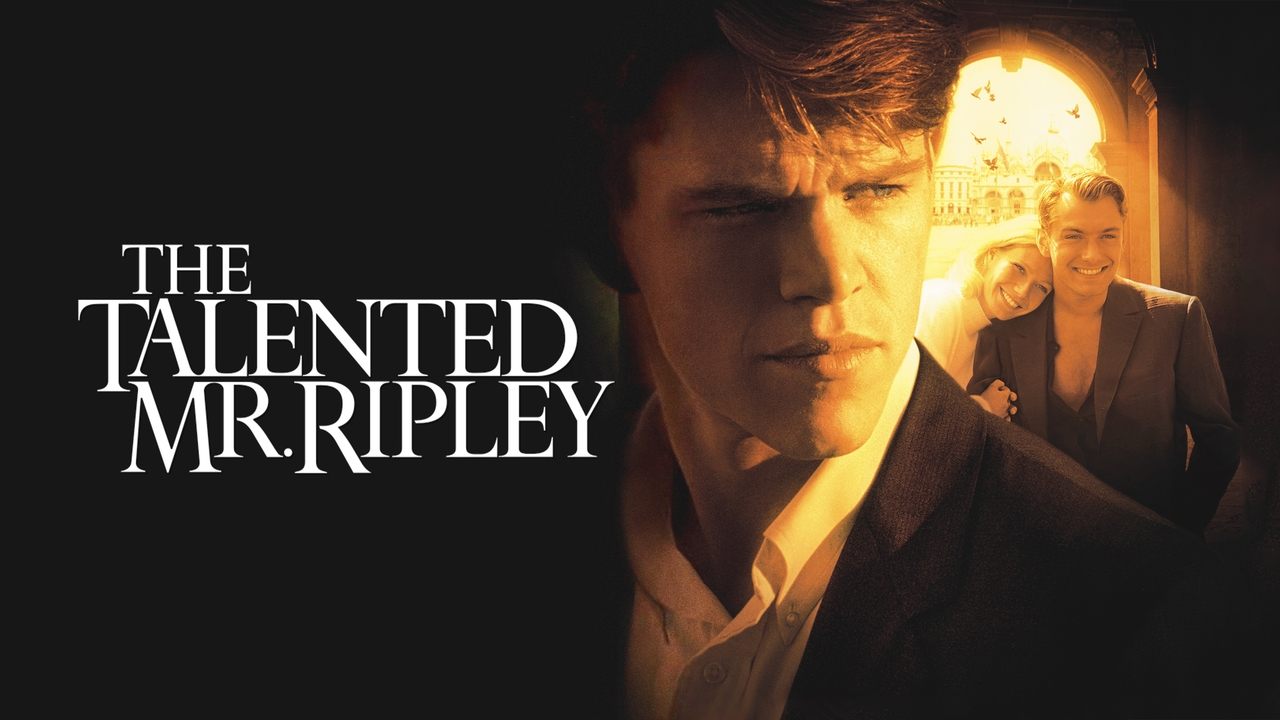
One of the joys of revisiting this era of cinema is the sheer texture of it. Shot on gorgeous 35mm by John Seale, the film captures an Italy that feels tactile—the salt on the skin, the heavy linen suits, the condensation on a glass of Negroni. It’s a visual feast that makes the eventual violence feel like a violation of something sacred.
The film’s secret weapon, however, is Philip Seymour Hoffman as Freddie Miles. Freddie is a loud, vulgar, upper-class pig, but he’s also the only person in the movie who sees through Ripley instantly. Every time I watch their scenes together, I’m struck by how Hoffman treats the scenery like an all-you-can-eat buffet, chewing through Ripley’s polite facade with a terrifying, intuitive arrogance. His performance is a reminder of the massive hole he left in cinema; he could communicate more with a squint and a judgmental sip of wine than most actors can with a ten-minute monologue.
The jazz-infused score by Gabriel Yared adds another layer of sophistication that masks the rot. The sequence at the jazz club where Ripley and Dickie sing "Tu Vuo' Fa L'Americano" is a high-water mark of 90s filmmaking—it’s joyous, erotic, and deeply sad all at once. It captures the exact moment Ripley decides he can never go back to being a "nobody."
A Legacy of Stolen Identities
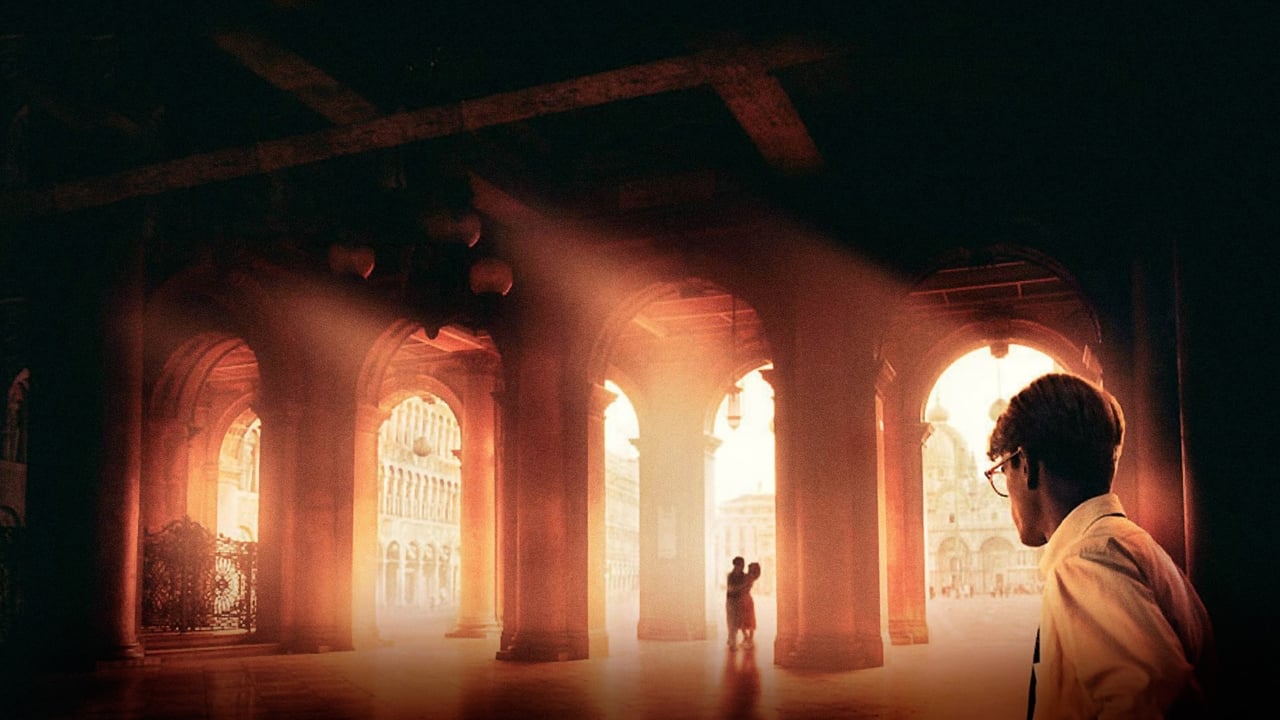
The production itself was as ambitious as Ripley’s schemes. Law actually broke a rib during the scene where he fights Ripley on the boat, a testament to the physical intensity Minghella demanded. The film’s success ($128 million worldwide) proved that audiences were hungry for complexity. It didn't rely on the burgeoning CGI revolution of the time; instead, it relied on the terrifying landscape of the human face.
In the decades since, we’ve seen plenty of "prestige thrillers," but few handle moral ambiguity with this much grace. Ripley isn't a monster because he enjoys killing; he’s a monster because he’s convinced himself he has no other choice. It’s a tragedy of class and longing. I once tried to wear a heavy signet ring like Dickie’s to a wedding and ended up looking like a cut-rate pawn shop owner, which really put Ripley’s struggle into perspective for me. True style, like true identity, can't actually be stolen—it can only be mimicked until the blood starts to spill.
The Talented Mr. Ripley remains a chilling reminder of what happens when the desire to be "somebody" overrides the basic mechanics of a soul. It’s a gorgeous, haunting piece of filmmaking that has aged better than almost any of its contemporaries. It captures the late-90s obsession with identity and reinvention, wrapping it in a package that is as beautiful as a postcard and as sharp as a jagged piece of a broken bust. If you haven't seen it in a while, it’s time to head back to the basement. Just watch your back.
Keep Exploring...
-

The English Patient
1996
-
The Rainmaker
1997
-
A Time to Kill
1996
-
Primal Fear
1996
-

Sleepers
1996
-
Donnie Brasco
1997
-

Traffic
2000
-
Mystic River
2003
-
Collateral
2004
-
Cape Fear
1991
-
A Perfect World
1993
-
The Bourne Identity
2002
-
The Bourne Supremacy
2004
-

Inside Man
2006
-
The Town
2010
-
Road to Perdition
2002
-
Dogville
2003
-
Natural Born Killers
1994
-
Strange Days
1995
-
The Usual Suspects
1995