The Thirteenth Floor
"The horizon is closer than you think."
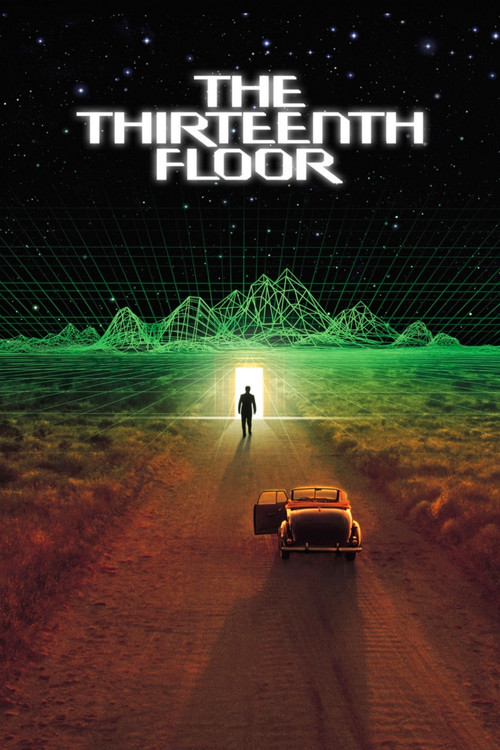
In the spring of 1999, the cinematic world was collectively obsessing over whether to take the red pill or the blue pill. While The Matrix was busy redefining the action genre with bullet-time and leather trench coats, a much quieter, bleaker meditation on the nature of reality slipped into theaters and promptly vanished. I remember seeing the poster for The Thirteenth Floor at a local multiplex—a man’s face dissolving into computer fragments—and thinking it looked like a low-rent knockoff. I was wrong. It’s not a knockoff; it’s a companion piece from the dark, anxious cellar of the Y2K era.
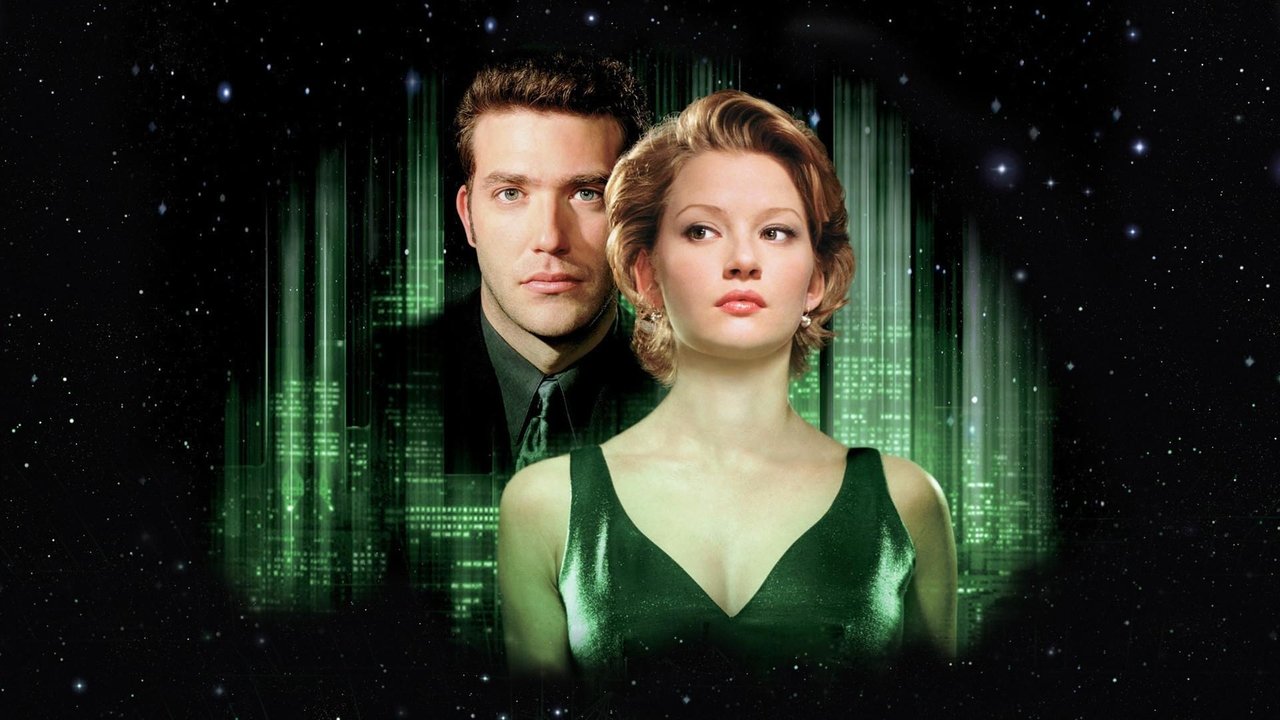
Watching this again recently while my radiator emitted a rhythmic, metallic clanking that perfectly synced with the low-hum synth score, I realized how much we lost by let this one fall into obscurity. It’s a film that trades the kung-fu spectacle of its contemporaries for a thick, suffocating atmosphere of existential dread and noir-drenched mystery.
The Year Reality Broke
1999 was a strange time to be alive and an even stranger time to go to the movies. Between the looming threat of the millennium bug and the birth of the high-speed internet, we were all a little obsessed with the idea that our world was becoming digital. Directed by Josef Rusnak and produced by Roland Emmerich (taking a rare break from blowing up national monuments), The Thirteenth Floor takes this anxiety to its most literal conclusion.
The story follows Douglas Hall, played by Craig Bierko, a tech executive who becomes the prime suspect when his mentor, Hannon Fuller (Armin Mueller-Stahl), is murdered. The catch? They’ve built a total-immersion simulation of 1937 Los Angeles on the thirteenth floor of a corporate skyscraper. To find out what Fuller discovered before he died, Hall has to "download" his consciousness into the simulation.
What makes this film stand out from the "simulated reality" pack is its visual texture. While other films of the era went for neon greens or sterile whites, Josef Rusnak leans into the amber-hued shadows of classic noir. The 1937 simulation is gorgeous, filled with period-accurate Buicks and smoky clubs, but there’s a wrongness to it—a perfection that feels hollow. It’s a world where the sun never quite seems to provide warmth, only light.
A Masterclass in Creeping Unease
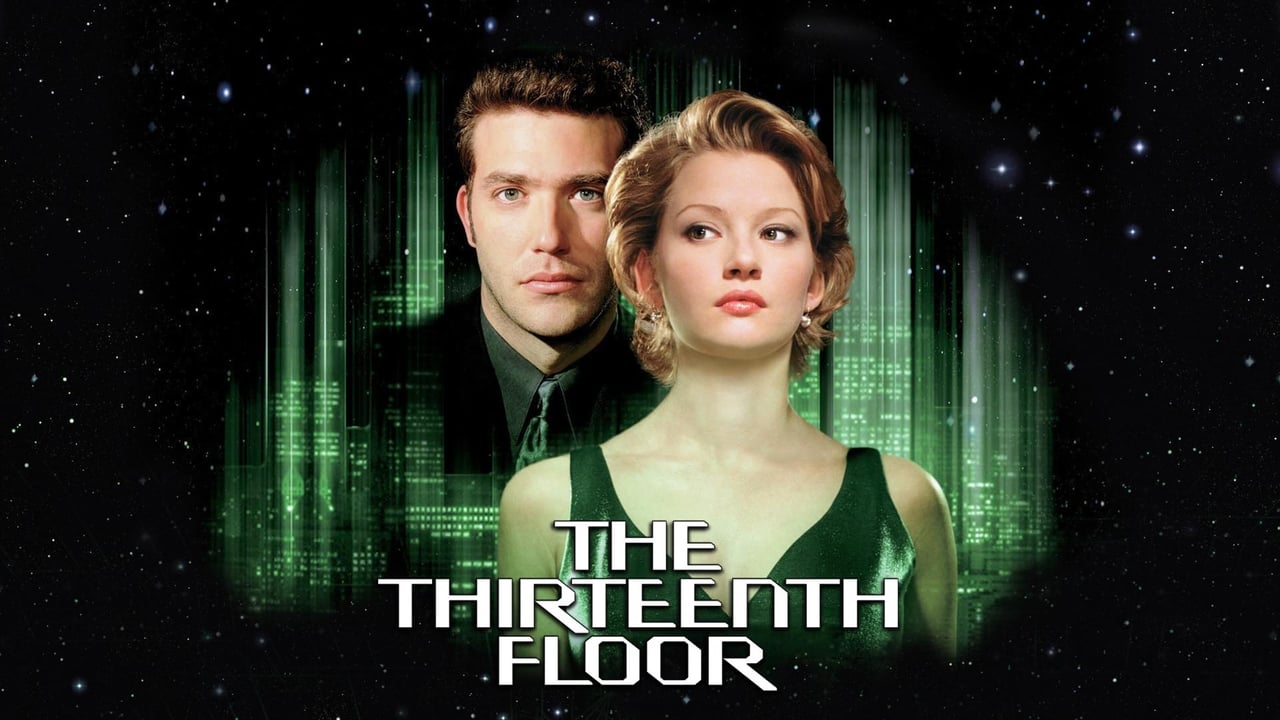
The performances are what keep this high-concept premise from floating away into academic boredom. Vincent D'Onofrio is, as usual, the MVP here. He plays dual roles: a tech nerd in the "real" world and a bartender in the simulation. D'Onofrio has this incredible ability to make a character feel like they are wearing their own skin uncomfortably. When his simulated character begins to suspect that his world isn't real, the look of sheer, primitive terror on his face is more effective than any CGI explosion.
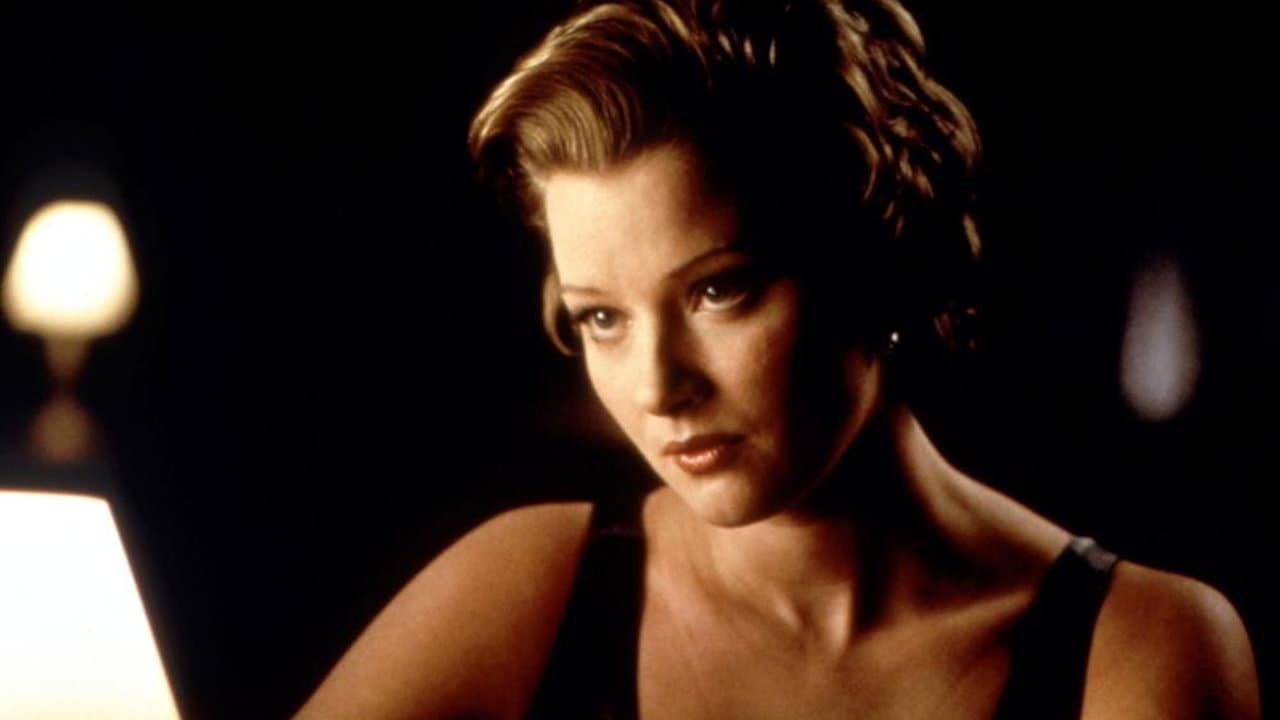
Craig Bierko, on the other hand, is a bit of a cipher. Looking back, Craig Bierko has the emotional range of a high-end toaster, but in the context of this specific story, his stiffness actually works. He moves through the film like a man who isn't entirely sure he exists, which is exactly the point. Beside him, Gretchen Mol plays the classic femme fatale with a vulnerability that suggests she knows the script is being rewritten while she’s speaking.
Then there’s Dennis Haysbert as Detective McBain. Before he was the voice of Allstate insurance, he was bringing a massive, grounded gravitas to roles like this. He represents the "real" world’s insistence on logic and law, even as the floor literally begins to fall out from under the characters' feet.
Why It Disappeared (And Why to Find It)
So, why did a film this stylish and thought-provoking earn only $18 million against its $16 million budget? Timing is a cruel mistress. It opened just weeks after The Matrix and Star Wars: Episode I – The Phantom Menace. It was a "soft" sci-fi film in a year that demanded hardware and spectacle.
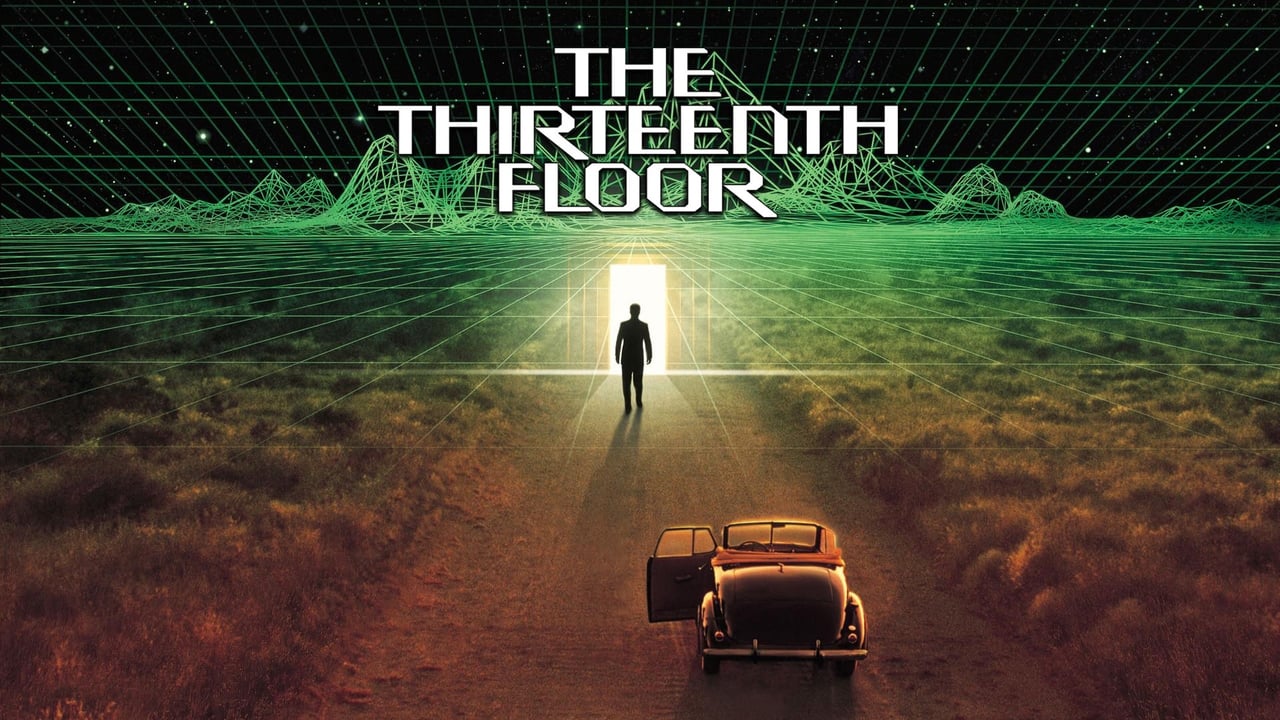
But The Thirteenth Floor offers something those blockbusters didn't: a genuine sense of loneliness. There is a specific scene near the end—no spoilers, I promise—where a character drives to the edge of the world. It’s a piece of early digital effects work that still holds up because it isn't trying to look "real"; it’s trying to look like a computer’s best guess at reality. It is haunting, lonely, and profoundly sad.
The film explores the "nesting doll" theory of existence—the idea that if we can create a simulation, chances are we are living in one ourselves. It handles this with a somber weight that feels more aligned with the philosophical sci-fi of the 1970s than the high-octane 90s. It’s a movie that asks: if you are just a collection of data points, do your feelings still matter? The movie treats 1930s Los Angeles with more reverence than its actual human characters, and that coldness is exactly why it lingers in the mind long after the credits roll.
If you can track down a copy—and it’s getting harder as physical media disappears—watch it on a rainy night. It’s a fascinating relic of a time when we were first beginning to realize that the digital world wouldn't just be a tool we used, but a place we might eventually get lost in.
The Thirteenth Floor is a moody, intellectual thriller that deserves better than its current status as a footnote in 1999's film history. While it lacks the kinetic energy of its more famous cousins, its noir atmosphere and existential bite make it a mandatory watch for anyone who likes their sci-fi with a side of philosophical dread. It’s a reminder that sometimes the most interesting stories aren't the ones that change the world, but the ones that make you wonder if the world is even there when you close your eyes.

Keep Exploring...
-
Strange Days
1995
-
Twelve Monkeys
1995
-
Gattaca
1997
-
Arlington Road
1999
-
Frequency
2000
-
Sphere
1998
-
The X-Files
1998
-

Paycheck
2003
-
Limitless
2011
-
The Maze Runner
2014
-
Batman Beyond: Return of the Joker
2000
-
The Jacket
2005
-

The Fourth Kind
2009
-
Source Code
2011
-

Star Trek VI: The Undiscovered Country
1991
-
Inland Empire
2006
-
I'm Not Scared
2003
-
Blindness
2008
-
Time Lapse
2014
-

The Game
1997