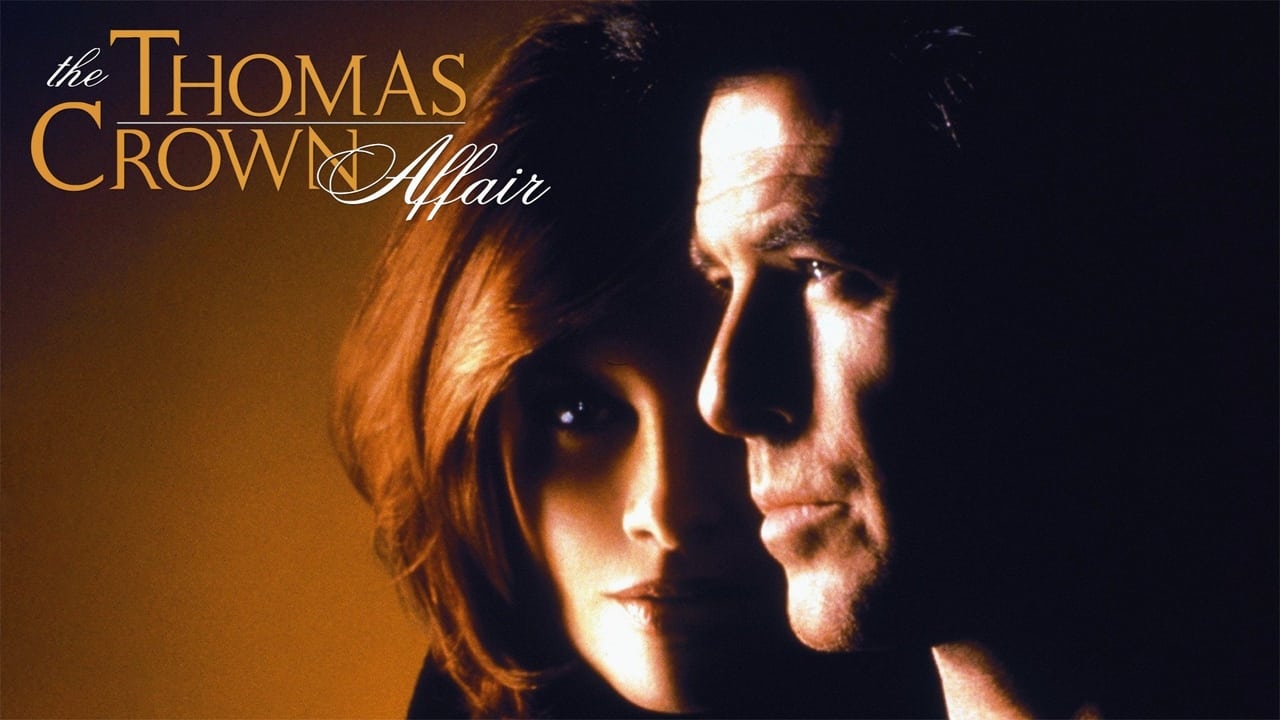
The Thomas Crown Affair
"Stealing the art is only the warm-up."
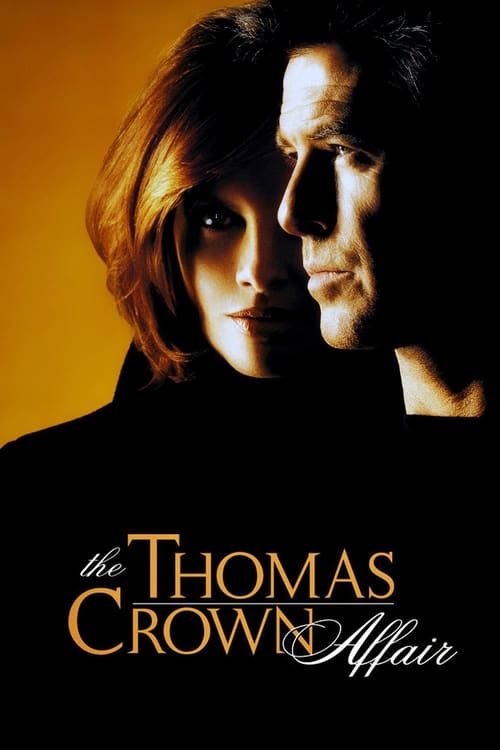
Thomas Crown is so wealthy that his only real enemy is the sheer, suffocating weight of a Tuesday afternoon with nothing to do. When we first meet him in this 1999 sleek-as-a-seal-skin remake, he isn't checking stock tickers or barking into a brick-sized cellphone. He’s silently piloting a glider over upstate New York, the only sound being the wind and the internal hum of a man who has run out of things to buy. It’s a perfect introduction to Pierce Brosnan in a role that fits him significantly better than the tuxedo he was wearing as James Bond at the time.
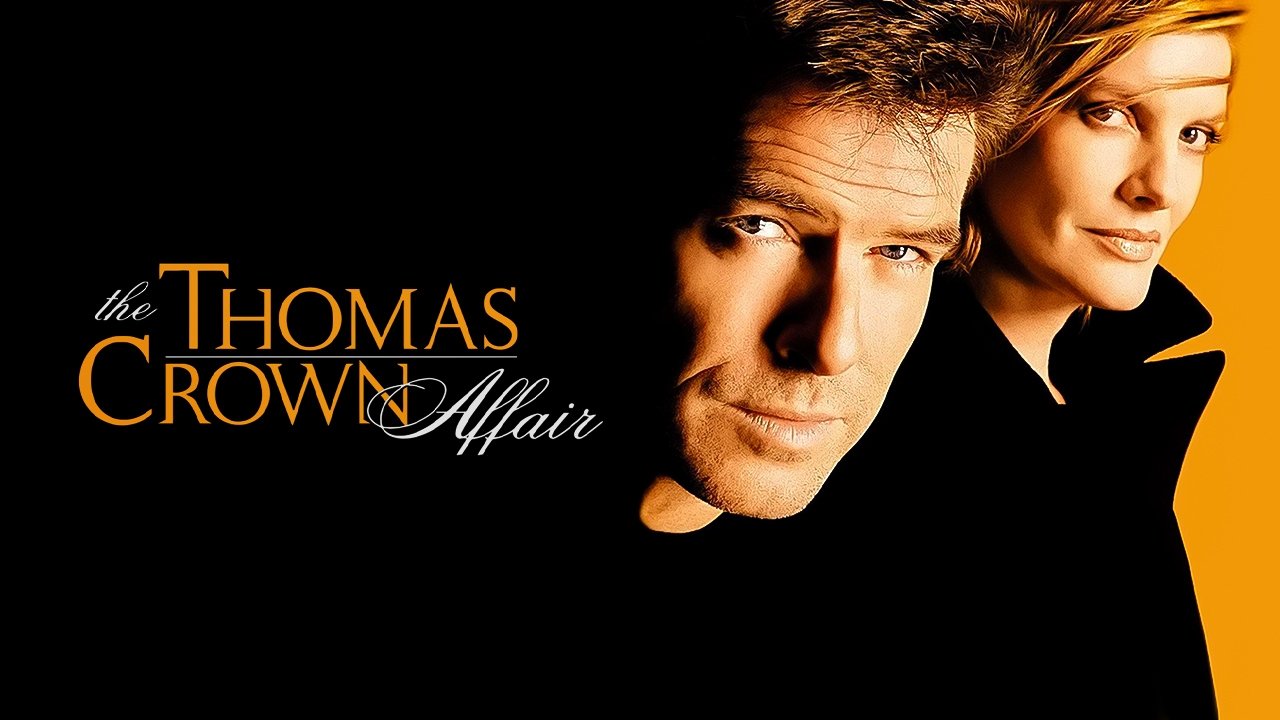
While the 1968 original with Steve McQueen is a fine bit of 60s cool, it’s also a bit of a structural mess that relies entirely on split-screens and McQueen’s squint. The 1999 version, directed by the legendary John McTiernan (the man who gave us Die Hard and Predator), understands that a heist movie is only as good as the friction between the thief and the person trying to catch him.
The Hunter and the High Heels
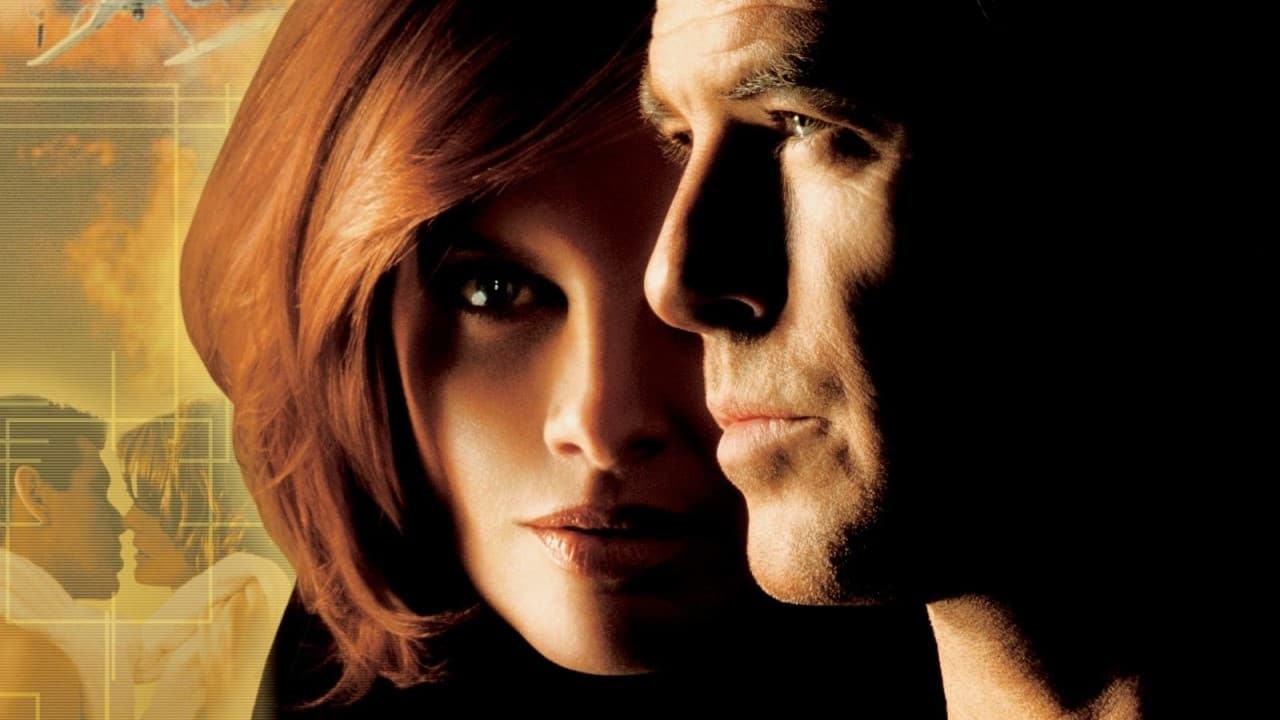
Enter Catherine Banning. If you want to know why this film still feels like a revelation twenty-five years later, look no further than Rene Russo. In an era where female leads in action-adjacent movies were often relegated to "the girlfriend" or "the victim," Russo’s Banning is a heat-seeking missile in a Donna Karan dress. She’s an insurance investigator who treats the recovery of a stolen Monet like a blood sport.
The chemistry between Pierce Brosnan and Rene Russo isn't just "movie star chemistry"—it’s a genuine, competitive combustion. They don’t just fall in love; they play a high-stakes game of poker where the clothes are optional and the lies are mandatory. I watched this most recently while eating a lukewarm bowl of leftover Thai food, and the sheer "adultness" of their romance made me feel like I needed to put on a tie just to sit on my own couch. Rene Russo’s wardrobe has more personality and narrative drive than the entire cast of most modern superhero movies. She isn't there to be rescued; she’s there to win, and she looks terrifyingly capable while doing it.
The Art of the Steal
McTiernan brings a mechanical precision to the heist sequences that feels refreshing in our current age of CGI-slop. The central theft of a Monet from the Metropolitan Museum of Art (actually a very convincing set) is a masterclass in misdirection. It’s not about laser grids or hacking a mainframe; it’s about a Trojan Horse, a pair of thermal blankets, and the arrogance of security guards who think they’ve seen everything.
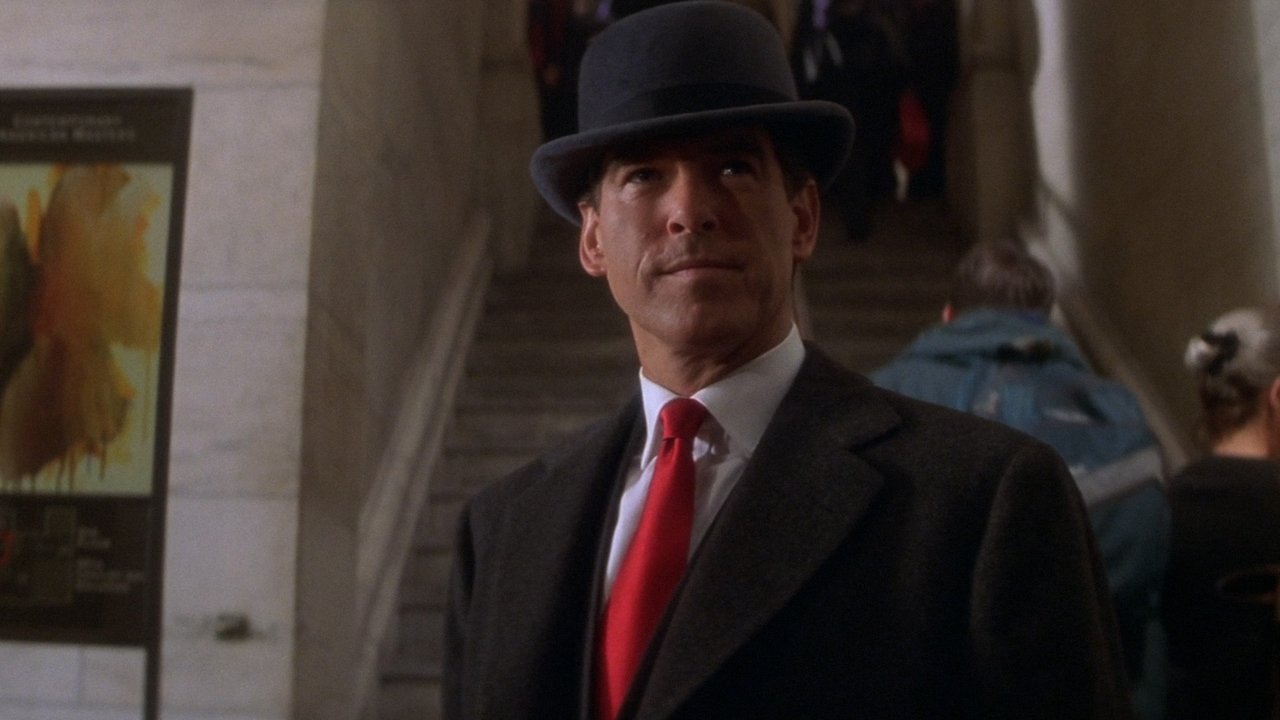
But the real magic happens in the third act, centered around René Magritte’s "The Son of Man"—you know the one, the man in the bowler hat with the green apple hovering over his face. The sequence, set to the propulsive, rhythmic soul of Nina Simone’s "Sinnerman," is one of the most joyous five minutes of 90s cinema. It’s a rhythmic, visual puzzle where McTiernan uses the architecture of the museum to create a shell game with human pieces. Looking back, this was a peak moment for practical-feeling filmmaking. Even if they used digital trickery to multiply the bowler-hatted men, it feels grounded in a way that modern blockbusters rarely manage.
A Time Capsule of Luxury
There is a specific kind of late-90s gloss here that has aged surprisingly well. This was the tail end of the "Analog Wealth" era. There are no smartphones to ruin the tension, just pagers, fax machines, and the physical presence of expensive things. It’s a movie that celebrates the texture of life—the grain of a canvas, the coldness of a marble floor, the way a well-tailored suit moves.
Even the supporting cast feels overqualified. Denis Leary plays Det. Michael McCann with a wonderful, blue-collar exasperation that acts as the perfect foil to Crown’s billionaire antics. He’s the audience surrogate, the guy who knows this whole world of high-stakes art theft is ridiculous but has to fill out the paperwork anyway. And then there’s the meta-casting of Faye Dunaway—the original Catherine Banning—as Crown’s psychiatrist. It’s a cheeky nod that could have felt gimmicky, but instead adds a layer of psychological depth. She’s the only one who truly sees through Crown’s "boredom" to the lonely, competitive child underneath. This is the only remake in history that understands the original was actually kind of a slog.
The film is a reminder of a time when Hollywood made "movies for grownups" that didn't feel like homework. It’s sexy, it’s smart, and it has a sense of humor about its own absurdity. It doesn't overstay its welcome, and it leaves you with the infectious feeling that maybe, just maybe, you could pull off a world-class art heist if you just had the right playlist and a decent tailor. It’s the ultimate Friday night watch—a polished, gleaming piece of entertainment that proves style, when handled by a pro like McTiernan, can absolutely be substance.

Keep Exploring...
-
Basic
2003
-
Confessions of a Dangerous Mind
2002
-
Batman: Mask of the Phantasm
1993
-
I Love You Phillip Morris
2010
-
Street Kings
2008
-
The Mafia Kills Only in Summer
2013
-
It Could Happen to You
1994
-
Little Women
1994
-
Mary Shelley's Frankenstein
1994
-
The Client
1994
-
A Walk in the Clouds
1995
-

Hackers
1995
-
Strange Days
1995
-
The Quick and the Dead
1995
-
To Die For
1995
-
Bottle Rocket
1996
-
That Thing You Do!
1996
-
Breakdown
1997
-
Cop Land
1997
-
Kiss the Girls
1997