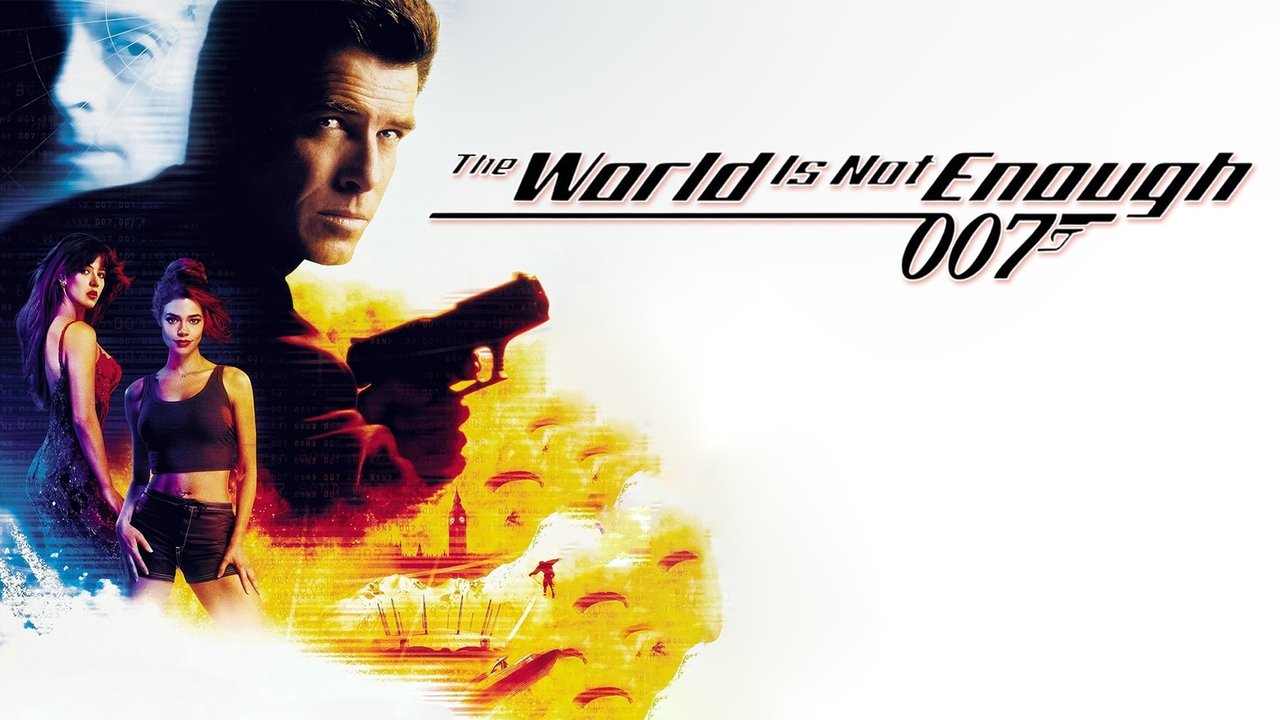
The World Is Not Enough
"Oil, betrayal, and the longest tie-straighten in history."

The 1990s were a strange, adolescent time for James Bond. After the Cold War ended, critics spent half a decade asking if 007 was a "sexist, misogynist dinosaur" who had outlived his usefulness. Then came GoldenEye, which proved he could still sell popcorn, followed by Tomorrow Never Dies, which turned him into an invincible cartoon. By the time 1999 rolled around, the producers seemed to realize that if Bond was going to survive the new millennium, he needed something he’d been missing for years: a soul.
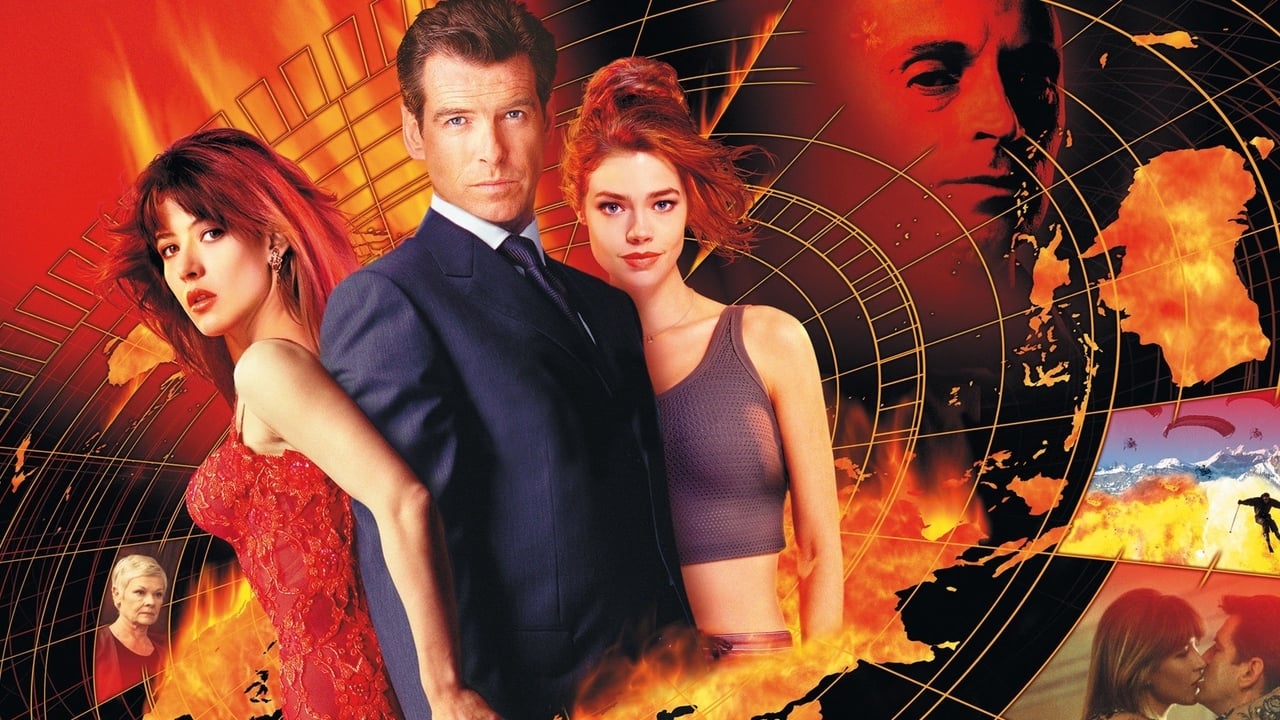
I remember watching this for the first time on a grainy VHS while eating a bowl of cereal that had gone dangerously soggy, and even through the tracking fuzz, the opening sequence felt like a Statement of Intent. It’s a 14-minute marathon—the longest pre-title sequence in the franchise at the time—culminating in a high-speed boat chase down the River Thames. Seeing Pierce Brosnan adjust his tie while submerged in a gadget-laden Q-boat remains the peak of his "suave-yet-lethal" energy. It was 1999’s way of saying, "We have a $135 million budget, and we aren't afraid to sink it."
The Villainess Who Actually Had a Point
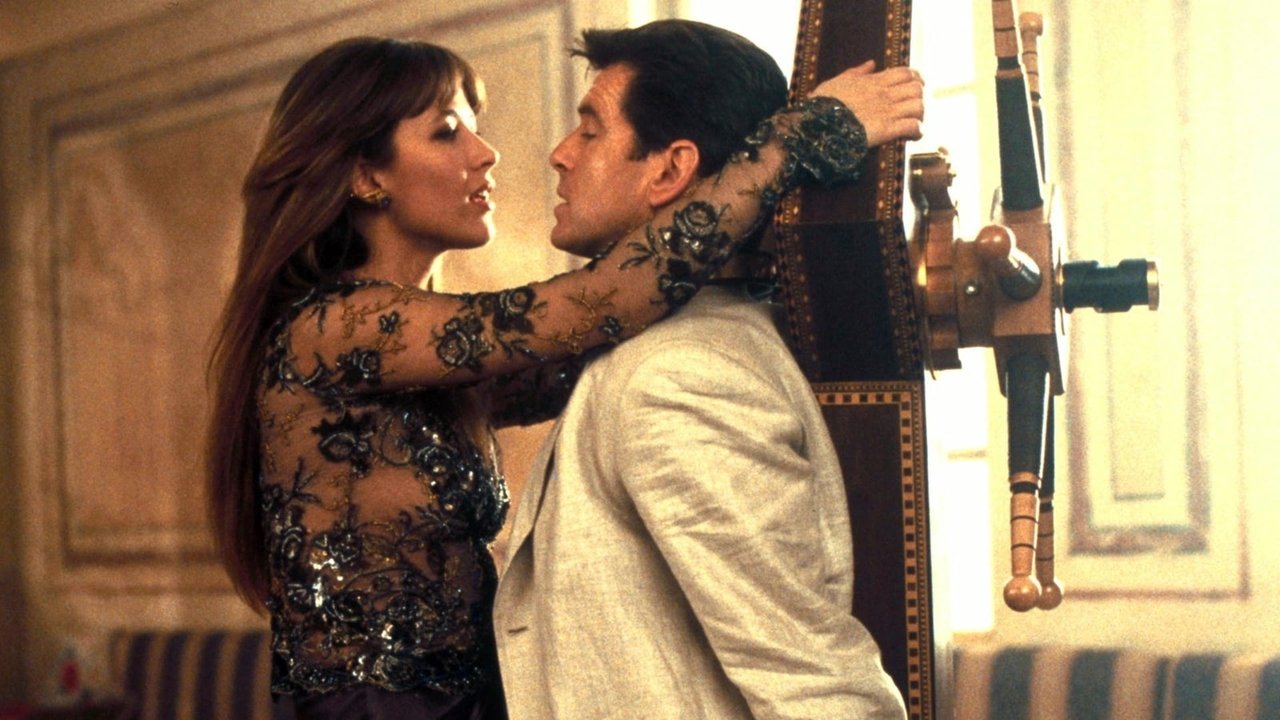
What makes The World Is Not Enough (or TWINE, as the forums call it) stand out in a retrospective marathon isn't the gadgets or the oil pipelines—it’s Sophie Marceau. As Elektra King, she isn't just a "Bond Girl"; she’s the film's beating, blackened heart. Casting a director like Michael Apted, known more for intimate dramas (the Up series) than explosions, was a calculated risk that paid off in the scenes between Bond and Elektra.
For the first time in the Brosnan era, 007 feels genuinely vulnerable. The Stockholm Syndrome subversion here is actually quite sophisticated for a late-90s blockbuster. Elektra isn't a brainwashed victim; she’s a predator who used her kidnapper, the bullet-in-the-brain terrorist Renard (Robert Carlyle), to facilitate her own revenge. Carlyle plays Renard with a tragic, muted intensity, a man literally losing his senses who can only feel through his devotion to a woman who is far more dangerous than he is. Their chemistry makes the "world dominance" plot feel secondary to their twisted domestic drama.
The Christmas Jones Calamity
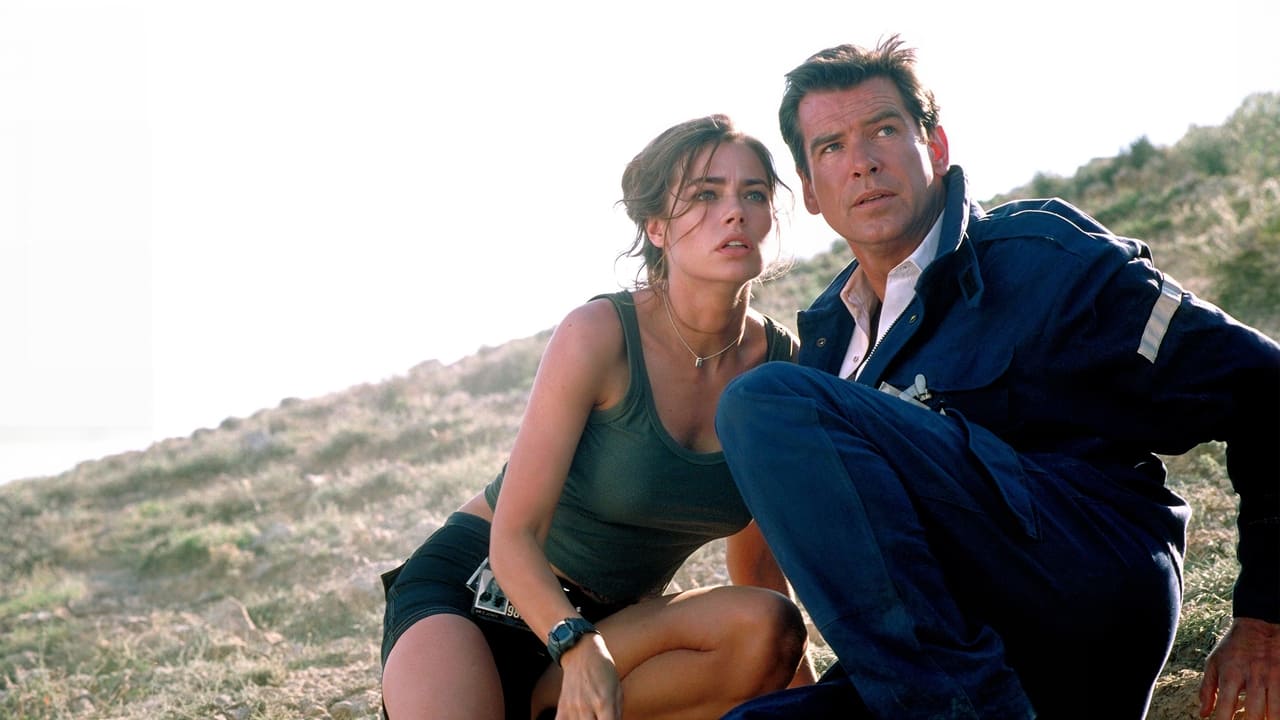
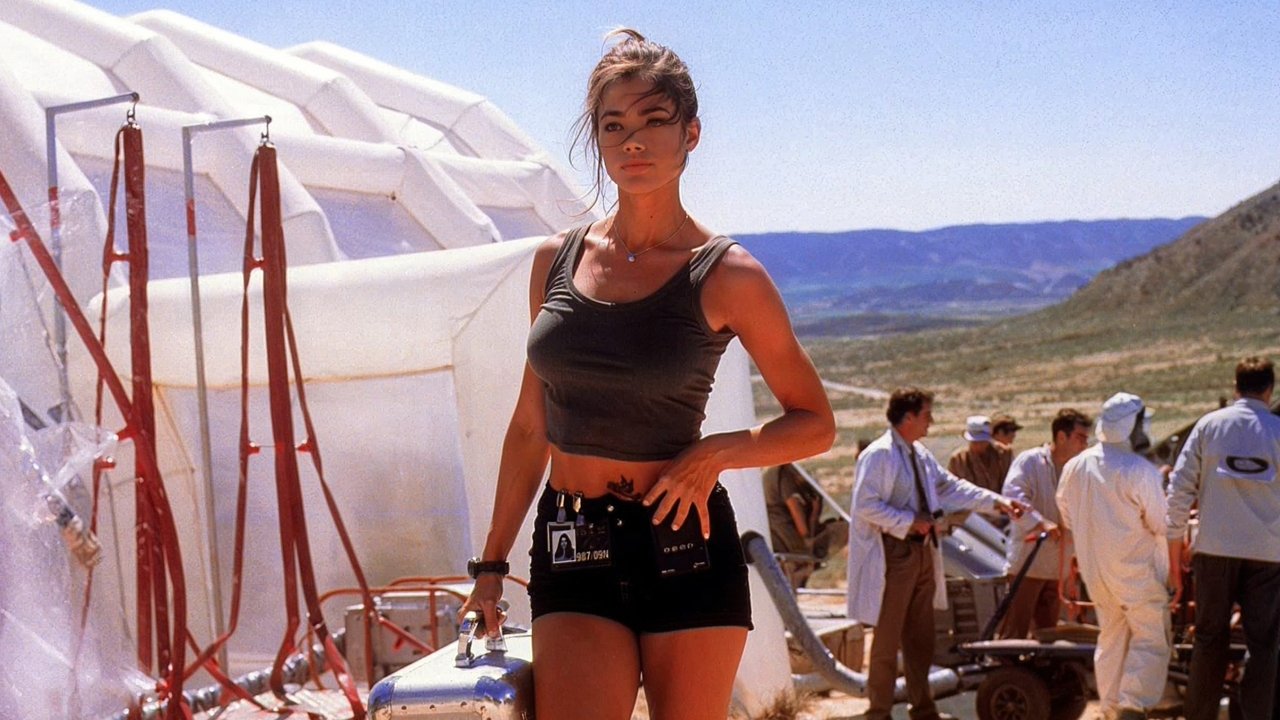
However, we have to talk about the elephant in the nuclear silo. If the movie succeeds as a character study between Bond and Elektra, it nearly collapses under the weight of Denise Richards as Dr. Christmas Jones. Look, I’m all for suspension of disbelief—this is a series where cars turn invisible—but casting Denise Richards as a nuclear physicist is like asking a hamster to explain the Goldbach Conjecture.
Clad in Lara Croft-style shorts and delivering lines about "plutonium triggers" with the conviction of a high schooler reading a grocery list, she exists solely because the producers feared the Elektra storyline was too dark and needed a traditional "good girl" for the finale. It creates a jarring tonal whiplash. One minute, Judi Dench’s M is being kidnapped and forced to reckon with her past mistakes (a great expansion for her character, by the way), and the next, we’re watching a girl-group-reject-turned-scientist try to look busy with a wrench.
Stunts, Strings, and Submarine Showdowns
Visually, the film is a fascinating bridge between eras. Adrian Biddle’s cinematography captures the rugged beauty of Spain and the oily, industrial grit of the Caspian Sea, utilizing practical locations that feel "big" in a way that modern CGI-heavy sets often don't. The ski chase, featuring "Parahawks" (snowmobiles with paragliders), is a classic bit of Bondian absurdity that actually holds up because most of what you're seeing is real stuntmen risking their necks in the French Alps.
The score by David Arnold also deserves a shout-out. He took the electronic influences of the late 90s and fused them with the classic brassy sound of John Barry. It’s the perfect soundtrack for a Y2K-era thriller, pulsing with the anxiety of a world shifting from analog hardware to digital terror. When that submarine starts sinking in the final act, the music does a lot of the heavy lifting that the script occasionally fumbles.
Stuff You Didn't Notice
Interestingly, the film’s titular line—"The world is not enough"—is actually the Bond family motto, first mentioned in the 1963 novel On Her Majesty's Secret Service. It’s a nice bit of deep-lore fans appreciated. Also, pay attention to the late Robbie Coltrane as Valentin Zukovsky; his return from GoldenEye provides some much-needed levity. Apparently, the scene where he falls into a vat of caviar took multiple takes because the "caviar" (actually dyed gelatin) was incredibly slippery and smelled progressively worse under the studio lights.
Looking back, TWINE is the "Director's Cut" of the Brosnan years—ambitious, slightly bloated, and occasionally brilliant. It tried to give Bond a psychological edge before the Daniel Craig era made it mandatory. It doesn't always stick the landing, but I’d rather watch an ambitious Bond film that stumbles than a safe one that bores me.
Ultimately, this is a film of two halves. One half is a top-tier spy thriller about a woman outsmarting the world’s greatest secret agent, and the other half is a campy action flick trying to sell action figures. It’s a middle-of-the-pack Bond entry that has aged surprisingly well in terms of its central villainy, even if the "nuclear physicist" in hot pants remains a permanent resident of the "What were they thinking?" hall of fame. If you've got two hours to kill, the Thames chase alone is worth the price of admission.
Keep Exploring...
-
GoldenEye
1995
-
Tomorrow Never Dies
1997
-
Die Another Day
2002
-
Quantum of Solace
2008
-
The Man with the Golden Gun
1974
-
Thunderball
1965
-
You Only Live Twice
1967
-
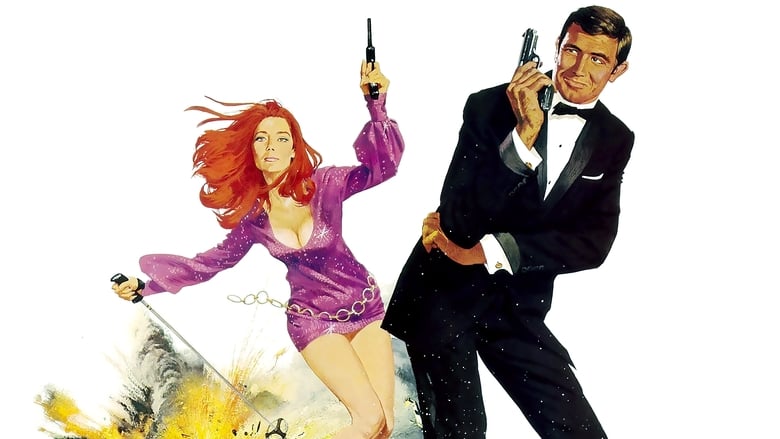
On Her Majesty's Secret Service
1969
-
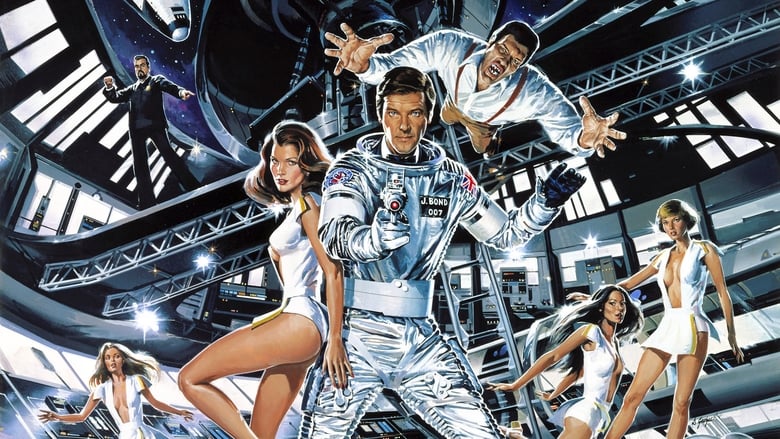
Moonraker
1979
-
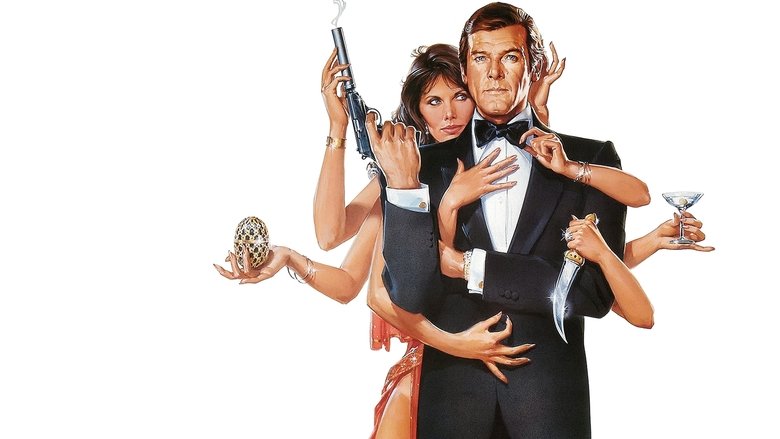
Octopussy
1983
-
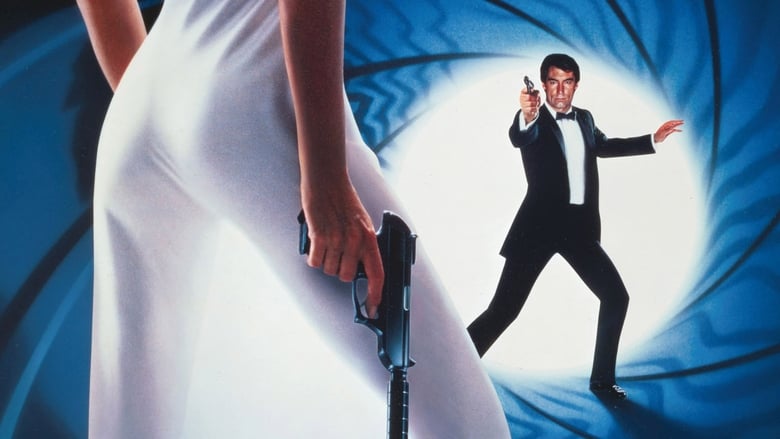
The Living Daylights
1987
-
Casino Royale
2006
-

Skyfall
2012
-
Spectre
2015
-
Dr. No
1962
-
Live and Let Die
1973
-
For Your Eyes Only
1981
-
Never Say Never Again
1983
-
A View to a Kill
1985
-
Licence to Kill
1989