Three Kings
"A heist movie where the treasure is a conscience."
If you ever wanted to know exactly what a bullet does to a human gall bladder, 1999 was your year. While most of the world was panicking about Y2K or debating the physics of The Matrix, David O. Russell was in the desert, busy inventing a new visual language for the modern war film. I first caught Three Kings on a grainy rental DVD while I was nursing a mild flu and eating a lukewarm bowl of SpaghettiOs. When that infamous "bullet cam" sequence hit—the one where we see the internal bile leaking into the abdominal cavity—I haven't been able to look at canned pasta the same way since. It was gross, it was clinical, and it was absolutely revolutionary.
The Bleach-Bypass Brawl
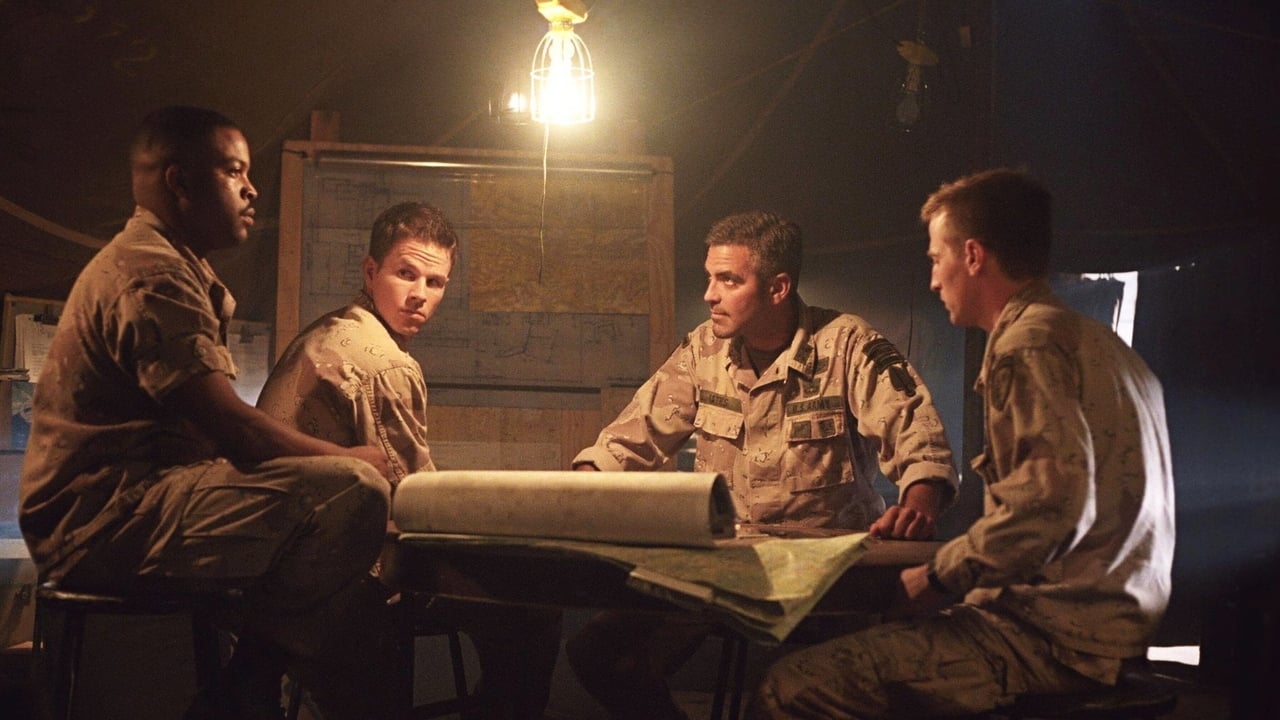
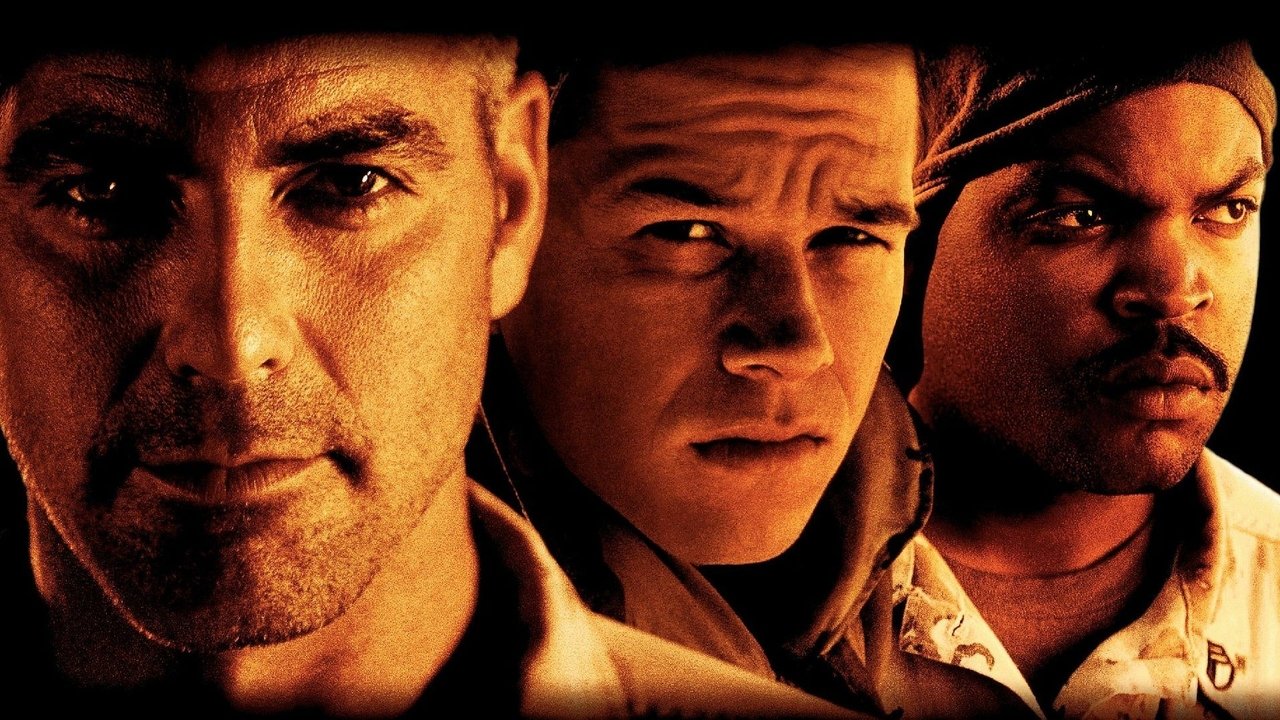
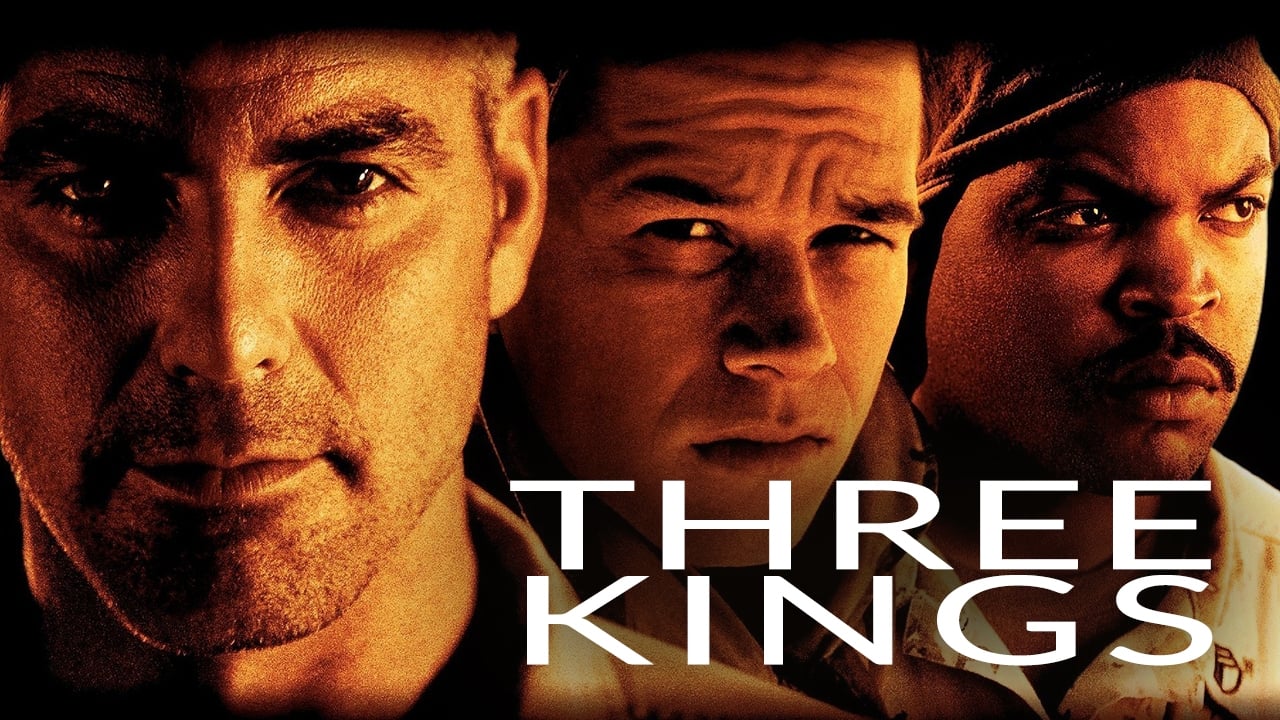
The first thing that hits you about Three Kings is the look. In an era where action movies usually favored the high-gloss sheen of Jerry Bruckheimer productions, David O. Russell and cinematographer Newton Thomas Sigel (who later did Drive) opted for a "bleach bypass" process. It gives the film this high-contrast, overexposed, grainy texture that feels less like a movie and more like a sun-bleached Polaroid found in a discarded rucksack. It makes the Iraqi desert look sickly, beautiful, and dangerous all at once.
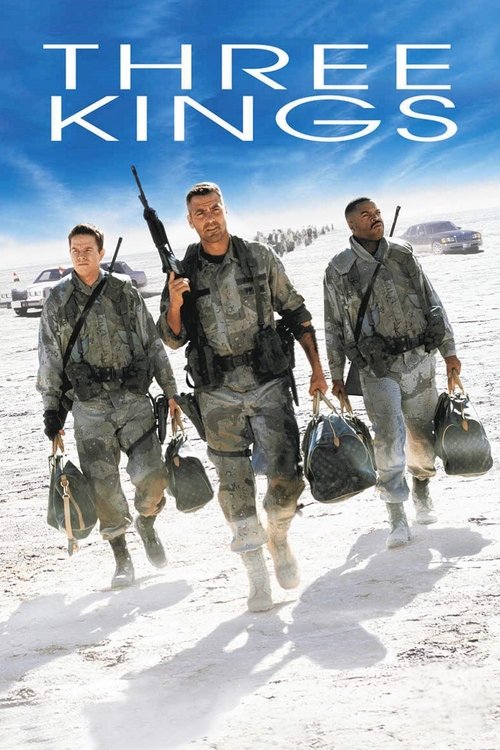
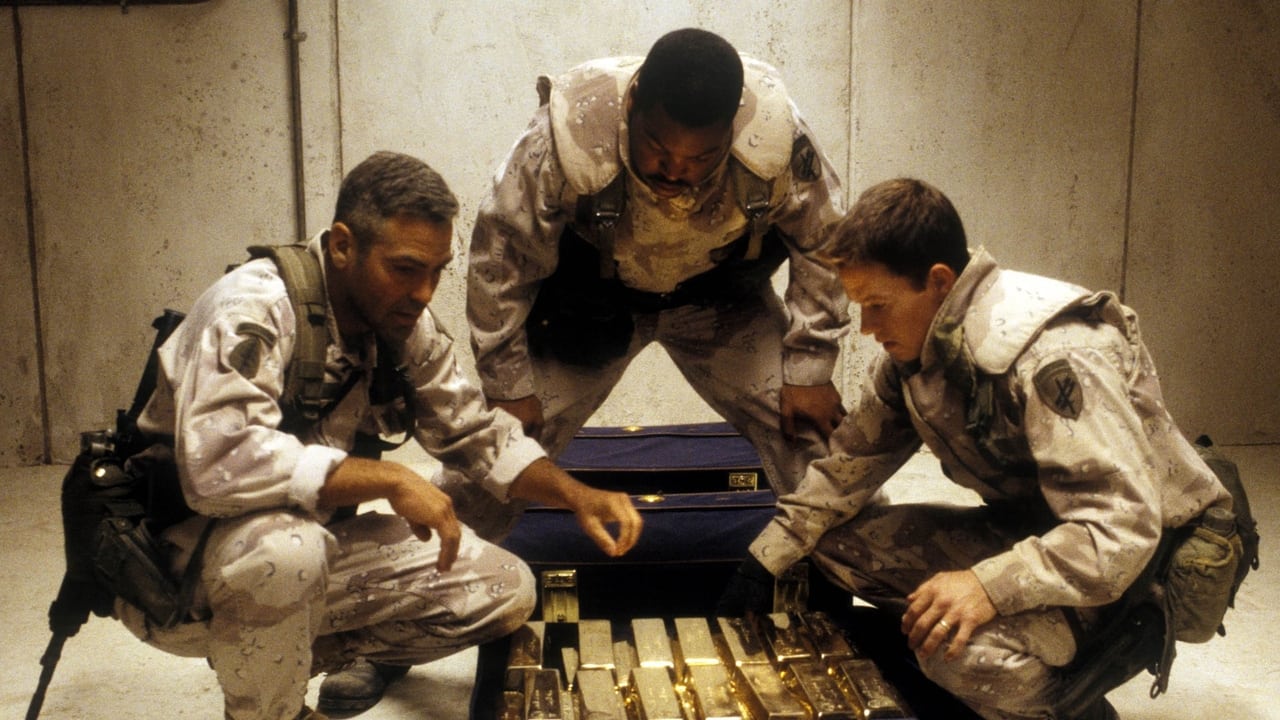
Looking back, this was a massive gamble for a $75 million studio picture. It doesn't look "expensive" in the traditional sense; it looks raw. But that aesthetic choice perfectly mirrors the chaotic energy of the plot. We start with a group of soldiers—Archie Gates (George Clooney), Troy Barlow (Mark Wahlberg), and Chief Elgin (Ice Cube)—who are bored out of their minds at the end of the Gulf War. They find a map to Saddam’s stolen Kuwaiti gold and decide to go on a "liberation" mission of their own. It’s Kelly's Heroes for the MTV generation, right up until the moment the reality of the post-war vacuum punches them in the throat.
Clooney, Conflict, and Chaos
This was a pivotal moment for George Clooney. Before this, he was "the guy from ER" who had just survived the neon-nippled disaster of Batman & Robin. In Three Kings, he finally found his cinematic footing. He’s cynical, tired, and trying to out-smoulder the desert sun, but he brings a grounded gravity that the movie desperately needs as it pivots from a heist comedy into a heartbreaking humanitarian drama.
The behind-the-scenes drama is almost as famous as the film itself. The legendary tension between Clooney and David O. Russell—which reportedly culminated in a physical altercation on set—is the stuff of Hollywood lore. Clooney was defending the extras and crew from Russell’s infamously volatile directing style. You can actually feel that friction on screen. There’s a nervous, jagged energy to every performance. Mark Wahlberg is perfectly cast as the naive, suburban dad-turned-soldier, and Ice Cube provides a stoic, cool-headed center. But the secret weapon is Spike Jonze as Conrad Vig. Jonze, a brilliant director in his own right (Being John Malkovich), plays a character so twitchy he looks like he’s composed entirely of caffeine and bad decisions.
A Prophecy in 2.35:1
What’s truly wild about reassessing Three Kings now is how prophetic it feels. Released four years before the 2003 invasion of Iraq, it captures the messy, unresolved political landscape of the region with startling clarity. It asks uncomfortable questions about American intervention: What happens when you tell a people to rise up and then drive away?
The action sequences serve the story rather than just filling a quota. When the shooting starts, it’s not "cool" in a choreographed, John Wick sense. It’s loud, confusing, and terrifying. There’s a scene involving a cow and a landmine that is both darkly hilarious and deeply upsetting—a perfect microcosm of the film’s tonal tightrope walk. Carter Burwell’s score skips the usual orchestral bombast for something more atmospheric and unsettling, punctuating the moments where the "fun" of the heist curdles into the reality of war.
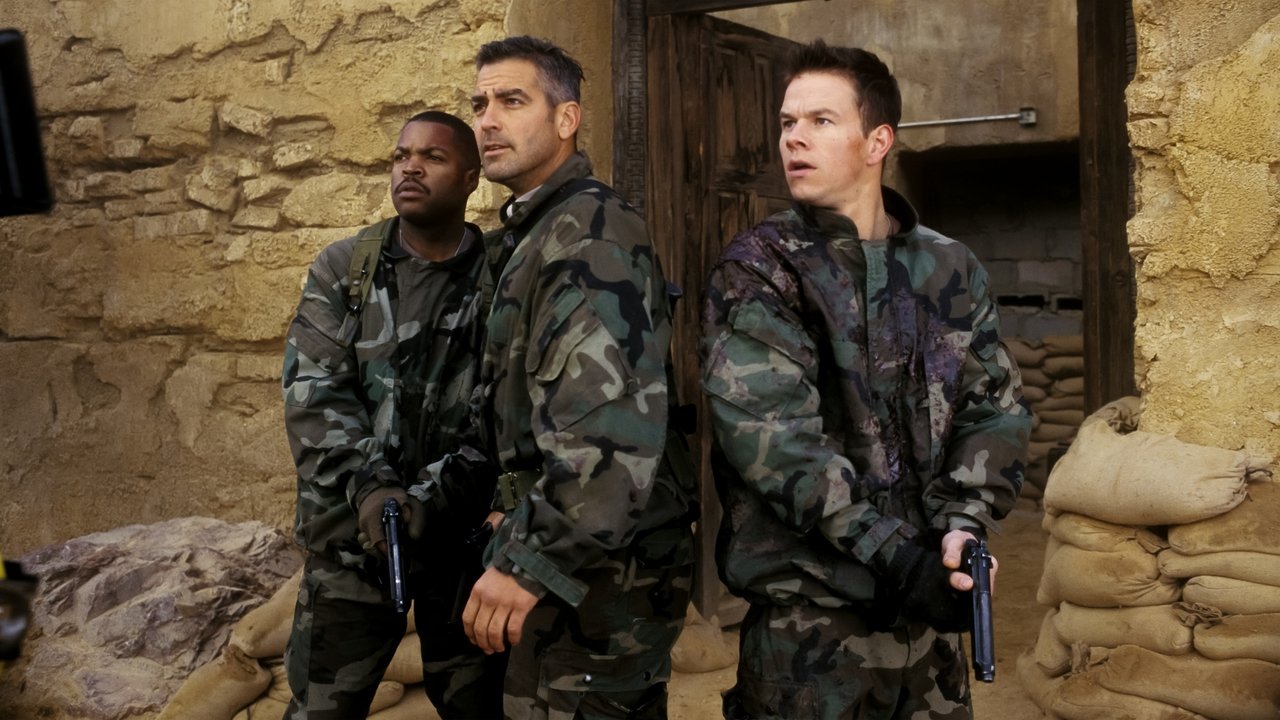
It’s also worth noting the cult-like devotion to the film’s details. From the use of "In the Navy" during a celebration to the way Cliff Curtis plays Amir Abdullah with such dignity, the movie avoids the "faceless enemy" tropes that plagued 80s action cinema. It found its real audience on home video, where fans could freeze-frame the internal bullet shots or marvel at the experimental editing that would later become a hallmark of 2000s cinema.
Three Kings remains a blistering, intelligent, and fiercely funny piece of filmmaking that refused to play by the rules of the genre. It captures that brief window in the late 90s when studios were willing to hand over massive budgets to eccentric auteurs to see what would happen. The result is a war movie that hasn't aged a day because its skepticism and its heart are both timeless. It’s the kind of film that makes you want to talk about it for three hours after the credits roll, even if you have to do it over a bowl of SpaghettiOs.
Keep Exploring...
-
Tropic Thunder
2008
-

Antz
1998
-
Lethal Weapon 4
1998
-

Charlie's Angels
2000
-
Shanghai Noon
2000
-
Bad Boys II
2003
-

Sinbad: Legend of the Seven Seas
2003
-
The Rundown
2003
-

Silver Linings Playbook
2012
-
2 Guns
2013
-
Shanghai Knights
2003
-

Hot Shots!
1991
-

Hot Shots! Part Deux
1993
-

Joy
2015
-
Last Action Hero
1993
-
O Brother, Where Art Thou?
2000
-
Get Smart
2008
-
Megamind
2010
-

Scott Pilgrim vs. the World
2010
-
The A-Team
2010