Toy Story 2
"The rare sequel that proves some things are worth keeping."
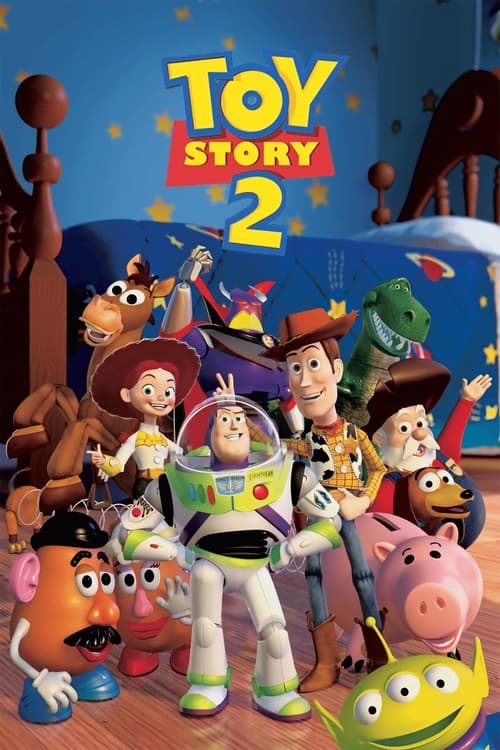
There was a time in the late nineties when the word "sequel" felt like a threat to your wallet rather than a promise of quality. Disney, specifically, was in the middle of a prolific run of direct-to-video sequels that were, to put it politely, the artistic equivalent of a lukewarm Happy Meal. So, when the news broke that Woody and Buzz were returning, there was a collective breath-holding. We didn’t know then that Pixar was about to rewrite the rulebook on how to build a franchise, or that they’d do it while staring down a production schedule that would have caused a lesser studio to implode.
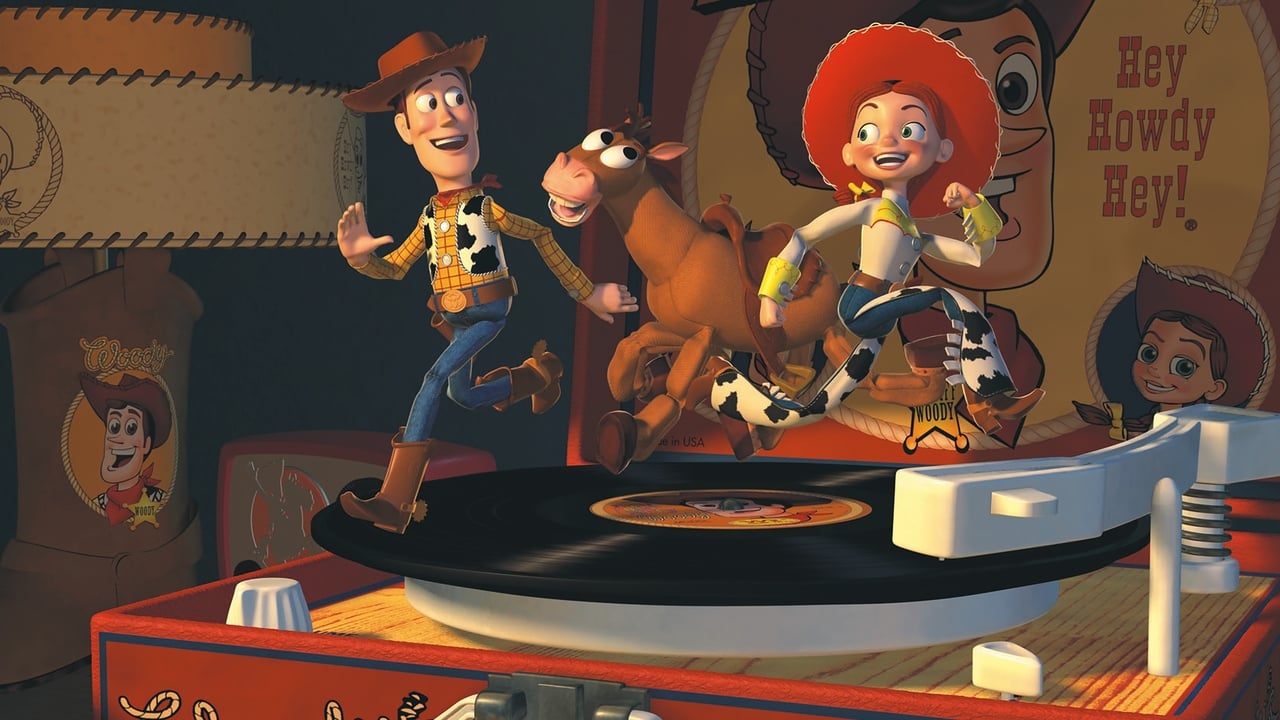
The Nine-Month Miracle
The history of Toy Story 2 is essentially a high-stakes heist movie where the "loot" is a finished film. Originally intended as a 60-minute direct-to-video release, the project was upgraded to a theatrical feature late in the game. The problem? The story wasn’t working. In a move that has since become industry legend, John Lasseter and his team scrapped the existing work and rebuilt the entire movie from the ground up in just nine months. For context, most animated features take four years.
You can feel that manic energy on screen, but it never feels rushed; it feels focused. It’s a $90 million gamble that paid off to the tune of nearly half a billion dollars worldwide, cementing Pixar as the undisputed heavyweight champion of the burgeoning CGI era. I watched this again recently while sitting on a beanbag chair that definitely hasn't been cleaned since the Clinton administration, and the sheer technical leap from the first film still floors me. The lighting in Al’s Toy Barn—the way the fluorescent tubes reflect off the plastic packaging—is where the CGI revolution truly found its feet. We went from the "plastic-only" look of 1995 to a world that felt lived-in, dusty, and tactile.
Comedy Under the Microscope
What makes the humor in Toy Story 2 resonate so much better than its predecessor is the sharp, observational wit. It’s a comedy of errors built on the foundation of a rescue mission. The "Buzz Lightyear aisle" sequence is a masterclass in comedic timing and visual irony. Seeing our Tim Allen-voiced Buzz confront a newer, even more delusional version of himself (complete with a utility belt) is a genius bit of self-parody.
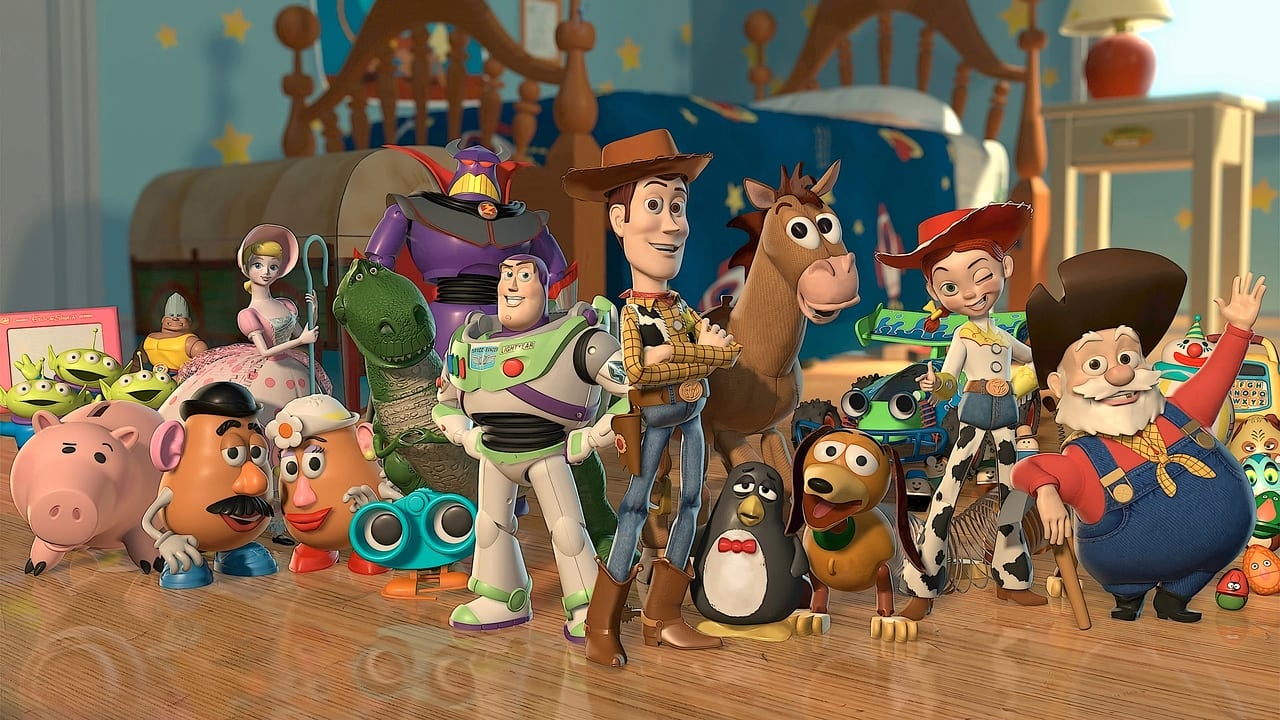
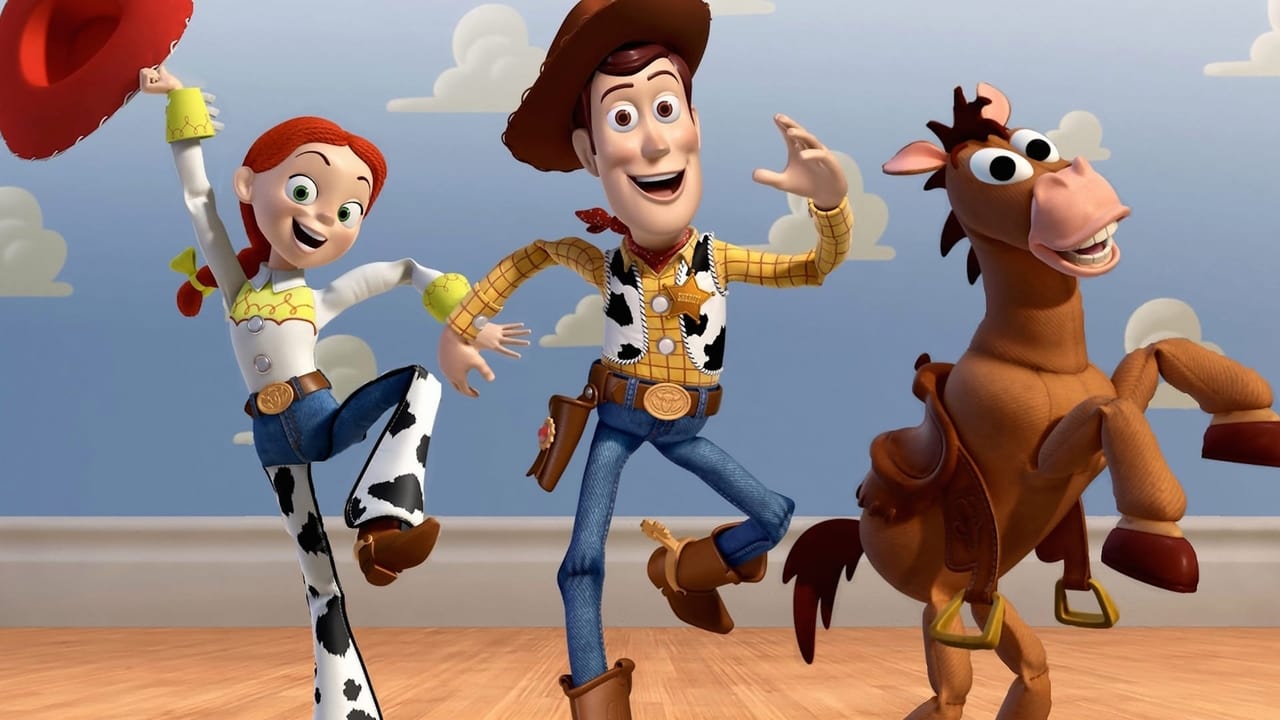
The script by Andrew Stanton and Rita Hsiao is relentless with its setups and payoffs. Whether it’s Rex using his head to literalize a "guidebook" or the brilliant Star Wars riff between Zurg and "New" Buzz, the jokes land because they are born from the characters’ specific neuroses. Don Rickles as Mr. Potato Head continues to be the MVP of sarcasm, but the addition of Joan Cusack as Jessie the Yodeling Cowgirl changed the DNA of the series. She brings a caffeinated, chaotic energy that perfectly offsets Tom Hanks and his more grounded, "aw-shucks" leadership as Woody. The scene where Woody gets "restored" by the old toy cleaner is basically ASMR for people who didn't know what ASMR was yet.
Shelf Life and Mid-Life Crises
While the first film was about the fear of being replaced, the sequel tackles something much heavier: the fear of being forgotten. This is where the "Blockbuster" status meets genuine art. Pixar took a movie about plastic playthings and turned it into a meditation on mortality. The "When She Loved Me" montage, backed by Randy Newman’s heartbreaking score, remains one of the most effective tear-jerkers in cinema history. It’s the moment the movie stops being a fun romp and starts asking if it’s better to be loved and lost or to spend eternity behind glass in a museum in Tokyo.
The villainy here is also more sophisticated. Kelsey Grammer as Stinky Pete (The Prospector) isn't a monster; he’s a bitter intellectual who’s never been played with. He represents the "collector" culture that was exploding in the late 90s—the Beanie Baby era where things were kept in mint condition at the expense of their actual purpose. Looking back, The Prospector is the most underrated villain in the Pixar pantheon because his motivation is so humanly pathetic. He just wants to be looked at.
The DVD Revolution
We can’t talk about Toy Story 2 without mentioning the era of the "Special Edition" DVD. This was the film that taught a generation of kids (and their parents) how movies were actually made. The fake "bloopers" during the credits were a cultural phenomenon on their own, humanizing the digital puppets and making the production feel like a collaborative playground. It was part of a larger shift in film literacy where we started caring about the "how" as much as the "what."
By the time the credits roll and you see Jim Varney’s final performance as Slinky Dog (he passed away shortly after), you realize that Toy Story 2 isn't just a successful sequel. It’s the film that proved animation could handle complex emotional shifts—from the high-octane comedy of an airport luggage carousel chase to the quiet tragedy of a toy under a bed—without losing its soul. It’s a blockbuster with a pulse.
In an era defined by tech anxieties and the rush to digitize everything, Toy Story 2 used that very technology to remind us of the value of the physical and the ephemeral. It’s a comedy that makes you laugh until you realize you’re crying, and a rescue mission that ends up saving the audience’s faith in sequels. It remains the gold standard for how to grow a franchise without selling its heart for parts.
Keep Exploring...
-
Toy Story
1995
-
Toy Story 3
2010
-
Toy Story 4
2019
-

A Bug's Life
1998
-
Cars
2006
-
Monsters, Inc.
2001
-
Shrek
2001
-

Ice Age
2002
-

Lilo & Stitch
2002
-
Shrek 2
2004
-

Up
2009
-
Chicken Run
2000
-

The SpongeBob SquarePants Movie
2004
-
Toy Story of Terror!
2013
-
Ratatouille
2007
-

The Simpsons Movie
2007
-
Kung Fu Panda
2008
-
Despicable Me
2010
-
Kung Fu Panda 2
2011
-
Madagascar 3: Europe's Most Wanted
2012