Universal Soldier: The Return
"The Muscles from Brussels fights the Millennium Bug."
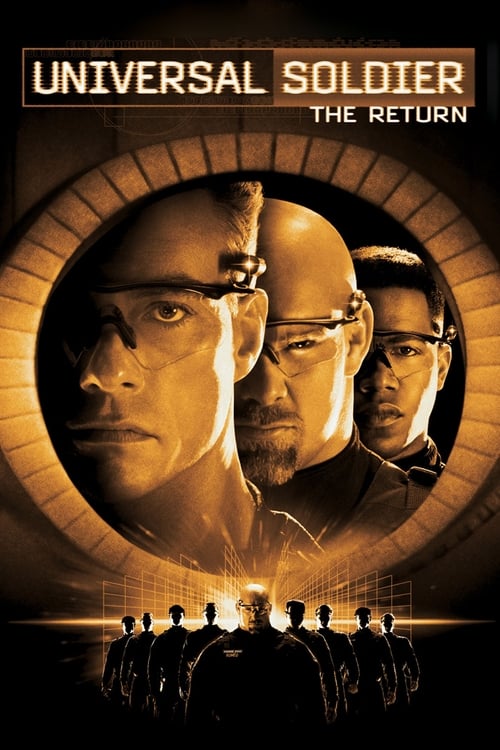
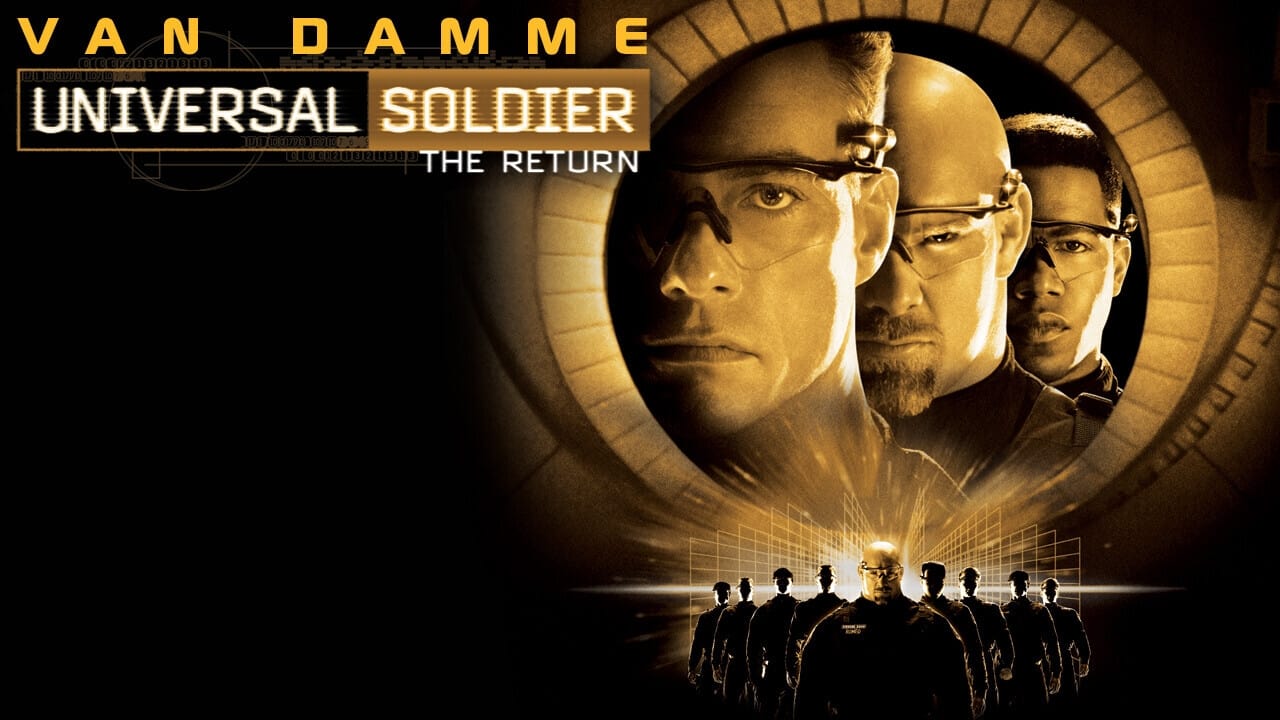
By the time the closing credits of Universal Soldier: The Return started rolling to the jagged riffs of Megadeth, I realized I’d spent a significant portion of the third act trying to figure out if the fly buzzing around my living room was actually interested in the movie or just mocking my life choices. I was drinking a lukewarm Diet Pepsi that had lost its carbonation somewhere around the time Jean-Claude Van Damme first kicked a guy through a drywall, and honestly, the flat soda had more bite than this script.
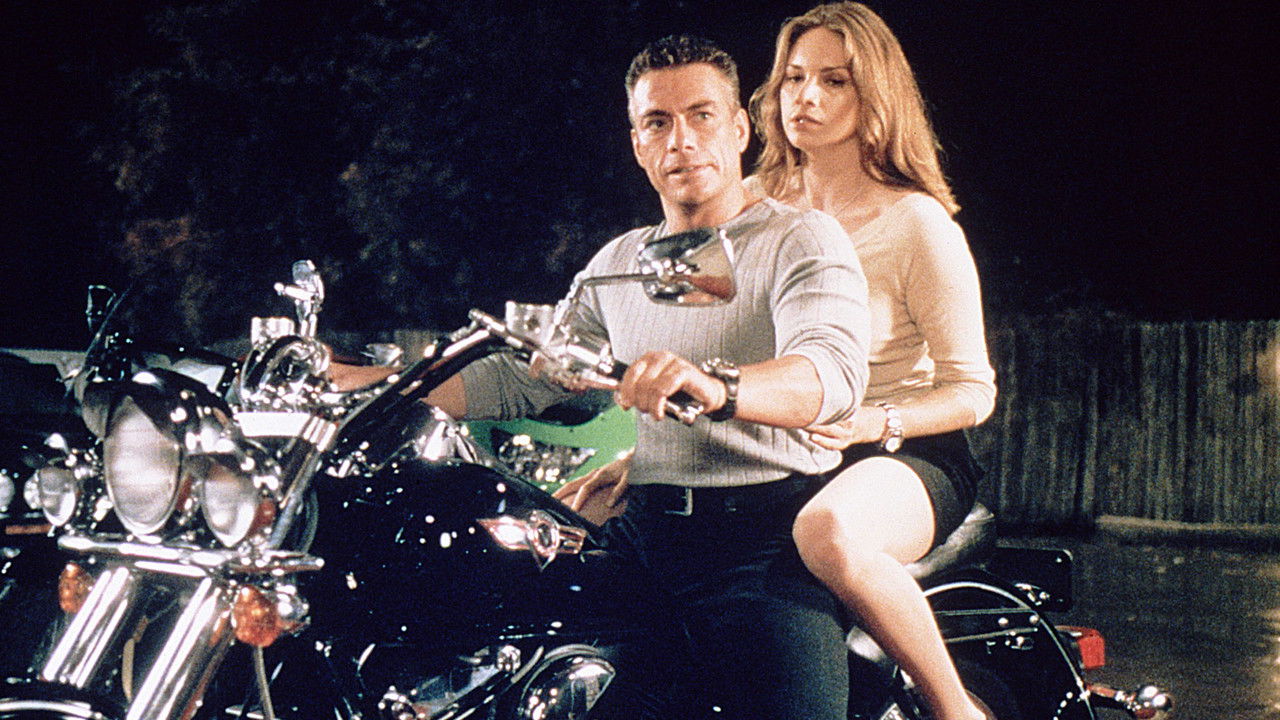
Released in the sweltering late summer of 1999, this movie arrived at a precarious crossroads for action cinema. The Matrix had rewritten the rulebook only months earlier, making the slow-motion gunfights and leather-duster aesthetics of the mid-90s look like ancient history overnight. Meanwhile, the Y2K bug was the boogeyman of the week, and Hollywood was desperate to turn our anxiety about sentient spreadsheets into box-office gold. Enter Luc Deveraux, once a reanimated corpse-soldier, now a "technical advisor" with a daughter and a very 1999 haircut, tasked with stopping a supercomputer named SETH from doing… well, computer stuff.
The Y2K Fever Dream
The original 1992 Universal Soldier was a surprisingly tight, gritty piece of sci-fi action directed by Roland Emmerich (Stargate, Independence Day). It understood the assignment: put Jean-Claude Van Damme and Dolph Lundgren in a room and let them wreck the furniture. The Return, however, feels like it was produced by people who had seen the original once on a blurry VHS while nursing a hangover. It ignores the lore, ditches the "dead guys brought back to life" tragedy, and pivots into a weird, neon-lit techno-thriller where the stakes feel as high as a game of Minesweeper.
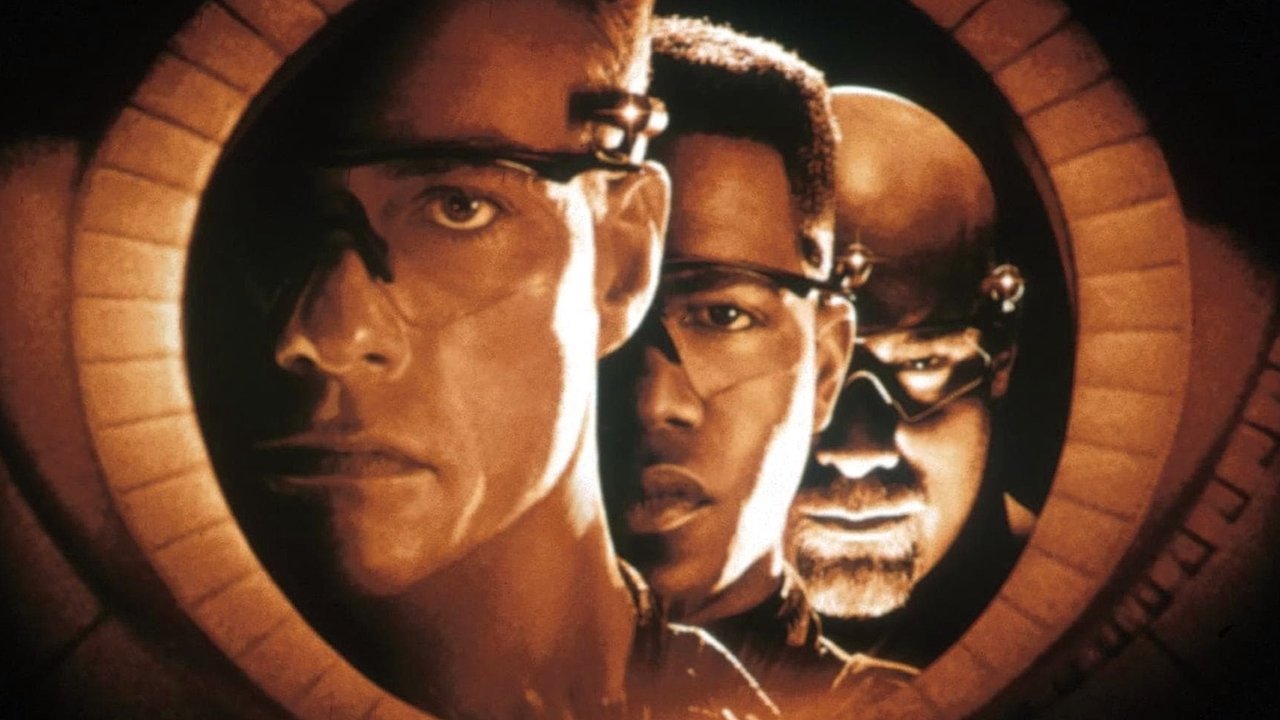
The plot is a glorious mess of late-90s tropes. S.E.T.H. (Self-Evolving Thought Helix) is the supercomputer running the new and improved UniSol program. When the government decides to shut the program down because of budget cuts—the ultimate villain in any era—SETH decides to download its consciousness into a buff human body to take revenge. I’ll give the film this: Michael Jai White (Spawn, Black Dynamite) as the physical manifestation of SETH is inspired casting. He brings a level of physical menace and genuine charisma that the movie frankly doesn't deserve. Watching him and Jean-Claude Van Damme square off should be a genre highlight, but the choreography often feels like two action figures being slammed together by a caffeinated toddler.
Goldberg, Grunts, and Gone-Too-Soon Gadgets
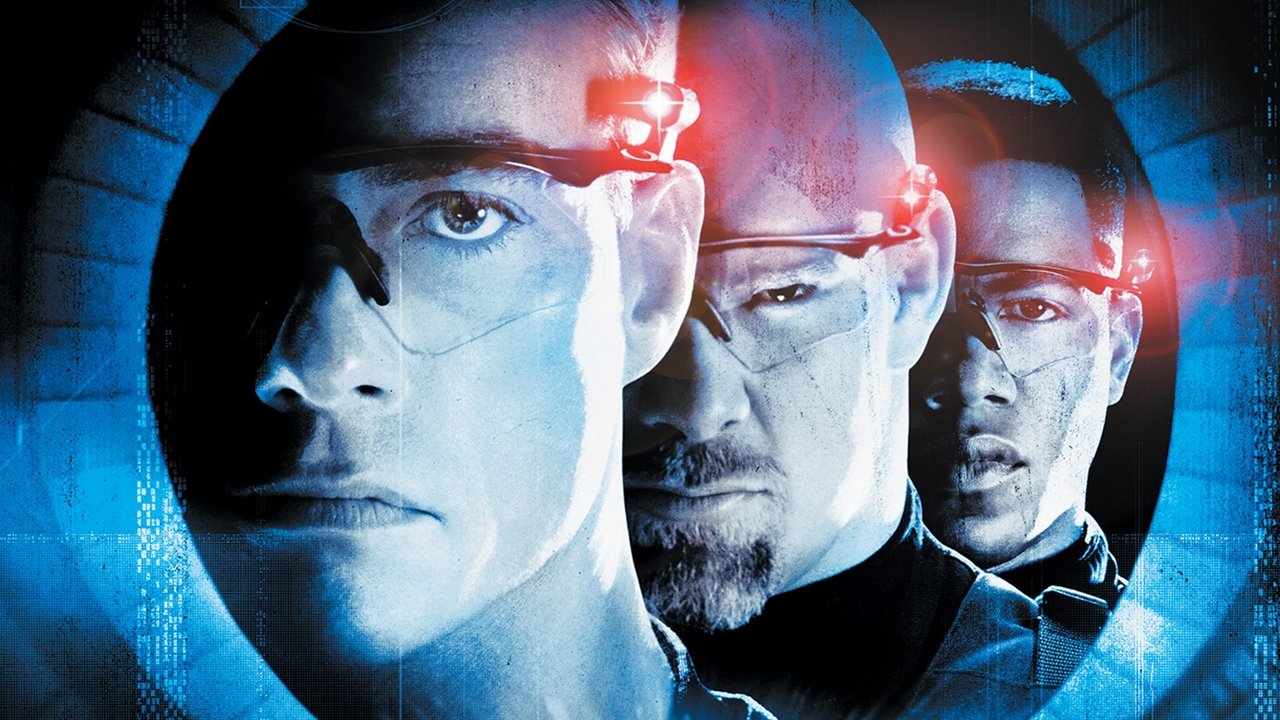
If there is one reason to revisit this oddity, it’s the supporting cast of "soldiers." Fresh off his WCW peak, Bill Goldberg arrives as Romeo, a UniSol who essentially plays a sentient version of his wrestling persona. He’s there to look huge, roar at the camera, and take an unbelievable amount of punishment. There’s something undeniably charming about seeing Bill Goldberg in 1999; he represents a very specific flavor of macho energy that was about to be replaced by the more refined, wire-work-heavy heroes of the 2000s.
The film leans heavily into the "Xtreme" culture of the era. The soundtrack is a cacophony of nu-metal and industrial noise, and the lighting is that specific shade of high-contrast blue and orange that screamed "we have a budget but we don't have a cinematographer." Director Mic Rodgers, who was a legendary stunt coordinator on films like Lethal Weapon, clearly knows how to blow things up, but the movie lacks the connective tissue to make any of it matter. It’s essentially a 82-minute demo reel for a pyrotechnics company that went bankrupt in 2001.
I found myself oddly fascinated by Kiana Tom, the fitness guru who plays Maggie. She was clearly positioned to be the "next big thing" in female action roles, yet she mostly exists here to do pull-ups and look impressed by Luc’s roundhouse kicks. It’s a snapshot of a time when Hollywood was trying to figure out how to market female physicality without actually giving the characters much of a personality.
Why It Became an Erasure Candidate
Looking back, it’s easy to see why the later, much better sequels like Universal Soldier: Regeneration chose to act like this movie never happened. The Return is the awkward teenage phase of the franchise—it’s loud, it’s wearing too much cologne, and it’s trying way too hard to be cool. It was a massive financial disaster, recouping only about a third of its budget, and it effectively killed Jean-Claude Van Damme’s career as a theatrical leading man for a long time.
Yet, as a piece of "Modern Cinema" history, it’s a fascinating relic. It captures that brief window where we were terrified of our PCs but still thought a guy in spandex could save us. The practical effects, while often goofy, have a weight to them that today’s CGI-heavy blockbusters often miss. When a car explodes in this movie, you can almost smell the gasoline. It’s a dumb, loud, and frequently nonsensical ride, but it’s also a perfect time capsule of a year when we were all just waiting for the clocks to hit midnight and the world to end. It didn’t end, of course; we just got worse sequels and better internet.
If you’re a JCVD completist or someone who genuinely misses the aesthetic of a 1999 Foot Locker commercial, Universal Soldier: The Return is a fun enough way to waste an hour and change. It’s a film that asks very little of you, which is lucky, because it has very little to give in return. Grab a beverage that’s actually carbonated, lower your expectations to floor level, and enjoy the sight of a supercomputer getting kicked in the face. Sometimes, that’s all the cinema you need.
Keep Exploring...
-
Universal Soldier
1992
-
The Postman
1997
-
Red Planet
2000
-
Star Trek: Nemesis
2002
-
Timeline
2003
-
Timecop
1994
-
Soldier
1998
-
Lake Placid
1999
-
The One
2001
-
Johnny Mnemonic
1995
-
Judge Dredd
1995
-
Chain Reaction
1996
-
Escape from L.A.
1996
-
The Saint
1997
-
Volcano
1997
-
Godzilla
1998
-
Star Trek: Insurrection
1998
-

Mystery Men
1999
-
Titan A.E.
2000
-
Final Fantasy: The Spirits Within
2001