A Dog's Will
"Heaven is a courtroom, and a liar is the lawyer."
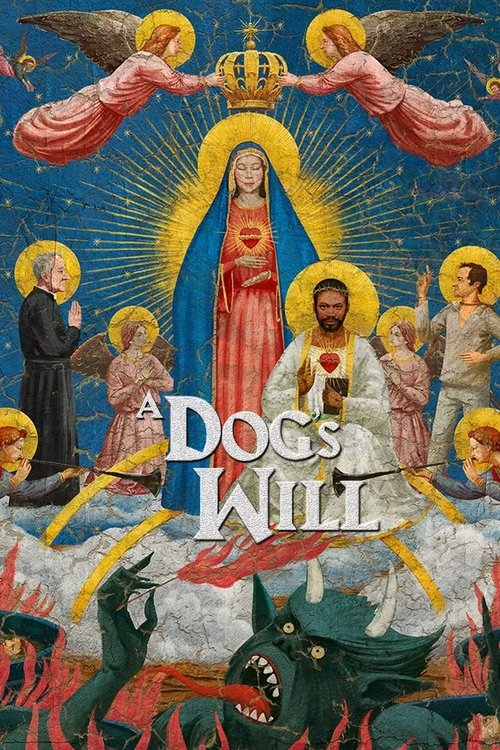
If you ever find yourself wandering through the sun-bleached, cracked earth of the Brazilian Sertão, you’ll likely hear tales of João Grilo. He is the ultimate "yellow man"—the underdog who survives on nothing but his wits and a pathological inability to tell the truth. I first stumbled upon A Dog’s Will (O Auto da Compadecida) during a particularly humid summer afternoon while nursing a lukewarm cup of instant coffee that tasted vaguely of disappointment. Within ten minutes, I had forgotten about the coffee, my broken air conditioner, and the 21st century entirely.
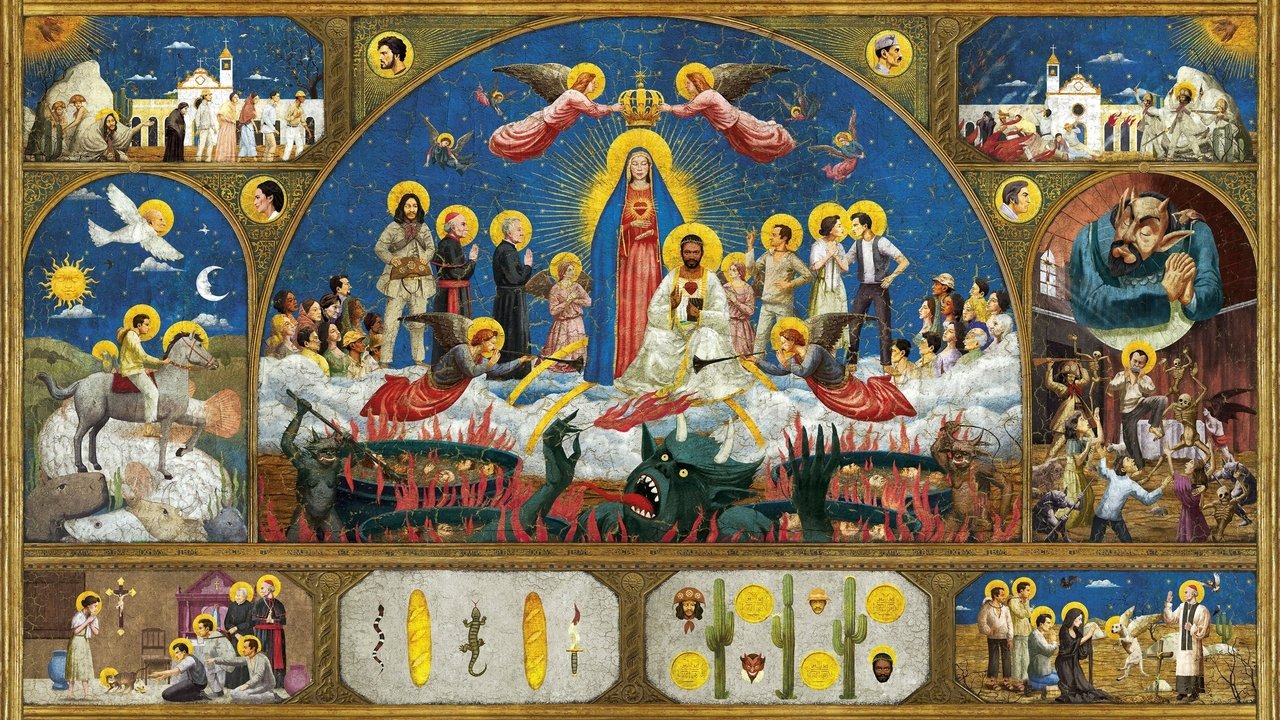
This isn't just a movie; it’s a foundational myth disguised as a screwball comedy. Released at the dawn of the millennium, it feels like the definitive bridge between the folk traditions of the 16th century and the frantic, digital-editing energy of the early 2000s. It’s a miracle of a film that manages to be both a slapstick riot and a deeply moving theological debate without ever feeling like it’s lecturing you.
The Art of the Hinterland Hustle
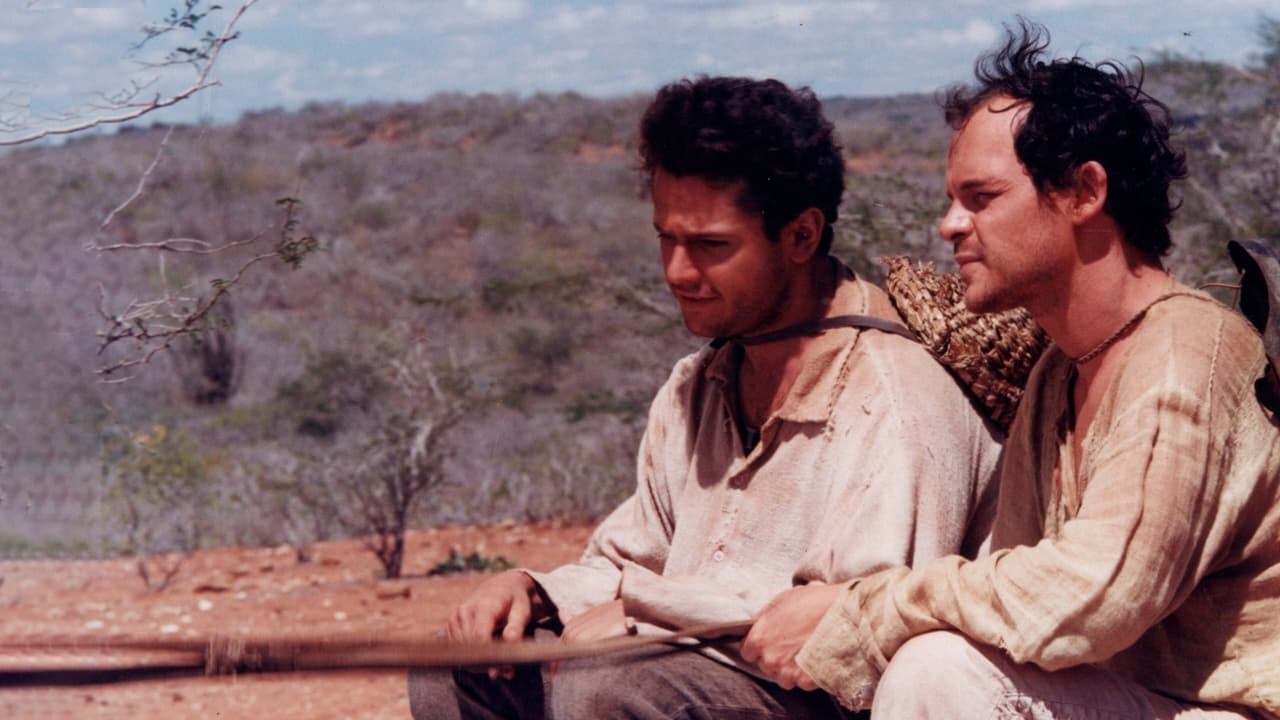
At the heart of the chaos are two of the most charismatic leads you’ll ever encounter in world cinema. Matheus Nachtergaele plays João Grilo with a twitchy, manic energy that suggests his brain is constantly three steps ahead of his stomach. Beside him is Selton Mello as Chicó, a man whose cowardice is only matched by his talent for spinning tall tales. Chicó is the kind of guy who claims to have fought a whale in a freshwater pond and, when pressed for details, simply shrugs and says, "I don't know, that's just how it happened."
The plot is a series of escalating scams in a small town where the local power players—a greedy priest (Rogério Cardoso), a philandering baker (Diogo Vilela), and his bored wife (Denise Fraga)—are all just as corrupt as the protagonists, but far less likable. The centerpiece of the first act involves a dying dog and a "will" that supposedly leaves money to the Church. Watching João Grilo manipulate the local clergy’s greed is a masterclass in pacing; the local clergy here are basically theological used-car salesmen, and watching them get out-negotiated by a man who hasn't eaten in two days is pure catharsis.
A Trial of Celestial Proportions
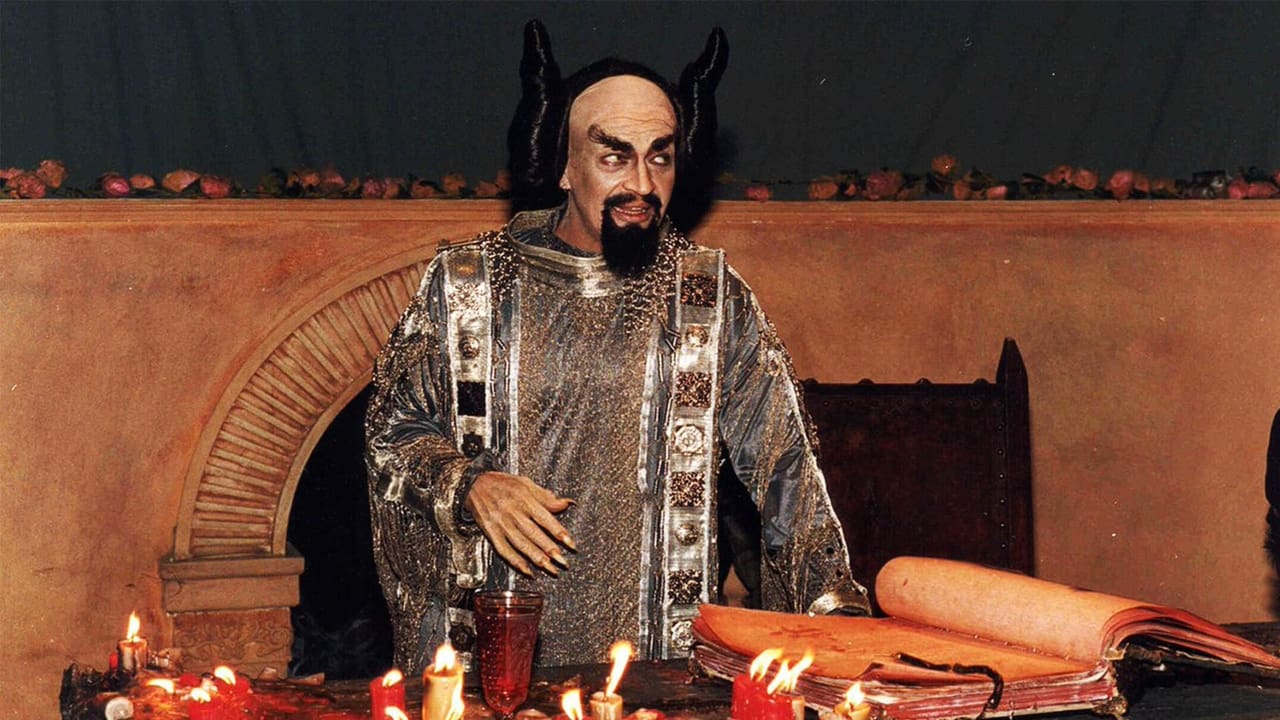
The film takes a hard left turn into the supernatural in its final act, and this is where it transitions from a great comedy to a masterpiece. After a bandit raid leaves most of the cast dead, the setting shifts to the gates of Heaven—or rather, a celestial courtroom. Here, we meet the Devil, played by Luís Melo with a menacing, rock-star swagger, and Jesus, who is depicted as a Black man to the shock of the "pious" but racist townspeople.
This sequence is where the movie’s philosophical teeth really show. The Devil wants these souls for his collection, citing their petty lies and infidelities. João Grilo, ever the survivor, decides to act as the defense attorney. It’s a brilliant subversion of the "Judgment Day" trope. It suggests that if God is truly just, He must account for the hunger and desperation that drive people to sin in the first place. When the Virgin Mary (the "Compadecida") appears to advocate for them, the film achieves a level of genuine emotional grace that most Hollywood dramas would kill for.
The Legacy of the "Retomada"
Looking back from a two-decade distance, you can see how A Dog's Will benefited from the unique "DVD culture" of the early 2000s. It was originally a four-part television miniseries on Brazil’s Globo network, and director Guel Arraes had to edit it down significantly for its theatrical release. That "best-of" mentality gives the film a relentless, episodic clip. There isn’t a single wasted frame. Every joke sets up a later payoff, and every bit of CGI—while clearly of its era—serves the whimsical, storybook atmosphere rather than trying to look "realistic."
In Brazil, this film is a monolith. It was a key part of the Retomada (the "Resumption") of Brazilian cinema after a period of government-induced stagnation. While City of God (2002) showed the world the gritty, violent reality of Rio’s favelas, A Dog’s Will showed the world the soul, the humor, and the resilience of the rural Northeast. It’s a film that argues Chicó’s lies are more structurally sound than the 2008 housing market, and it makes you want to believe in those lies just to keep the story going.
A Dog's Will is that rare "hidden gem" that actually lives up to the hype. It’s a vibrant, dusty, hilarious, and eventually heart-wrenching look at what it means to be human in a world that seems designed to crush you. It treats its characters with a profound dignity, even when they’re behaving like absolute idiots. If you haven't seen it, you are denying yourself one of the most joyous experiences in the history of the medium. Just don't try the "yellow dog" trick on your landlord. Trust me.
Keep Exploring...
-

Millennium Actress
2002
-

Dilwale Dulhania Le Jayenge
1995
-

Sliding Doors
1998
-

10 Things I Hate About You
1999
-

EverAfter
1998
-
A Little Princess
1995
-

Neon Genesis Evangelion: The End of Evangelion
1997
-

Talk to Her
2002
-
The Postman
1994
-
Ghost Town
2008
-

Moonrise Kingdom
2012
-

Ruby Sparks
2012
-

About Time
2013
-

The Way He Looks
2014
-

The Muppet Christmas Carol
1992
-

Volver
2006
-
The Family Man
2000
-

Just Like Heaven
2005
-
My Cousin Vinny
1992
-

Three Colors: Red
1994