Almost Famous
"Rock stars, roadies, and the kid who saw it all."
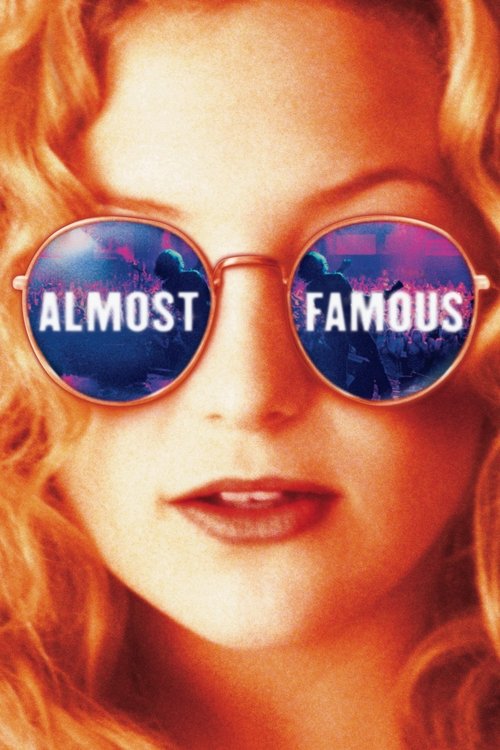
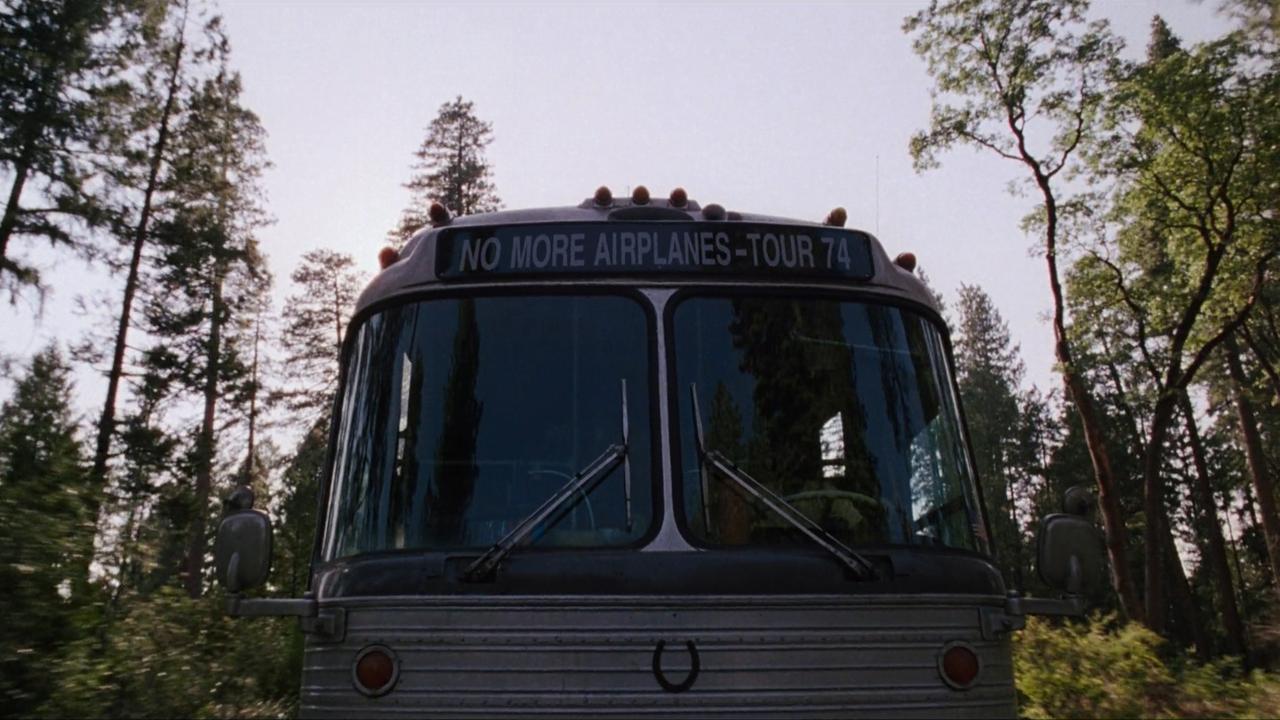
I was halfway through a bag of slightly-too-salty pretzel sticks when I hit the "Tiny Dancer" scene for the fiftieth time, and it struck me: nobody makes movies like this anymore. Not because the talent isn't there, but because the mid-budget, high-concept human drama has become a rare bird in the age of the billion-dollar franchise. Released in the autumn of 2000, Cameron Crowe’s Almost Famous arrived at a strange crossroads. It was a film shot on celluloid, celebrating the analog grit of the 1970s, but it found its true, permanent home in the early-2000s DVD boom. I remember buying the "Untitled" Bootleg Cut on a two-disc set—the kind of physical media that felt like a treasure chest, complete with "hidden" features that rewarded you for actually paying attention.
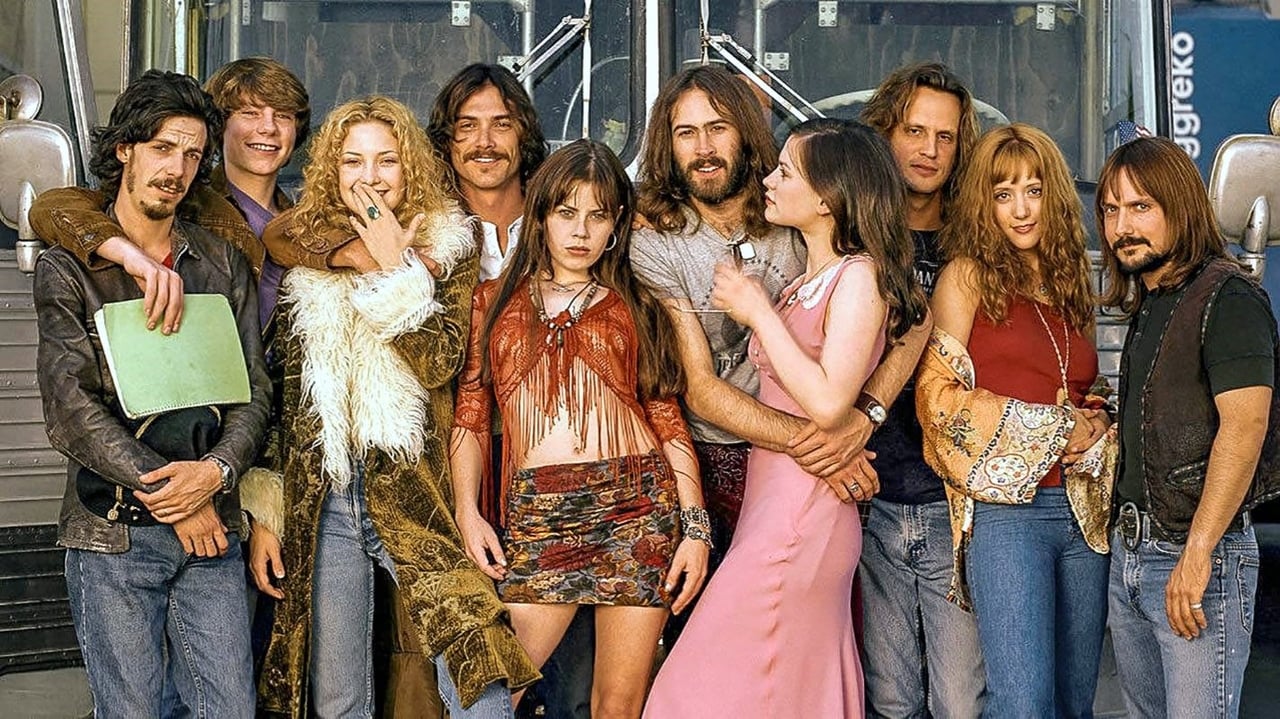
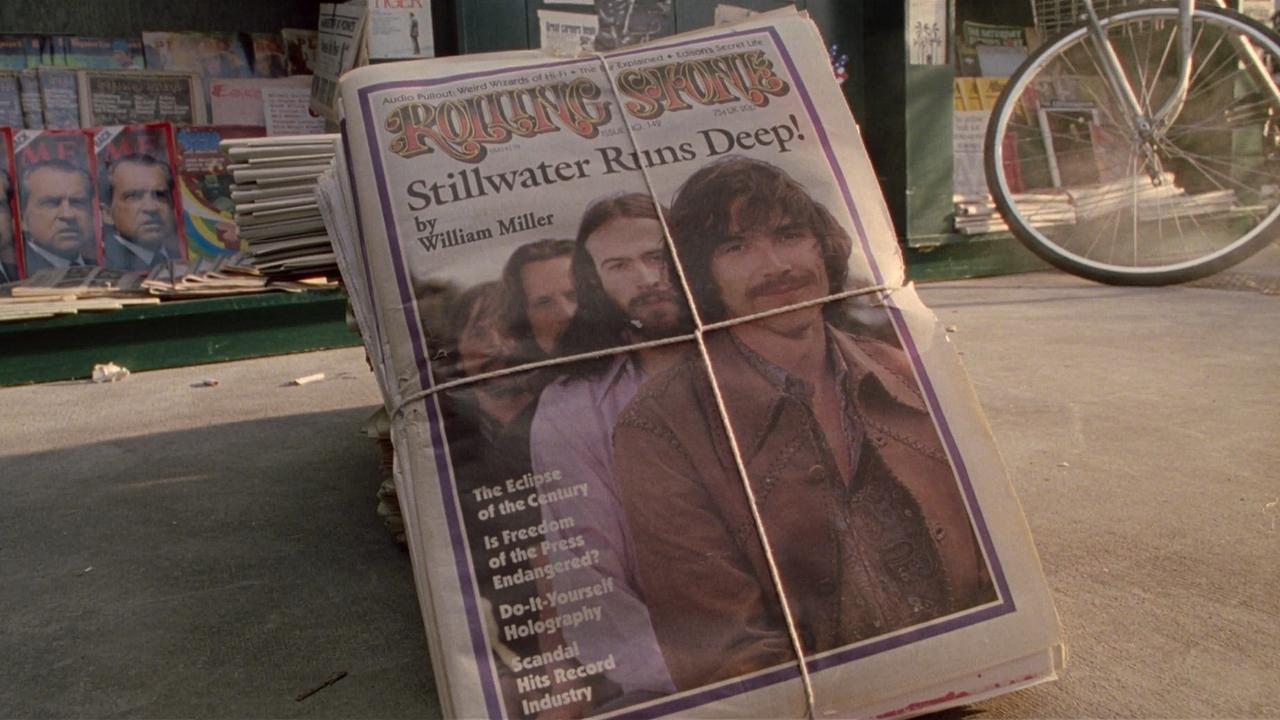
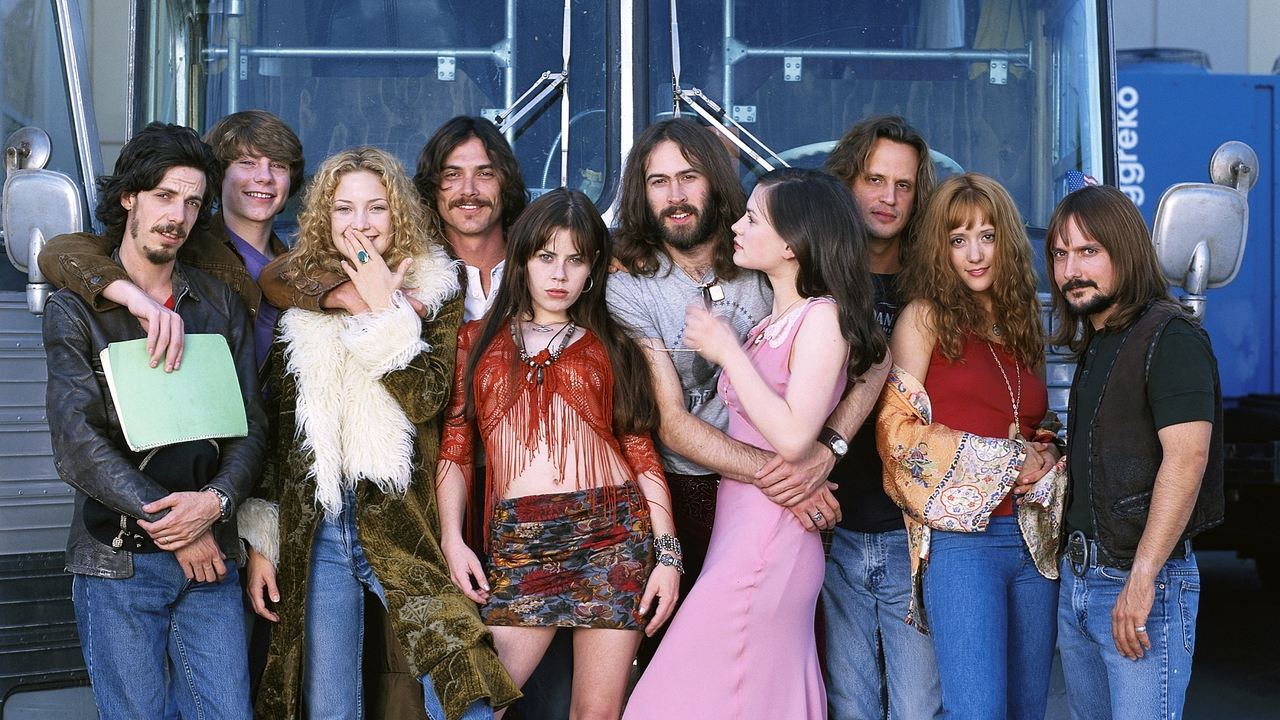
The film follows William Miller (played with a perfect, wide-eyed sincerity by Patrick Fugit), a 15-year-old prodigy who lies his way into a Rolling Stone assignment. His mission? To follow an up-and-coming band called Stillwater. Along the way, he falls for the "Band-Aid" (not a groupie!) Penny Lane, played by Kate Hudson in a performance that somehow bottled lightning and haven't quite been matched since.
The Art of Being Uncool
What I love most about re-watching this now is how it treats "the uncool." In the era of 2000s irony, where everyone was trying to be The Matrix or a Tarantino knock-off, Cameron Crowe leaned into earnestness. He took his own teenage journals from his days at Rolling Stone and turned them into a script that feels lived-in rather than manufactured. Looking back, this movie is a high-fructose injection of sincerity in a cinematic era that was starting to get cynical.
The drama isn't about world-ending stakes; it’s about the soul-crushing realization that your heroes are just people. Billy Crudup as Russell Hammond is the perfect "Golden God." He’s charismatic, talented, and deeply selfish. I’ve always felt that Russell Hammond is a charismatic vampire who would be exhausting to actually know, and Crudup plays that line perfectly. He wants to be "real," but he’s also a man who will gamble away his "family" in a card game. The tension between the music—which is pure and beautiful—and the industry—which is a "circus of idiots"—is where the film finds its heart.
The DVD Revolution and the "Director's Cut"
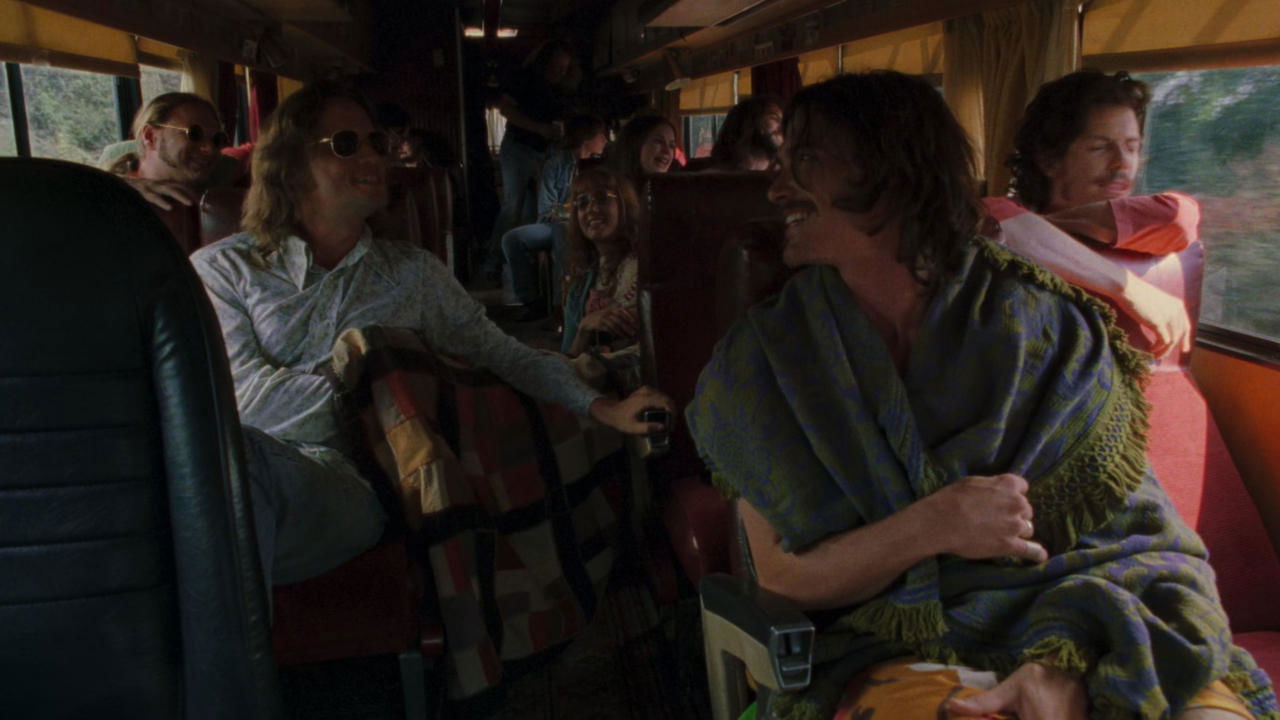
If you saw this in theaters in 2000, you saw a great 124-minute movie. But if you grew up in the DVD era, you likely encountered the 162-minute "Untitled" version. This was a peak moment for the "Modern Cinema" era, where the home viewing experience began to rival the theatrical release. We didn't just watch the movie; we lived in it. The DVD culture allowed for these sprawling, novelistic versions of films to find a devoted cult following.
The production itself was a labor of love that nearly broke the studio. Apparently, the budget ballooned to $60 million—a staggering amount for a drama about a kid with a notebook. Much of that went to the music rights and the meticulous recreation of the 70s. For instance, the band Stillwater actually spent six weeks in "rock school," coached by Peter Frampton, to make sure they didn't look like actors pretending to play. Jason Lee supposedly based his frustrated lead-singer persona on Paul Rodgers of Free, and you can see that friction in every scene where he’s fighting for the spotlight. It’s that attention to detail that makes the world feel tactile.
The Voices on the Other End of the Line
While the rock and roll lifestyle gets the glory, the emotional anchor of the film is Frances McDormand as William’s mother, Elaine. She is the MVP of this movie. Most directors would have made her a caricature of a fun-hating parent, but McDormand makes her terrifyingly relatable. Every time she’s on the phone, she’s not just a plot device; she’s the voice of reality calling William back from the edge of the abyss.
Then there’s Zooey Deschanel as Anita, the sister who leaves her records behind like a trail of breadcrumbs for William to follow. Her departure at the beginning of the film captures that specific Y2K-era feeling of "the world is changing, and you're being left behind." When she tells him, "One day, you’ll be cool," it’s a promise to every kid who ever felt like they were on the outside looking in.
And let’s be honest: Penny Lane isn't a manic pixie dream girl; she’s a professional who’s better at her job than the band is at theirs. Kate Hudson plays her with a mask of perpetual joy that cracks in the most devastating ways. The scene where she asks William if he wants to go to Morocco with her—knowing she’s just been discarded by the band—is a masterclass in masking pain. It earns the drama it builds, never feeling like it's milking the audience for cheap tears.
The film may have been a box office disappointment initially, but its legacy is undeniable. It captures a moment in time—both the 1970s it depicts and the early 2000s it was made in—where the world felt a little more tangible. It’s a film about the love of something—music, writing, people—and the courage it takes to be honest about that love. Whether you’re a "Band-Aid," a "Golden God," or just a kid with a typewriter, Almost Famous reminds you that the only thing that matters is what you do with your "uncool" heart. I'll probably watch it another fifty times, salty pretzels and all.
Keep Exploring...
-
We Bought a Zoo
2011
-
Vanilla Sky
2001
-
Jerry Maguire
1996
-
High Fidelity
2000
-
The Legend of 1900
1998
-

Enemy of the State
1998
-
Moulin Rouge!
2001
-
The Life Aquatic with Steve Zissou
2004
-
High School Musical 2
2007
-
Inside Llewyn Davis
2013
-

Begin Again
2014
-
Elizabethtown
2005
-
That Thing You Do!
1996
-
Selena
1997
-
Save the Last Dance
2001
-
25th Hour
2002
-
8 Mile
2002
-
Ray
2004
-
Walk the Line
2005
-

The Bélier Family
2014