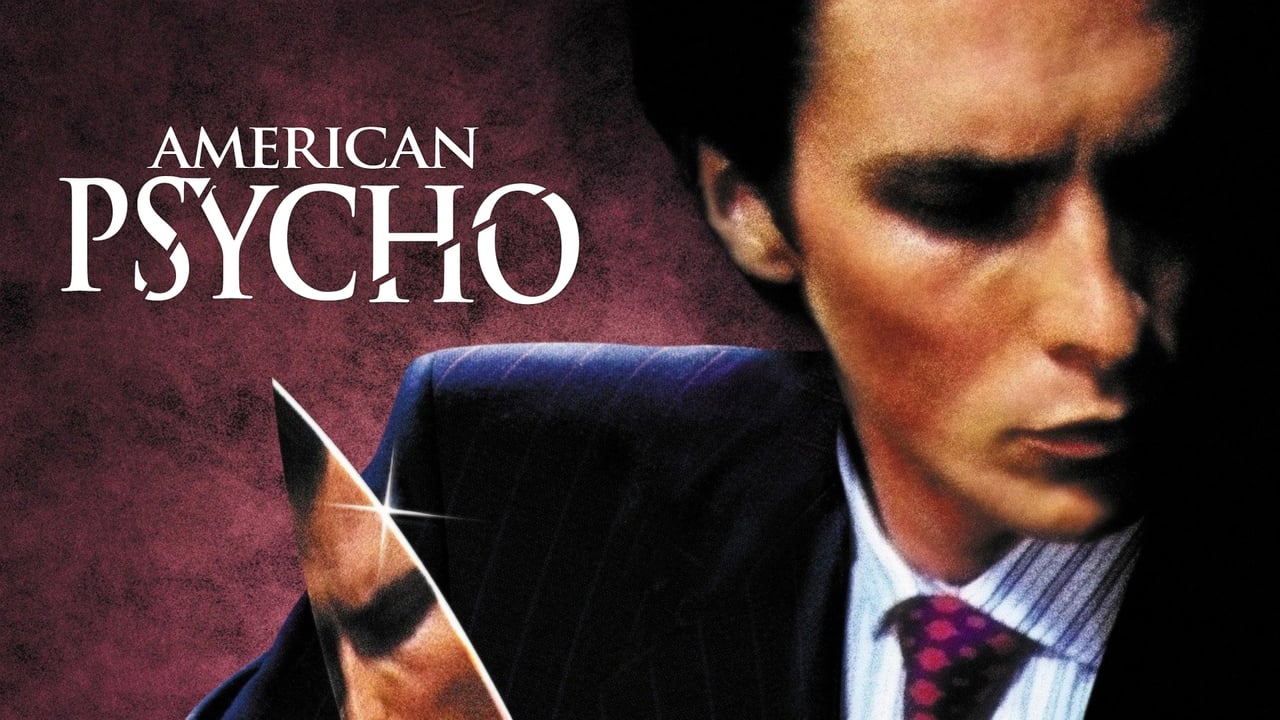
American Psycho
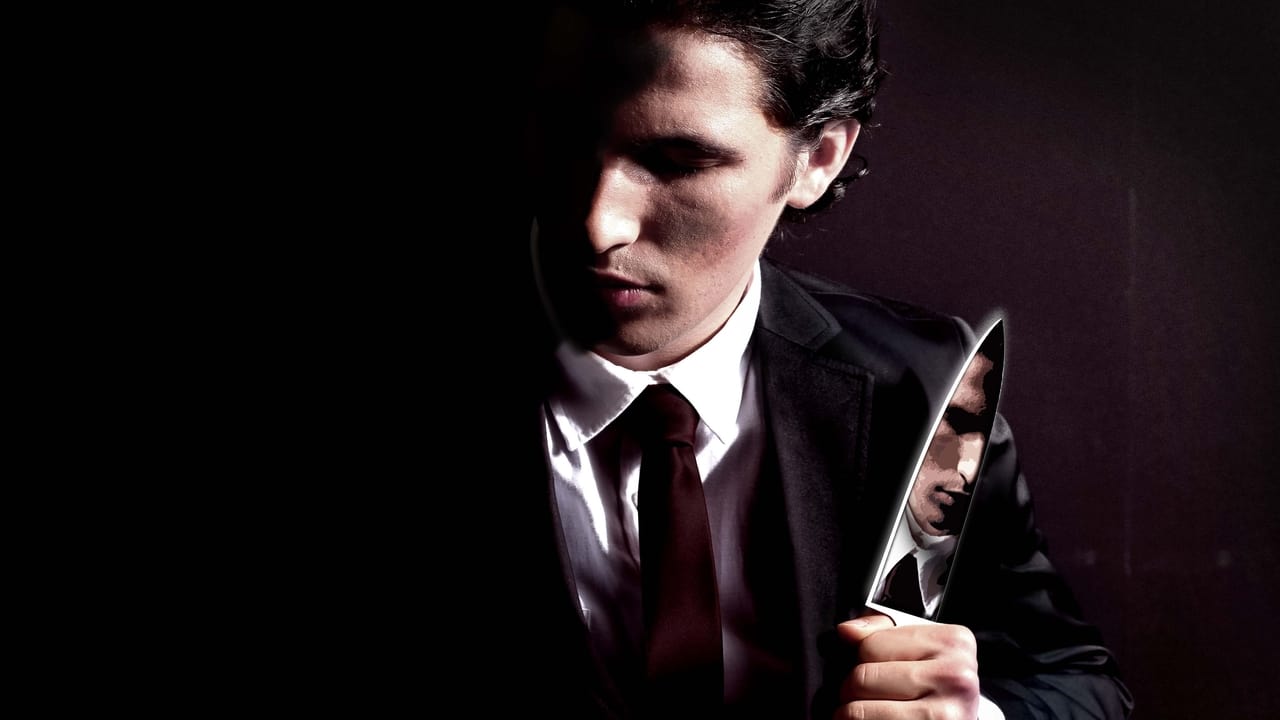
"Sharp suits. Sharper knives. No soul."
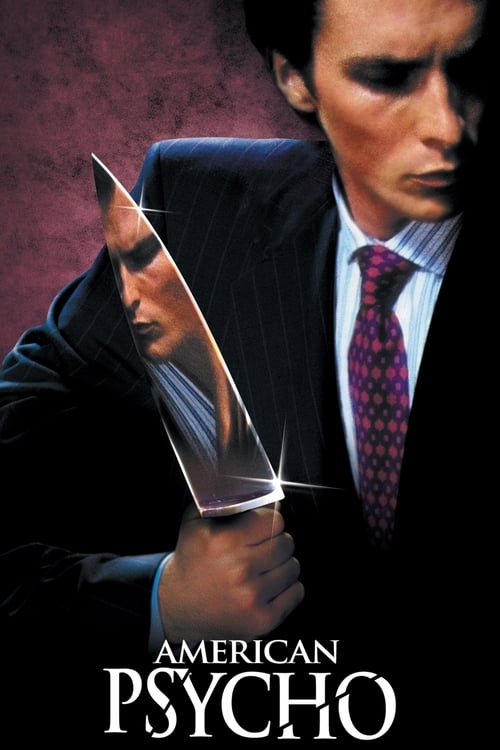
The morning routine of Patrick Bateman is a sequence I can practically recite in my sleep. The ice pack mask, the deep-pore cleanser, the honey almond body scrub—it’s a ritual of self-optimization that feels eerily relevant in our current era of "grindset" influencers and ten-step skincare reels. Yet, when Mary Harron’s adaptation of the "unfilmable" Bret Easton Ellis novel hit theaters in 2000, it didn’t arrive as a lifestyle guide. It arrived as a cold, sharp-edged scalpel aimed directly at the heart of the 1980s.
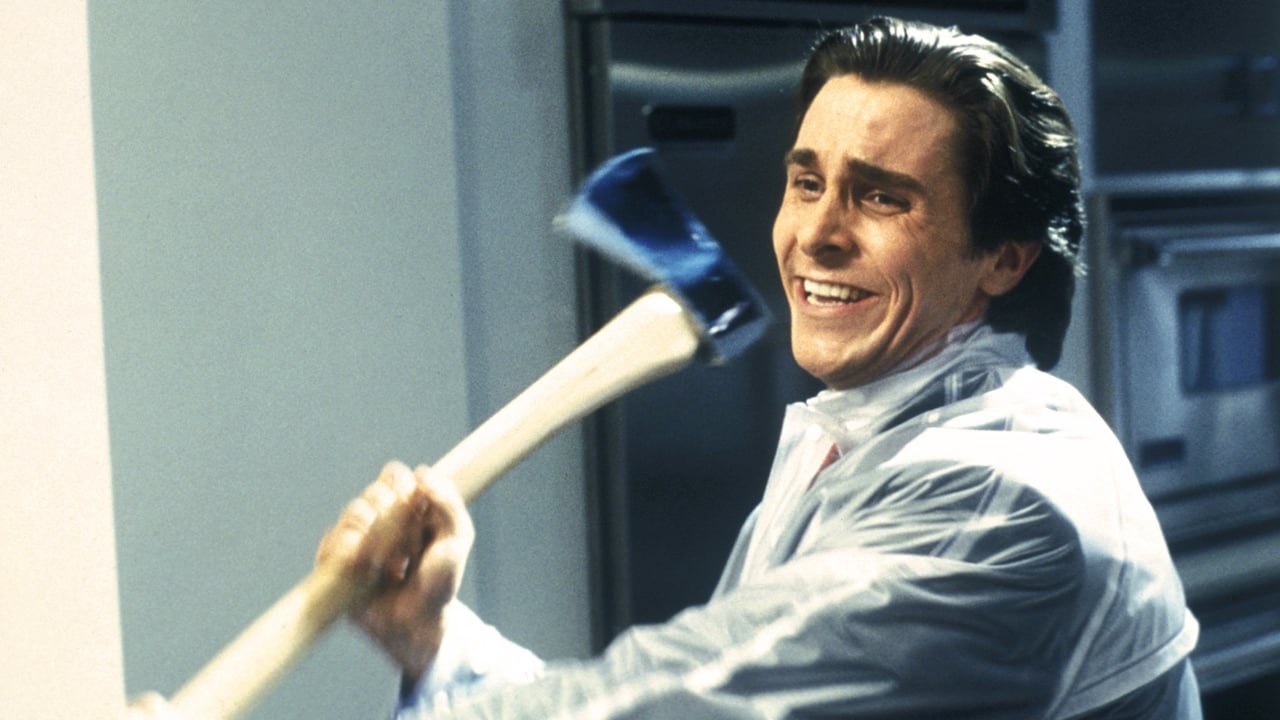
I watched this most recently on a Tuesday night while eating a lukewarm bowl of cereal, and the juxtaposition between my soggy Cheerios and Bateman's $150 urchin ceviche was almost too much to bear. It’s a film that demands you look at the surface, only to realize there’s absolutely nothing underneath.
The Performance of a Lifetime
At the center of this void is Christian Bale. Before he was the Dark Knight, he was the White-Collar Knight, and his performance here remains one of the most daring transformations in modern cinema. Bale plays Bateman not as a suave mastermind, but as a hollow vessel imitating human behavior. There’s a specific, brittle quality to his voice when he talks about Phil Collins or Whitney Houston—it’s the sound of a man who has memorized a Wikipedia page (before Wikipedia existed) just to pass as a person with interests.
Apparently, Christian Bale found the inspiration for Bateman’s eerie, blank-eyed "mask" while watching a televised interview with Tom Cruise. He saw a man who had "nothing behind the eyes" despite a high-energy exterior. It’s that exact energy that makes the film so unsettling; Bateman is a predator who is also a pathetic striver. Bateman isn’t a criminal mastermind; he’s a total loser whose only actual skill is matching ties. If you look closely during the famous business card scene, you’ll see the sweat on his brow isn't from fear of being caught for a crime—it’s from the sheer, soul-crushing inadequacy of having a "bone" colored card when his rival has "eggshell."
A Director’s Precision
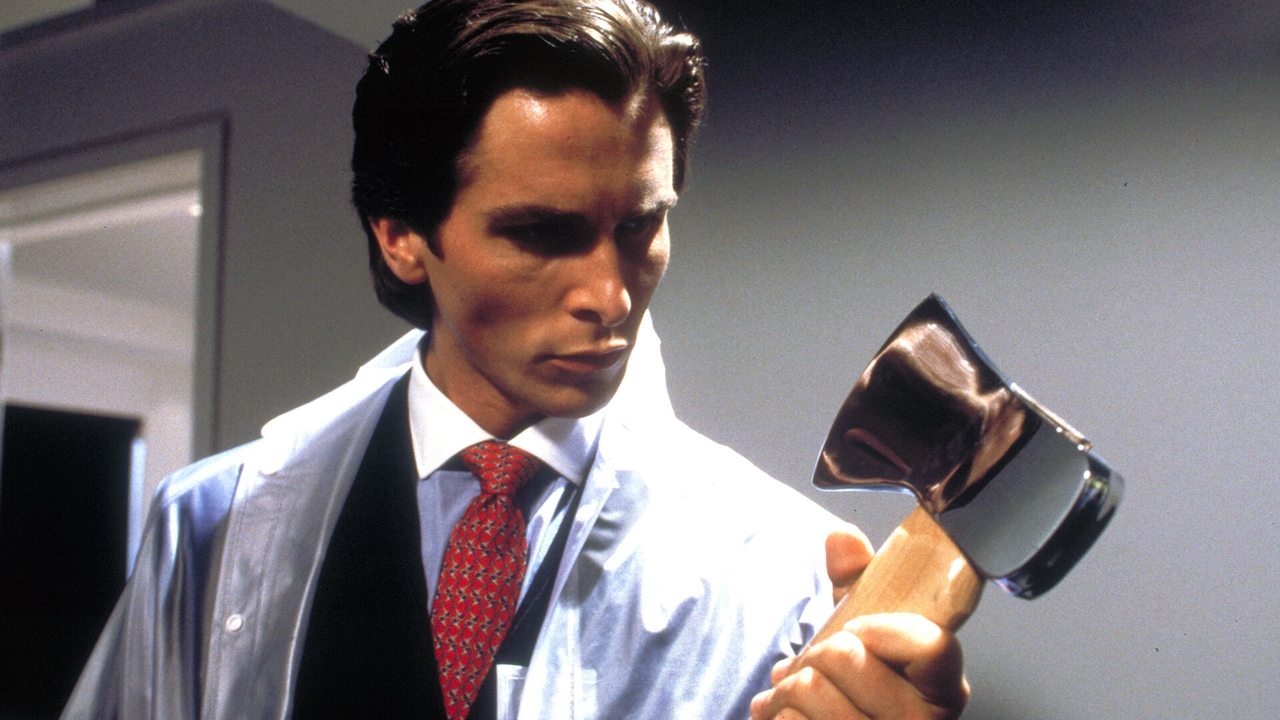
There was a massive tug-of-war behind the scenes of this production. At one point, Lionsgate wanted Leonardo DiCaprio for the lead, freshly off the success of Titanic. They even fired Mary Harron because she refused to meet with him, insisting that Christian Bale was the only one who could play the part. Eventually, DiCaprio moved on to The Beach, and Harron was rehired. It’s a good thing, too. A male director might have leaned too hard into the "cool" factor of the violence. Harron and co-writer Guinevere Turner approached it as a pitch-black comedy about the fragility of the male ego.
The cinematography by Andrzej Sekula (who also shot Pulp Fiction) treats the sterile offices and high-end restaurants of New York like forensic labs. Everything is bright, clean, and utterly dead. The drama here isn't just in the bloodletting; it’s in the silence between the characters. When Justin Theroux, Josh Lucas, and Bill Sage sit around a table, they aren't friends. They are mirrors reflecting the same expensive haircut back at each other. They don't even know each other's names half the time, constantly mistaking Bateman for Marcus Halberstram. It’s a drama of identity where identity doesn't actually exist.
The Cult of the DVD Era
American Psycho is the quintessential "Second Life" movie. It did modest business at the box office ($34 million on a $7 million budget), but it exploded on DVD. This was the era of the "Special Edition," where we’d spend hours digging through deleted scenes to find clues about whether the murders actually happened or if they were all just a part of Bateman’s deteriorating psyche.
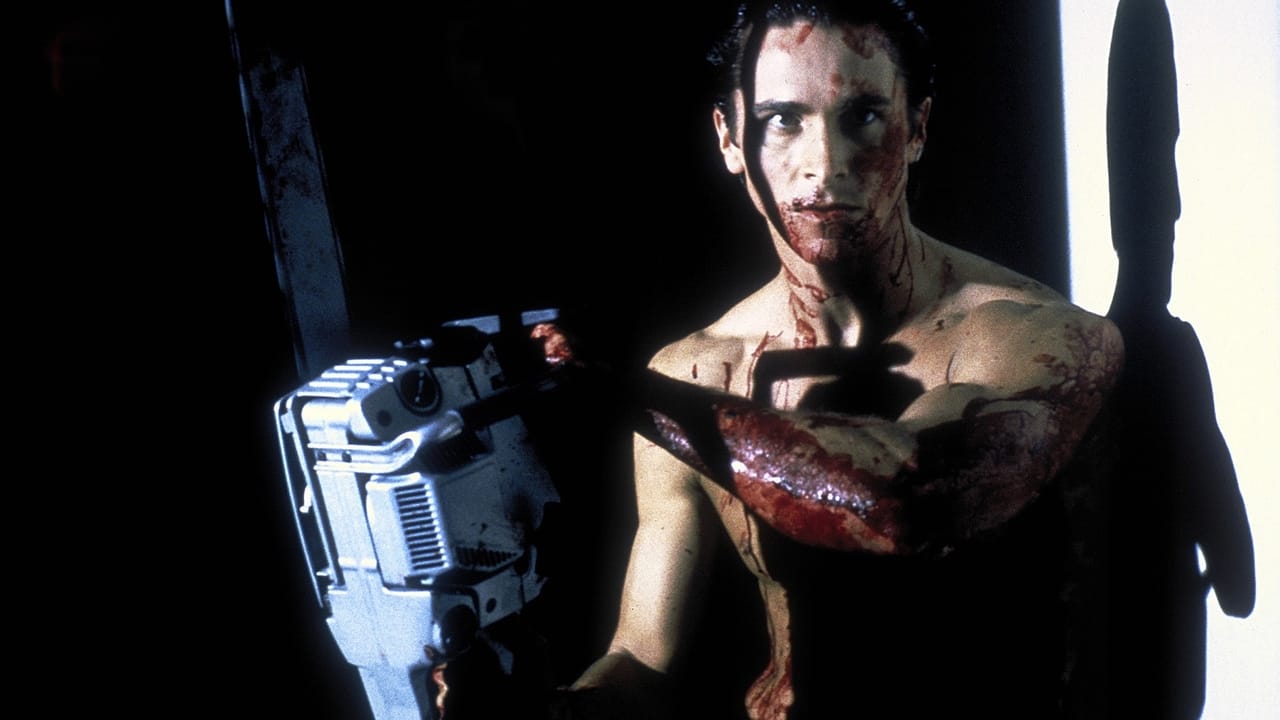
The film is littered with these tiny, obsessive details that fans have cataloged for decades. For instance, the fashion house Cerruti allowed the production to use their clothes on the condition that Christian Bale didn't wear them while killing anyone. If you pay attention, Bateman always changes into a raincoat or strips down before the gore starts—a logistical hurdle that actually enhanced the character’s obsessive-compulsive nature. And that famous "Silian Rail" font on the business cards? It doesn't actually exist. The production team made it up, adding another layer of artifice to a world built on lies.
While the film is famous for its "intense" moments—the chainsaw in the hallway, the axe to the head of Jared Leto—the most heartbreaking performance comes from Chloë Sevigny as Jean, Bateman’s secretary. She is the only person in the film who displays genuine, unironic human emotion. Her scenes provide the "Drama" in this psychological thriller, acting as a reminder of the humanity Bateman has discarded.
In retrospect, American Psycho was a canary in the coal mine for the digital age. It captures that transition from the analog greed of the 80s to the performative obsession of the 2000s perfectly. It’s a film that gets funnier and more disturbing the older you get and the more you realize that the world is still full of Patrick Batemans—men who know the price of everything and the value of nothing. It’s a brutal, essential watch that manages to be both a haunting character study and a hilarious critique of "the good life." Just make sure you have your 8:30 reservation at Dorsia confirmed before you sit down to watch.
Keep Exploring...
-
Dogville
2003
-

Jackie Brown
1997
-
John Q
2002
-
21 Grams
2003
-
The Lincoln Lawyer
2011
-
Out of the Furnace
2013
-
The Machinist
2004
-

Lord of War
2005
-

The Negotiator
1998
-
Road to Perdition
2002
-

A History of Violence
2005
-

Falling Down
1993
-
Natural Born Killers
1994
-

Batman Begins
2005
-
Lucky Number Slevin
2006
-
The Next Three Days
2010
-
Drive
2011
-
End of Watch
2012
-
Nightcrawler
2014
-
The Godfather Part III
1990