Amores Perros
"One collision. Three lives. No easy exits."

The first time I saw the car crash in Amores Perros, I dropped my fork into a bowl of lukewarm spaghetti and didn't pick it up again for twenty minutes. It’s a sequence that doesn't just start a movie; it ruptures the screen. Even now, twenty-four years later, that crunch of metal and glass in the middle of a crowded Mexico City intersection feels more real than 90% of the digital destruction we see in modern blockbusters. It was 2000, and while the rest of the world was worrying about Y2K bugs, Alejandro González Iñárritu was busy proving that the most dangerous thing on the planet wasn't a computer glitch—it was the human heart.
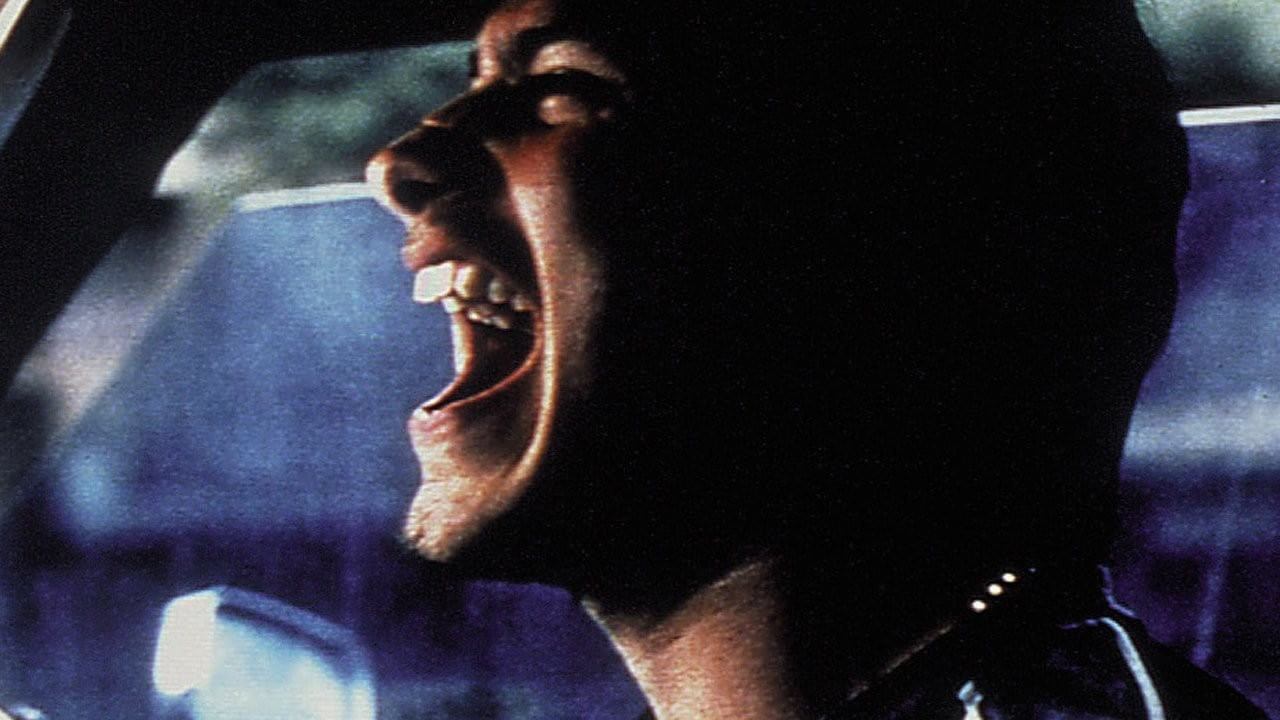
I watched this again recently on a scratched-up DVD I found at a garage sale, and honestly, the grainy, standard-definition fuzziness actually enhanced the experience. It felt like watching a crime scene through a security feed. This isn't a film that wants to be pretty; it wants to be felt, usually in the pit of your stomach.
A Triptych of Bone and Grime
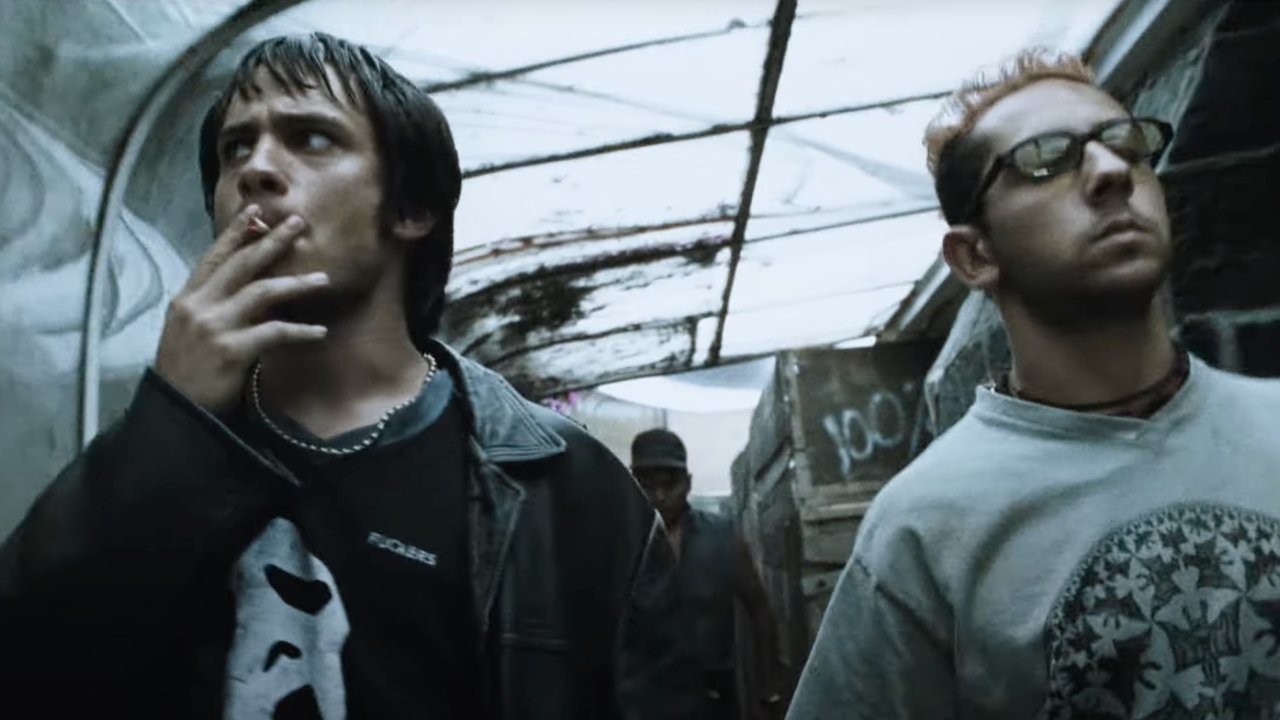
The film is famously split into three interlocking stories, all pivoting around that singular, fatalistic accident. We start with "Octavio and Susana," featuring a young Gael García Bernal in the role that essentially launched him into the stratosphere. He’s Octavio, a kid desperately in love with his sister-in-law, looking for a way out of his cramped, violent reality through the illegal world of dogfighting.
Iñárritu, who moved from radio and commercials into this feature debut, brings a jagged, restless energy to these scenes. The dogs are central—not just as plot points, but as mirrors for the people. Gael García Bernal plays Octavio with a mix of naive hope and terrifying recklessness that makes you want to shout at the screen, but you’re too busy watching the screen for the next dogfight. A quick bit of trivia for the squeamish: despite the terrifyingly realistic brawls, no dogs were actually harmed. The production team used fishing line to keep the animals apart and used clever editing to make "play" look like "prey." It’s a testament to the crew's ingenuity on a relatively modest $2 million budget—the dogs in this film are better actors than half of Hollywood’s current A-list.
The Horror Under the Floorboards

The second act shifts gears entirely, moving into the upscale apartment of Valeria (Goya Toledo), a supermodel, and Daniel (Álvaro Guerrero), the man who left his family for her. If the first act is a high-speed chase, this is a slow-motion car wreck. After Valeria is maimed in the crash, the story becomes a claustrophobic nightmare involving a lost dog trapped under the apartment’s floorboards.
I’ve always found this section the hardest to watch. It’s not "action-packed," but the sound of that dog whimpering beneath the wood while rats circle it is pure psychological torment. It captures that very specific turn-of-the-millennium anxiety where the "perfect life" offered by capitalism and beauty is revealed to be built on top of something rotting. It’s a stark contrast to the grit of the first act, showing that whether you’re in the slums or a penthouse, life is still a messy, fragile thing.
Redemption Among the Trash
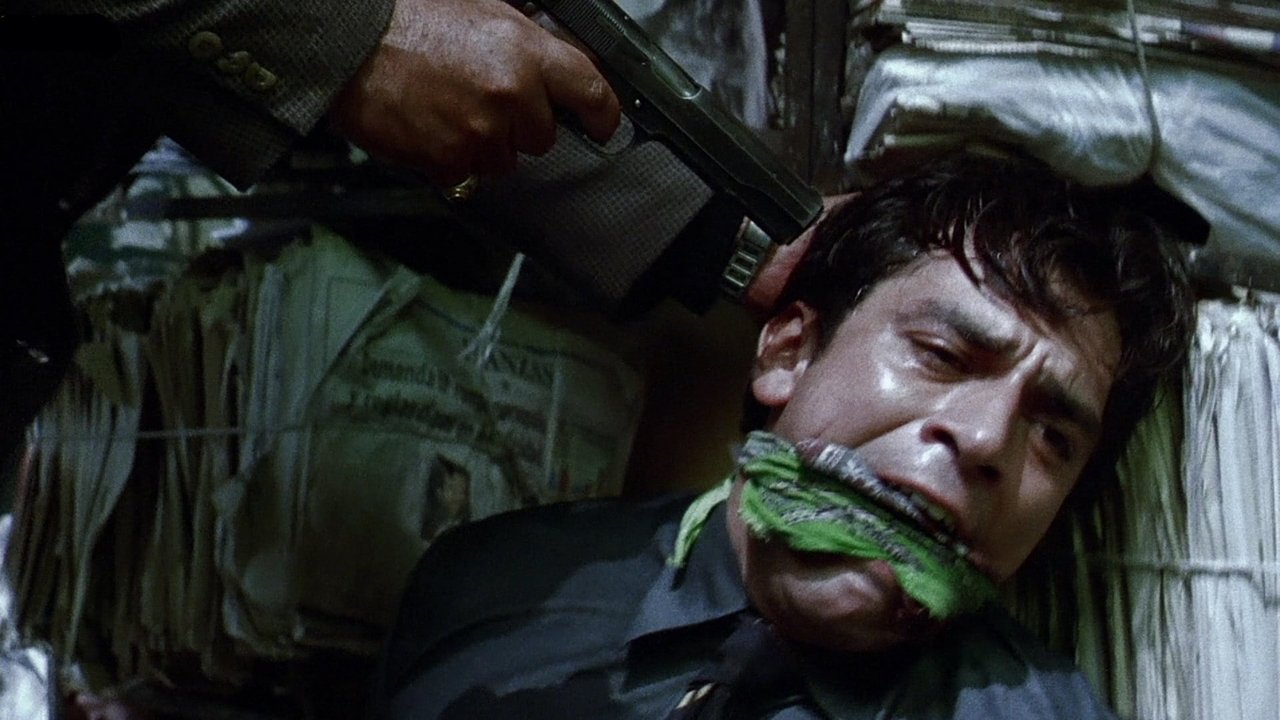
Finally, we meet El Chivo, played with soul-crushing gravity by Emilio Echevarría. He’s a former guerrilla-turned-hitman who lives as a homeless man, accompanied by a pack of stray dogs. He is the witness to the crash, the one who pulls the bodies from the wreckage and, in doing so, finds a path toward a twisted kind of grace.

Emilio Echevarría is the anchor of the film. While the younger actors bring the fire, he brings the ashes. The way he cares for the wounded dog from the first story—the dog that caused so much pain—is one of the most moving depictions of broken masculinity I’ve ever seen. This was a "calling card" movie for everyone involved, but Echevarría’s performance feels less like a career move and more like an exorcism.
Looking back, Amores Perros feels like the starting gun for a new era of global cinema. It wasn't just a Mexican film; it was a universal story told with a local, unapologetic dialect. It arrived right as digital technology was starting to change everything, yet it remains a triumph of "heavy" filmmaking—heavy cameras, heavy themes, and heavy consequences. It’s the kind of indie gem that feels like it was willed into existence through sheer stubbornness. Iñárritu and screenwriter Guillermo Arriaga (who later gave us 21 Grams and Babel) created a structure that felt revolutionary at the time, though many have tried and failed to mimic its impact since.
Amores Perros is not a "fun" Saturday night watch, but it is an essential one. It’s a reminder of a time when independent cinema was allowed to be ugly, sprawling, and deeply emotional without worrying about franchise potential or "likable" protagonists. It treats its audience like adults, offering no easy answers and even fewer happy endings. If you can handle the intensity, it’s a journey that stays with you long after the credits roll and the spaghetti goes cold. Just maybe keep your own dog in the other room while you watch it.
Keep Exploring...
-

21 Grams
2003
-
Bound
1996
-

Open Your Eyes
1997
-

Pi
1998
-
Run Lola Run
1998
-

Following
1999
-
Battle Royale
2000
-

The Devil's Backbone
2001
-

Irreversible
2002
-

Sympathy for Mr. Vengeance
2002
-
The Orphanage
2007
-
Felon
2008
-

Blood and Bone
2009
-

The Secret in Their Eyes
2009
-

Undisputed III: Redemption
2010
-
Babel
2006
-
Memories of Murder
2003
-

Oldboy
2003
-
Primer
2004
-
Hard Candy
2005