Batman Beyond: Return of the Joker
"Some smiles never fade; they just get sharper."

The neon-drenched sky of Neo-Gotham usually feels a world away from the gothic, gargoyle-encrusted architecture of the 1990s Batman: The Animated Series. But when the laughter starts—that high-pitched, manic cackle that shouldn't exist anymore—the forty-year time jump between the old Bruce Wayne and the young Terry McGinnis suddenly vanishes. I watched this again recently on a laptop with a dying battery while sitting on a beanbag chair that smelled vaguely of a damp basement, and even through the tinny speakers, that first laugh gave me a physical chill.
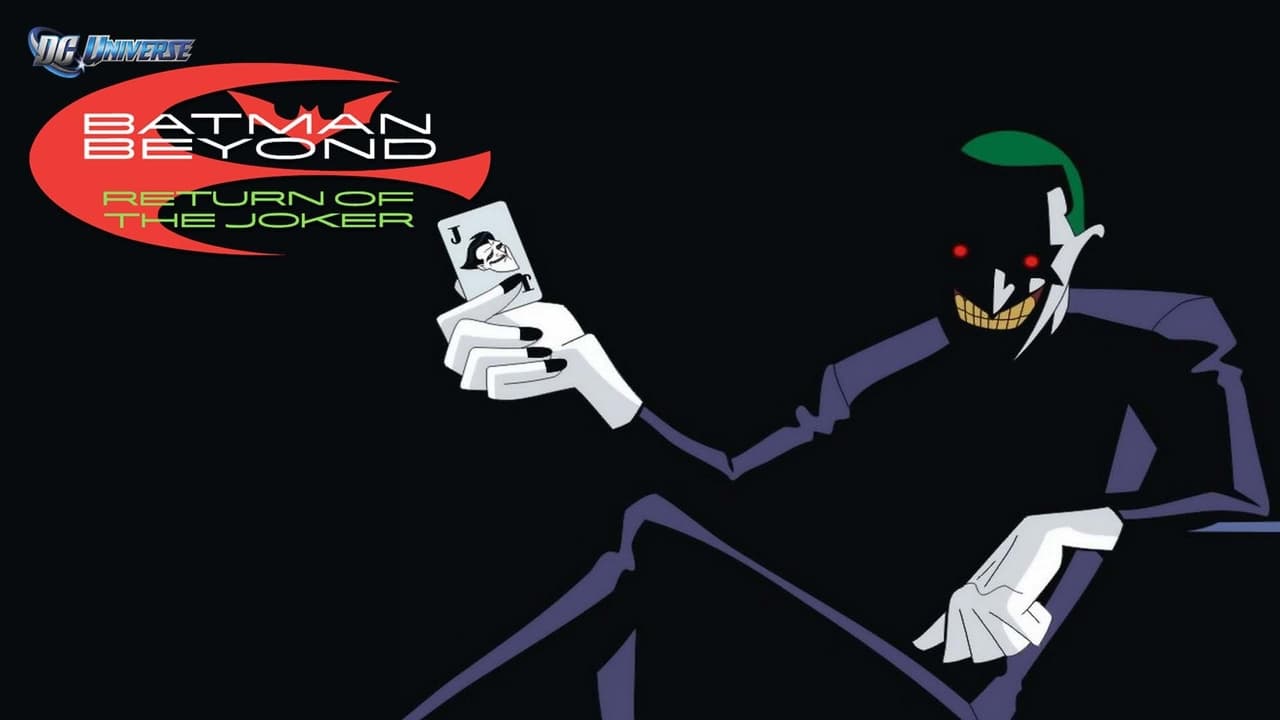
Batman Beyond: Return of the Joker isn't just a "cartoon movie" or a quick cash-in on a successful spin-off. It’s a dark, psychological thriller that bridges the gap between the analog 20th century and the digital 21st. Released right at the dawn of the DVD era, it became a legend among collectors not just for its story, but for the "Uncut" version that restored the violence and grim subtext the studio initially scrubbed away.
The Ghost in the Machine
The setup is simple: The Joker is back. But he hasn’t aged a day since he disappeared forty years ago. Terry McGinnis (Will Friedle, who voiced the role with a perfect "teenager with an attitude" edge that never felt forced) has to figure out how a dead man is leading a gang of "Jokerz" through the cybernetic streets of 2040. Meanwhile, an elderly, limping Bruce Wayne (Kevin Conroy, the definitive voice of the Bat) is forced to confront the one trauma he tried to bury.
The film leans heavily into the tech-anxiety of the Y2K era. While the show Batman Beyond was often about cool gadgets and flying cars, this movie uses that technology to create a sense of isolation. Terry is alone in a high-tech suit, facing a low-tech nightmare. Terry McGinnis makes Bruce look like a grumpy gargoyle on a budget, bringing a street-smart sarcasm to the role that contrasts beautifully with the Joker’s theatricality. The action choreography here is a huge step up from the TV show; it’s fast, clear, and uses the verticality of Neo-Gotham to create sequences that feel genuinely dangerous.
A Legacy of Laughter and Lacerations

The heart of the film is a prolonged flashback to the "final" encounter between the original Batman and Joker. This sequence is genuinely upsetting. It deals with the psychological breakdown and physical torture of a young Tim Drake (Dean Stockwell voicing the older version, with Mathew Valencia as the kid), and it’s arguably the darkest thing the Bruce Timm and Paul Dini era of DC animation ever produced.
The "Uncut" version is the only way to watch this. Following the Columbine shooting in 1999, the studio panicked and heavily censored the film, changing the Joker’s death and removing blood. The eventually released Director’s Cut restored the original vision, and it shows why the edits were so jarring. The violence here has weight. When a character gets hurt, it isn't just a "bam-pow" comic moment; it's a life-altering tragedy. The Joker here isn't a clown; he’s a malignant tumor in a purple suit. Mark Hamill (of Star Wars fame) delivers a performance that manages to be even more terrifying than his work in the original series. He finds a higher, more desperate register that makes your skin crawl.
The Sound of the Future
The score by Kristopher Carter is a standout example of early-2000s industrial rock meeting orchestral dread. It ditches the Danny Elfman-style horns for heavy guitar riffs and electronic pulses that fit the cyberpunk setting perfectly. It drives the momentum of the chase scenes—particularly the sequence involving the "Woof" creature—with a frantic energy that keeps the 77-minute runtime moving at a breakneck pace.
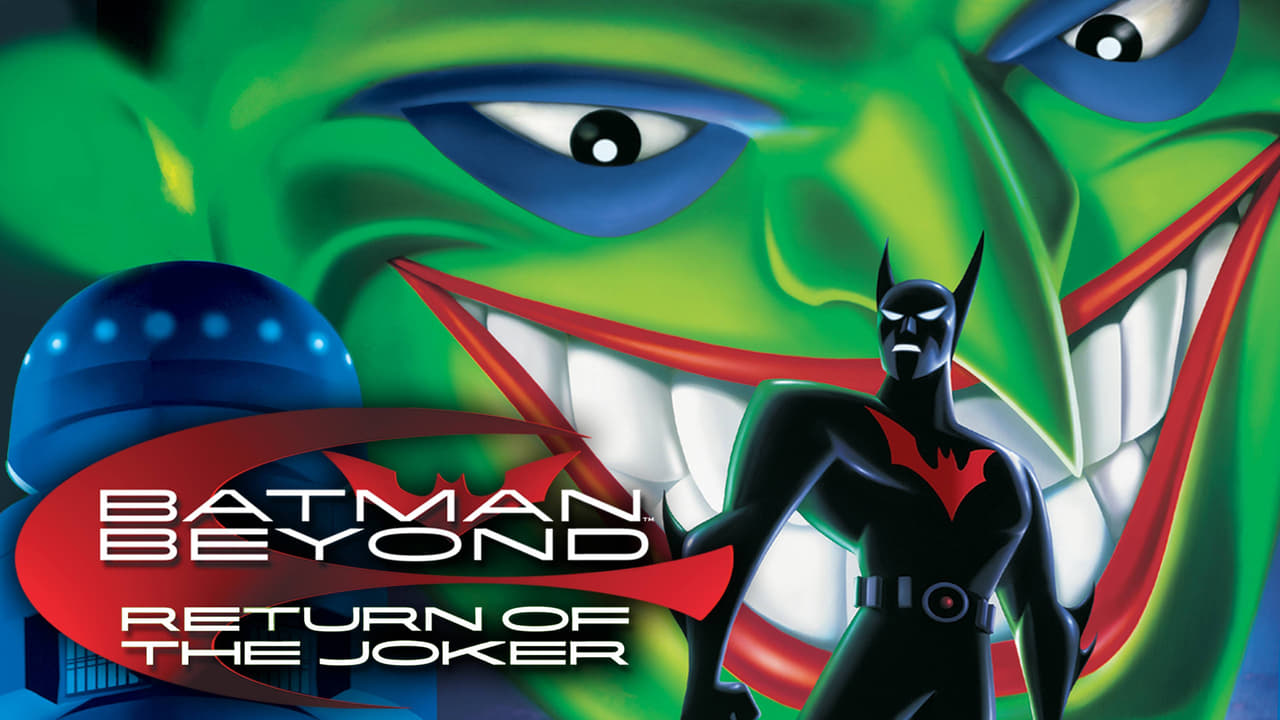
Behind the scenes, this movie was caught in the middle of a shifting industry. It was produced as hand-drawn animation was beginning to merge with digital ink and paint. You can see the ambition in the lighting effects—the way the neon signs reflect off Terry’s matte-black suit or the flickering shadows in the ruined Arkham Asylum. It feels like a bridge between the classic cel-animation of the 90s and the digital polish of the modern era.
It's also a rare treat to see Arleen Sorkin return as Harley Quinn, reminding everyone that she wasn't just a sidekick but a tragic, complicit figure in the Joker's madness. The way the film handles the "old" cast—Barbara Gordon (Angie Harmon) and Tim Drake—gives the story a sense of generational weight that most superhero movies lack. It’s about how trauma passes down from one person to the next, and whether the new kid on the block is strong enough to break the cycle.
This is the definitive ending to the 90s Batman era, masquerading as a futuristic spin-off. It’s a masterclass in how to use a legacy character to tell a new story without falling into the trap of cheap nostalgia. If you’ve only ever seen the edited version that aired on TV, you owe it to yourself to find the uncut DVD or digital version. It’s a reminder that animation can be just as heavy, complex, and rewarding as any live-action noir, provided you’re willing to follow the Joker down into the dark.
Keep Exploring...
-
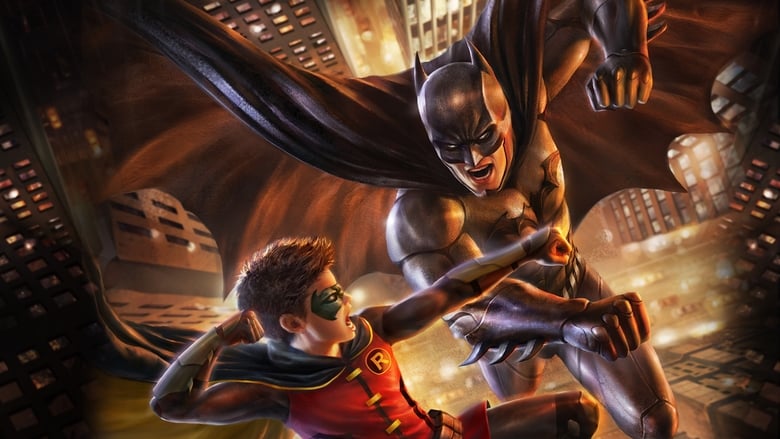
Batman vs. Robin
2015
-

Star Trek VI: The Undiscovered Country
1991
-
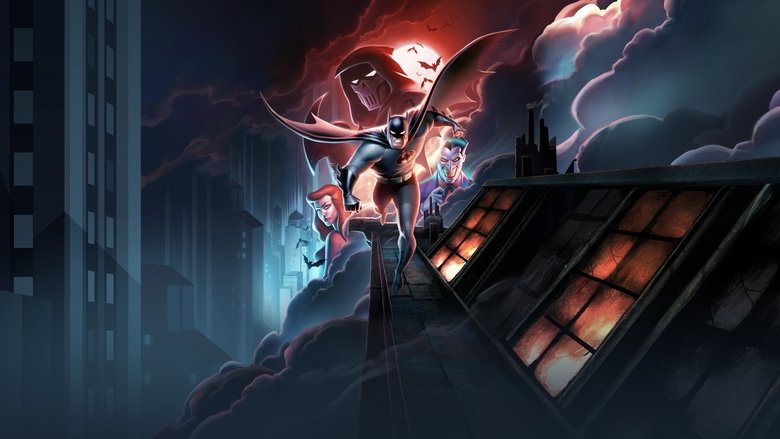
Batman: Mask of the Phantasm
1993
-
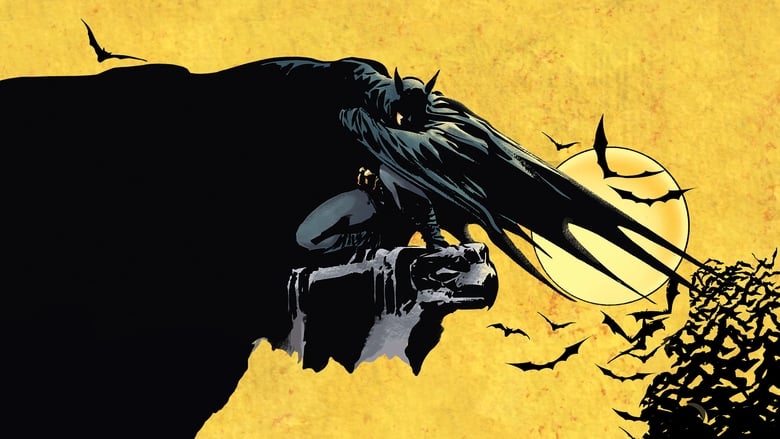
Batman: Year One
2011
-
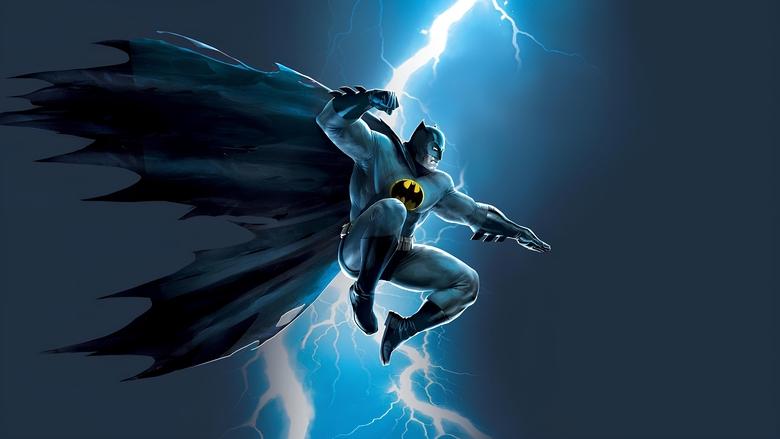
Batman: The Dark Knight Returns, Part 1
2012
-

Batman: The Dark Knight Returns, Part 2
2013
-
Batman: Assault on Arkham
2014
-
Star Trek: First Contact
1996
-

Starship Troopers
1997
-
Equilibrium
2002
-
Minority Report
2002
-

The Matrix Reloaded
2003
-
Serenity
2005
-
The Flu
2013
-

Predator: Killer of Killers
2025
-
Titan A.E.
2000
-
9
2009
-
Justice League: The Flashpoint Paradox
2013
-
Crimson Tide
1995
-
Strange Days
1995