Battle Royale
"Class is in session. Only one will graduate."
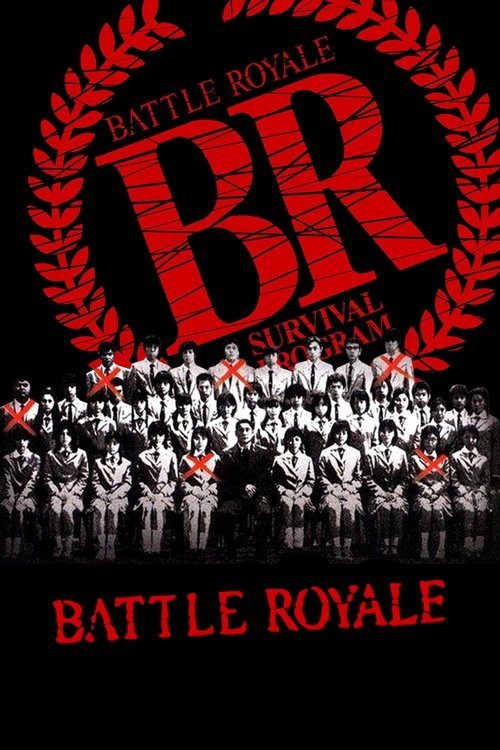
Long before Katniss Everdeen volunteered as tribute and "Battle Royale" became a generic term for every third video game on the market, there was Kinji Fukasaku’s swan song. When this film hit Japanese theaters in 2000, it didn't just cause a stir; it sparked a national parliamentary debate. Politicians tried to ban it, claiming it would incite youth violence, which, as any seasoned cinemagoer knows, is the best marketing money can’t buy. Looking back at it now, through the lens of a post-9/11 world and an era of polished, PG-13 dystopian franchises, the raw, jagged edges of Battle Royale haven't just aged well—they’ve become sharper.
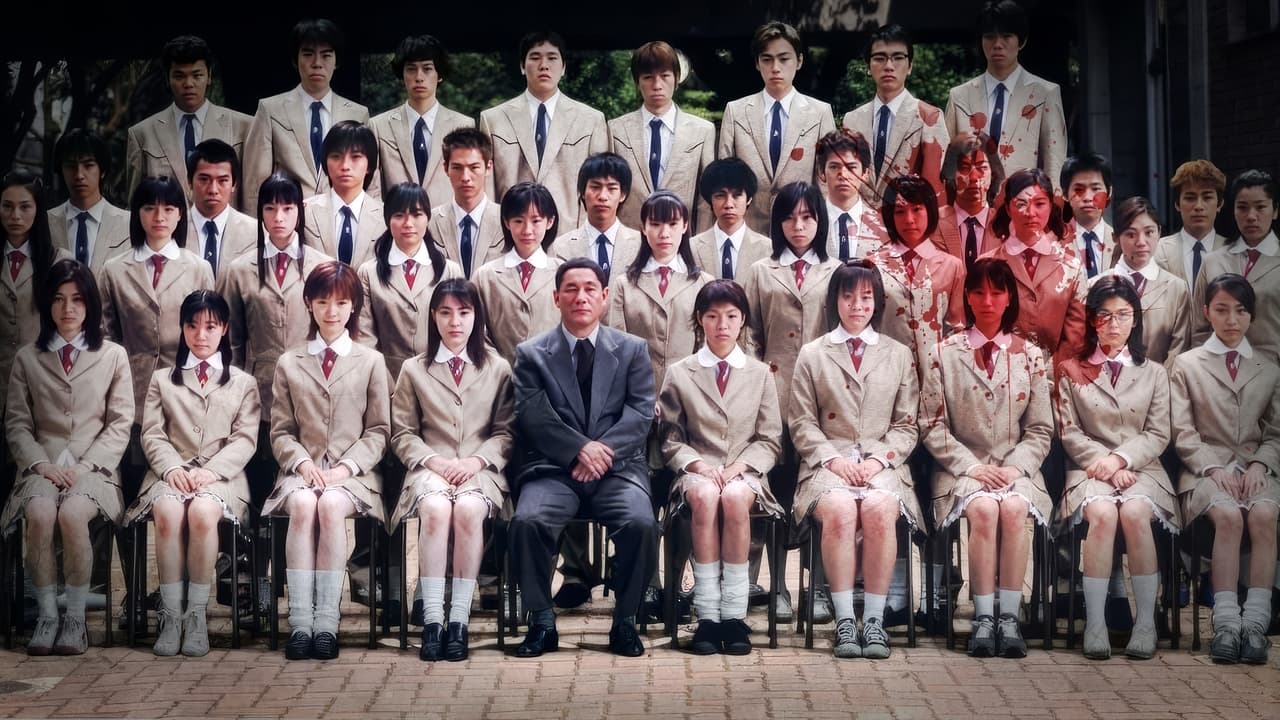
The Old Guard Directing the New Blood
What fascinates me most about the production is the man behind the camera. Kinji Fukasaku was 70 years old when he directed this. He wasn't some trendy music video director trying to capture "the youth"; he was a veteran of the gritty, 1970s yakuza film scene (Battles Without Honor and Humanity). This background is the film’s secret weapon. While modern action films often feel like they’ve been scrubbed clean by a digital pressure washer, Battle Royale feels lived-in, sweaty, and uncomfortably tactile.
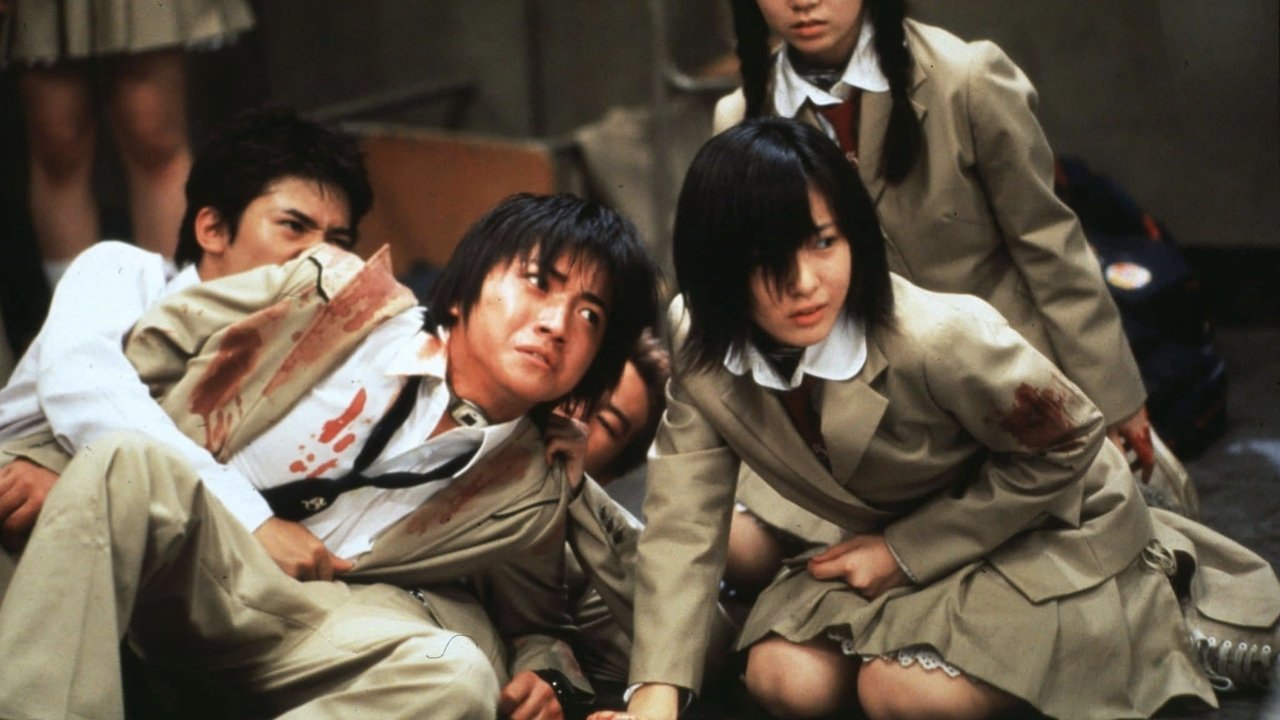
The premise is deceptively simple: a class of ninth-graders is gassed, fitted with explosive collars, and dumped on an island to kill each other until only one remains. It’s a pitch that sounds like B-movie exploitation, but Fukasaku treats it with the gravity of a Shakespearean tragedy. I watched this again last Tuesday while snacking on a box of strawberry Pocky, and the contrast between the sugary snack and the on-screen carnage felt like a perfect encapsulation of the film’s own jarring tonal shifts.
Squibs, School Uniforms, and Survival
In an era where we were just starting to see the transition from practical effects to the CGI revolutions of The Matrix or The Lord of the Rings, Battle Royale remains a proud bastion of the "blood squib." When someone gets shot here, it’s messy. The action choreography isn't about "cool" poses; it’s about the frantic, clumsy, and terrifying reality of teenagers who have no idea how to use the weapons they’ve been handed.
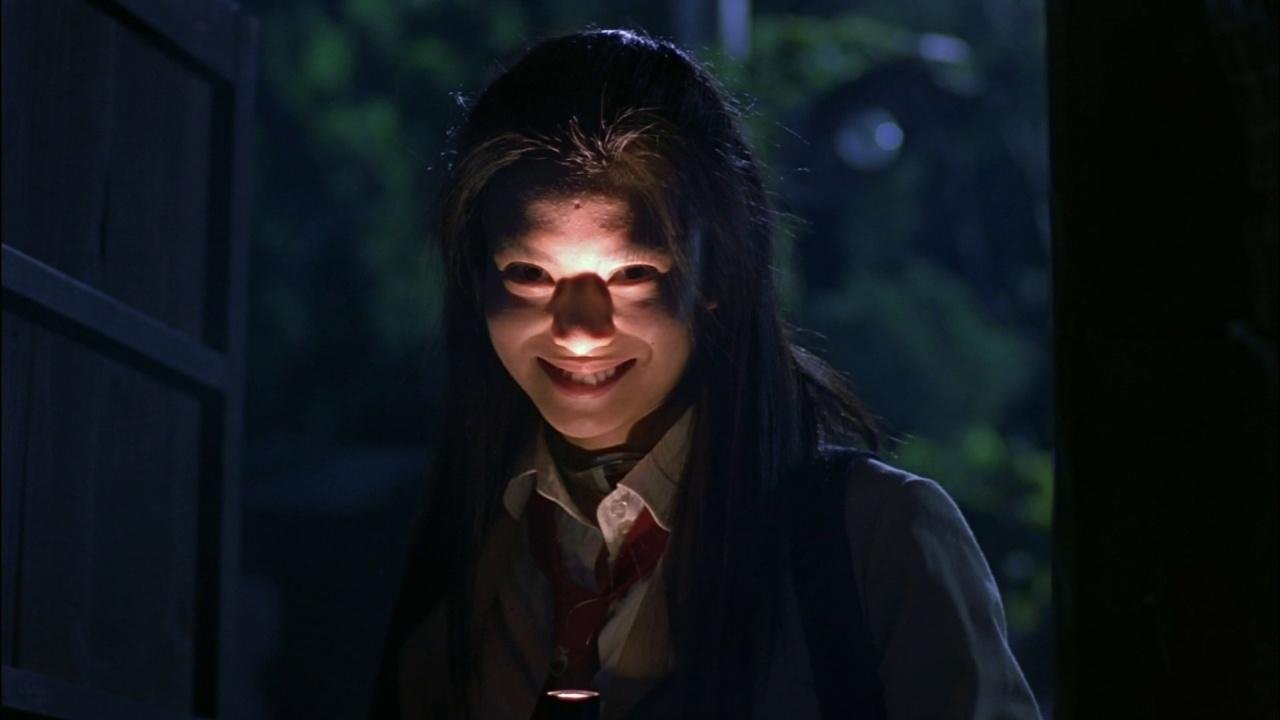
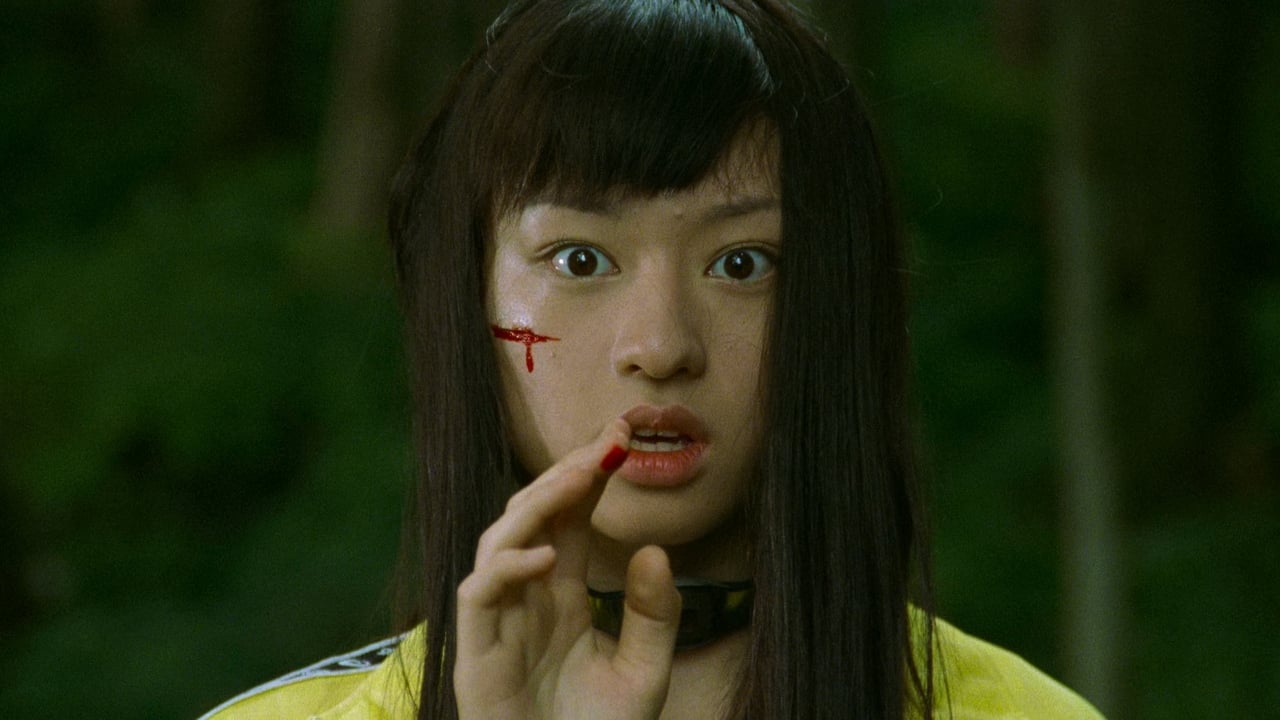
The cast is a powerhouse of "before they were famous" talent. Tatsuya Fujiwara (later of Death Note fame) brings a frantic, wide-eyed desperation to Shuya, but the real standouts for me are the "transfers." Masanobu Ando as the silent, terminatoresque Kazuo Kiriyama and Taro Yamamoto as the veteran Shogo Kawada provide the professional lethality that raises the stakes. And then there’s Ko Shibasaki as Mitsuko Souma. Her performance is terrifying; she turns a yellow track jacket into a garment of pure nightmare fuel.
But you can’t talk about this film without the legendary Takeshi Kitano (or "Beat" Kitano). Playing a twisted version of himself—a disenfranchised teacher also named Kitano—he brings a weary, deadpan nihilism to the role. Whether he’s casually tossing a knife or doing calisthenics while children die, he represents the film's cynical view of the generational gap. The way he eats a cookie while explaining the rules of the game is a masterclass in understated menace.
A Masterpiece of Independent Audacity
Despite its massive box office success in Japan ($30 million on a $4.5 million budget), Battle Royale always felt like an indie rebel. It was produced by Toei and WOWOW outside the Hollywood machine, allowing Kenta Fukasaku (the director’s son) to write a screenplay that refuses to offer easy moral exits. This isn't a film about the triumph of the human spirit; it’s a film about how quickly that spirit evaporates when the collar starts beeping.
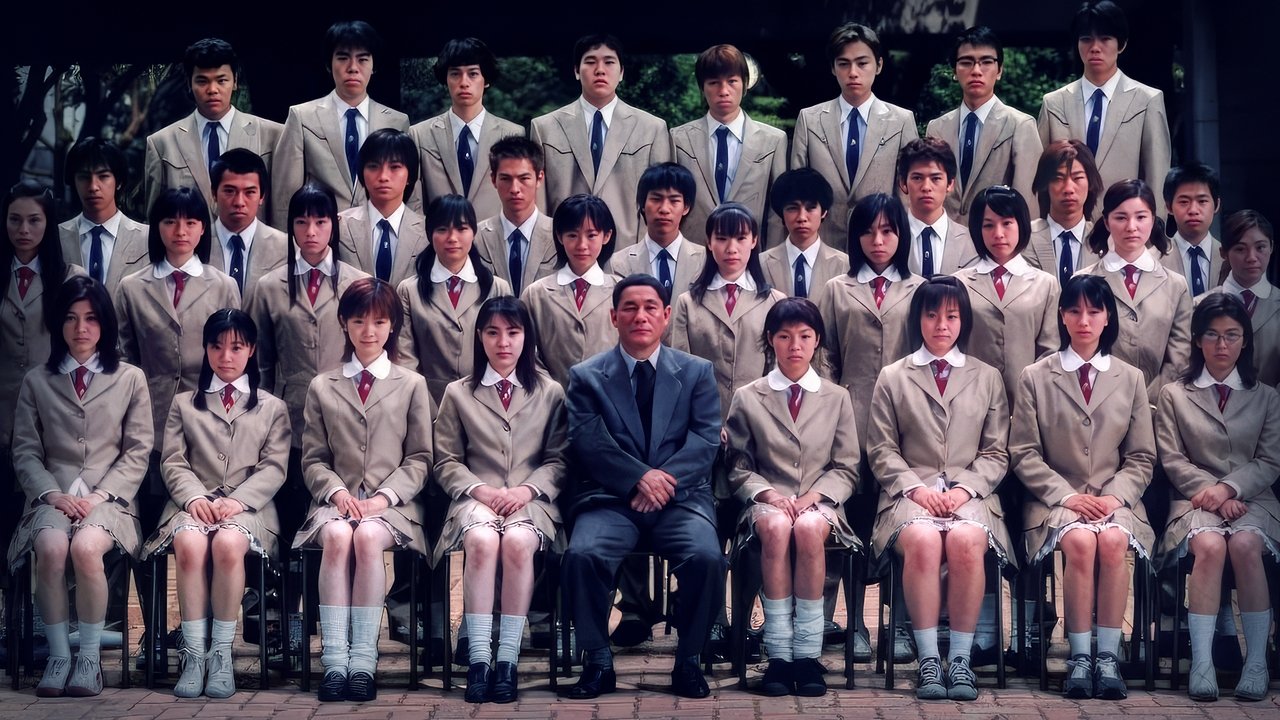
The cinematography by Katsumi Yanagijima captures the island not as a tropical paradise, but as a claustrophobic, overcast purgatory. The use of classical music—Verdi’s Requiem, Bach’s Air on the G String—to score the massacres adds a layer of ironic elegance that many imitators have tried (and failed) to replicate. It highlights the absurdity of the "Battle Royale Act" itself, framing state-sponsored murder as a grand, televised opera.
The film does show its age in the brief flashes of early-2000s tech—the clunky GPS trackers and the lo-fi instructional video—but that only adds to its charm. It captures a specific Y2K anxiety: the fear that the system is broken, the adults have given up, and the only thing left for the youth is a frantic scramble for survival. It’s mean, it’s lean, and it doesn't care if you like the characters or not.
Ultimately, Battle Royale is the rare cult classic that actually lives up to its reputation. It’s a high-octane thriller that manages to be a thoughtful (if cynical) commentary on social Darwinism without ever slowing down to lecture you. If you’ve only ever seen the watered-down versions of this story, do yourself a favor and go back to the source. Just maybe skip the Pocky while you watch it.
Keep Exploring...
-
Run Lola Run
1998
-
Sympathy for Mr. Vengeance
2002
-
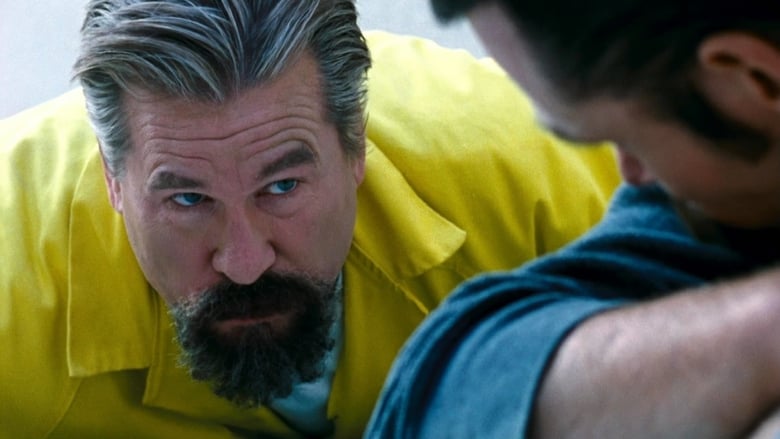
Felon
2008
-

Blood and Bone
2009
-
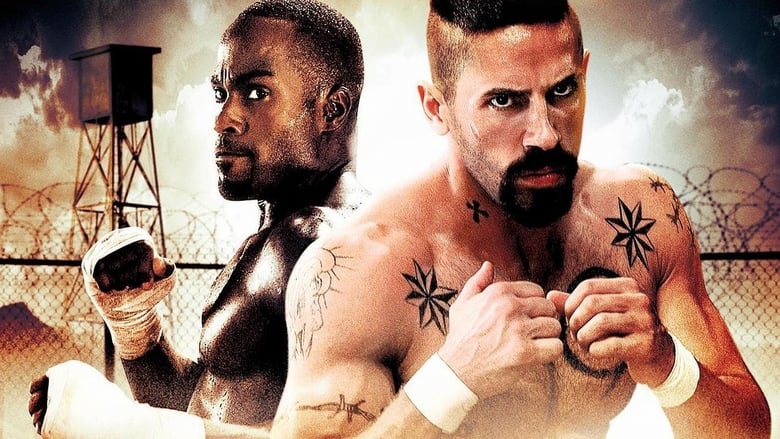
Undisputed III: Redemption
2010
-
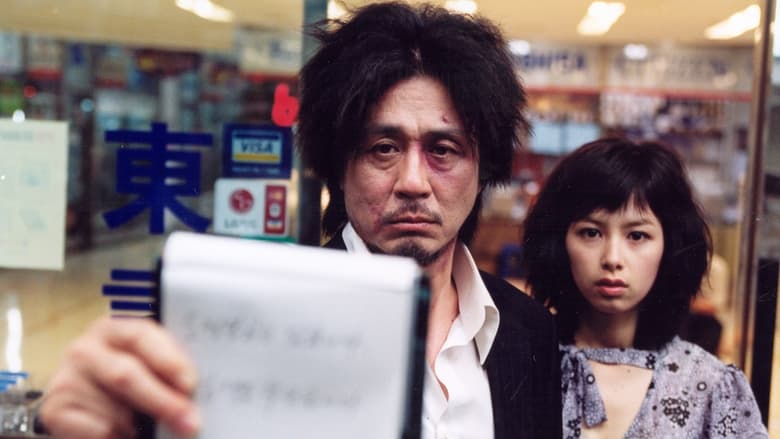
Oldboy
2003
-
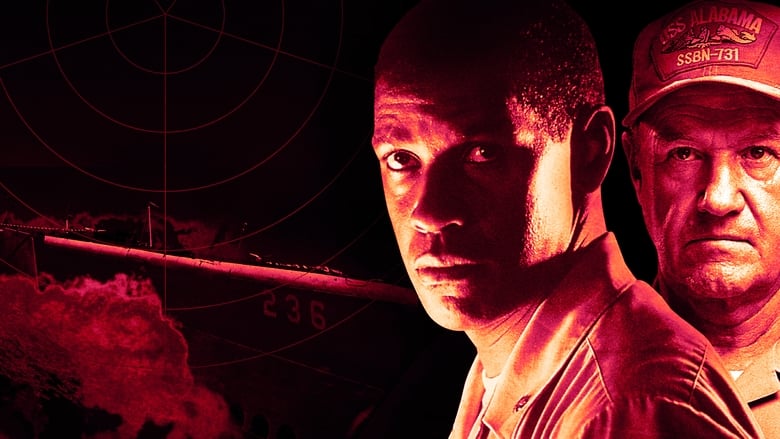
Crimson Tide
1995
-

Enemy of the State
1998
-

The Negotiator
1998
-
Infernal Affairs
2002
-
The Bourne Identity
2002
-
The Count of Monte Cristo
2002
-
Man on Fire
2004
-
The Bourne Supremacy
2004
-
Munich
2005
-
The Protector
2005
-
Bound
1996
-
Open Your Eyes
1997
-
Pi
1998
-
Following
1999