Big Momma's House
"He’s undercover, over-dressed, and over-the-top."
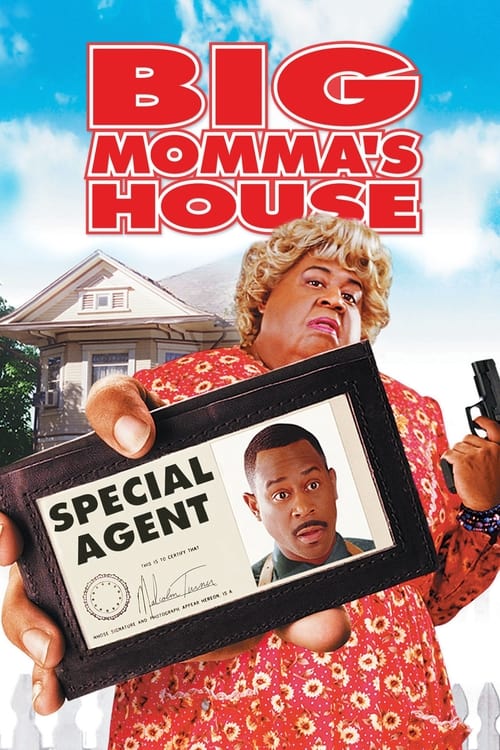
There is a very specific texture to the year 2000 that is hard to replicate. It was a time when the world hadn't quite figured out what to do with the internet, cargo pants were a genuine fashion statement, and Hollywood was obsessed with putting its leading men into massive, sweat-inducing latex suits. I remember watching Big Momma's House on a humid July afternoon while eating a bag of slightly stale Taco Bell Cinnamon Twists, and honestly, the grease on my fingers felt like a fitting accompaniment to the physical comedy unfolding on screen.
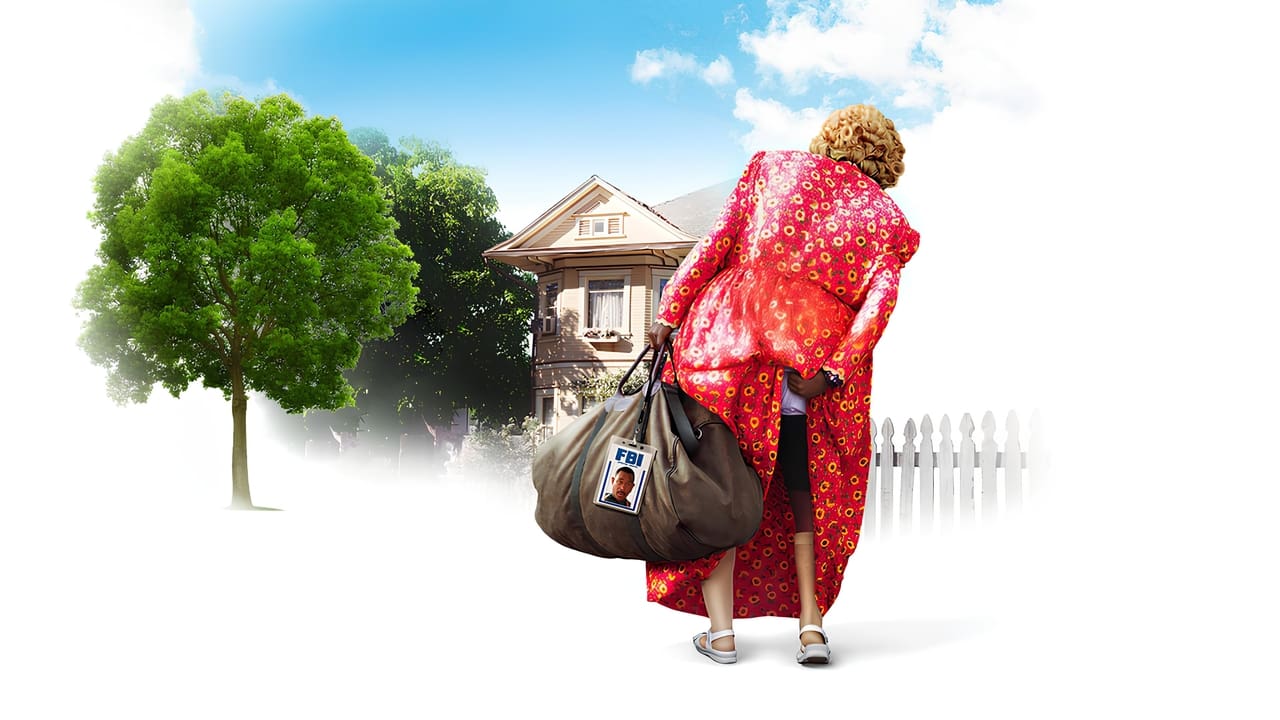
Looking back, Big Momma’s House is a fascinating relic of that transitional era. It sits comfortably between the gritty buddy-cop energy of the 90s and the increasingly glossy, high-concept studio comedies of the early aughts. It’s a movie that asks very little of you, other than to accept that Martin Lawrence can convincingly hide 160 pounds of federal agent inside a grandmother’s Sunday best.
The Latex Frontier
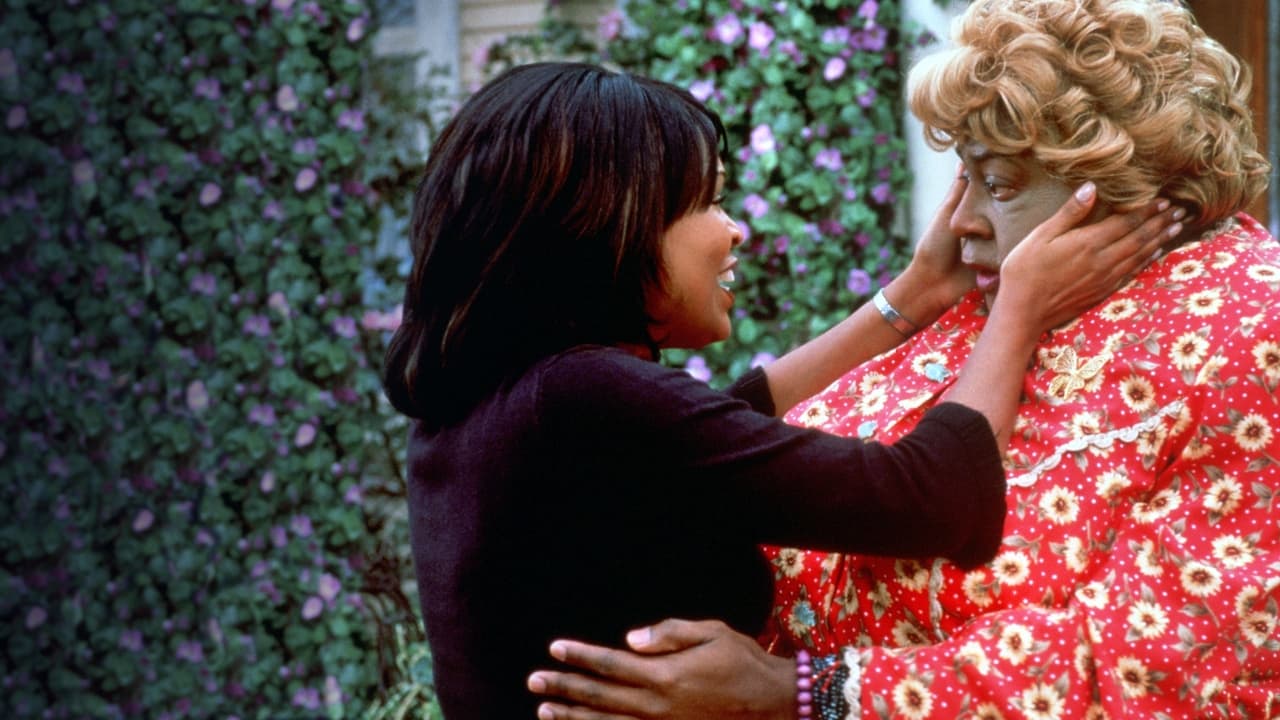
While the 90s gave us the CGI revolution of Jurassic Park, it also perfected the "fat suit" as a comedic tool, largely thanks to the success of The Nutty Professor. By 2000, the technology had peaked. The work done on Martin Lawrence’s Malcolm Turner to transform him into Hattie Mae Pierce (the eponymous Big Momma) is legitimately impressive for the time. This wasn’t some cheap Halloween mask; it was a multi-piece prosthetic rig that took over three hours to apply every morning.
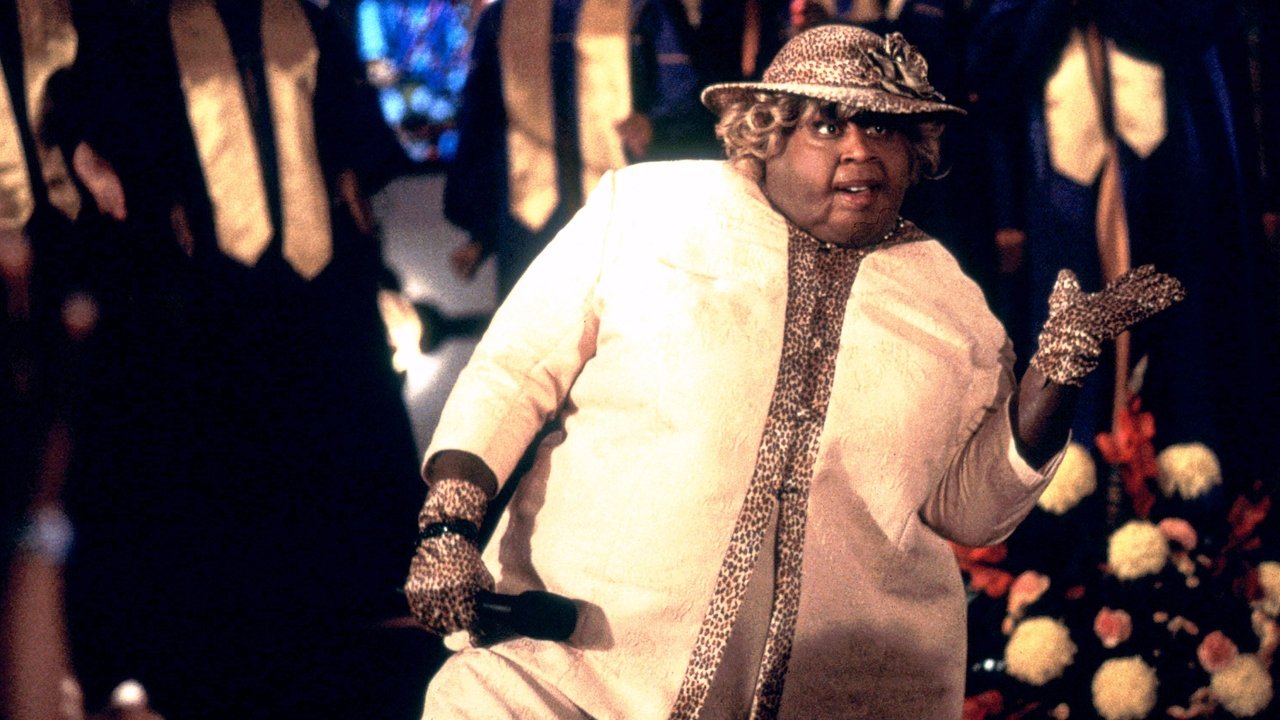
The film leans heavily into the "man out of water" trope, but with the added physical stakes of 20 pounds of foam rubber. Watching Malcolm navigate a Southern kitchen or a local church service while trying not to let his face melt off adds a layer of tension that I didn't appreciate as a kid. The scene where he has to participate in an aerobicize class is a masterclass in physical endurance. Lawrence reportedly suffered from extreme heat exhaustion during the production—a reminder that before everything was fixed in post-production with digital touch-ups, actors really had to suffer for their slapstick.
A Cast of Unexpected Heavyweights
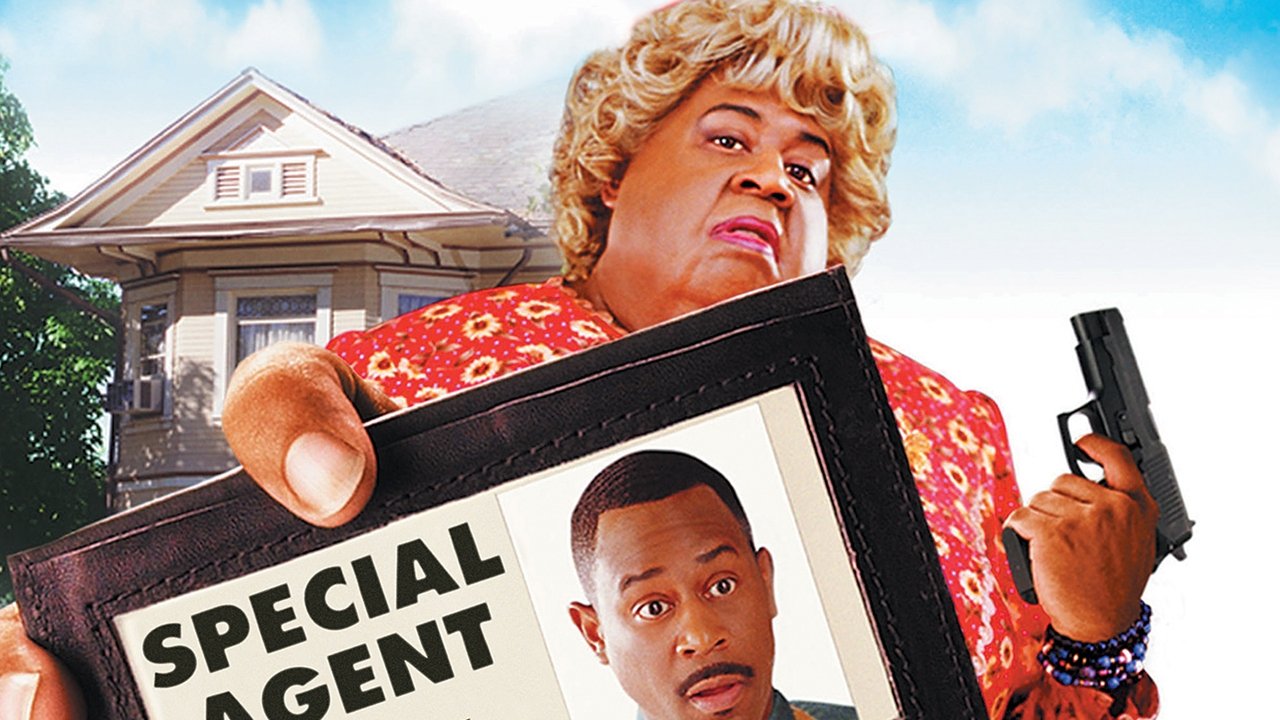
If you revisit this film today, the supporting cast is a total "Wait, he’s in this?" goldmine. Before he was an indie darling and an Oscar nominee, Paul Giamatti was John, the high-strung FBI partner stuck in the surveillance van. Paul Giamatti brings a level of frantic, neurotic energy to a role that could have been totally thankless, and his chemistry with Lawrence provides a grounded foil to the Big Momma antics.
Then you have Nia Long as Sherry, who provides the emotional core of the movie. It’s a bit of a cliché—the agent falling for the person he’s supposed to be investigating—but Long sells it with a sincerity that makes you forget for a moment that her love interest is currently wearing a floral nightgown and a wig. Even the "bad guys" have pedigree; a pre-megastardom Terrence Howard shows up as the escaped convict Lester Vesco, looking like he wandered in from a much more serious crime thriller. Anthony Anderson also pops up, further cementing this film as a snapshot of Black Hollywood’s most bankable talent at the turn of the millennium.
Why the Gags Still Land
Comedy is notoriously difficult to preserve in amber. What was "edgy" in 2000 can feel cringeworthy now, and what was funny then can feel played out. However, Big Momma’s House largely escapes the "dated" trap by leaning into timeless farce. The humor isn't derived from clever wordplay or cultural satire; it's the classic comedy of errors. It's about a man trying to deliver a baby, catch a thief, and fry a chicken all at the same time.
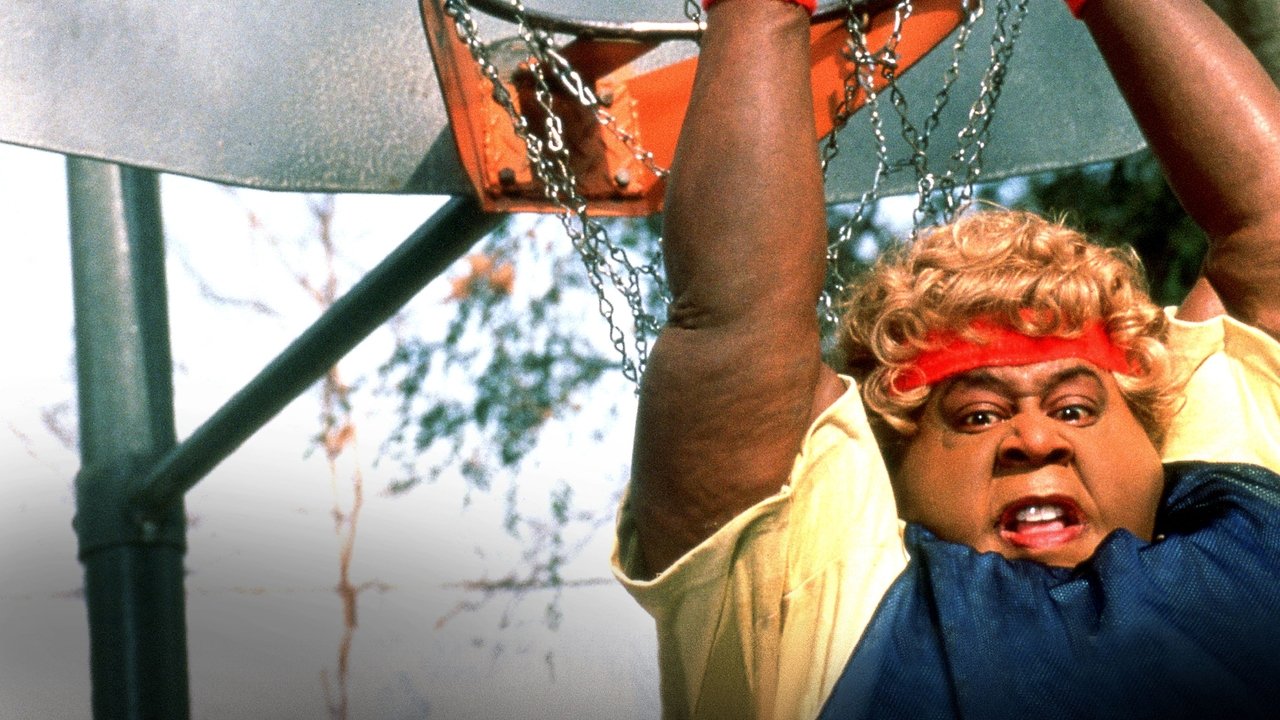
Director Raja Gosnell (who would go on to direct the live-action Scooby-Doo movies) understands the rhythm of a gag. He knows exactly when to cut to a reaction shot of a bewildered Jascha Washington (as the young Trent) and when to let Lawrence just riff. The basketball game where Big Momma schools a bunch of teenagers is legitimately one of the highlights of 2000s sports cinema. It’s absurd, it’s physically impossible, and yet, you can’t help but root for the lady in the spectacles.
The movie was a massive commercial juggernaut, raking in over $173 million on a $30 million budget. It proved that Lawrence could carry a franchise on his back—literally. While the sequels eventually diluted the formula, this first outing has a scrappy, "we can’t believe we’re getting away with this" energy that is infectious.
It isn't high art, and it doesn't try to be. Big Momma's House is the cinematic equivalent of a backyard barbecue: it's loud, a little messy, and entirely focused on making sure everyone has a good time. It captures a moment in time before the "cop comedy" was swallowed by the MCU formula, relying instead on the sheer, sweaty charisma of its lead performer. If you're looking for a dose of turn-of-the-century nostalgia that still manages to pull a few genuine belly laughs, this is a house worth revisiting.
Keep Exploring...
-
Big Momma's House 2
2006
-
Big Mommas: Like Father, Like Son
2011
-
Scooby-Doo
2002
-

Hoodwinked!
2005
-
Ace Ventura: When Nature Calls
1995
-
Austin Powers: The Spy Who Shagged Me
1999
-
Never Been Kissed
1999
-
The Smurfs
2011
-
The Smurfs 2
2013
-
Blue Streak
1999
-
Bad Boys II
2003
-
National Security
2003
-
Rush Hour 2
2001
-
Scooby-Doo 2: Monsters Unleashed
2004
-
Another 48 Hrs.
1990
-
Lethal Weapon 3
1992
-
Pineapple Express
2008
-
The Heat
2013
-
To Die For
1995
-
Austin Powers: International Man of Mystery
1997