Billy Elliot
"Tradition is about to get kicked in the shins."
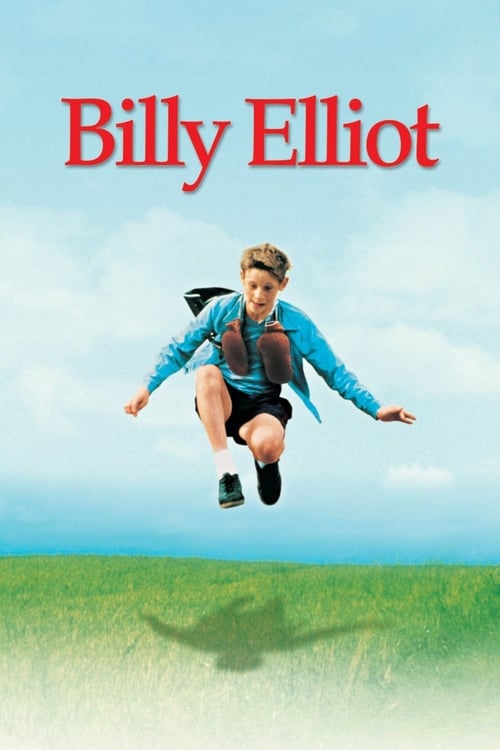
I watched this on a DVD I found in a bargain bin at a Blockbuster that smelled faintly of damp carpet and butter-flavored oil, which, honestly, felt like the most appropriate way to experience a film about 1984 Northern England. There’s something about the "Modern Classic" era of the late 90s and early 2000s—the yellow-spined Universal DVD cases and the grainy, pre-digital warmth of the cinematography—that makes a movie like Billy Elliot feel like a cozy blanket made of sandpaper.
On the surface, it’s the "boy wants to dance" story we’ve seen a thousand times, but Stephen Daldry (who later gave us The Hours) and writer Lee Hall did something much craftier here. They took the "feel-good" British indie template—think The Full Monty or Brassed Off—and injected it with a legitimate, bone-deep sense of political stakes. It’s a comedy that isn't afraid to let the joke die in the throat when a riot shield appears.
Heavy Boots, Light Feet
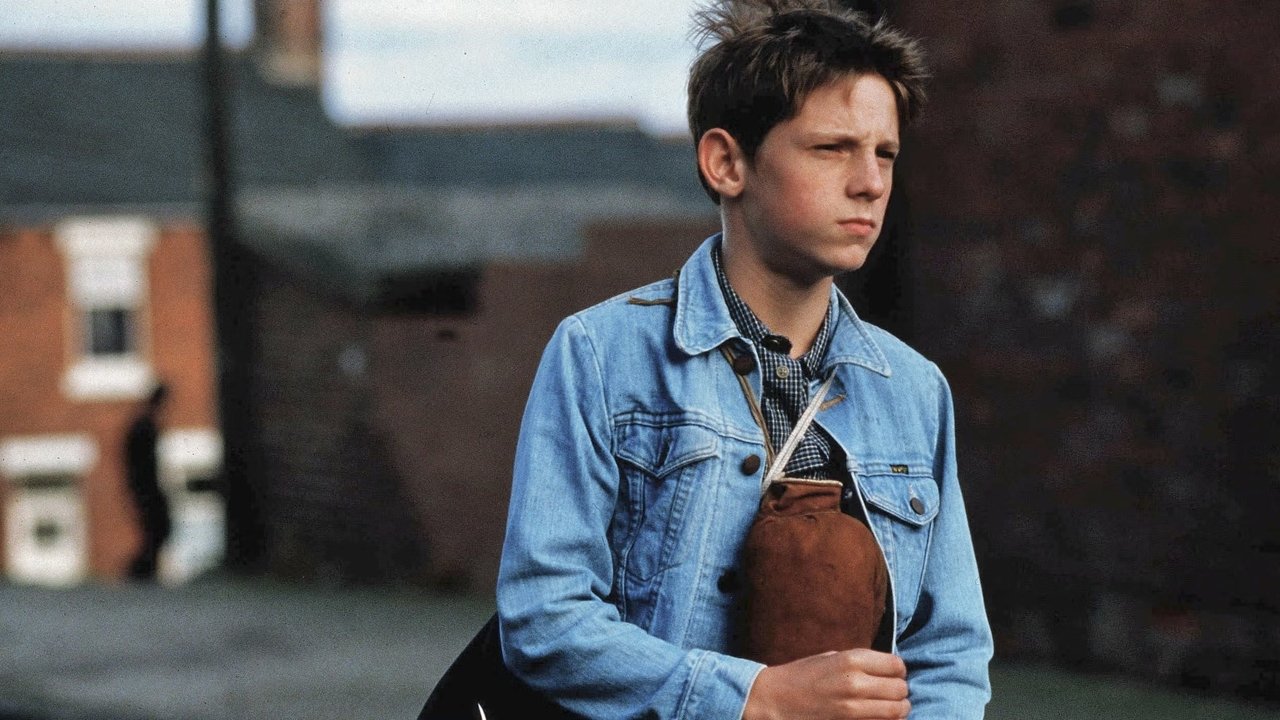
The year is 1984, and County Durham is a pressure cooker. The miners' strike is in full swing, and Gary Lewis, playing Billy’s father Jackie, is a man carved out of coal and grief. He’s a widower trying to keep his family fed while the police are literally occupying his street. Into this enters 11-year-old Jamie Bell as Billy.
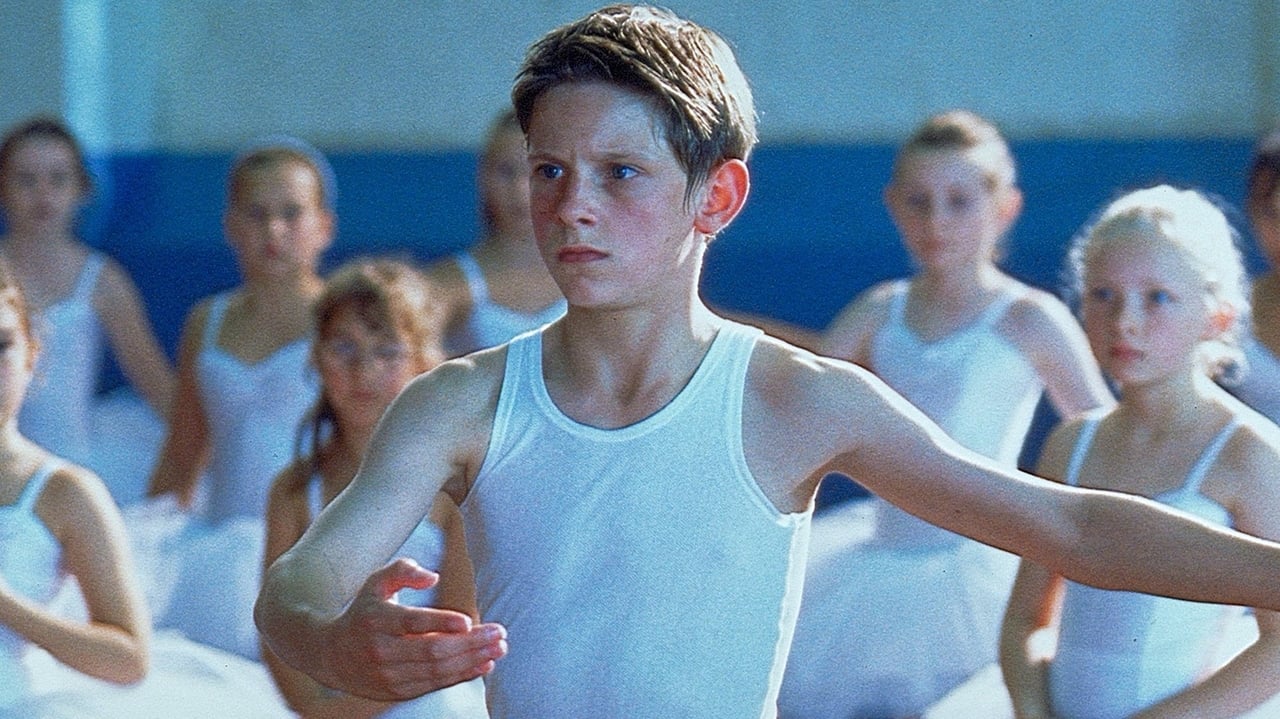
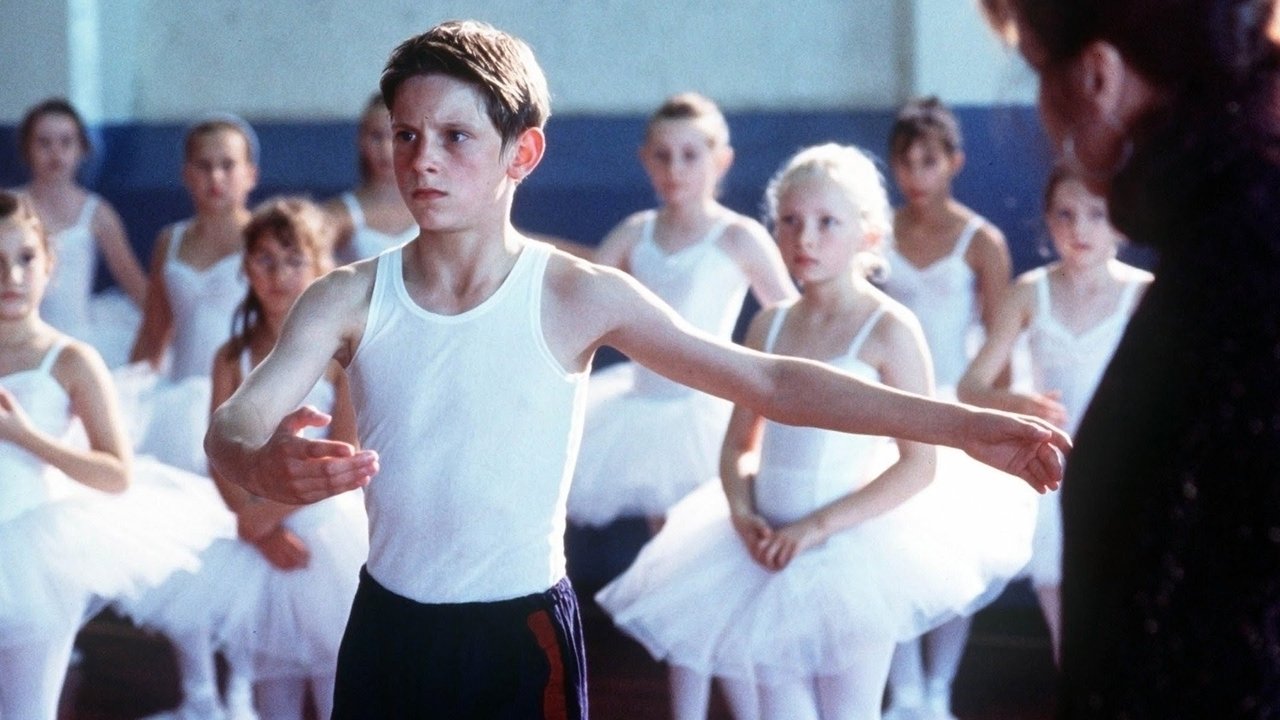
Bell was a revelation then, and looking back, it’s still one of the most physically intelligent performances by a child actor in cinema history. He doesn't just act; he vibrates. When he stumbles into Mrs. Wilkinson’s ballet class—played by the peerless Julie Walters—it isn't some magical, twinkly moment of destiny. It’s awkward, sweaty, and smells of feet.
Julie Walters is the secret sauce here. Fresh off a decade of being Britain’s favorite character actress, she brings a weary, chain-smoking pragmatism to the role of the dance teacher. She isn't a fairy godmother; she’s a woman stuck in a dead-end town who sees a chance to export some talent before the walls close in. Her chemistry with Bell is prickly and unsentimental, which is exactly why the emotional payoff actually lands.
The Working-Class Hero We Needed
What struck me during this rewatch is how much the film respects its characters' anger. This isn't a sanitized Disney version of poverty. Billy’s brother Tony (Jamie Draven) is a ball of jagged edges and fury, and the conflict between the striking miners and the "scabs" isn't just background noise—it’s the air they breathe.
Then there’s the dancing. I’ve always felt that the tap-dancing-into-a-brick-wall scene is the most accurate depiction of puberty ever filmed. Billy isn't just performing; he’s trying to kick his way out of his own skin. The choreography by Peter Darling doesn't look like "ballet" half the time; it looks like a fight. It’s aggressive, rhythmic, and messy.
The film was a massive commercial juggernaut, pulling in over $100 million on a tiny $5 million budget. It’s easy to see why. It managed to capture that specific Y2K-era thirst for stories about "finding your spark" while remaining grounded in the harsh reality of the Thatcher era. It’s also surprisingly progressive for 2000; the subplot involving Billy’s best friend Michael (Stuart Wells) and his burgeoning queerness is handled with a light, non-judgmental touch that feels years ahead of its time.
A Relic of the DVD Gold Mine
Looking back from our current era of CGI-heavy spectacles, Billy Elliot represents a peak moment for the "middle-market" film. It’s a movie that thrived on word-of-mouth and the burgeoning DVD culture. I remember the special features on my old disc—the "behind the scenes" featurettes that actually explained the history of the miners' strike, providing a bit of film literacy to kids like me who just thought the dancing was cool.
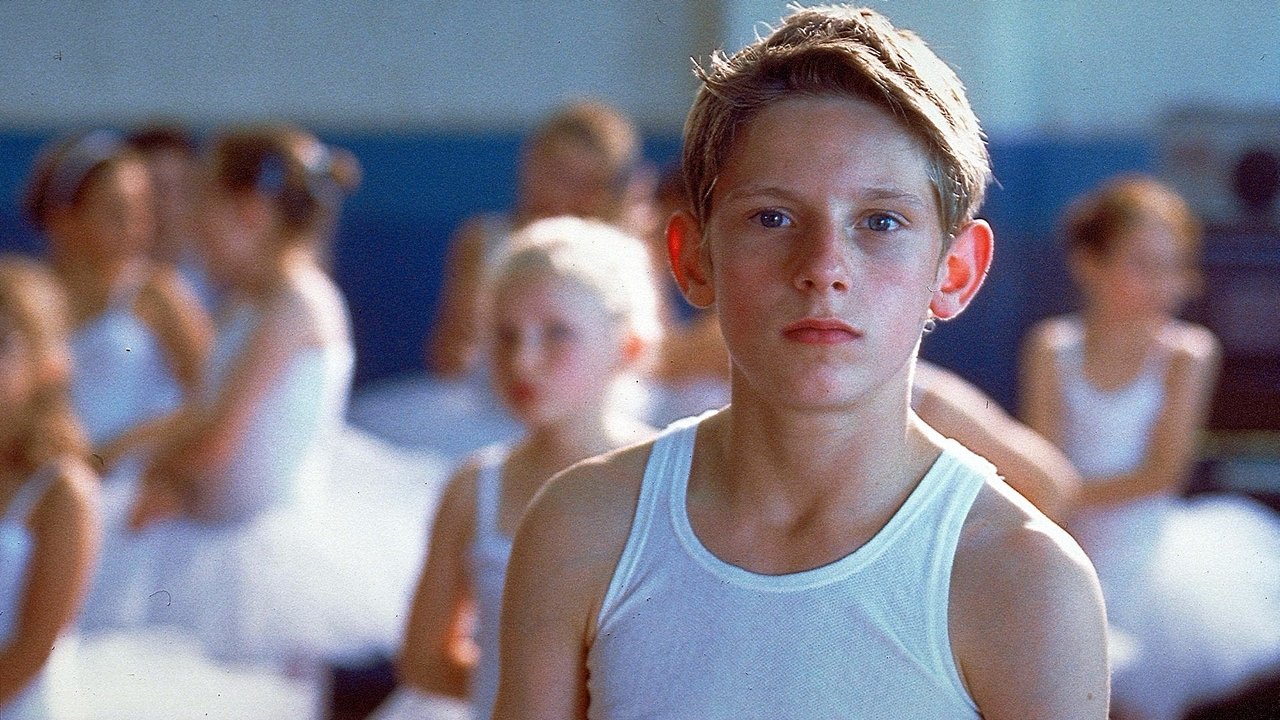
Apparently, the film was originally titled Dancer, but the producers had to pivot because Lars von Trier’s Dancer in the Dark was hitting the festival circuit at the same time. I think the name change was a blessing. Billy Elliot sounds like a kid you’d know from down the street, which is the whole point. He isn't a prodigy from a vacuum; he’s a product of his environment, even when he’s trying to escape it.
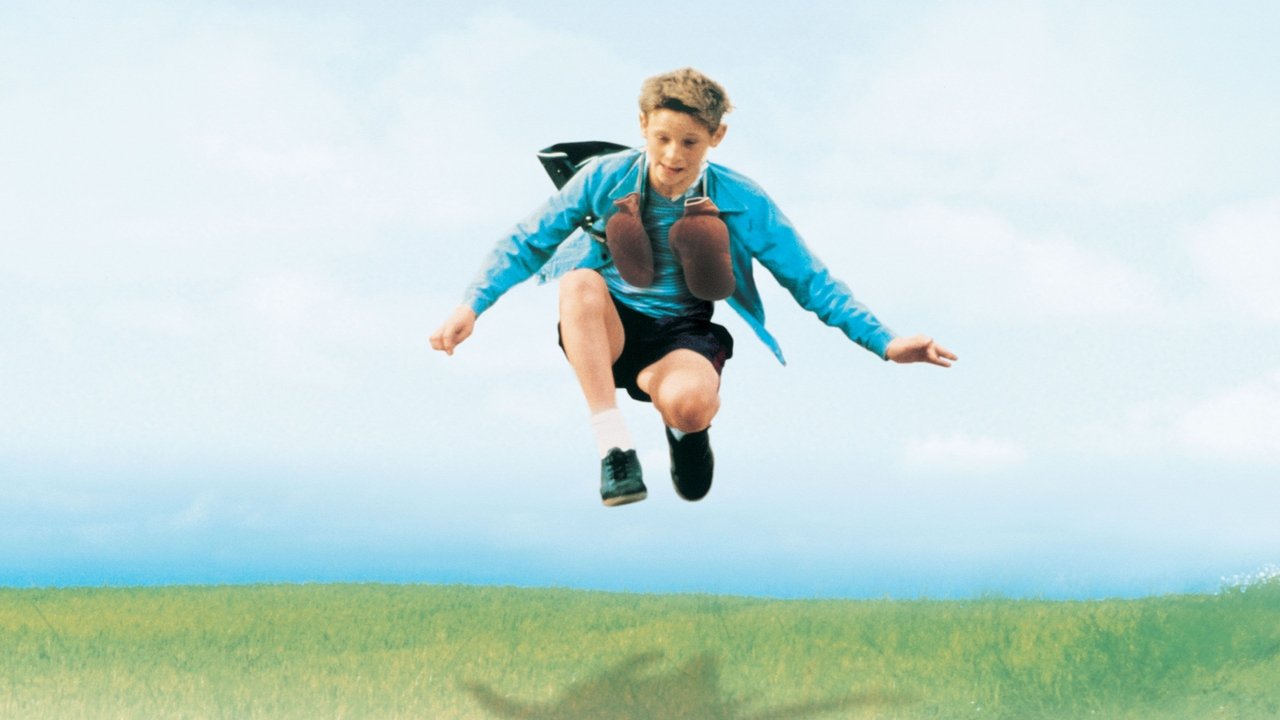
There are moments that could have felt manipulative—the letters from his dead mother, the final "jump" into the frame at the end—but Stephen Daldry keeps the camera honest. He uses the steep, narrow hills of the North to frame Billy’s world as a literal uphill climb. By the time we get to the Newcastle audition, you aren't just rooting for him to get into the Royal Ballet; you're rooting for him to survive the 80s.
If you haven't revisited this one since your high school music teacher wheeled in a CRT TV on a cart, it’s time to give it another go. It hasn't lost any of its kick. If you don’t get a lump in your throat when the miners descend into the pit at the end, you might actually be a Roomba. It’s a beautifully shot, superbly acted piece of drama that reminds us that art isn't just a hobby—sometimes, it’s the only way to breathe when the world is trying to choke you out.
Keep Exploring...
-
High Fidelity
2000
-
About a Boy
2002
-

About Schmidt
2002
-
Mean Girls
2004
-

The Muppet Christmas Carol
1992
-
The Hours
2002
-
As Good as It Gets
1997
-
Stepmom
1998
-
Lost in Translation
2003
-
Something's Gotta Give
2003
-

Mr. & Mrs. Smith
2005
-

Lemonade Mouth
2011
-
Fried Green Tomatoes
1991
-
Sister Act
1992
-
The Devil Wears Prada
2006
-
The Bucket List
2007
-
Love & Other Drugs
2010
-

Arthur Christmas
2011
-
The Artist
2011
-
The Muppets
2011