Cast Away
"Survival is the easy part."
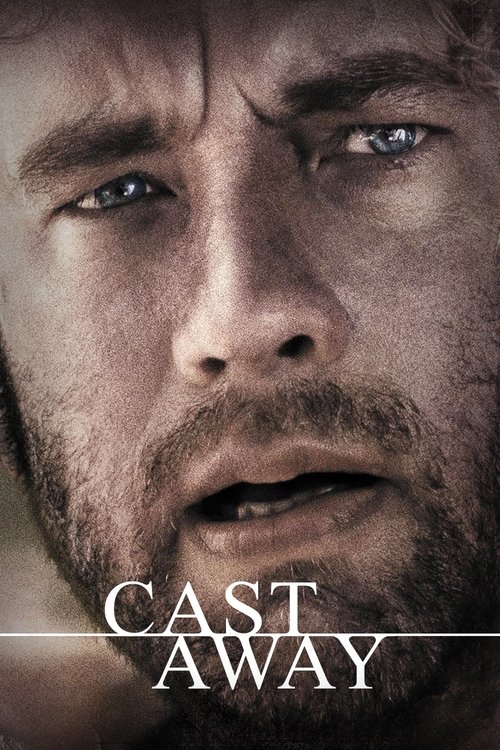
The first time I watched Cast Away, I was sitting in a beanbag chair eating a bowl of cold spaghetti, and I distinctly remember feeling a wave of immense guilt with every carb-heavy bite. There I was, pampered by the miracle of modern pasta, watching Tom Hanks perform a literal DIY dental extraction with a pair of ice skates. It’s a movie that makes you want to go out and buy a multi-tool and a waterproof tarp, even if your idea of "the wilderness" is a park with slightly patchy Wi-Fi.

Coming out at the tail end of 2000, Cast Away was the ultimate bridge between the 90s era of the untouchable movie star and the 21st century's obsession with gritty realism. It shouldn’t have worked. It’s a 143-minute film where the protagonist spends an hour and a half talking to a piece of sporting equipment. Yet, it grossed over $429 million. It proved that in the right hands, a massive budget doesn't have to mean explosions; it can just mean the terrifying, high-definition sound of the wind.
The Audacity of Silence
Director Robert Zemeckis—the man who gave us Back to the Future and Forrest Gump—made some incredibly gutsy choices here that I don’t think a modern studio would ever greenlight today. Once Chuck Noland (Tom Hanks) hits that island, the traditional cinematic safety net disappears. There is no musical score for the entire island sequence. Think about that: forty-odd minutes of a blockbuster movie with no Alan Silvestri strings to tell you how to feel.
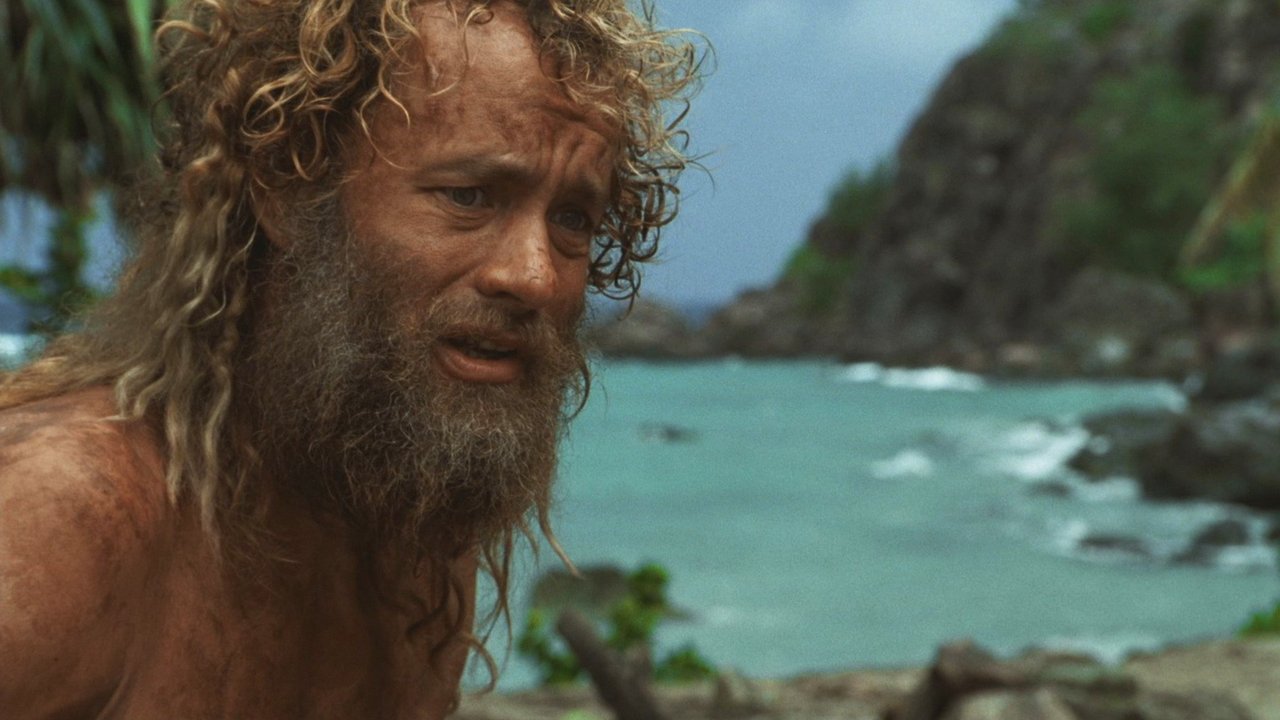
I’ve always found that silence more terrifying than the plane crash itself (which, by the way, remains the gold standard for "reasons I hate flying"). You’re trapped in the foley artist's playground—the crunch of sand, the thud of a coconut, and the ragged breath of a man realizing he’s become a ghost. Tom Hanks carries this silence with a performance that is almost entirely physical. We watch his body language shift from the frantic, ticking-clock energy of a FedEx executive to the slow, heavy movements of a creature that has integrated into the landscape. He manages to make a volleyball look like an Oscar-caliber scene partner, which is a level of acting flex that should be illegal.
The Billion-Dollar Break
One of my favorite bits of trivia about this production is the sheer scale of the logistical "pause." They shot the first half of the movie, then shut down production for an entire year so Hanks could lose 50 pounds and grow that legendary, gnarly beard. During that gap, Zemeckis took the same crew and directed an entirely different movie (What Lies Beneath starring Harrison Ford) before coming back to finish Chuck’s journey.
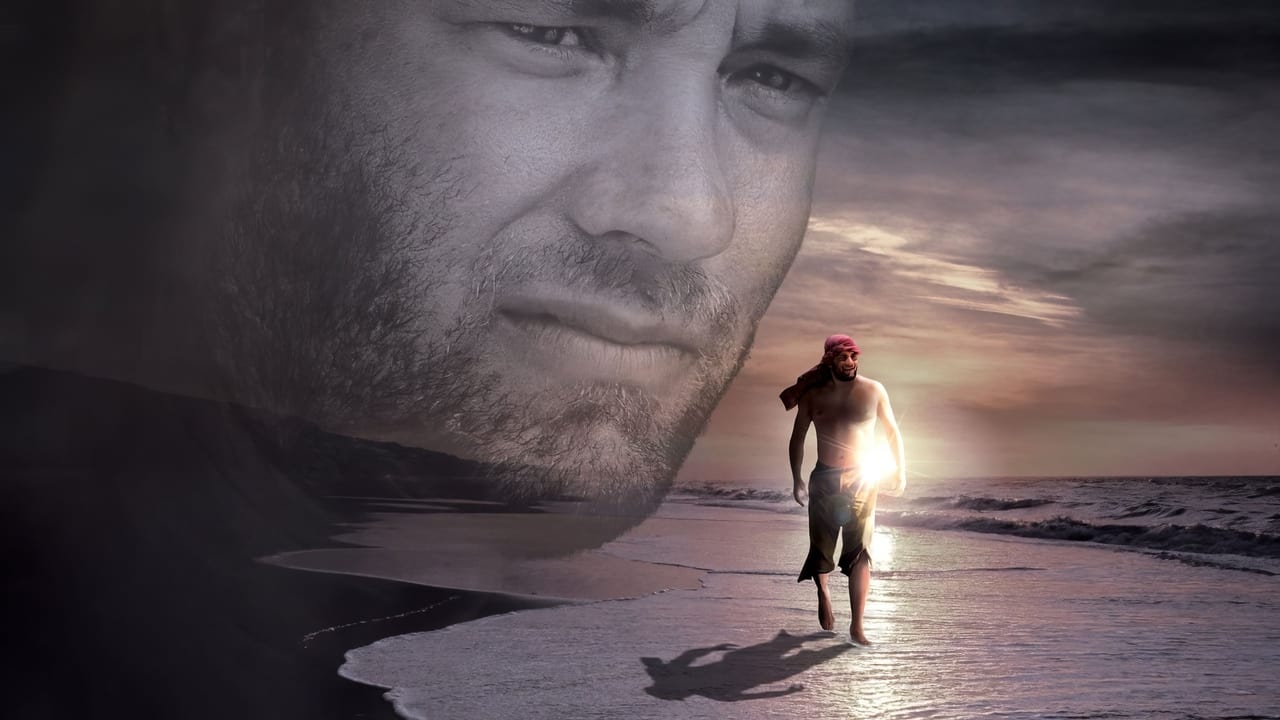
That year-long wait paid off. When the film cuts from "Year One" to "Year Four," and we see the transformed Chuck Noland standing on a cliffside spear-fishing with the precision of a heron, it feels earned. It wasn't CGI or a clever makeup chair session; it was a human being who had visibly weathered a storm. This was the era where "Physical Transformation" became the hallmark of the prestige drama, but here it didn't feel like Oscar bait—it felt like a survival necessity.
A Brand Name as a Best Friend
Looking back, the product placement in Cast Away is fascinating. Normally, I’m the first person to roll my eyes when a logo is centered in the frame, but FedEx and Wilson became essential characters. FedEx didn't actually pay for the placement; they were initially terrified the plane crash would hurt their brand. Instead, they ended up with a two-hour commercial for the indomitable human spirit (and their shipping reliability).
Then, of course, there’s Wilson. I suspect every person reading this has, at some point, jokingly screamed that name toward a body of water. Wilson isn't just a gimmick; he's the film’s way of exploring the psychological necessity of connection. We need to be heard, even if it’s by a blood-stained piece of leather. The fact that I actually teared up when a ball floated away is a testament to how effectively this movie manipulates our basic human empathy.
The Tragedy of the Crossroads
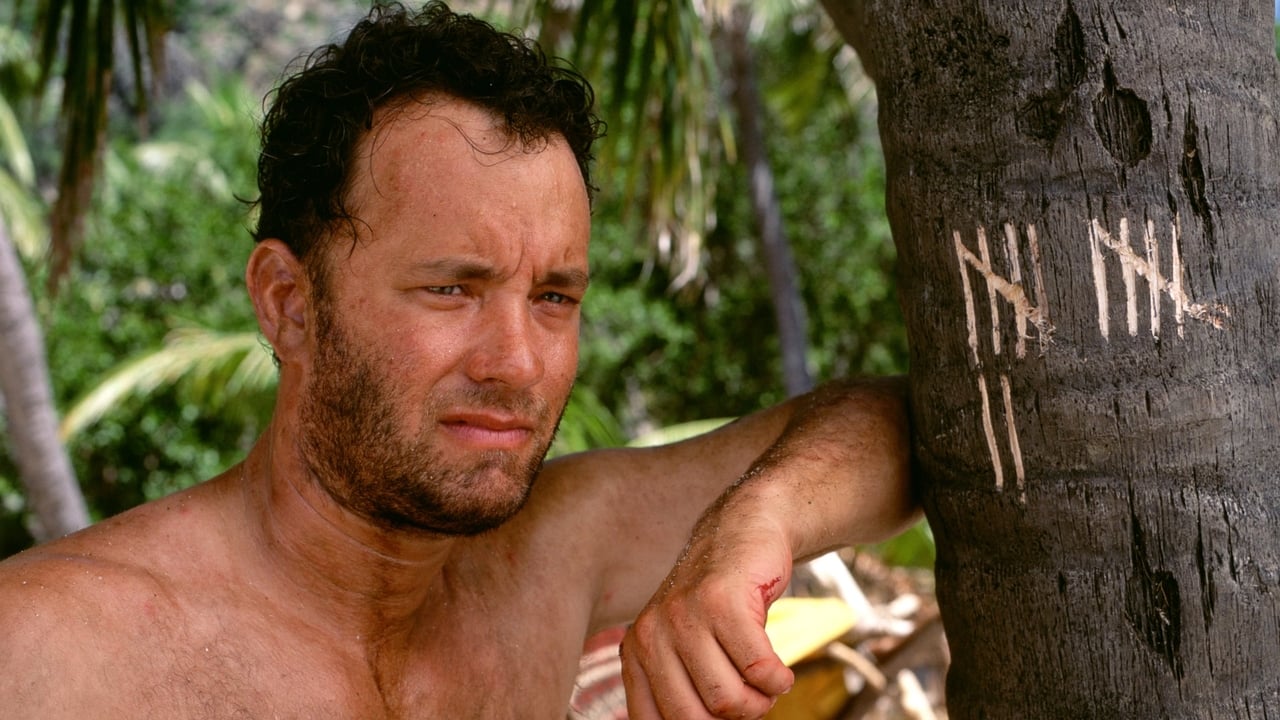
The third act is what separates Cast Away from being a standard "Man vs. Nature" survival flick. When Chuck finally gets off the island and returns to Helen Hunt’s Kelly, the movie shifts into a devastating domestic drama. It asks the question: What happens when the world moves on without you?
The scene in the driveway, in the rain, is a masterclass in "uncomfortable" acting. Hunt is brilliant here, capturing the paralyzing conflict of a woman who has mourned a man and found a new life, only to have the dead return. It’s not a fairy tale ending. It’s messy, quiet, and deeply sad. The "crossroads" finale is often debated, but I’ve always seen it as a moment of radical hope. Chuck spent years controlled by a FedEx clock, then years controlled by the tides. At that intersection, for the first time in his life, he has nowhere he has to be.
Cast Away is a rare blockbuster that respects the audience's patience. It’s a film that trusts a single man and a silent beach to hold our attention for over two hours, and it succeeds because it understands that our greatest fear isn't just dying—it’s being forgotten. It’s a beautiful, lonely, and eventually hopeful piece of cinema that still makes me look at my delivery driver with a weird amount of reverence.
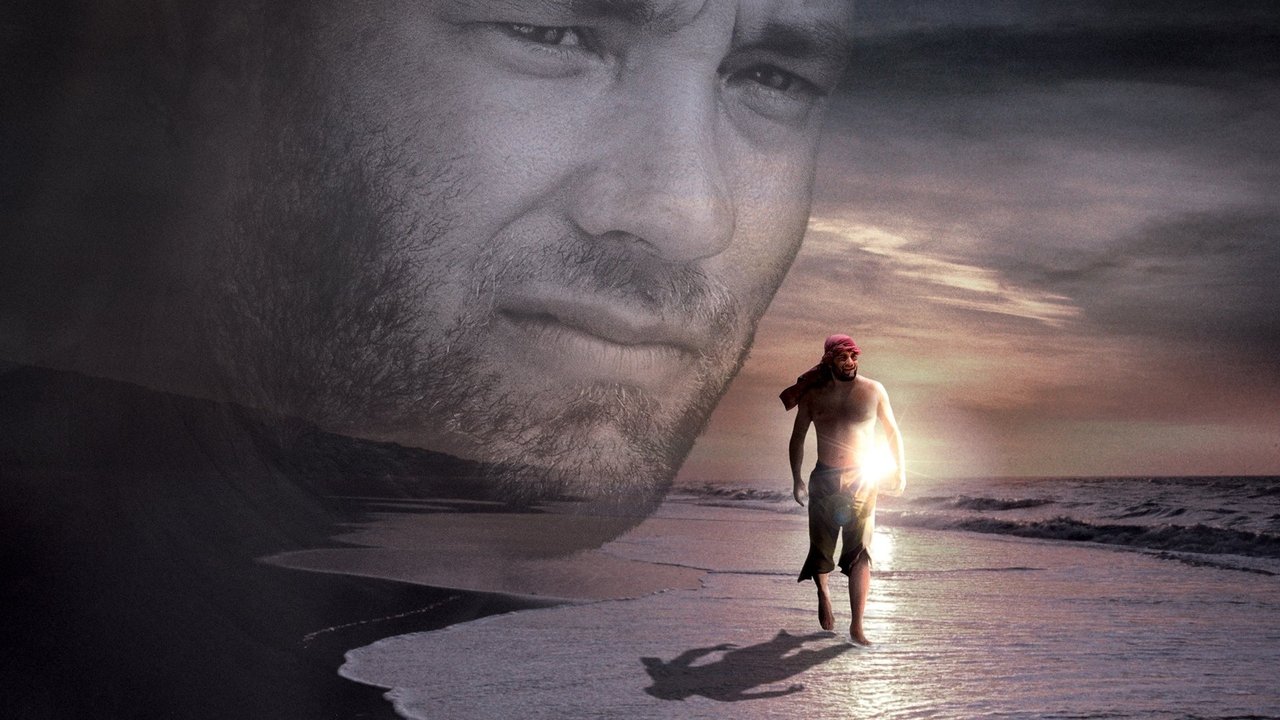
Keep Exploring...
-

The Polar Express
2004
-
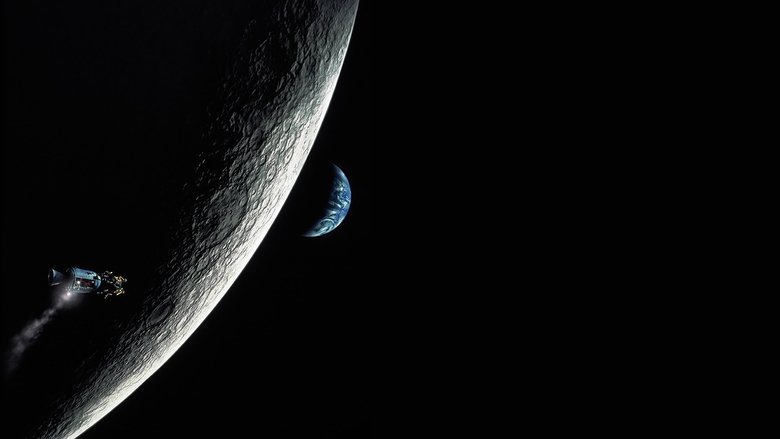
Apollo 13
1995
-
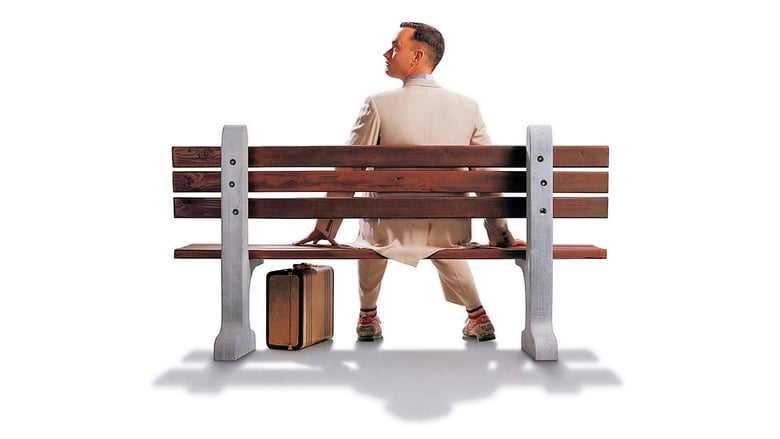
Forrest Gump
1994
-
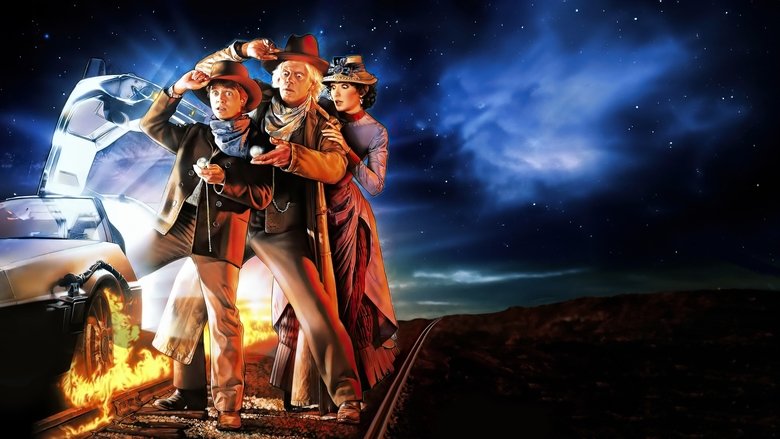
Back to the Future Part III
1990
-
Contact
1997
-
The Horse Whisperer
1998
-

The Prince of Egypt
1998
-
Tarzan
1999
-
Flight
2012
-
The Terminal
2004
-
Toy Story
1995
-
A Christmas Carol
2009
-
Life of Pi
2012
-

Crouching Tiger, Hidden Dragon
2000
-

Hero
2002
-

Robin Hood: Prince of Thieves
1991
-
Cool Runnings
1993
-
As Good as It Gets
1997
-

Seven Years in Tibet
1997
-

Gladiator
2000