Charlie's Angels
"Gravity is optional. Fun is mandatory."
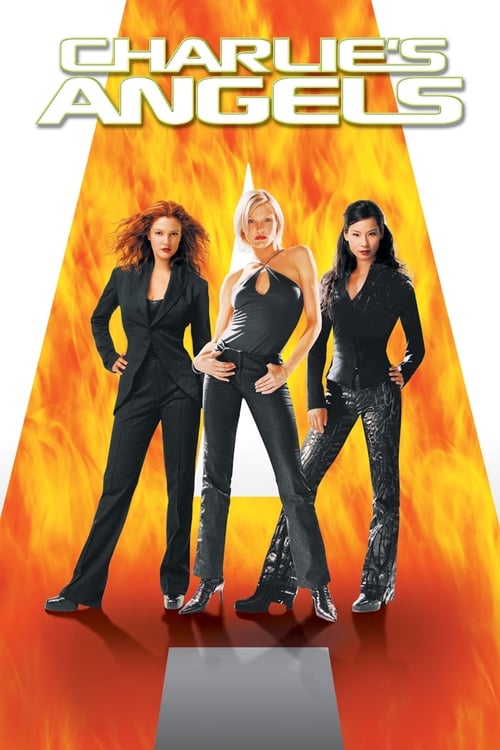
I distinctly remember watching Charlie’s Angels on a laptop with a dying battery while eating a bowl of cold cereal, and honestly, the crunch of the Froot Loops synced perfectly with the movie’s sugar-high sound design. It was the year 2000, the Y2K bug had failed to reset society to the Stone Age, and Hollywood decided to celebrate our survival by throwing a bucket of neon paint and a handful of ecstasy at a 1970s TV property.

Looking back, this movie isn't just a film; it’s a high-gloss time capsule of an era when we really thought frosted tips and low-rise jeans were the pinnacle of human achievement. Directed by McG, a man whose name sounds like a fast-food menu item and who cut his teeth on music videos, the film is a masterclass in "style over substance" where the style is so loud it becomes the substance.
The Music Video Aesthetic Meets the Matrix
If you want to understand the transition from the gritty 90s to the hyper-realized 2000s, look no further than the opening sequence. Within five minutes, we have a plane explosion, a mid-air costume change, and a boat chase. McG brings a frantic, relentless energy that feels like he was terrified the audience would look away for even a second. It’s a visual feast that refuses to acknowledge the laws of physics, leaning heavily into the "Wire-fu" trend popularized by The Matrix a year earlier.
However, unlike the brooding Neo, our Angels—Cameron Diaz, Drew Barrymore, and Lucy Liu—are having the time of their lives. There is a palpable chemistry between the three that saves the movie from being a hollow exercise in branding. I’m still convinced that the movie is a masterpiece of intentional stupidity, refusing to take itself seriously for even a single frame. Whether it’s Cameron Diaz’s Natalie Cook shaking it on Soul Train or Lucy Liu’s Alex Munday teaching corporate efficiency while dressed as a dominatrix, the film leans into the camp with a wink so hard it’s practically a facial twitch.
Stunts, Silents, and Set-Side Scuffles
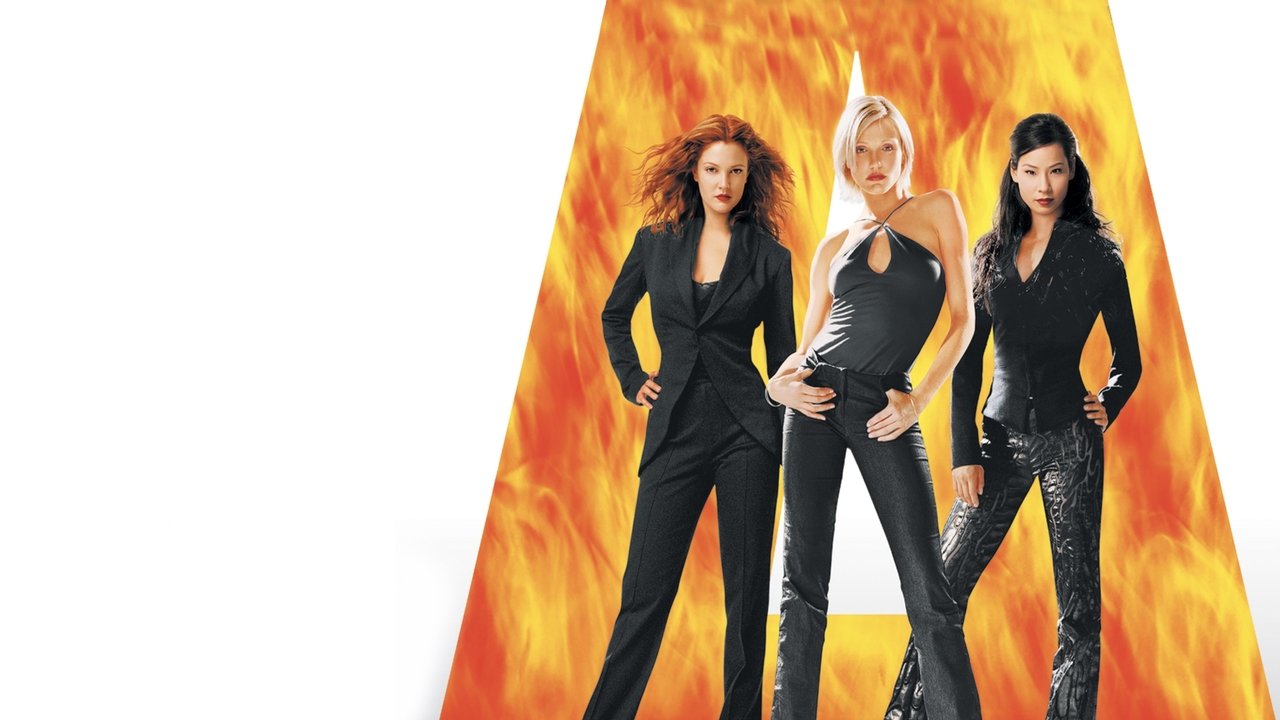
What really sets the action apart in Charlie’s Angels is a specific creative choice made by producer Drew Barrymore: the Angels don't use guns. In an era where action heroes were usually defined by their hardware, this forced the production to rely on elaborate choreography and martial arts. They brought in Cheung-Yan Yuen (brother of the legendary Wo-Ping) to train the leads, and while you can definitely see the wires, there’s a tactile joy in watching them flip through the air in four-inch heels.
The behind-the-scenes stories have since become the stuff of legend, contributing to its cult status. It’s well-documented now that Bill Murray, playing the handler Bosley, didn't exactly get along with Lucy Liu. The rumored on-set clashes were so intense that Murray didn't return for the sequel, replaced by Bernie Mac. Yet, on screen, Murray’s bizarre, detached energy works. He looks like he’s in a different movie entirely, perhaps wondering if he left his car lights on, which somehow balances the high-octane energy of the leads.
Then there’s Crispin Glover as the "Thin Man." Originally, the character had dialogue, but Glover reportedly hated the lines so much he suggested playing the character as a silent, hair-sniffing creeper. It was a brilliant move. He becomes the most memorable part of the film without saying a word, proving that it has the nutritional value of a Pixy Stix but the same immediate dopamine hit.
Why It Still Earns a Spot on the Shelf
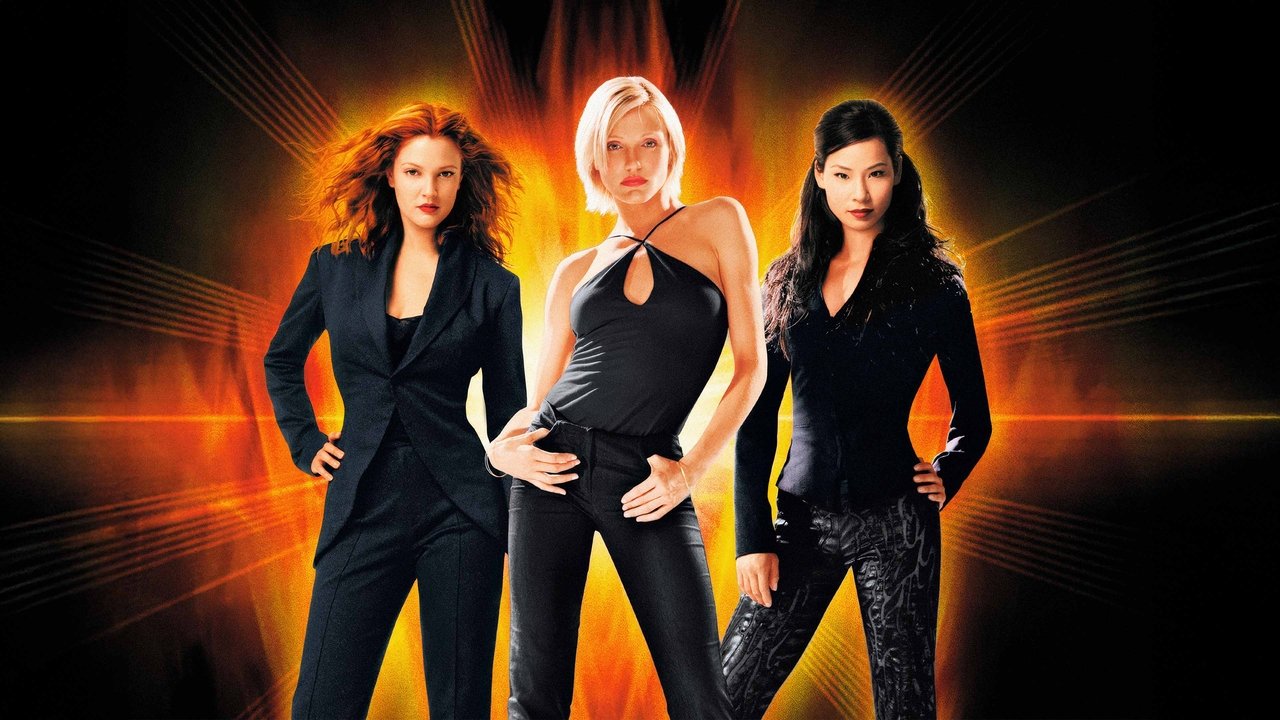
Revisiting this in the era of the interconnected, somber cinematic universes makes Charlie's Angels feel surprisingly refreshing. It isn't trying to set up five sequels or deconstruct the hero’s journey; it just wants to show you Sam Rockwell doing a villainous dance number to Marvin Gaye. Rockwell, by the way, is arguably the MVP here, pivoting from a "nerdy tech genius" to a scenery-chewing bad guy with the grace of a man who knows he’s in a hit.
The CGI has aged about as well as a carton of milk left in the sun—those early digital explosions look like something out of a PlayStation 1 cutscene—but that’s part of the charm. It represents a moment when digital tools allowed directors to be more "cartoony" before they tried to make everything look "realistic." It’s bright, loud, and unashamedly fun. While the 2019 reboot tried to modernize the concept with a more grounded, feminist edge, it lacked the chaotic, lightning-in-a-bottle joy that McG and his cast captured here.
Ultimately, Charlie’s Angels is a relic of a more optimistic, colorful time in blockbuster filmmaking. It’s a movie that understands its primary job is to entertain you for 98 minutes and then get out of the way. If you can embrace the absurdity and the aggressive Y2K soundtrack (shoutout to Destiny's Child), it’s a total blast. It reminds me that sometimes, you don't need a deep thematic exploration—you just need three women who can kick a guy through a window while hair-flipping in slow motion.

Keep Exploring...
-
Shanghai Noon
2000
-
This Means War
2012
-
Lethal Weapon 4
1998
-
The Rundown
2003
-
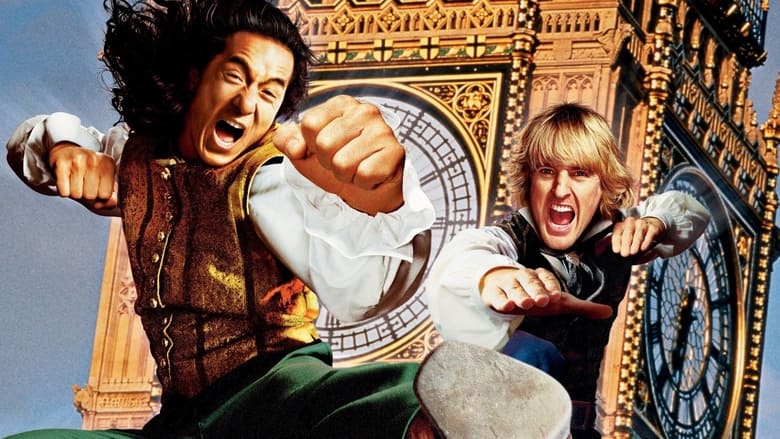
Shanghai Knights
2003
-
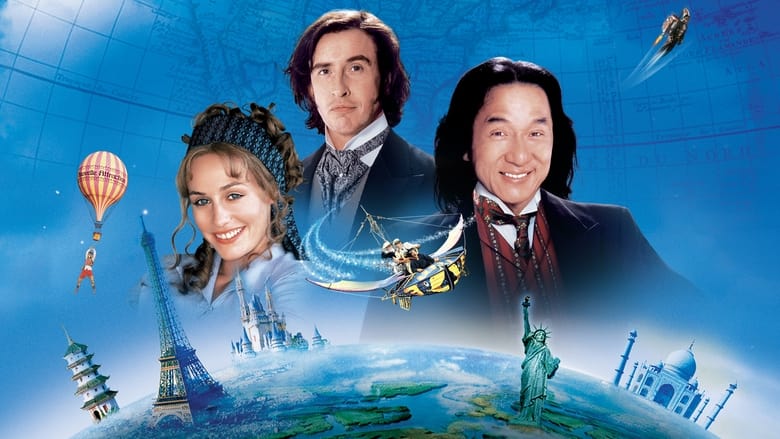
Around the World in 80 Days
2004
-
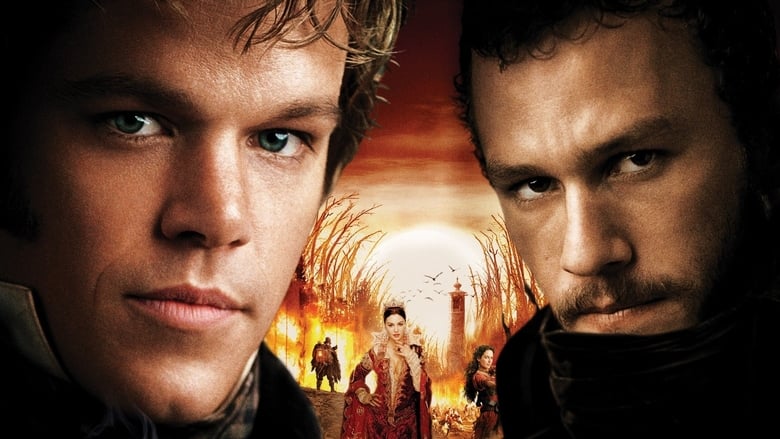
The Brothers Grimm
2005
-
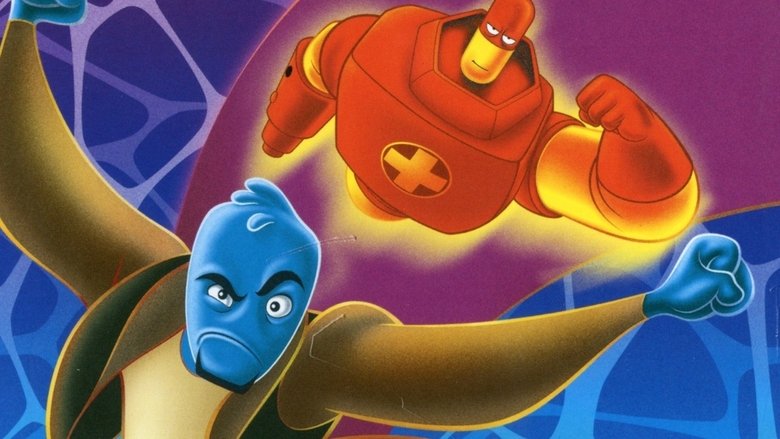
Osmosis Jones
2001
-
Last Action Hero
1993
-
Night at the Museum: Battle of the Smithsonian
2009
-

Taxi
1998
-

Mystery Men
1999
-

Sahara
2005
-
The Hitchhiker's Guide to the Galaxy
2005
-
Journey to the Center of the Earth
2008
-
Tropic Thunder
2008
-
Men in Black
1997
-

Sinbad: Legend of the Seven Seas
2003
-
Spy Kids
2001
-
Spy Kids 2: The Island of Lost Dreams
2002