Chicken Run
"Escape or fry. The stakes are delicious."
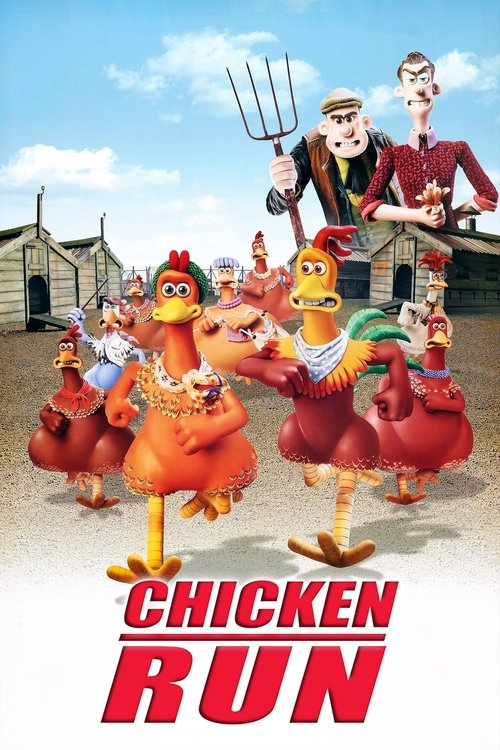
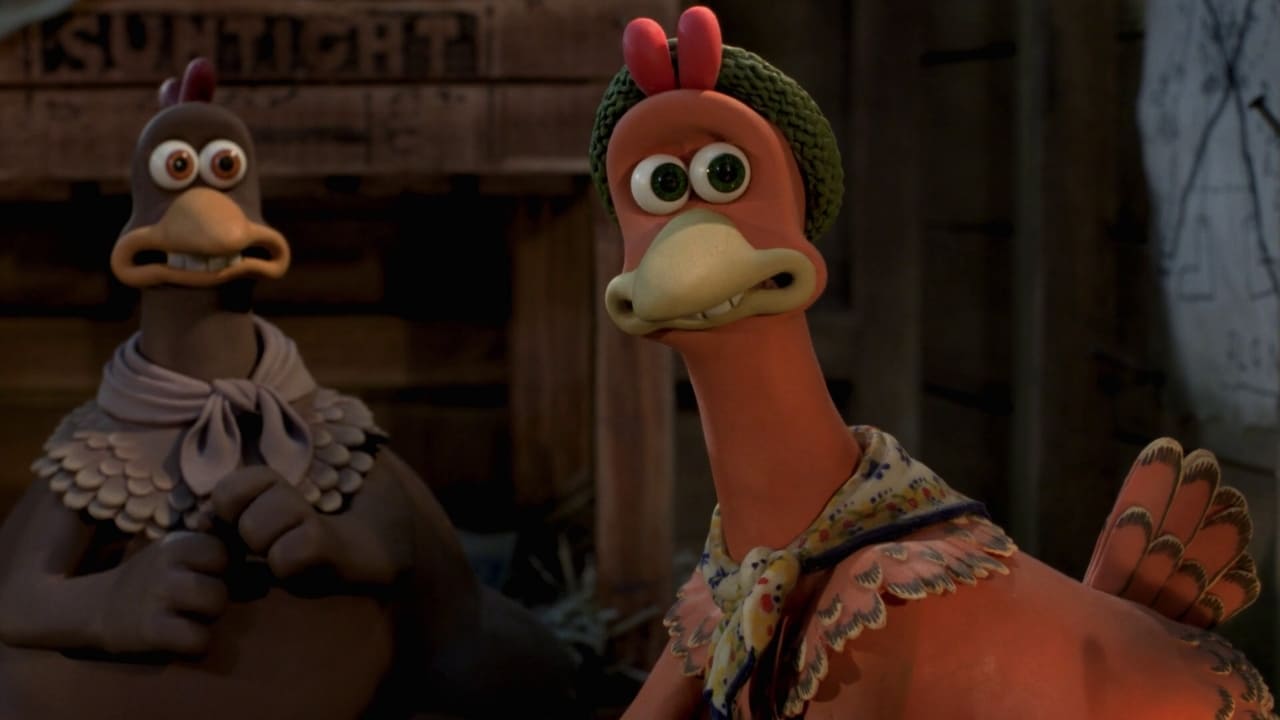
If you lean in close enough to your screen—close enough to see the individual pixels of a high-definition remaster—you can still see the thumbprints. That’s the first thing that struck me when I revisited Chicken Run this week. In an era where DreamWorks was pivoting hard toward the digital gloss of Shrek and Pixar was perfecting the physics of monster fur, Aardman Animations decided to spend years in a literal shed, hand-sculpting thousands of tiny, terrified birds out of Plasticine. I once tried to make a three-second stop-motion film in my garage using a desk lamp and some old Play-Doh; I ended up with a melted purple lump and a permanent stain on the carpet. Watching this film now, the sheer level of human patience required to make a chicken blink feels like a lost religious art.
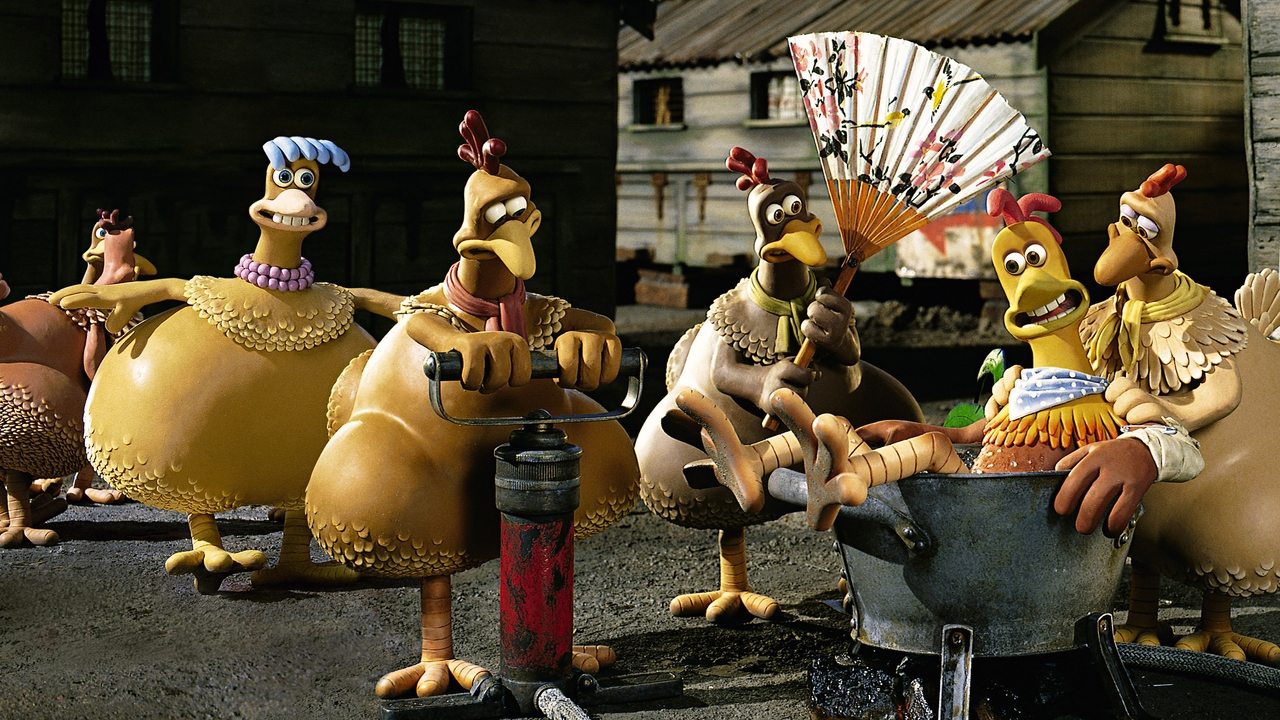
The Great Escape (With Beaks)
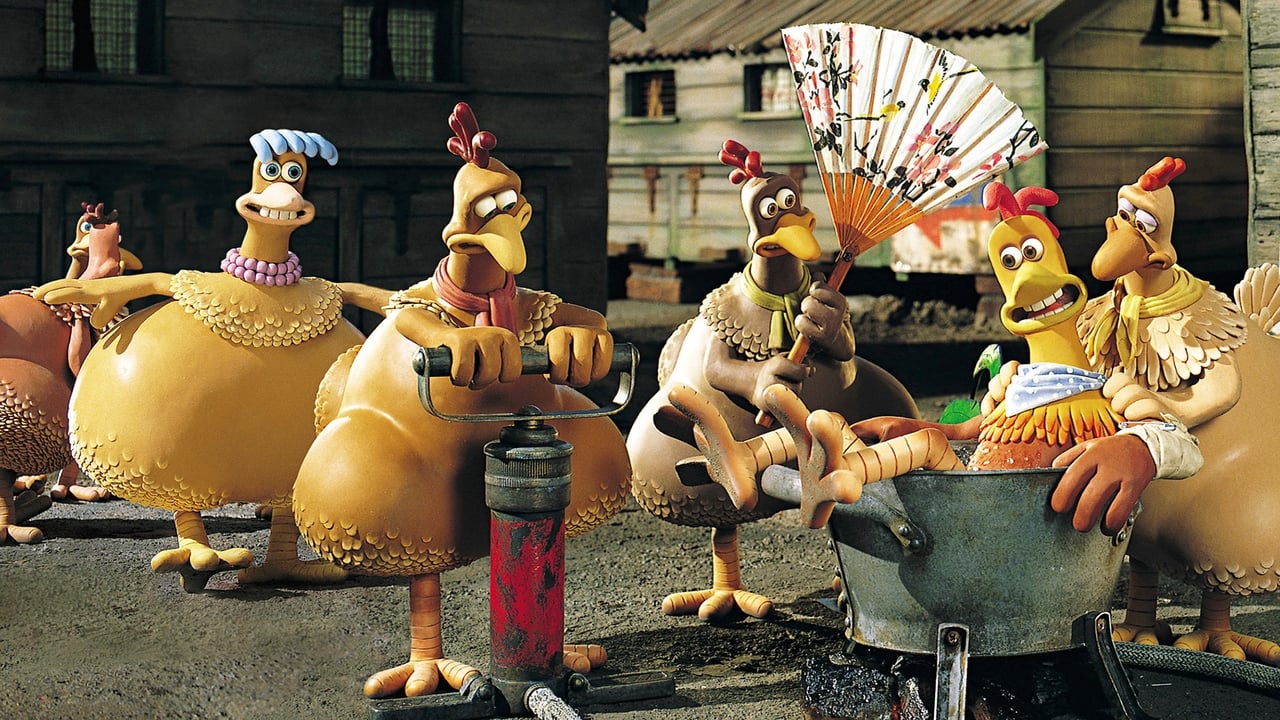
Released in 2000, Chicken Run arrived at a fascinating crossroads in cinema. It was the first feature-length project from the Bristol-based wizards who gave us Wallace & Gromit, and it remains a masterclass in how to translate a "short film" sensibility to a ninety-minute narrative without losing the soul. The setup is pure Stalag 17: Ginger, voiced with a steely, revolutionary grit by Julia Sawalha, is the leader of a group of hens living under the tyrannical thumb (and axe) of the Tweedys.
The film isn't just a parody of The Great Escape; it’s a legitimate entry into the prison-break genre that just happens to feature characters who lay eggs. The tension is real. When the dim-witted Mr. Tweedy marches into the coop to snatch a hen who hasn't met her quota, the atmosphere shifts from slapstick to genuine dread. Miranda Richardson voices Mrs. Tweedy with a cold, corporate malice that makes her one of the most effective villains of the early 2000s. Honestly, the Tweedys’ gravy-drenched pie machine is more psychologically scarring than most R-rated horror movie traps.
An American Rooster in Bristol
Then there’s Rocky. Mel Gibson was at the absolute height of his "charming rogue" powers here, playing a circus rooster who accidentally crashes into the farm. In the year 2000, his casting was the ultimate blockbuster move—the big American star brought in to give the "quirky British movie" global legs. Looking back, his performance is actually quite savvy; he plays Rocky as a total fraud, a blowhard who leans into the "hero" archetype to hide the fact that he’s just a scared bird who can’t actually fly.
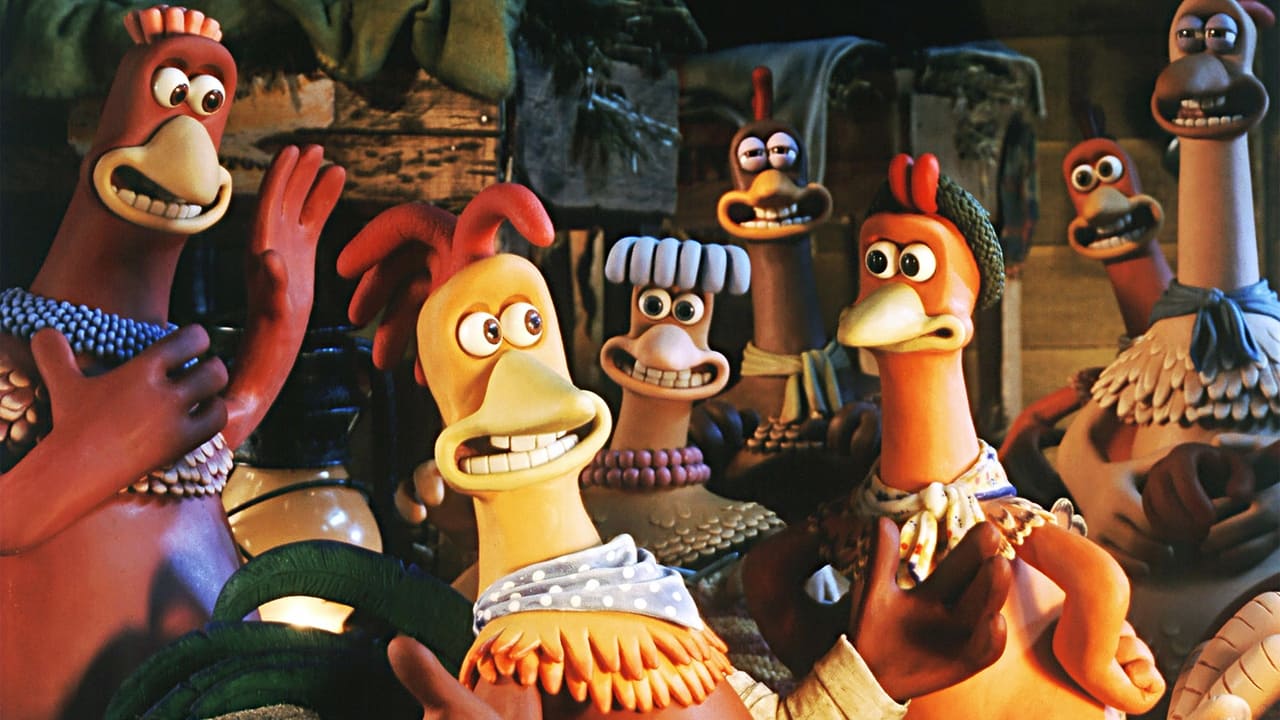
The chemistry between Rocky and Ginger works because the film treats their ideological clash seriously. She’s a collectivist focused on the "flock"; he’s a rugged individualist looking for a soft place to land. But the real joy lies in the supporting cast. Imelda Staunton as the skeptical Bunty and Jane Horrocks as the knit-happy, oblivious Babs provide a rhythmic comedic timing that most live-action ensembles would envy. Babs’ obsession with her knitting, even in the face of certain death, is the kind of specific, absurd character beat that makes Aardman films feel so lived-in.
Analog Soul in a Digital World
We often talk about the CGI revolution of the 90s and 00s as a purely positive trajectory, but Chicken Run reminds me of what we nearly lost: texture. There is a weight to these characters. When Rocky lands on a table, you feel the density of the clay. When the chickens build their "magnificent flying machine" (a sequence that still rivals any modern action set piece for sheer kinetic energy), the wood, fabric, and metal look like things you could actually touch.
The film was a massive commercial gamble. A $45 million budget for a stop-motion film was unheard of at the time. Yet, it grossed over $224 million, proving that audiences didn't just want the smoothest pixels—they wanted character. It’s also surprisingly "adult" in its wit. The dialogue is snappy, leaning into British wordplay and dry cynicism that surely flew over my head when I saw this as a kid. The rats, Nick and Fetcher, are basically a Vaudeville act trapped in a heist movie, and their banter provides some of the film’s best verbal gymnastics.
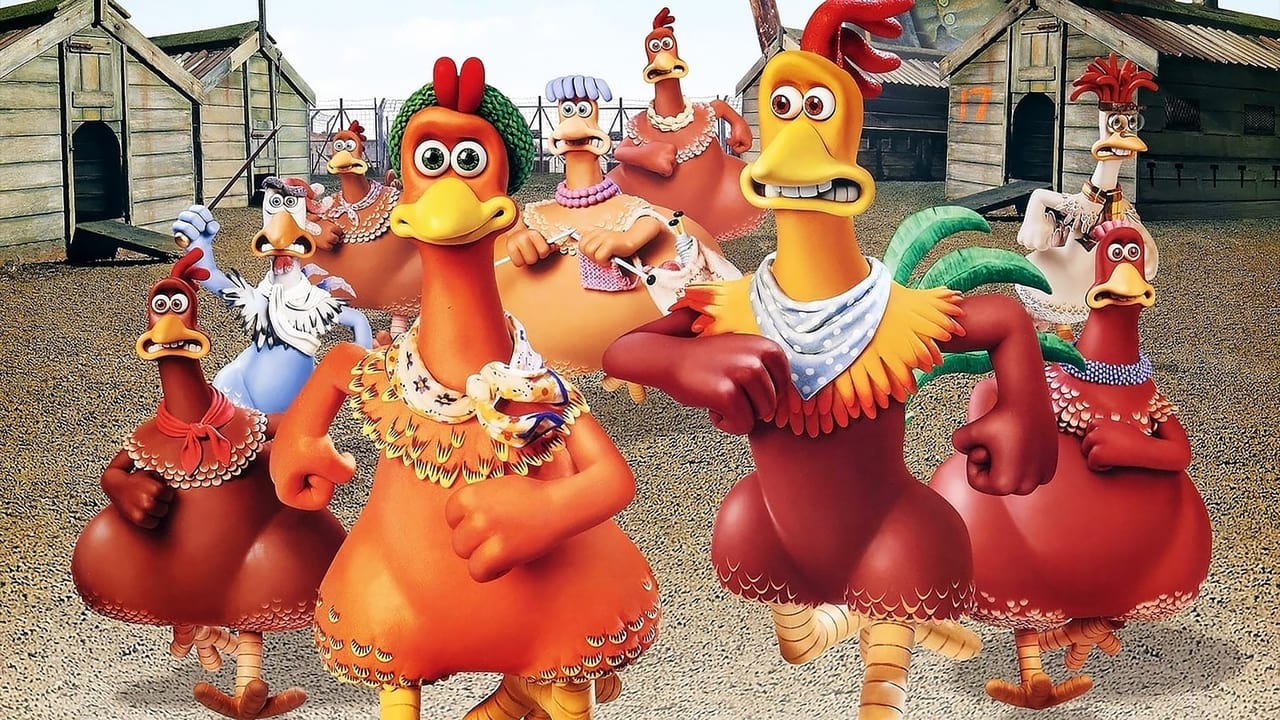
Chicken Run is a rare bird—a "family film" that refuses to talk down to its audience or rely on dated pop-culture references (a trap many of its contemporaries fell into). It’s a testament to the power of practical craft and the idea that a story about poultry can be as stirring as any epic. Even twenty-four years later, it’s a reminder that the most determined thing in the world isn't just a chicken with a plan—it’s an animator with a thumbprint.
The final escape sequence remains one of the most breathless ten minutes in animation history. Watching the "Old Girl" struggle to take flight while Mrs. Tweedy clings to the bunting is pure cinematic adrenaline. If you haven't visited the Tweedy farm in a while, do yourself a favor and go back. It’s a sharp, funny, and surprisingly moving reminder that freedom is always worth the cluck.
Keep Exploring...
-
Chicken Run: Dawn of the Nugget
2023
-

Wallace & Gromit: The Curse of the Were-Rabbit
2005
-
A Close Shave
1996
-

The Pirates! In an Adventure with Scientists!
2012
-
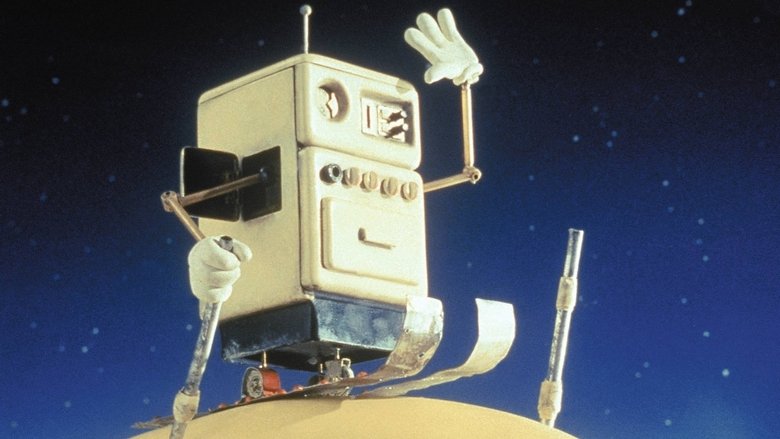
A Grand Day Out
1990
-
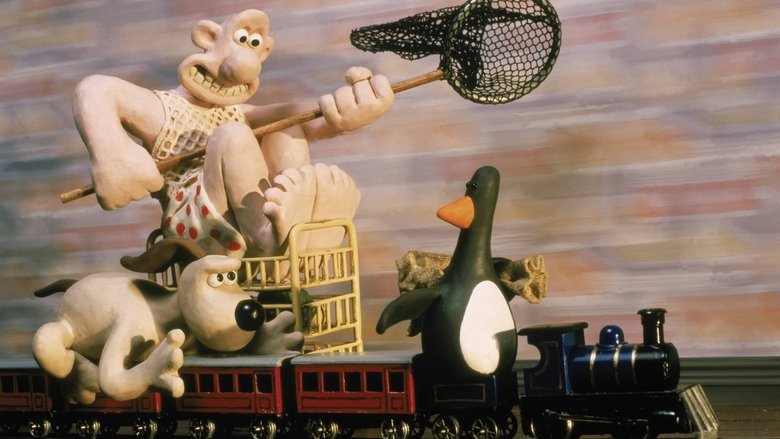
The Wrong Trousers
1993
-

The SpongeBob SquarePants Movie
2004
-
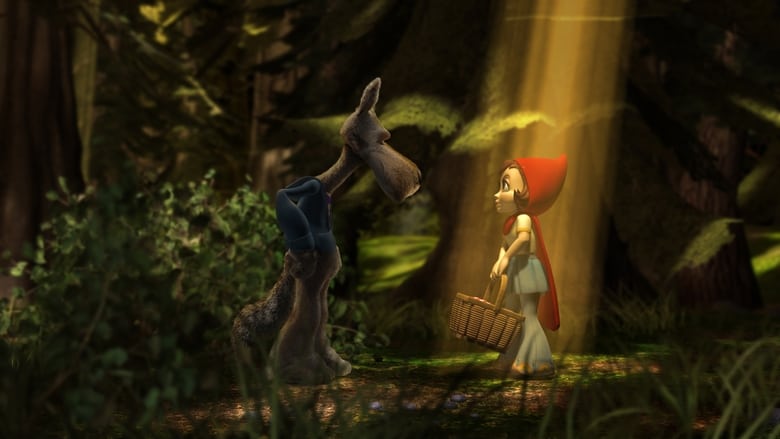
Hoodwinked!
2005
-
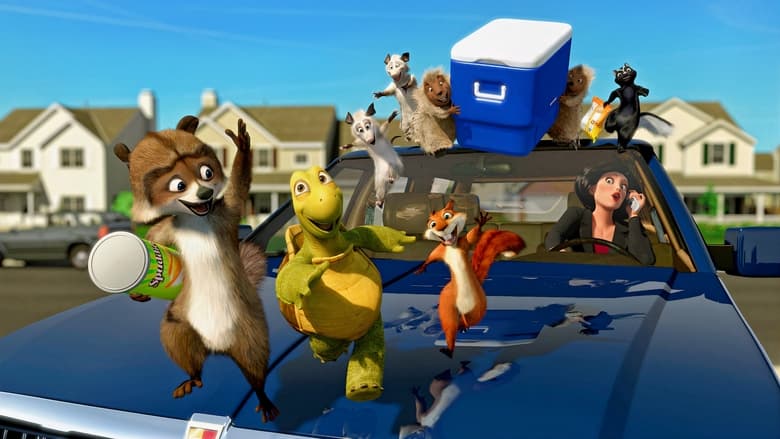
Over the Hedge
2006
-

Arthur Christmas
2011
-

A Bug's Life
1998
-

Toy Story 2
1999
-
Shrek
2001
-

Ice Age
2002
-

Lilo & Stitch
2002
-
Shrek 2
2004
-

Madagascar
2005
-
Robots
2005
-
A Goofy Movie
1995
-
Jimmy Neutron: Boy Genius
2001