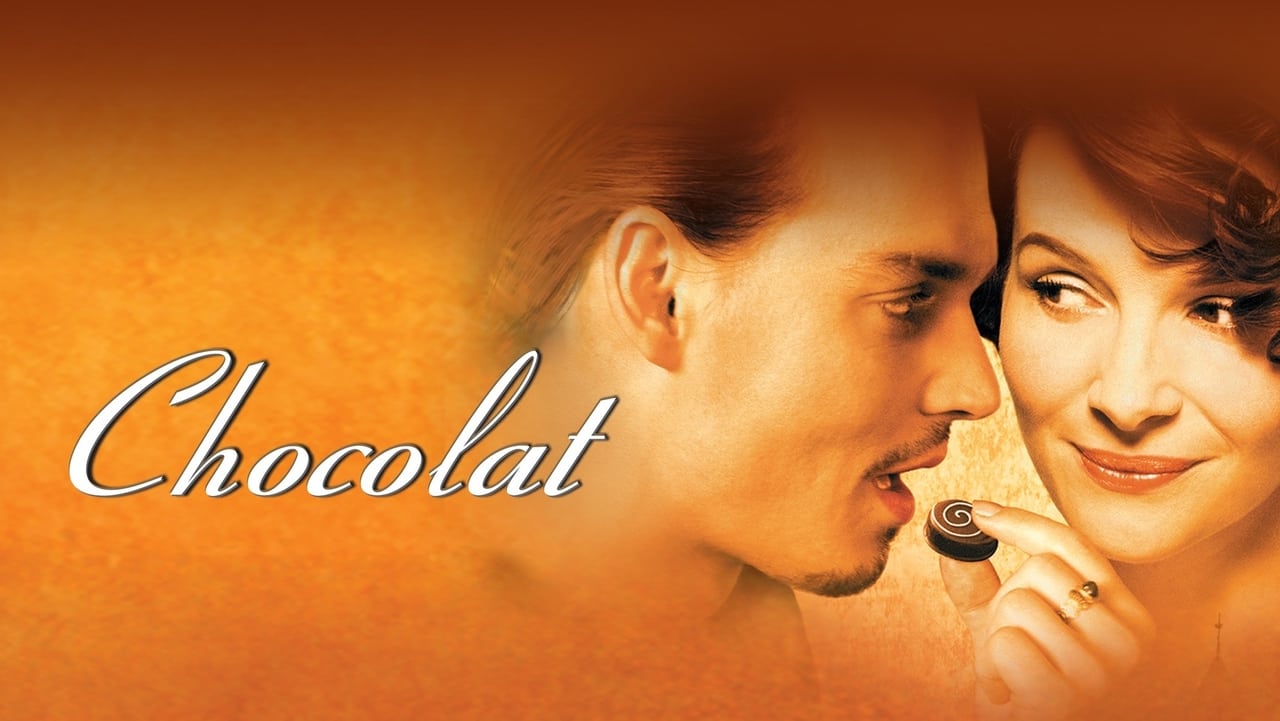
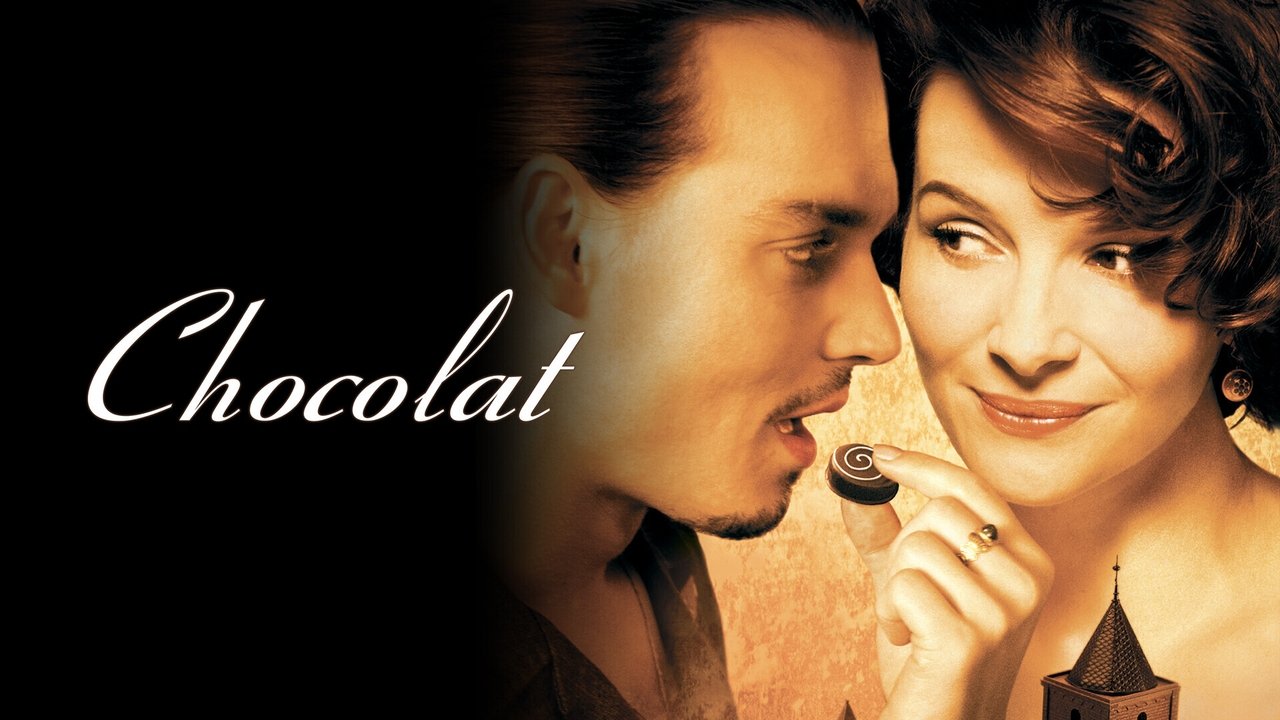
Chocolat
"Indulge in a little bit of rebellion."
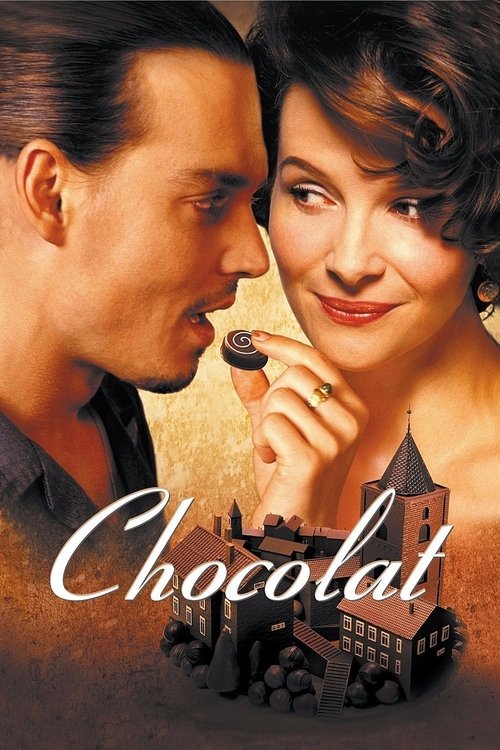
The year 2000 was a strange, transitional moment for moviegoers. On one side of the multiplex, we were witnessing the birth of the modern superhero era with X-Men; on the other, the digital revolution was looming with Gladiator’s CGI colosseum. Yet, in the middle of all that noise, a quiet, sugar-dusted film about a woman opening a candy shop in rural France managed to become a genuine cultural phenomenon. I watched this again recently while eating a slightly stale sleeve of Thin Mints, which felt like a pathetic substitute for the Mayan-spiced truffles on screen, but even with subpar snacks, the movie’s charm is undeniable.
The Miramax Golden Age
Looking back, Chocolat is the quintessential "Miramax movie" from the peak Harvey Weinstein era (before we knew the dark side of that particular moon). It represents a time when mid-budget, prestige dramas could actually rule the box office. With a modest $25 million budget, this film didn't just find an audience—it hunted them down and fed them sweets until they surrendered $152 million. That is an absurd amount of money for a film where the primary conflict involves a mayor being mad about Lent.
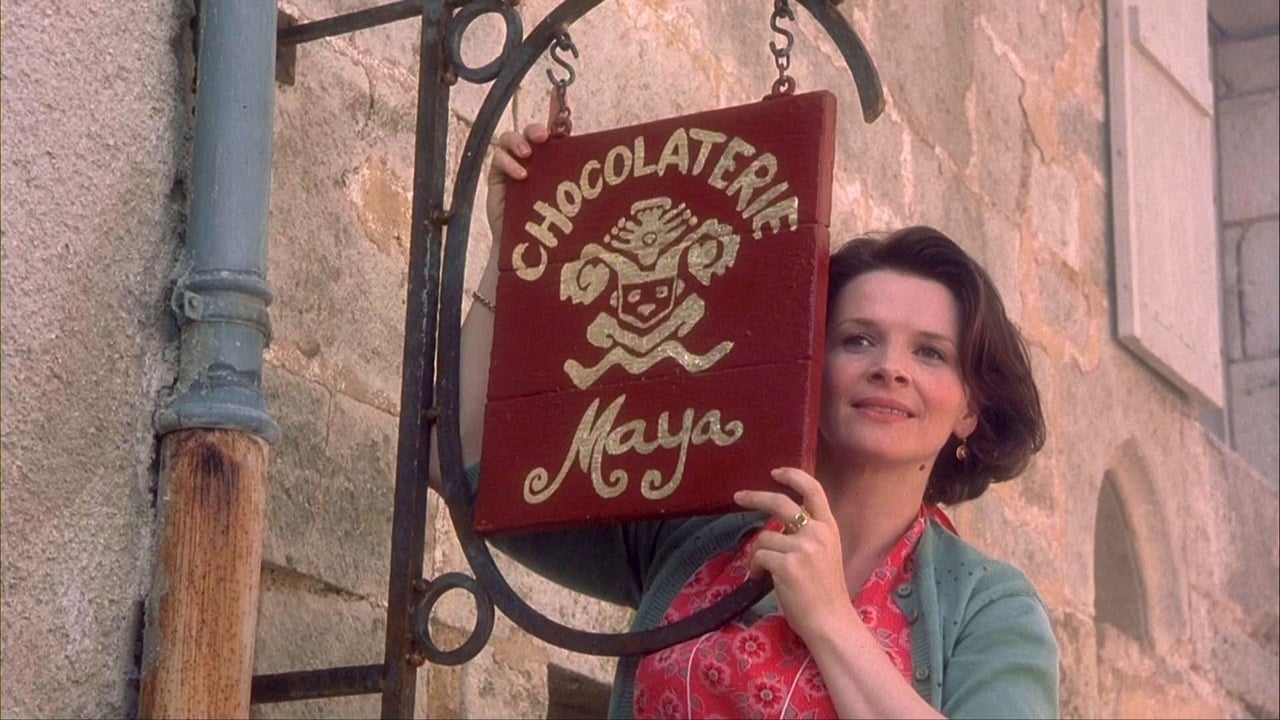
Director Lasse Hallström (who had just come off the success of The Cider House Rules) was the king of "cozy cinema" at the turn of the millennium. He had this specific knack for making European villages look like something out of a dream you had after drinking too much wine. The cinematography by Roger Pratt (who also shot Harry Potter and the Chamber of Secrets) gives the town of Lansquenet-sous-Tannes a blue-grey chill that makes the warm, orange glow of the chocolate shop feel like a literal sanctuary. It’s a masterclass in visual storytelling through temperature.
A Cast of Heavy Hitters
The film lives and dies on the shoulders of Juliette Binoche as Vianne Rocher. She has this ethereal, "drifting on the north wind" quality that could have been annoying in the hands of a lesser actress, but she grounds it with a fierce sense of motherhood. Opposite her, Alfred Molina plays Count Paul de Reynaud with a performance that is surprisingly nuanced. It would have been so easy to make him a cartoon villain, but Molina plays him as a man genuinely terrified that if people start enjoying themselves, the entire moral fabric of the universe will unravel. Honestly, Count Reynaud is basically the final boss of No Nut November.
Then there’s the supporting bench, which is frankly overqualified. Judi Dench shows up as the grumpy, diabetic landlady Armande, and she does more with a squint and a cane than most actors do with a ten-minute monologue. It’s also a treat to see Lena Olin as Josephine; her character’s journey from a domestic abuse victim to a self-assured woman is the emotional heart of the film.
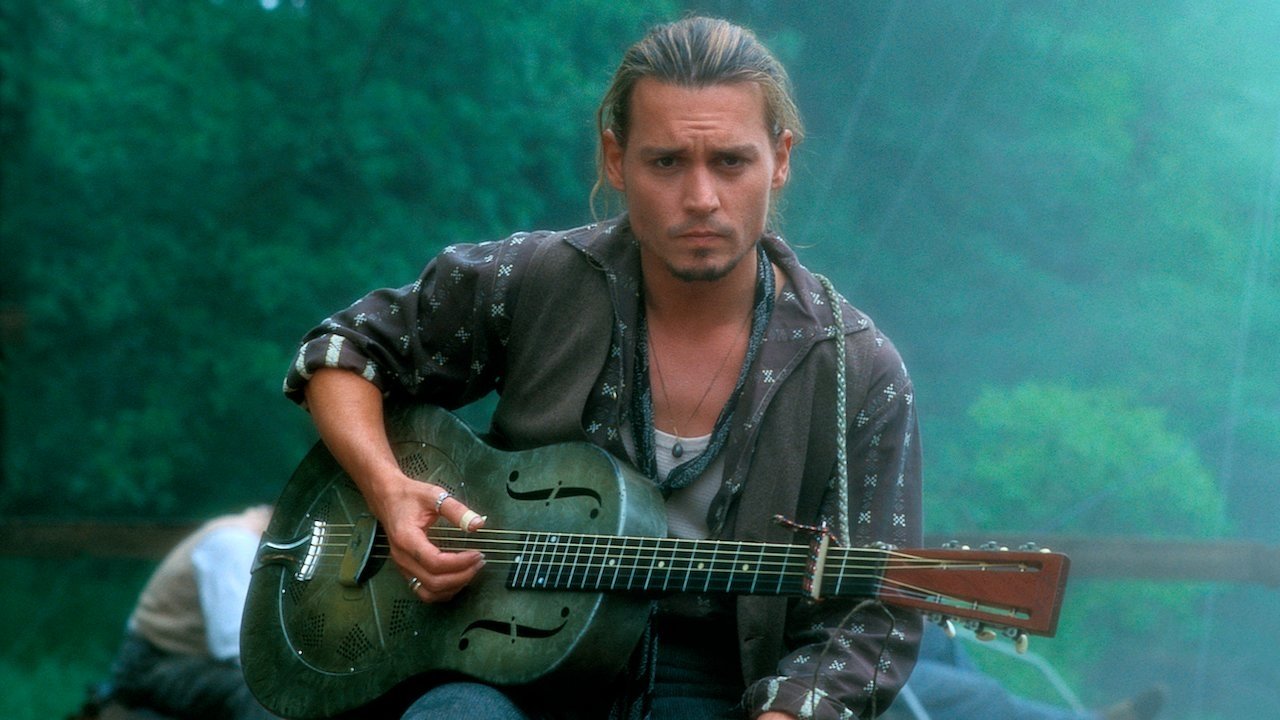
And, of course, we have to talk about Johnny Depp as Roux, the "river rat." This was Depp at the peak of his "mysterious bohemian" phase, three years before Pirates of the Caribbean turned him into a global brand. He’s essentially playing a human guitar solo here, but his chemistry with Binoche works because they both feel like outsiders who have decided that the world isn’t worth conforming to.
The Art of the Food Movie
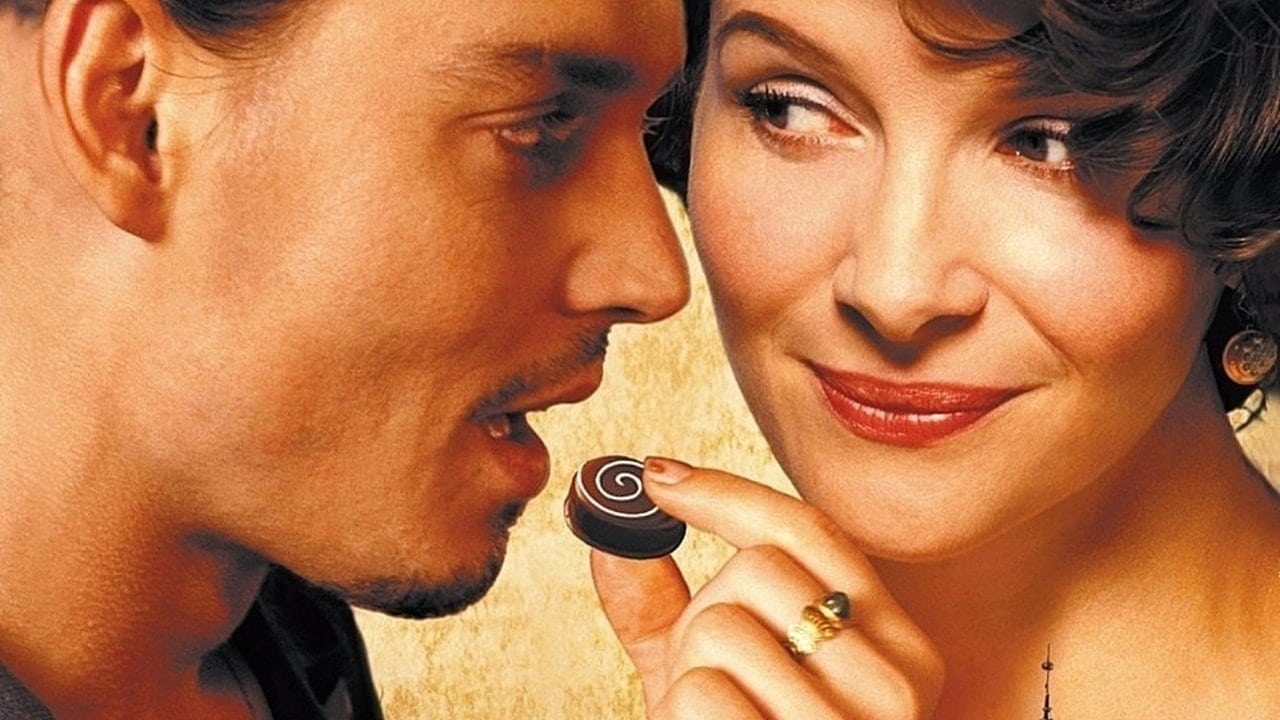
What I appreciate most about Chocolat is how it treats its titular subject. This was before the "food porn" era of Instagram and TikTok, but Hallström shoots the melting chocolate with a reverence usually reserved for religious icons. Apparently, Binoche actually went to a chocolate shop in Paris to learn the craft, and that tactile reality shows. You can almost smell the cinnamon and chili through the screen.
The film also captures that Y2K-era fascination with "exotic" ancient wisdom. The idea that chocolate has magical, truth-telling properties is a bit of a fairy-tale trope, but in the context of a stifling, grey French village, it works as a metaphor for radical kindness. It’s about the "sin" of pleasure vs. the "virtue" of suffering—a theme that felt very relevant in the late 90s indie boom, where many films were busy deconstructing traditional religious and social structures.
Stuff You Might Not Have Noticed
It’s fascinating to realize how much of a "watercooler" movie this was. It wasn't just a hit; it was a juggernaut that stayed in theaters for months. Turns out, the "river people" subplot was actually much darker in Joanne Harris’s original novel, but the film softens the edges to keep that "prestige cozy" vibe intact. Also, if you look closely at the scene where Alfred Molina finally breaks down in the shop window, he’s actually eating real chocolate—so much of it that he reportedly felt sick for days after. Talk about method acting.
The film earned five Oscar nominations, including Best Picture, which caused a bit of a stir at the time. Some critics felt it was "too light" compared to heavier fare like Traffic or Crouching Tiger, Hidden Dragon. But looking back from 2024, I think the Academy was right to recognize it. There is a specific skill in making a drama that feels this effortless and nourishing.
Chocolat is a reminder that you don't always need a world-ending threat or a digital army to make a compelling movie. Sometimes, all you need is a well-cast ensemble, a beautiful location, and a deep understanding of how a single truffle can change someone’s life. It’s a film that knows exactly what it is—a warm, slightly rebellious embrace that leaves you feeling significantly better than when you started. Even if your own snacks aren't up to Vianne’s standards, the movie remains a delicious way to spend two hours.
Keep Exploring...
-

Casanova
2005
-

Salmon Fishing in the Yemen
2012
-

Dear John
2010
-

Shallow Hal
2001
-
About a Boy
2002
-
Sideways
2004
-

The Princess Diaries 2: Royal Engagement
2004
-
Jerry Maguire
1996
-
As Good as It Gets
1997
-

Stepmom
1998
-

Bridget Jones's Diary
2001
-

My Big Fat Greek Wedding
2002
-
Lost in Translation
2003
-

Love Actually
2003
-

Something's Gotta Give
2003
-

Shall We Dance?
2004
-
Hitch
2005
-
Sleepless in Seattle
1993
-

What's Eating Gilbert Grape
1993
-

Juno
2007