Dancer in the Dark
"The music plays until the silence breaks you."
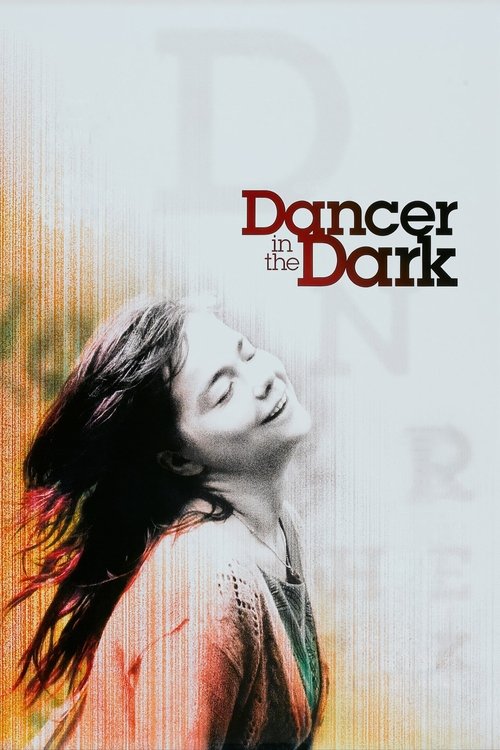
I remember exactly where I was the first time I finished Dancer in the Dark. I was slumped in a beanbag chair that was slowly leaking Styrofoam beads, staring at a static-filled TV screen in a cramped dorm room, clutching a half-eaten bag of salt-and-vinegar chips that suddenly tasted like ash. My roommate walked in, took one look at my thousand-yard stare, and asked if I’d just seen a ghost. In a way, I had. I’d seen the ghost of the Hollywood musical, resurrected and then systematically dismantled by the most provocatively cruel director in modern cinema.
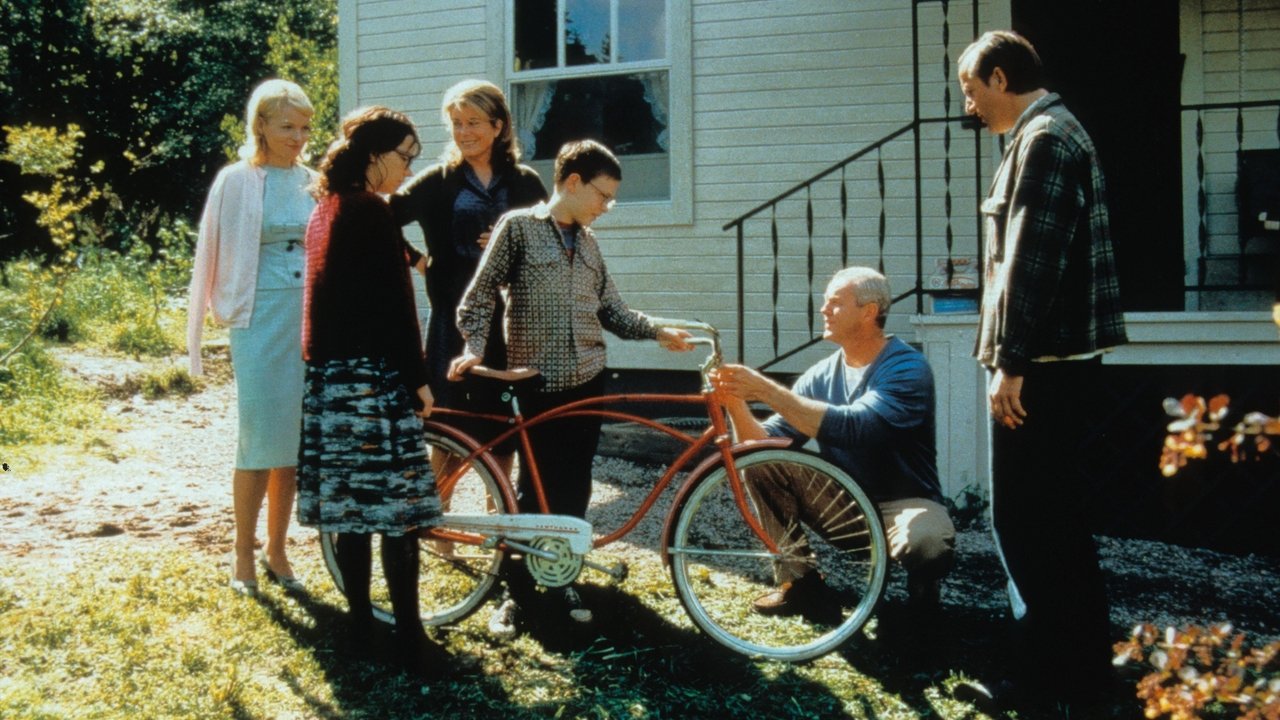
Lars von Trier is a filmmaker who doesn't just want to tell you a story; he wants to perform open-heart surgery on you without anesthesia. In the year 2000, while the rest of the world was obsessing over the sleek digital future of The Matrix or the burgeoning franchise power of X-Men, von Trier went the opposite direction. He used then-revolutionary digital technology to create something that felt ancient, raw, and almost unbearably intimate.
The Rhythm of the Unraveling
The premise is deceptively simple, almost like a dark fairytale. Björk plays Selma, a Czech immigrant working in a relentless metal-pressing factory in rural Washington state. She’s losing her sight to a genetic condition, and she’s frantically saving every penny for an operation to ensure her young son doesn't suffer the same fate. Selma’s only escape is her imagination. When the world gets too loud or too frightening, she transforms the industrial clatter of her life—the thumping of the factory machines, the screech of a train—into grand, sweeping musical numbers.
It’s a brilliant conceit. Björk, who also composed the score, delivers a performance that feels less like acting and more like a public exorcism. She isn't just "playing" Selma; she is vibrating on a frequency that most actors spend their entire careers trying to find. Lars von Trier treats his lead actress like a piece of high-tensile wire, stretching her until you can practically hear the metal screaming. It’s well-documented that the production was a nightmare—Björk famously clashed with von Trier to the point of allegedly eating part of a costume to avoid filming—and you can feel that friction on the screen. It’s a movie born of genuine, palpable distress.
Digital Grain and 100 Cameras
Technically, Dancer in the Dark is a landmark of the turn-of-the-century "Indie Film Renaissance." Working with the legendary cinematographer Robby Müller (the man who gave Paris, Texas its soul), von Trier utilized 100 fixed digital cameras for the musical sequences. This was groundbreaking at the time. In an era where digital was still synonymous with "cheap," von Trier used it to capture every conceivable angle of Selma’s fantasies.
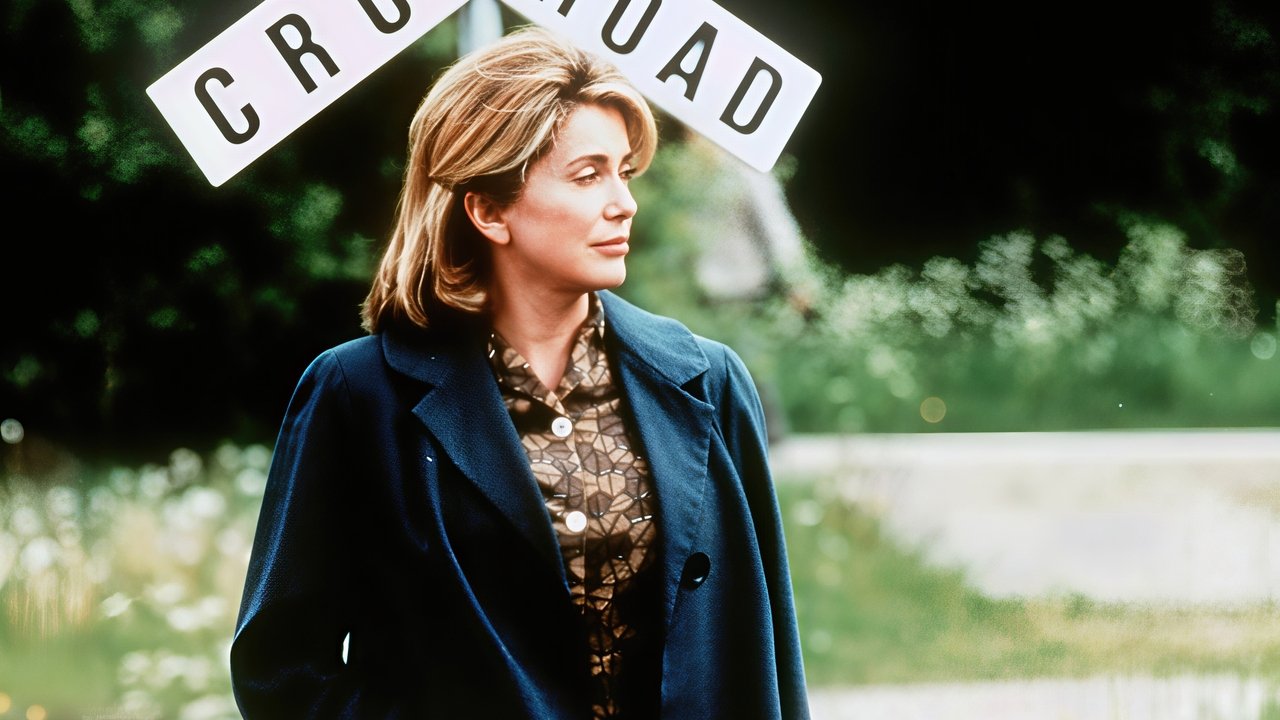
The contrast is jarring. The "real world" scenes are shot on shaky, hand-held cameras with muted, muddy colors—classic Dogme 95-adjacent aesthetic. But when the music starts, the colors pop, the frame stabilizes, and the world becomes a stage. It highlights the tragedy of Selma’s life: her happiness is literally a different format than her reality. Watching Catherine Deneuve—the ultimate icon of French cinematic elegance—navigate this grimy, handheld world as Selma's friend Kathy is a stroke of casting genius. She provides the only warmth in a film that is otherwise determined to leave you out in the cold.
The Audacity of Cruelty
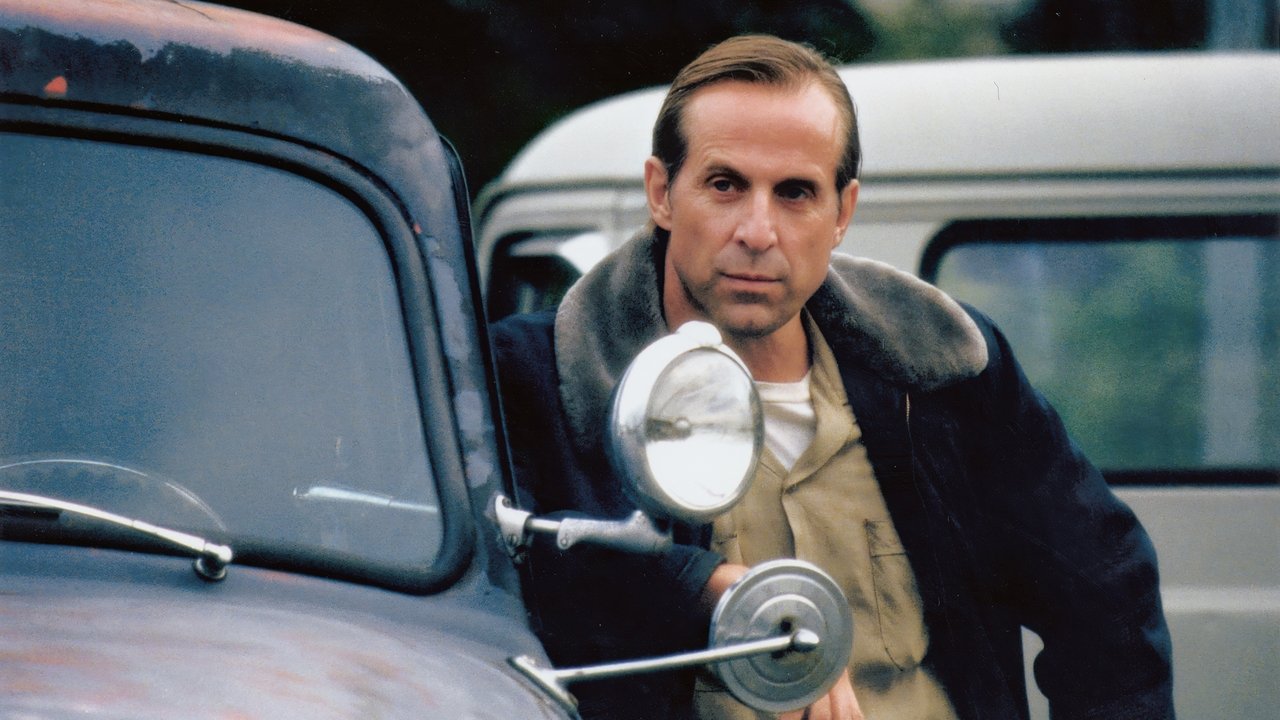
As the plot shifts from a struggle for survival into a harrowing crime drama involving a desperate neighbor played by David Morse, the film tests your limits. Morse is terrifying here precisely because he isn't a cartoon villain; he's a weak man driven to a monstrous act by his own mundane failures. His performance is the perfect foil to Selma's saintly, almost frustratingly pure innocence.

This is where my hot take comes in: this movie is a trap designed to break your heart and then step on the pieces just to see what sound they make. It is manipulative in the extreme. Von Trier understands the mechanics of the melodrama better than anyone, and he uses those tropes to lure you into a sense of empathy before pulling the rug out. I’ve heard people call it "misery porn," and I get that. It’s an exhausting watch. It’s the kind of film that makes you want to take a long walk in the rain and never speak to anyone ever again.
But that’s also why it’s a masterpiece. In a decade where movies were becoming increasingly homogenized and "test-screened" to death, Dancer in the Dark was an unfiltered, jagged burst of pure emotion. It doesn't care if you're comfortable. It doesn't care if you like Selma's choices. It only cares that you feel the weight of the noose tightening.
Ultimately, Dancer in the Dark remains the definitive "watch it once and never again" experience. It’s a towering achievement of the Y2K era, proving that digital cameras could capture a level of psychological devastation that traditional film stock sometimes smoothed over. It’s a musical for people who hate musicals, and a tragedy for people who think they’ve seen it all. If you have the emotional stamina, watch it for Björk, whose performance remains one of the most singular events in cinema history. Just maybe hide the salt-and-vinegar chips first.

Keep Exploring...
-

Dogville
2003
-
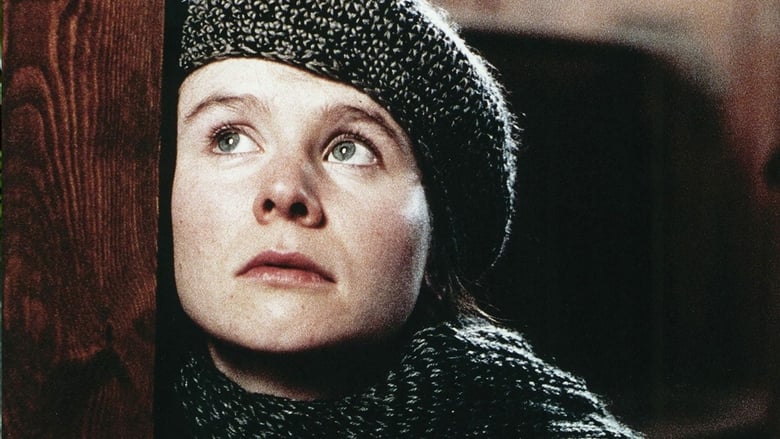
Breaking the Waves
1996
-

The House That Jack Built
2018
-
Strange Days
1995
-
The Rainmaker
1997
-
A Simple Plan
1998
-

Rounders
1998
-
Arlington Road
1999
-
The Man Who Wasn't There
2001
-
Infernal Affairs
2002
-
Bad Education
2004
-

Capote
2005
-
The Protector
2005
-

The Negotiator
1998
-
Boys Don't Cry
1999
-
I'm Not Scared
2003
-
Matchstick Men
2003
-

3-Iron
2004
-
A Bittersweet Life
2005
-
Fargo
1996