Fantasia 2000
"A century ends, a dream begins again."
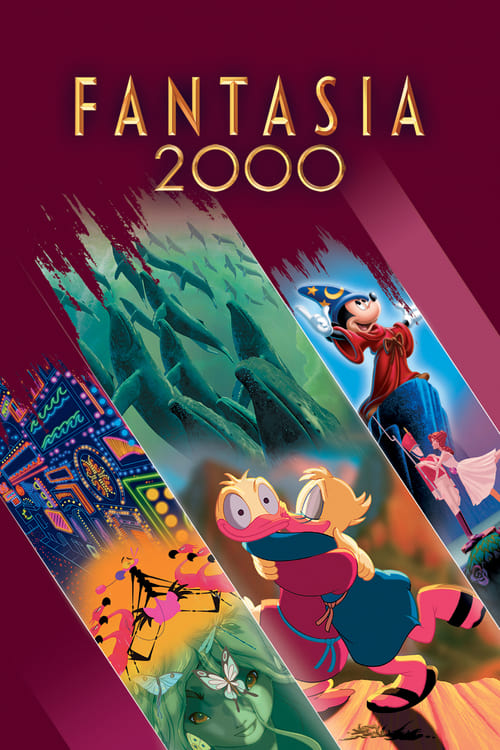
Stepping into the shadow of a giant is usually a fool’s errand, but Roy E. Disney was a man possessed by a very specific, very expensive ghost. For decades, the "legacy" wing of the studio had toyed with the idea of Walt’s original vision: a Fantasia that was a "living" film, constantly updated with new segments so that the experience stayed fresh for every generation. By the time the clock was winding down on the 20th century, the technology had finally caught up to the ambition. I remember the buzz surrounding this release; it wasn't just another Disney movie, it was a high-culture flex during the peak of the studio’s digital transition.
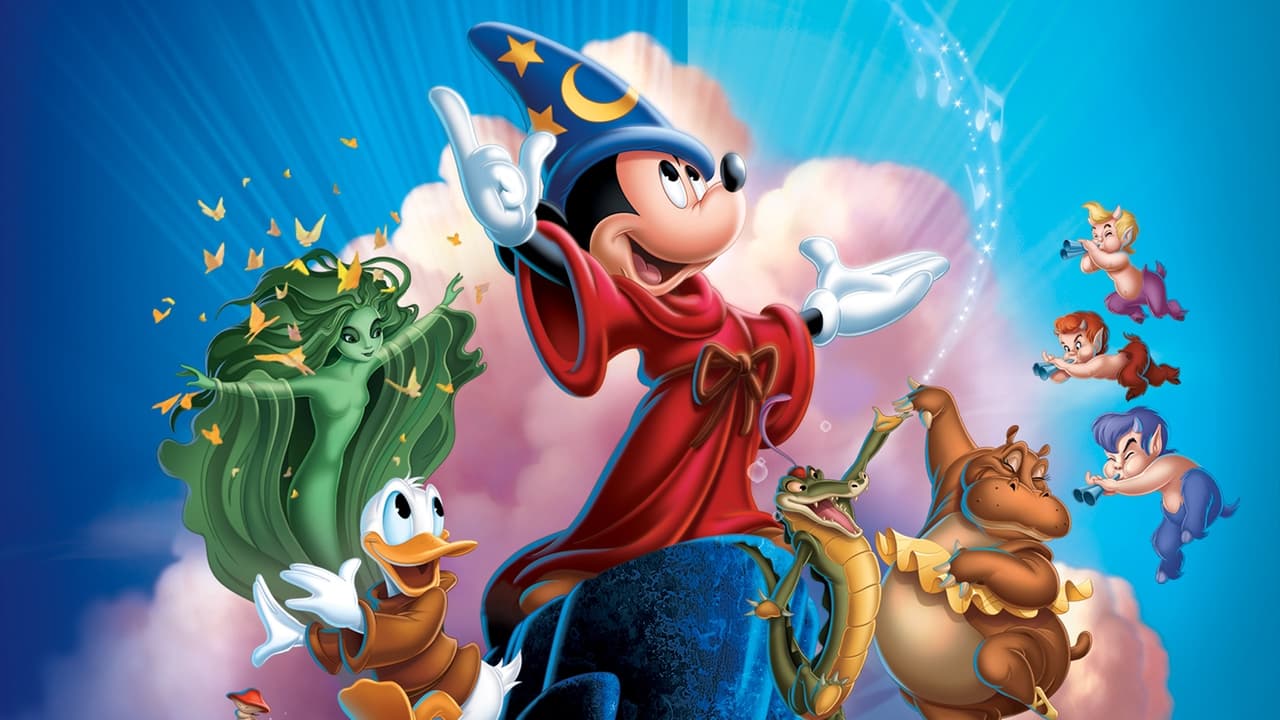
I recently rewatched this on a Tuesday afternoon while my neighbor was loudly power-washing his driveway, and yet the "Firebird Suite" still managed to drown out the suburban drone. It’s a film that demands your attention, not through dialogue, but through the sheer "performance" of the animation.
The Drama of the Unspoken
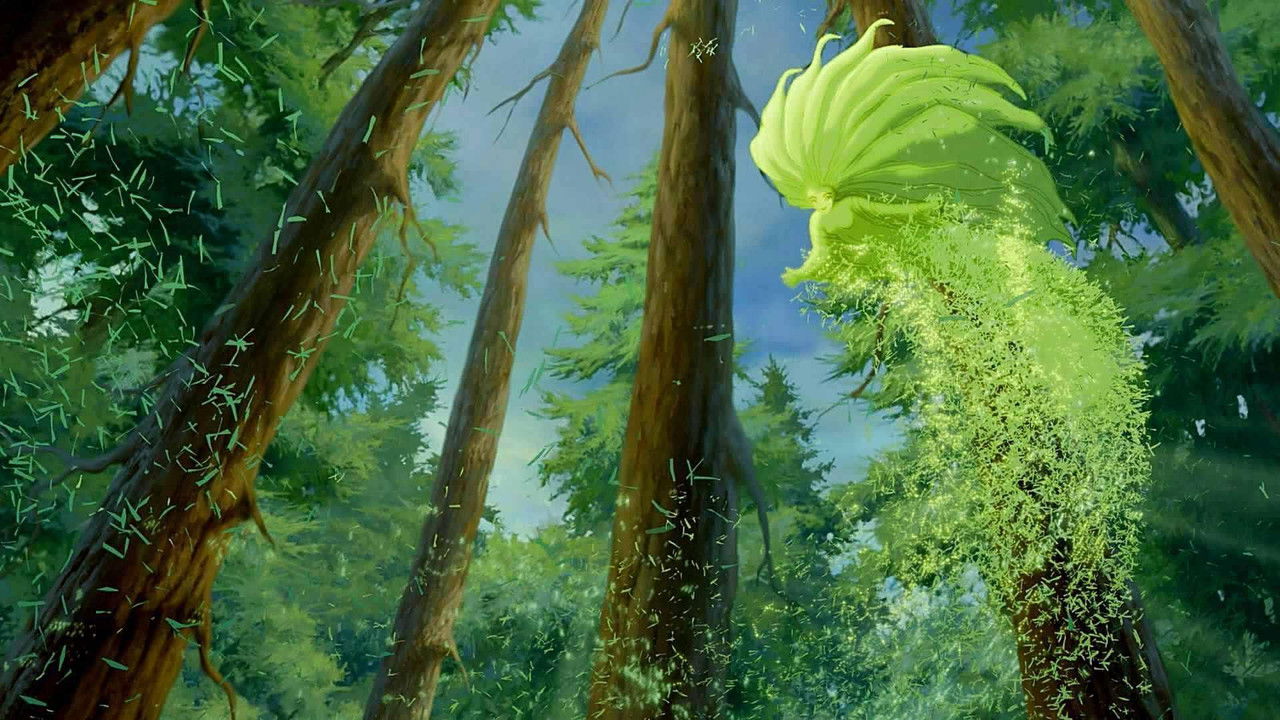
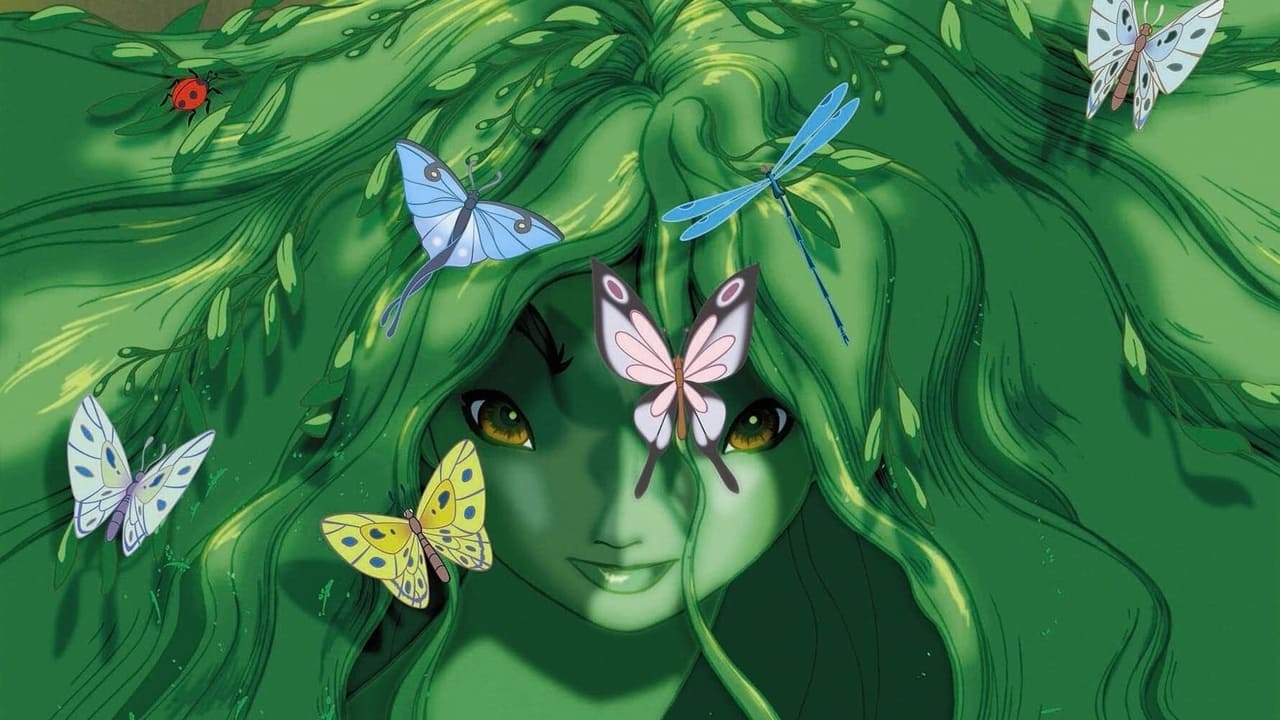
While Fantasia 2000 is categorized as a musical anthology, the heart of the film is pure drama. Without a single line of spoken dialogue in the segments, the animators had to rely on the "silent film" school of acting. Take the "Firebird Suite," directed by Gaëtan Brizzi and Paul Brizzi. It’s a staggering piece of environmental drama. When the Spring Sprite accidentally wakes the Firebird—a terrifying, volcanic manifestation of destruction—the emotional shift from curiosity to soul-crushing guilt is palpable.
I’ve always felt that the best dramas aren't about what people say, but how they react to the unthinkable. Seeing the Sprite look over a charred, blackened forest is more moving than half the live-action tear-jerkers from that same year. It’s a redemption arc condensed into nine minutes of Stravinsky-fueled intensity. It earns its emotional climax because we see the character's internal collapse and subsequent rebirth. It’s heavy stuff for a "family" movie, but that’s the Fantasia brand—treating the audience like they have an emotional pulse.
The CGI Revolution and Its Growing Pains
Looking back from 2024, Fantasia 2000 is a fascinating time capsule of the "CGI Revolution." We were right at the turning point where hand-drawn art was beginning to shake hands with digital rendering. In "Pines of Rome," we get humpback whales that take flight through a supernova. At the time, this was groundbreaking. Looking at it now, the textures are a bit smooth, lacking the granular detail of modern Weta or ILM work, but the sense of scale still works. There’s a weight to those digital whales that feels majestic rather than dated.
However, the "Steadfast Tin Soldier" segment reveals the era’s limitations. The CGI tin soldier looks like a nightmare from a 1995 screensaver, especially when he’s standing next to the more gracefully rendered ballerina. It’s that early-2000s tech anxiety manifesting on screen—the ambition was clearly outstripping the processing power. Yet, there’s a charm to it. It reminds me of the early DVD era, where we’d sit through hours of "Making Of" featurettes just to see how they rendered a single raindrop.
A Masterclass in Visual Rhythm
The undisputed crown jewel of the film remains "Rhapsody in Blue." Directed by Eric Goldberg (the man who gave the Genie his manic energy in Aladdin), this segment is a love letter to the line-work of caricaturist Al Hirschfeld. It’s a sprawling, multi-character drama set in Depression-era New York, and it’s perfect.
I love how the "performances" here are dictated by the jazz-infused rhythm of George Gershwin. We follow four different people—a construction worker who wants to play drums, a harried husband, a jobless man, and a lonely little girl—whose lives intersect in a series of near-misses and coincidences. It captures the frantic, lonely, hopeful energy of a city better than most live-action dramas. The way the colors shift from a cold, lonely blue to a vibrant, chaotic gold as the day progresses is a masterclass in visual storytelling. It’s the segment that justifies the entire project’s existence.
The Host Problem
If there’s a flaw that truly dates the film, it’s the framing. To make the film feel "modern," Disney brought in a rotating cast of celebrity hosts. While it’s nice to see James Earl Jones or Quincy Jones lend their gravitas, some of the other choices haven't aged as gracefully. The celebrity host segments are the cinematic equivalent of a 'skip' button. Steve Martin does his best with some prop comedy, and Bette Midler introduces the "Steadfast Tin Soldier" with a theatricality that feels like a very expensive 1999 telethon.
Penn Jillette and Teller show up for a bit that feels like it belonged on a different TV special entirely. It breaks the "concert hall" immersion that the 1940 original fought so hard to maintain. You can almost feel the studio executives in the background worrying that the audience might get bored without a "famous person" to guide them. It’s a relic of that late-90s mindset where every piece of art needed a recognizable face to sell it.
Ultimately, Fantasia 2000 is a triumph of craft over commercial cynicism. It didn't set the box office on fire, and it’s often overlooked in favor of the 1940 original, but it’s a vital bridge between two eras of filmmaking. It shows us a studio at its most experimental, willing to spend $80 million on a film with no dialogue and a soundtrack by Shostakovich. It’s a movie that trusts you to feel something just by looking at colors and hearing a violin. Even with the dated CGI and the clunky intros, it remains a beautiful, strange, and deeply moving experience that reminds us why we fell in love with animation in the first place.

Keep Exploring...
-
Fantasia
1940
-
The Rescuers Down Under
1990
-

Pocahontas
1995
-
A Goofy Movie
1995
-

The Emperor's New Groove
2000
-
Titan A.E.
2000
-
Osmosis Jones
2001
-

Finding Nemo
2003
-
Looney Tunes: Back in Action
2003
-
Beauty and the Beast: The Enchanted Christmas
1997
-

Aladdin and the King of Thieves
1996
-
James and the Giant Peach
1996
-
Geri's Game
1997
-

For the Birds
2000
-
The Little Mermaid II: Return to the Sea
2000
-
Jimmy Neutron: Boy Genius
2001
-
Joseph: King of Dreams
2002
-
101 Dalmatians II: Patch's London Adventure
2003
-

Barbie of Swan Lake
2003
-
Raise Your Voice
2004