Final Destination
"Death doesn't like to be stood up."
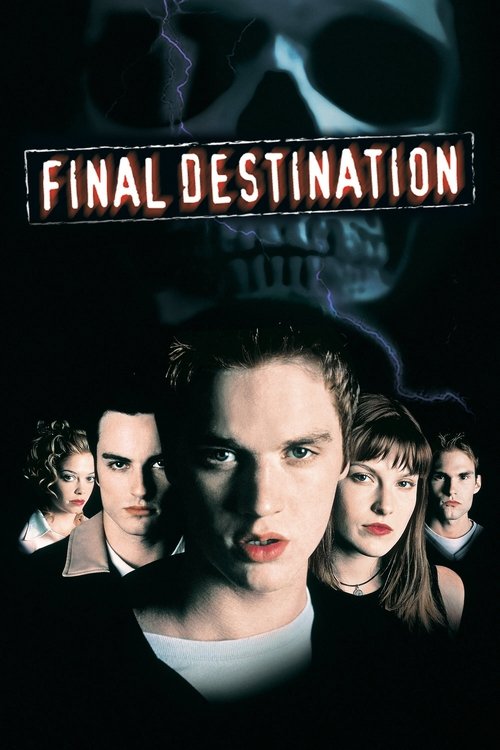
I distinctly remember the first time I watched Final Destination. I was sitting on a beanbag chair that smelled vaguely of damp basement, eating a bowl of cereal that had gone dangerously soggy, and suddenly, I was afraid of my own bathroom. That’s the specific brand of magic this movie conjured in the year 2000. It didn't just give us a new monster; it turned our kitchen appliances, leaky pipes, and commute routes into potential executioners.

Before this, horror was largely about guys in masks chasing teenagers through the woods. But James Wong and Glen Morgan—fresh off their legendary run on The X-Files—decided that the scariest thing isn't a man with a knife; it’s the inevitable, invisible tally-man who comes to collect when your time is up.
The Invisible Slasher
The premise is brilliantly simple, the kind of "Why didn't I think of that?" idea that launches a twenty-year franchise. Alex Browning, played with a perfect mix of twitchy paranoia and "I’m-not-crazy" desperation by Devon Sawa, has a premonition. He sees his high school class trip to Paris end in a mid-air fireball. He freaks out, gets kicked off the plane, and takes a handful of classmates with him. When the plane actually explodes minutes later, the survivors realize they haven't been saved—they’ve just been put on a "to-do" list.
What I love about this movie, looking back from the era of CGI-heavy spectacles, is how it treats Death as a character with a personality. Death here is a petty, meticulous architect of misfortune. It doesn't just kill you; it sets up a Rube Goldberg machine of domestic hazards. A dripping mug of tea, a slippery bathroom floor, and a stray wire become the tools of the trade. It’s essentially "Home Alone" if Kevin McCallister were the Grim Reaper and actually wanted to murder the Wet Bandits.
Practical Dread and Digital Dust

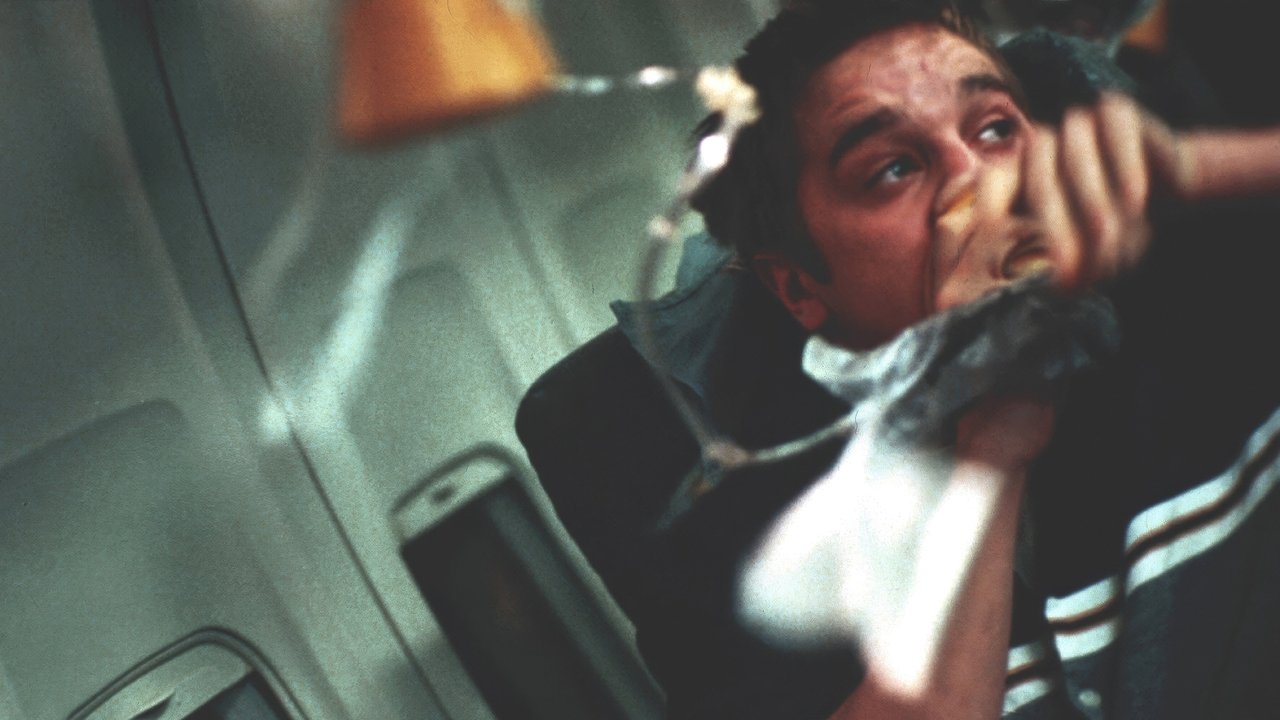
Watching this in a post-9/11 world adds a layer of unintended gravity to the opening Flight 180 disaster. At the time, it was a high-octane thriller sequence; today, it feels uncomfortably visceral. The effects on the plane explosion are a fascinating mix of the era's emerging tech. You have the practical, bone-shaking set design where the cabin literally rips apart, blended with early 2000s CGI that, honestly, looks a bit like a PlayStation 2 cutscene in high definition.
But does the dated CGI ruin it? Not at all. Because the real horror is in the practical effects. The death of Terry Chaney (Amanda Detmer) remains one of the greatest "shock" moments in cinema history—a masterclass in timing that still makes me jump even though I know it’s coming. The makeup and stunt work, particularly during a certain strangulation scene in a bathtub, feel agonizingly real because they relied on physical tension rather than digital pixels.
The cast is a total "Who’s Who" of Y2K teen royalty. You’ve got Ali Larter as the enigmatic Clear Rivers, providing a grounded, soulful counterpoint to Kerr Smith’s aggressive, jock-ish skepticism. And then there’s Tony Todd. His brief appearance as the mortician Bludworth is the secret sauce of the movie. With that deep, gravelly voice, he brings a gothic weight to the film that stops it from feeling like just another teen slasher.
A Legacy of Paranoia
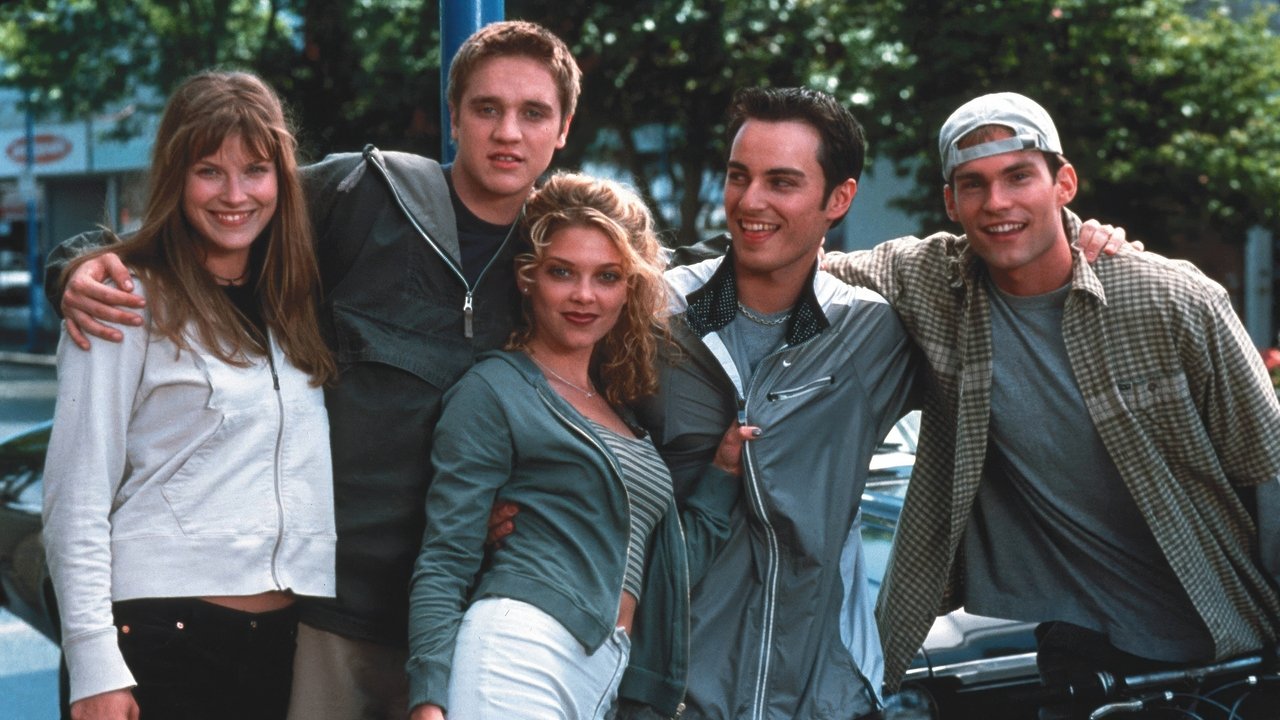
It’s easy to forget how much of a sleeper hit this was. With a modest $23 million budget, it pulled in over $112 million worldwide. It wasn't just a movie; it was a cultural shift. It tapped into a very specific Y2K anxiety—the feeling that despite our technological advancements, we are still fundamentally fragile.
The film originally had a much bleaker, more philosophical ending involving a pregnancy subplot and a different fate for Alex, but test audiences hated it. They wanted a "win," or at least the illusion of one. The ending we got instead is far more "Popcornizer-friendly"—a final, cruel joke that perfectly encapsulates the film's mean-spirited sense of humor.
Looking back, Final Destination holds up remarkably well because it doesn't rely on a specific era's fashion or music (though the clothes are aggressively "Gap, Circa 1999"). It relies on the universal fear of the "freak accident." It turned the mundane world into a minefield. To this day, if I see a log truck on the highway, I change lanes. That’s the kind of staying power most horror directors would kill for.
Final Destination is a lean, mean, and surprisingly clever entry in the Modern Cinema era. It successfully transitioned horror from the slasher-fatigue of the late 90s into a new decade of conceptual dread. While some of the digital effects haven't aged gracefully, the tension, the "design" of the kills, and the sheer audacity of making the antagonist an invisible force of nature keep it at the top of the pile. It’s a fun, frantic ride that reminds us all that while you might be able to beat the odds, the house always wins eventually.
Keep Exploring...
-
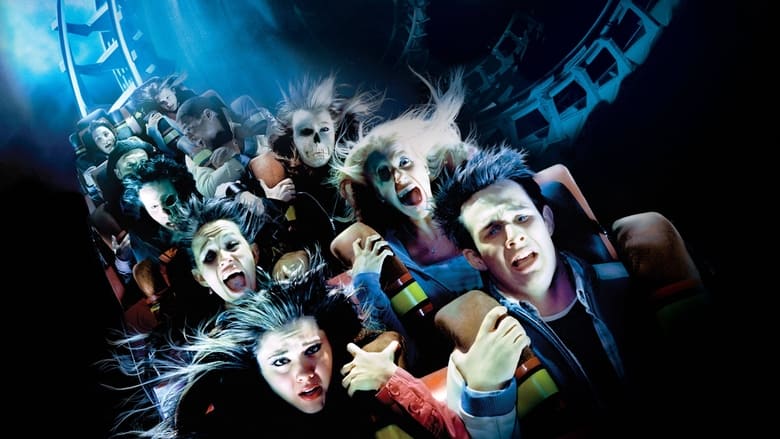
Final Destination 3
2006
-
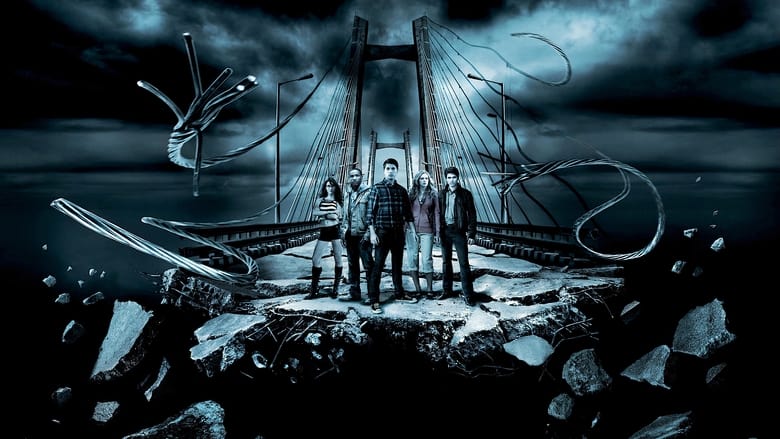
Final Destination 5
2011
-

Final Destination 2
2003
-
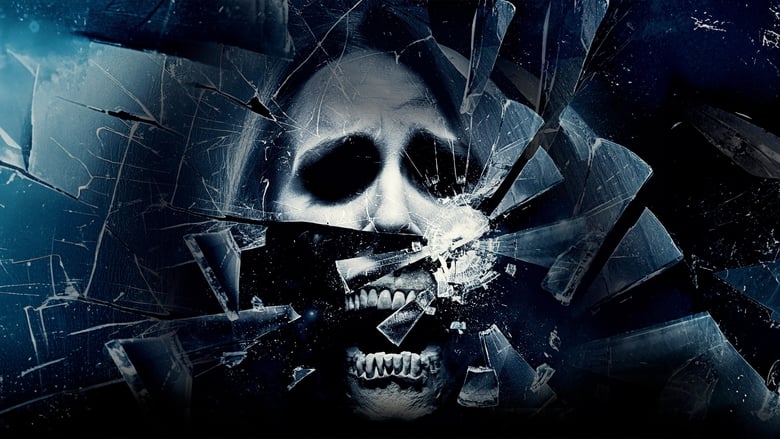
The Final Destination
2009
-

Final Destination Bloodlines
2025
-
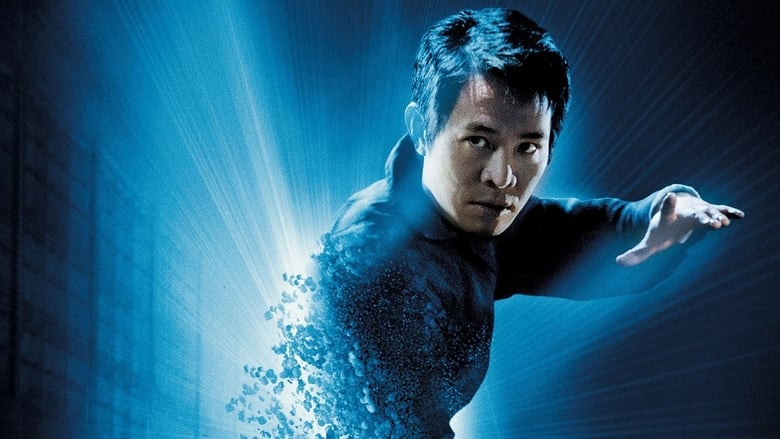
The One
2001
-
Species
1995
-
Scream
1996
-
I Know What You Did Last Summer
1997
-

Scream 2
1997
-
Scream 3
2000
-
The Cell
2000
-
The Others
2001
-

Resident Evil
2002
-
The Ring
2002
-
Freddy vs. Jason
2003
-
Gothika
2003
-
The Texas Chainsaw Massacre
2003
-
Dawn of the Dead
2004
-
The Grudge
2004