Finding Forrester
"Sometimes the best teacher is a ghost."

If you spent any time on the early-2000s internet, you probably know this movie for a reason that has absolutely nothing to do with literature. Before TikTok or even YouTube really took hold, there was a site called YTMND (You’re The Man Now, Dog!), named entirely after a specific, barking line of dialogue delivered by Sean Connery in this film. For years, the gravitas of a literary drama was boiled down to a looping midi-track and a low-res image of Connery’s face.
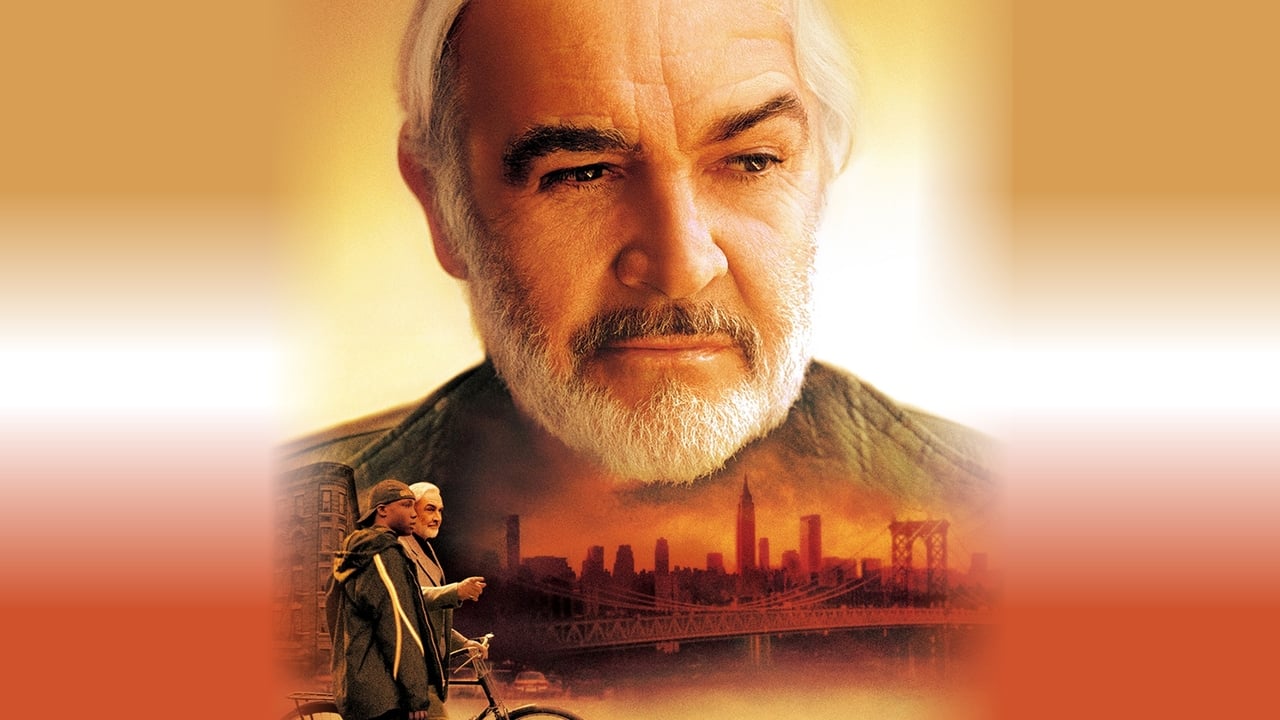
But looking back at Finding Forrester now, away from the digital noise of the turn of the millennium, I’m struck by how much it represents a very specific, comfy era of filmmaking. This was the tail end of the "Prestige Mentor Drama," a genre that flourished after the success of Good Will Hunting (1997). It’s a film that feels like a warm library on a rainy Tuesday—even if it’s occasionally a bit too fond of its own sentimentality.
The Legend and the Newcomer
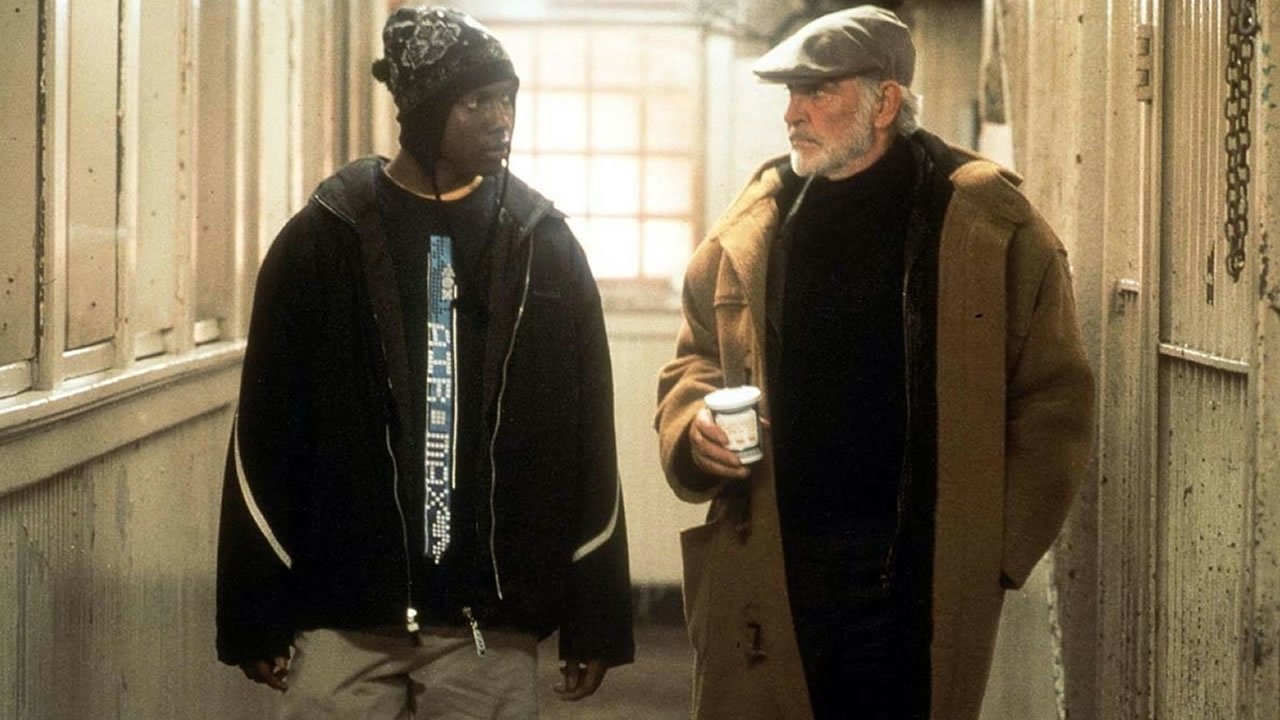
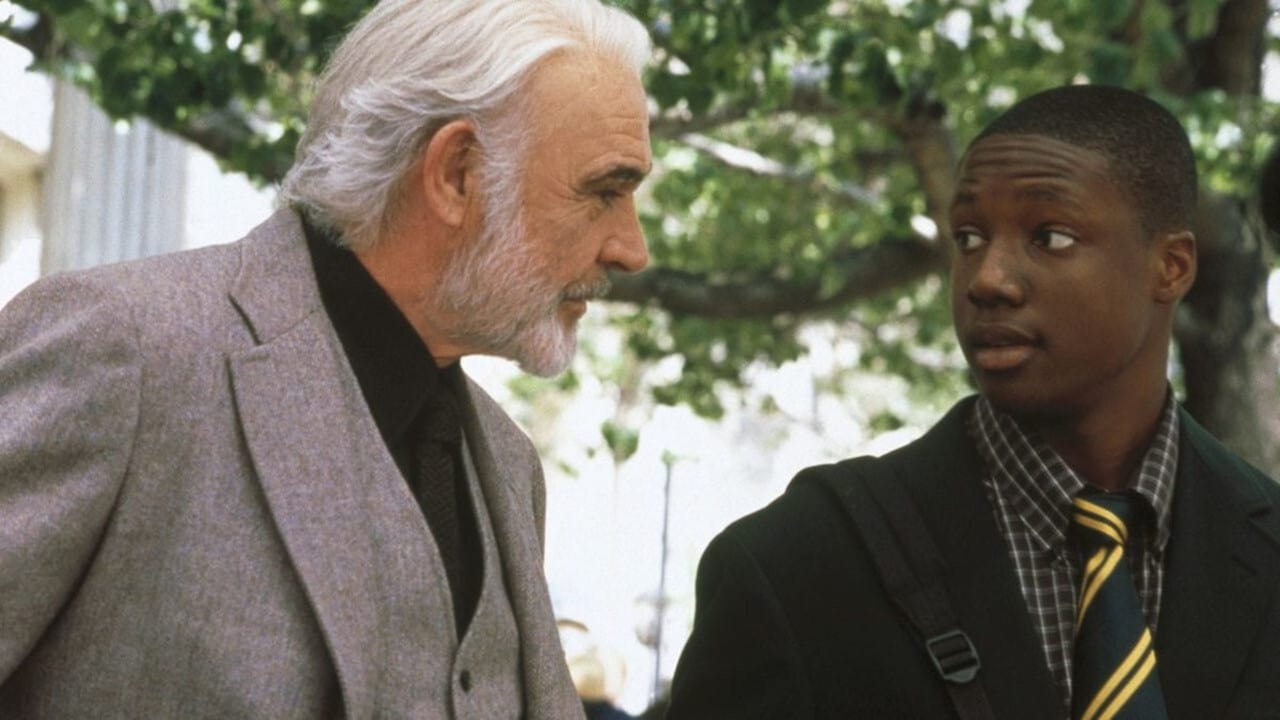
The movie hinges on a relationship that, on paper, sounds like a studio executive’s fever dream: a reclusive, Salinger-esque Scottish novelist hiding in a Bronx apartment and a Black teenage basketball star with a secret passion for prose. When I first watched this on a DVD I’d borrowed from a friend—a disc so scratched I had to rub it with toothpaste to get the final twenty minutes to play—I expected it to be eye-rolling. Instead, I found a genuinely moving dynamic.
Sean Connery, in one of his final roles before he checked out of Hollywood entirely, is magnificent. He isn't playing James Bond here; he’s playing a man who has calcified. He’s grumpy, agoraphobic, and sharp-tongued. Opposite him, Rob Brown delivers one of the most naturalistic debut performances of the decade. Brown wasn't even an actor; he was a 16-year-old who showed up to the audition hoping to make enough money to pay off a $300 cell phone bill. That lack of polished "acting" works in his favor, providing a grounded foil to Connery’s theatrical grumpiness. Their chemistry is the engine that keeps the 136-minute runtime from feeling like a slog.
The Van Sant Aesthetic
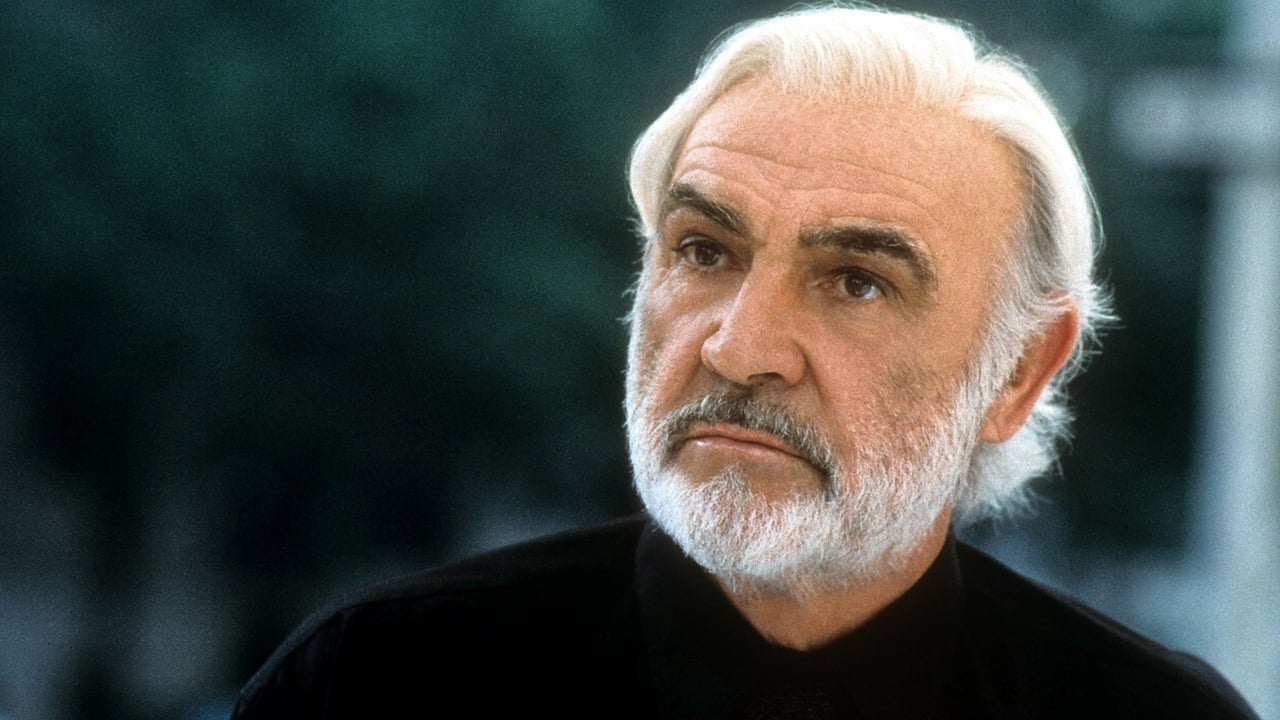
It’s easy to forget that this is a Gus Van Sant film. By 2000, Van Sant was oscillating between experimental indie projects like My Own Private Idaho (1991) and big-budget studio fare. In Finding Forrester, he brings a surprisingly restrained hand. Working with the legendary cinematographer Harris Savides (Zodiac, Elephant), Van Sant makes the Bronx feel lived-in and the halls of the elite Manhattan private school feel appropriately cold and suffocating.
There’s a rhythmic quality to the scenes where they write together. The clacking of the typewriters becomes a percussive soundtrack. Van Sant lets the camera linger on the faces of his actors, giving the drama room to breathe. F. Murray Abraham (Amadeus) shows up as the antagonistic Professor Crawford, and he is delightfully punchable. He plays the "academic villain" with such a sneering, elitist tilt that you can’t wait for him to be humbled by a teenager with a yellow legal pad. Abraham is essentially reprising his Salieri role but replacing Mozart with a kid from the Bronx, and honestly, it’s a blast to watch.
A Product of its Time
In retrospect, the film does dance dangerously close to the "White Savior" trope that was prevalent in 90s and early 2000s cinema. However, I’d argue it subverts this slightly by making Forrester just as dependent on Jamal as Jamal is on him. Forrester isn't just teaching Jamal how to write; Jamal is teaching Forrester how to live again. It’s a reciprocal rescue mission.
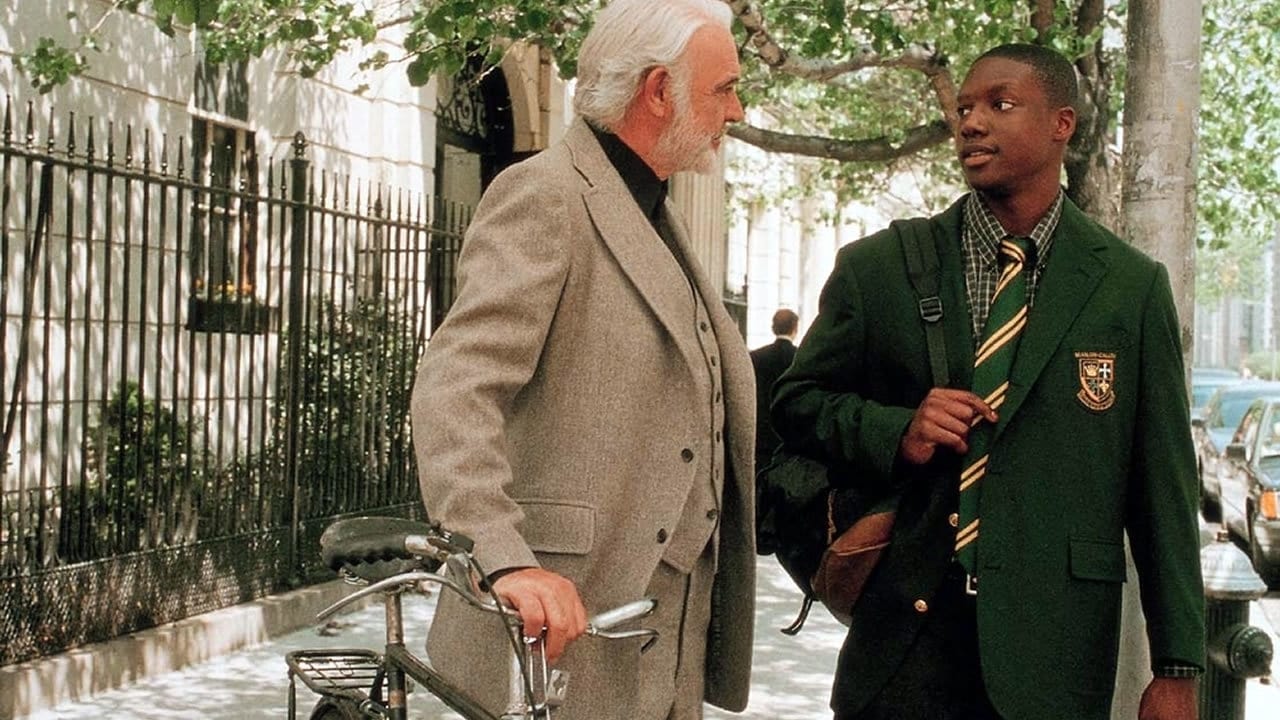
The film also captures that Y2K-era transition in technology. We see the manual typewriters treated like sacred relics while the world of computers looms in the background. It’s a love letter to the physicality of words—the ink, the paper, the weight of a hardcover book. In an age where I’m writing this on a sleek tablet, there’s something deeply nostalgic about seeing Connery meticulously edit a page with a red pen. The climax of the film is essentially an academic version of a sports movie where the "big game" is a public reading, and it shouldn't work, but the swell of the music and the earnestness of the performances sell it completely.
Finding Forrester is a cozy, intellectual "comfort food" movie. It doesn't reinvent the wheel, and it certainly follows the Good Will Hunting blueprint a little too closely at times, but the performances elevate it. It’s a reminder of a time when a major studio would drop forty million dollars on a movie where the most exciting scene is two guys talking about the rhythm of a paragraph. If you can get past the "You're the man now, dog" memes, you'll find a heart-on-its-sleeve drama that actually has something to say about the courage it takes to be seen. It’s the kind of film that makes you want to dust off an old notebook and start writing, even if you have nothing to say.
Keep Exploring...
-
To Die For
1995
-

Milk
2008
-
Amistad
1997
-
Selena
1997
-
Confessions of a Dangerous Mind
2002
-
The Count of Monte Cristo
2002
-
Good Night, and Good Luck.
2005
-
The New World
2005
-
Elizabeth
1998
-
Elephant
2003
-
Mona Lisa Smile
2003
-
Seabiscuit
2003
-
Joyeux Noel
2005
-
Coach Carter
2005
-

The Doors
1991
-
Malcolm X
1992
-
Alive
1993
-
Quiz Show
1994
-
Invincible
2006
-

United 93
2006