For the Birds
"A masterclass in feathered physics and the high-voltage comedy of social exclusion."
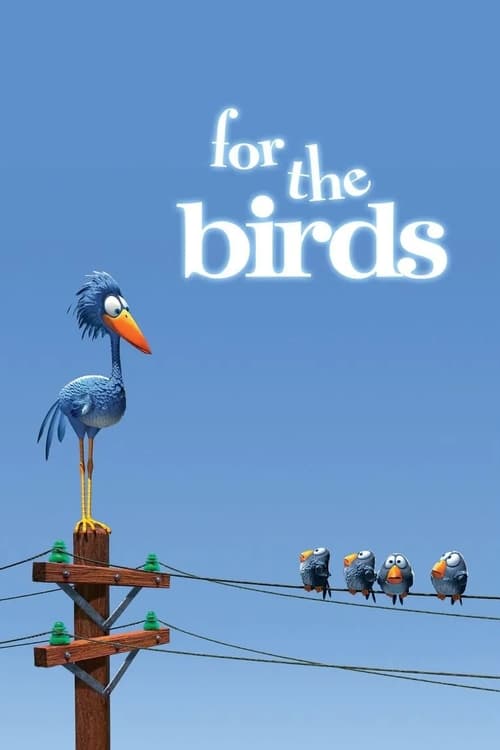
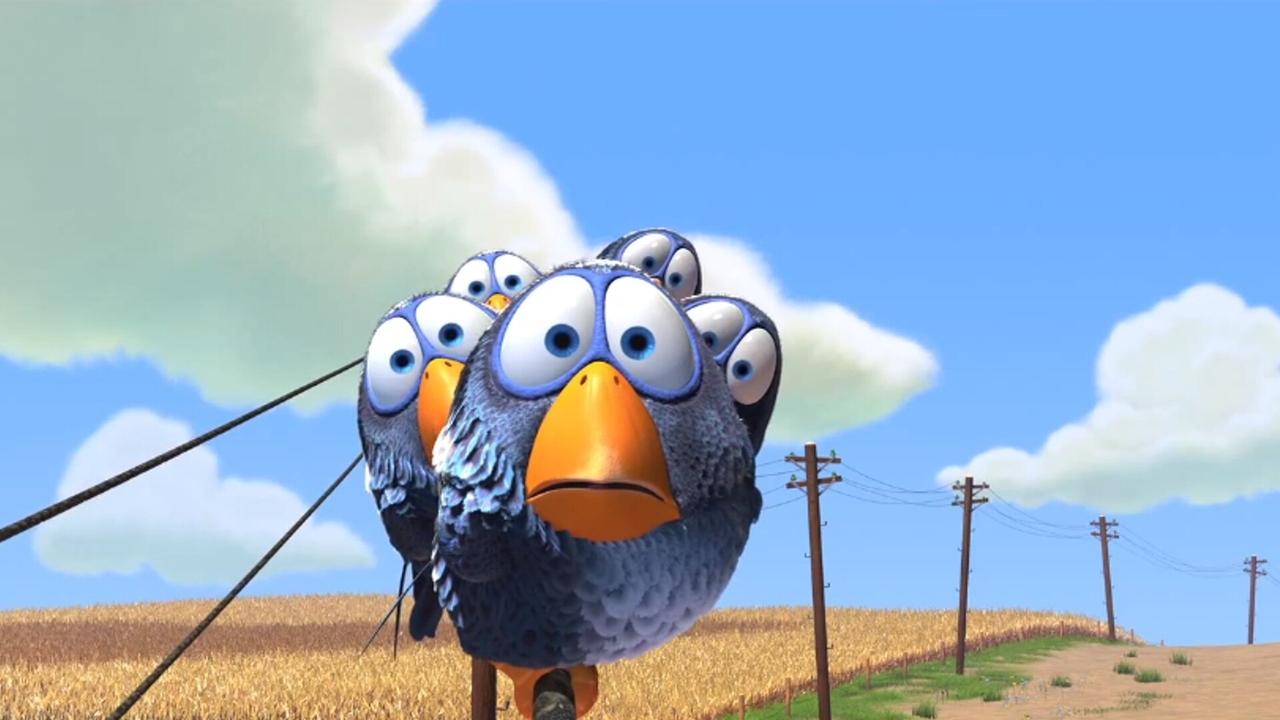
Imagine the sound of a dozen squeaky toys having a very polite, very passive-aggressive argument on a high-voltage wire. It's a sound synonymous with the early 2000s, an era when Pixar wasn't just a studio but a laboratory of digital alchemy. Before the lights dimmed for Monsters, Inc., audiences were treated to four minutes of blue-feathered chaos that proved you don't need a ninety-minute runtime to deliver a perfect comedic arc. Ralph Eggleston's For the Birds is more than a pre-show appetizer; it's a brilliant distillation of slapstick timing and the "mean girl" energy of the avian world.
The Digital Frontier of Fluff
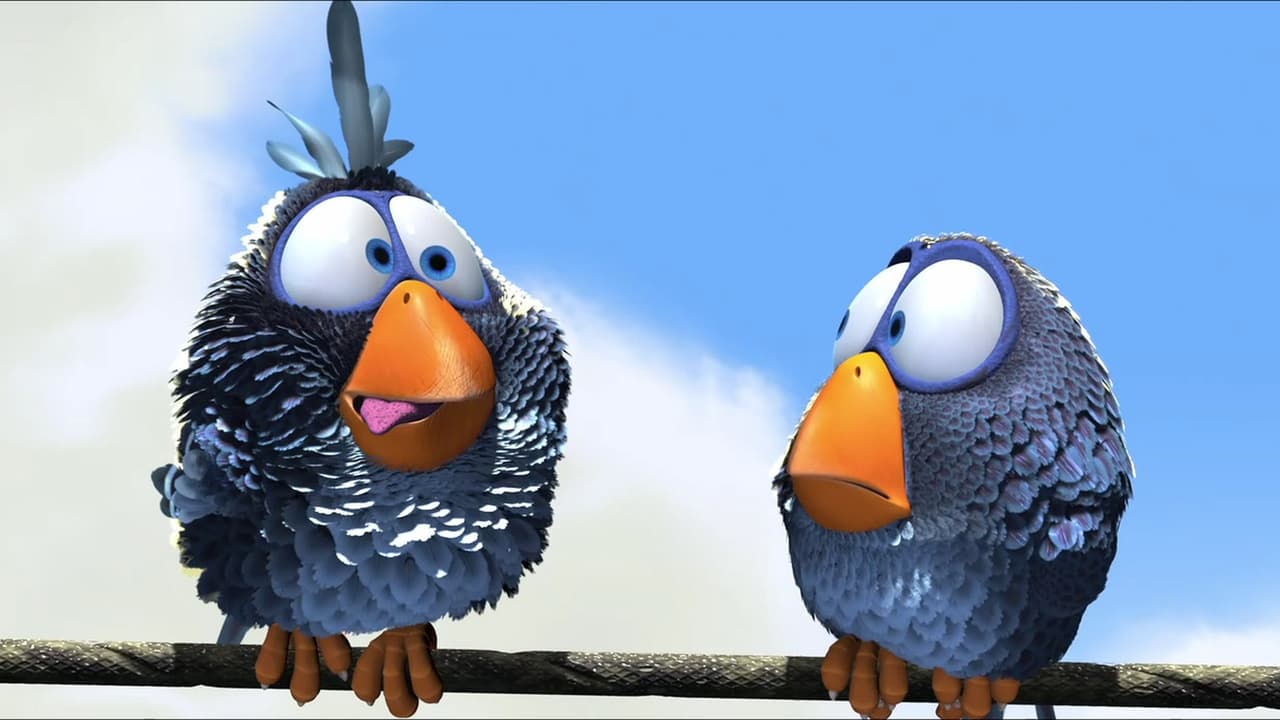
Looking back from our current vantage point of hyper-realistic fur and water simulations, it's easy to forget how terrifying a feather used to be for a computer. In 2000, rendering thousands of individual, interlocking barbs that reacted to wind and movement was the equivalent of digital mountaineering. Ralph Eggleston, acting as writer, director, and even the voice of the birds, used this short as a tactical strike on the "feather problem."
The result is a visual style that feels tactile and bouncy. These aren't just characters; they are stress balls with beaks. The way the small birds compress when they huddle together—the classic "squash and stretch" of traditional animation translated into the 3D realm—gives the film a rhythmic quality that feels like a percussion solo. It's a bridge between the hand-drawn logic of Looney Tunes and the emerging power of the CGI revolution.
The Anatomy of a Honk
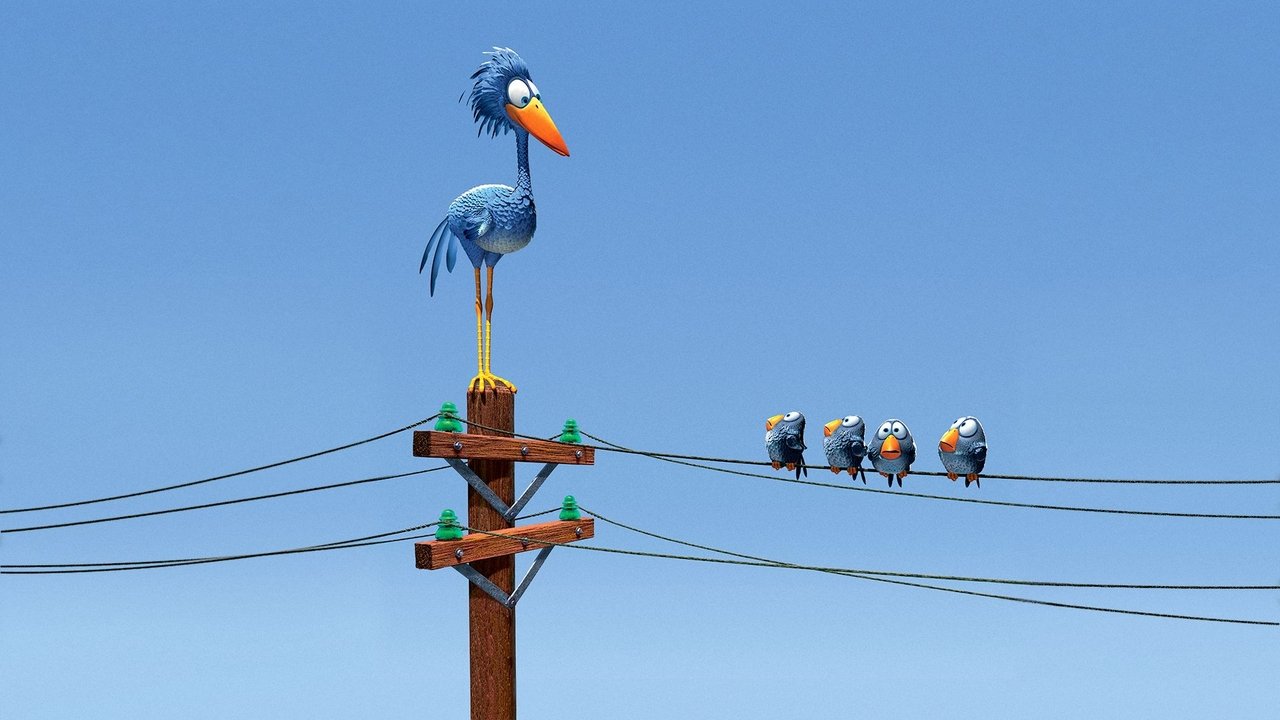
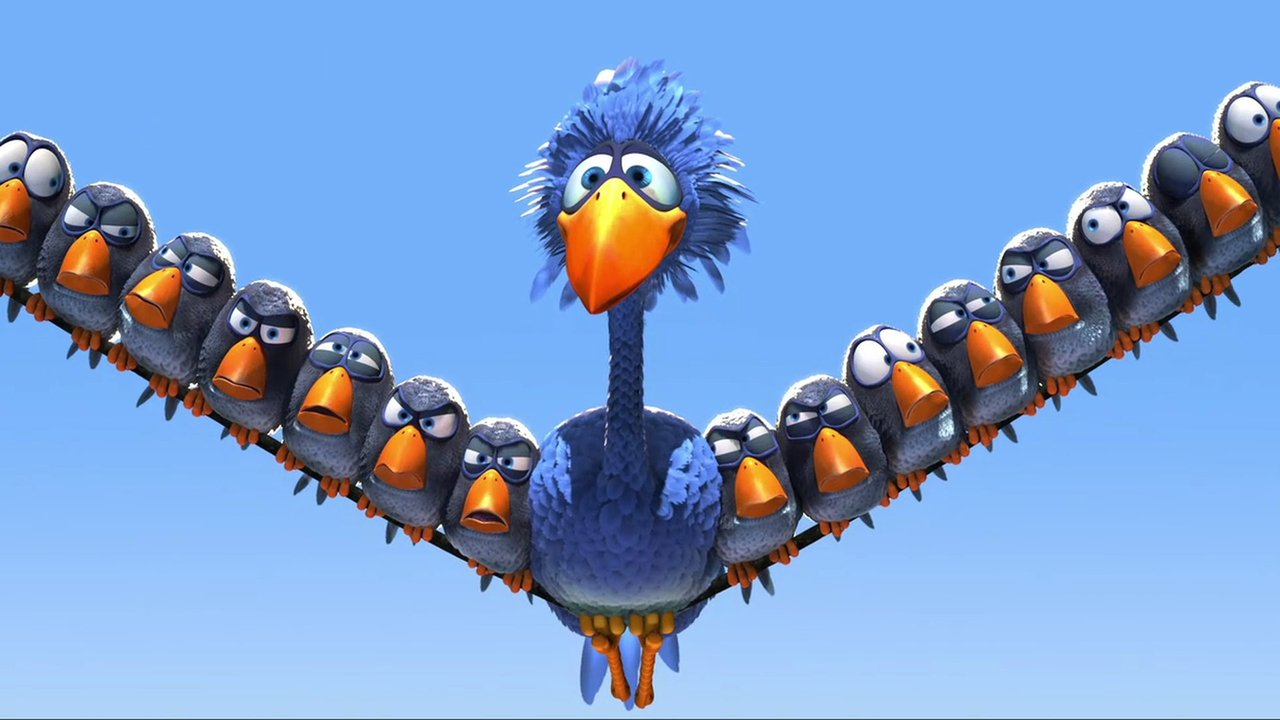
Comedy is often about the contrast between the "normal" and the "intruder," and For the Birds executes this with surgical precision. We have a flock of identical, neurotic little birds whose only personality trait is their collective desire to be miserable together. Then comes the Big Bird—a gangly, awkward, and relentlessly cheerful outsider.
The humor thrives on the sound design. The "chirp-chirp-chirp" of the clique is high-pitched and frantic, while the Big Bird responds with a deep, honking "A-ha!" that shatters their tiny egos. It's a classic comedic setup: the more the small birds try to maintain their dignity, the more gravity (both literal and metaphorical) works against them. The moment the flock realizes they've pecked their way into a physics nightmare—as the wire sags toward the ground under the weight of the large bird—is a masterclass in facial animation. The transition from smug bullying to wide-eyed terror is why we watch these films.
The DVD Era's Hidden Gem
For many of us, this short wasn't just a theatrical memory; it was a cornerstone of the DVD culture. Remember the "Bonus Features" menu? In the early 2000s, discovering a short like this tucked away on a disc felt like finding a secret level in a video game. It was a time when Pixar was building its brand not just through hits like Toy Story 2, but through these "oddities" that showed off the crew's sense of humor.
Ralph Eggleston (who also won an Oscar for this, let's not forget) understood that the best jokes are universal. There is no dialogue, only attitude. This allowed the short to travel across cultures effortlessly, becoming a global shorthand for "don't be a jerk to the new guy." It's a film that has aged remarkably well because it doesn't rely on pop-culture references or Y2K-era slang. It relies on a heavy bird and a thin wire.
Behind the Beaks
Trivia hunters will appreciate that the birds actually have names, though they aren't mentioned on screen. The four main "bullies" are Chipper, Bully, Snob, and Neurotic. If you watch closely, you can actually see their distinct personalities in how they react to the Big Bird's arrival. Bully is the one who initiates the pecking, while the others follow suit with that terrifying, mindless group-think that makes the ending's "naked" payoff so satisfying.
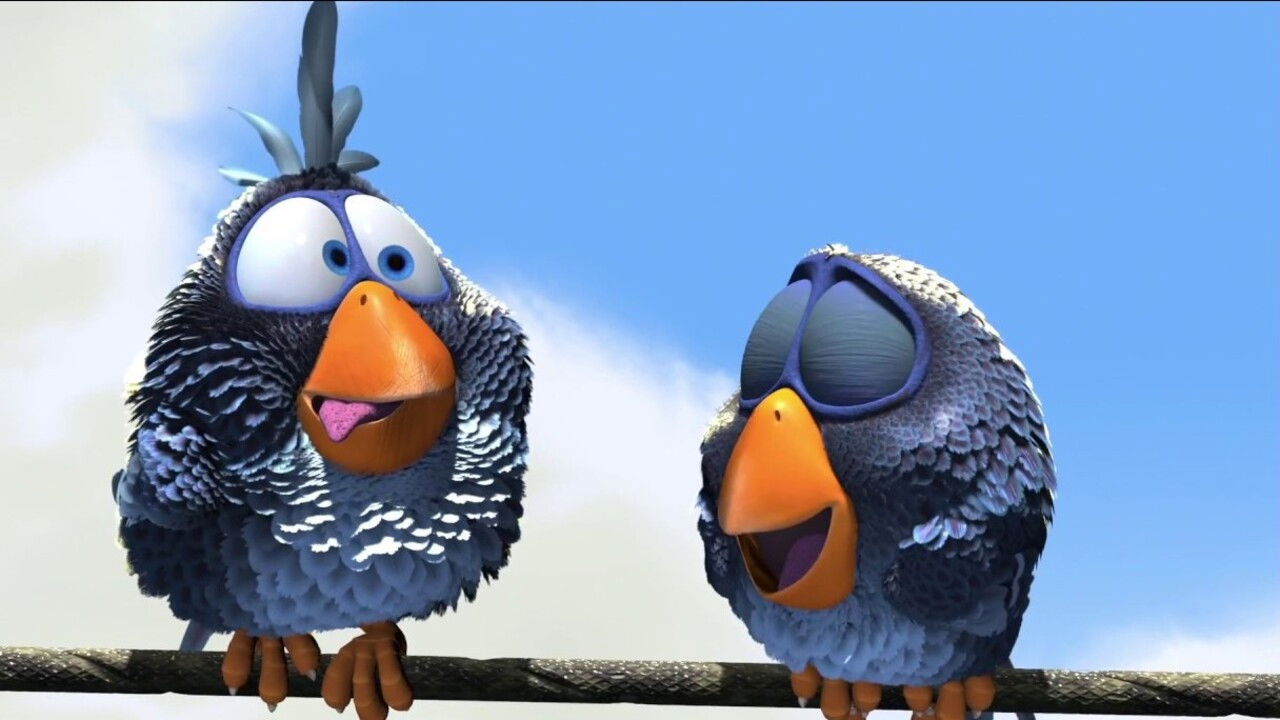
Interestingly, the technology developed here to handle the birds' feathers was a direct precursor to the tech used for Sulley's fur in Monsters, Inc. Pixar has always been a company that plays with its food before serving the main course, and For the Birds is arguably the most delicious "play" they ever put to film. It captures that specific moment in the Modern Cinema era where the tools finally caught up to the imagination, allowing for a level of physical comedy that was previously impossible.
The Naked Truth
The "naked" reveal at the end remains one of the great punchlines in animation history. It's a bit of cringe comedy that feels earned. The bullies win the battle (getting the big bird off their wire) but lose the war (and their feathers) in a spectacular display of unintended consequences. It's a story about the fragility of status, told through the medium of gravity and pride.
The rating reflects a rare feat: a four-minute film that manages to be a technical breakthrough, a moral fable, and a genuine belly-laugh generator all at once. It remains the gold standard for what a short film should be—quick, punchy, and utterly unforgettable. In the end, it's a terrifyingly accurate reminder that when you spend all your time pecking at others, you're usually the one left standing in the cold without your pants.
Keep Exploring...
-
A Goofy Movie
1995
-
Geri's Game
1997
-
Lilo & Stitch 2: Stitch Has a Glitch
2005
-
A Close Shave
1996
-
The Triplets of Belleville
2003
-
Barbie as The Princess & the Pauper
2004
-
Mickey, Donald, Goofy: The Three Musketeers
2004
-
DuckTales: The Movie - Treasure of the Lost Lamp
1990
-
Presto
2008
-
Partly Cloudy
2009
-
Day & Night
2010
-
Winnie the Pooh
2011
-

Tangled Ever After
2012
-
Toy Story of Terror!
2013
-
Feast
2014
-
The Boxtrolls
2014
-
Toy Story That Time Forgot
2014
-
Toy Story
1995
-
Hercules
1997
-

A Bug's Life
1998