Frequency
"The crackle of static, the weight of ghosts."

I remember watching Frequency for the first time on a humid Tuesday evening while nursing a bowl of slightly over-salted popcorn that had too many unpopped kernels at the bottom. I spent half the runtime picking husks out of my teeth, but by the third act, I’d completely forgotten about the snack. There is a specific kind of magic in a movie that can make you ignore physical discomfort because the emotional stakes feel so desperately, suffocatingly high.
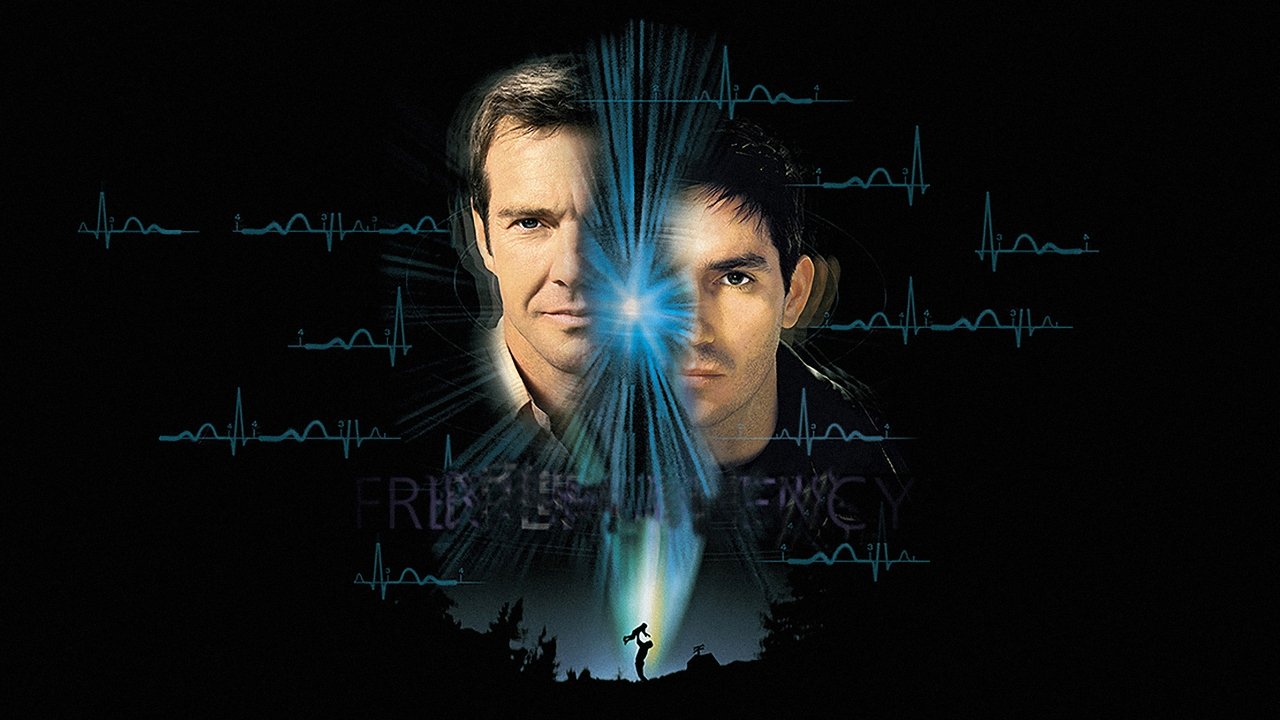
Released at the dawn of the millennium, Gregory Hoblit’s film is a strange, beautiful hybrid. It arrived during that Y2K transition where Hollywood was moving away from the gritty, rain-slicked procedurals of the 90s and toward the high-concept, "what if?" blockbusters of the early 2000s. It’s a movie that balances a heartbreaking father-son drama with a serial killer thriller, all wrapped in a localized sci-fi ribbon of solar flares and ham radios.
A Bridge Built of Static
The "what if" here is simple: What if you could talk to the person you miss most? Jim Caviezel plays John Sullivan, a lonely NYPD detective living in the shadow of his father, Frank (Dennis Quaid), a heroic firefighter who died in 1969. During a rare aurora borealis event in 1999, John fires up his dad’s old Heathkit ham radio and finds a voice on the other end. It’s Frank, thirty years in the past, sitting in the same house, unaware that he’s only hours away from a fatal mistake in a warehouse fire.
The early scenes between Jim Caviezel and Dennis Quaid are the soul of the film. They never share the frame for most of the movie—a technical necessity that reportedly extended to the set, where the actors filmed their radio conversations from separate rooms to maintain that sense of ethereal distance. You can feel that isolation. Jim Caviezel brings a shattered, hollow-eyed intensity to John; he’s a man who has been grieving for three decades and suddenly finds a leak in the universe. When he convinces his father he’s the real deal by predicting the 1969 World Series, the joy is fleeting because the consequences are immediate.
The Butterfly’s Jagged Edge
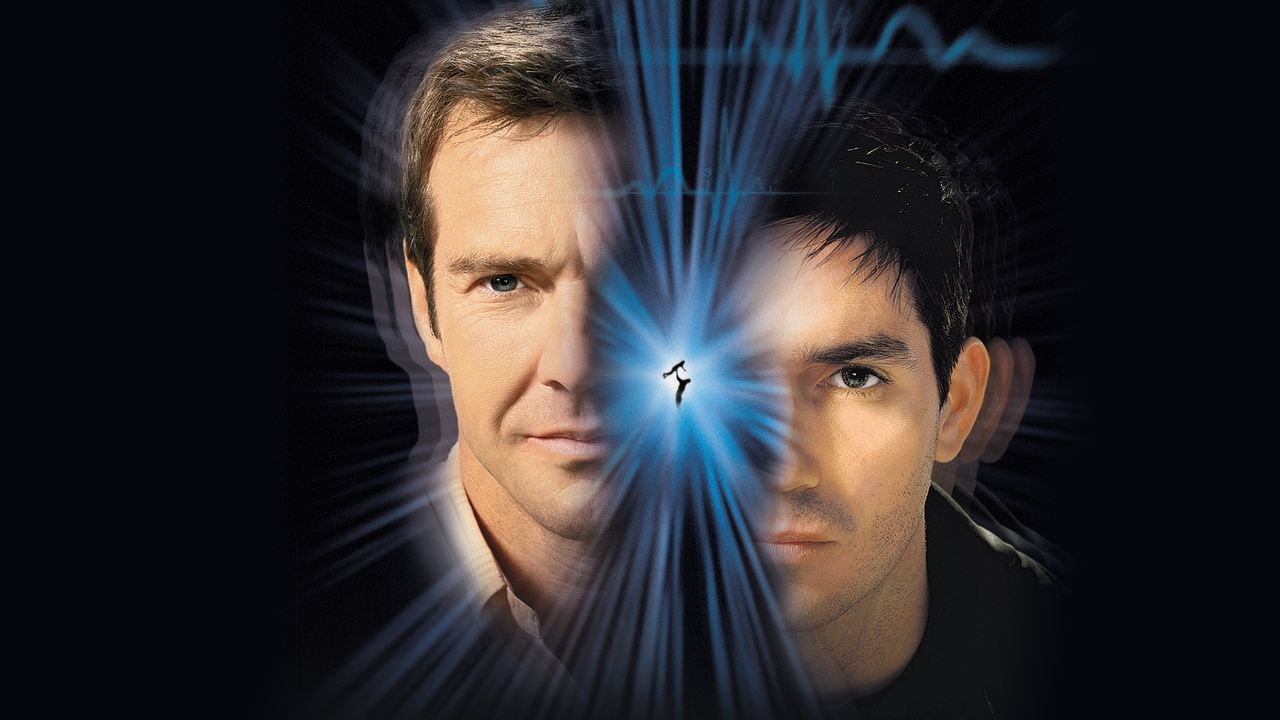
This is where Frequency earns its "Dark/Intense" stripes. Many time-travel movies treat the "Butterfly Effect" as a whimsical puzzle, but here, it’s a nightmare. By saving Frank’s life, John inadvertently shifts the timeline, leading to the survival of a serial killer known as the "Nightingale." Suddenly, John’s mother, Julia (Elizabeth Mitchell), who originally lived a long life, becomes the killer’s next victim in the past.
The shift in tone is jarring but effective. We go from a tear-jerking reunion to a desperate race against a murderer who is now thirty years more experienced than the police chasing him. Shawn Doyle plays the antagonist with a chilling, mundane cruelty. He isn't a flamboyant movie monster; he’s a man who hides in plain sight, making the threat feel localized and terrifyingly personal.
The film doesn't shy away from the brutality of these stakes. The way history "rewrites" itself in real-time—scars appearing on arms, photographs fading and changing—is handled with a heavy hand that emphasizes the trauma of the characters. My favorite detail, though, involves Andre Braugher as Satch DeLeon. He plays the bridge between both eras, a friend to both men, and he brings a grounded, weary dignity to the role that anchors the more fantastical elements. I still miss Andre Braugher’s ability to command a room with nothing but a furrowed brow and a quiet line of dialogue.
Practical Magic and Period Texture
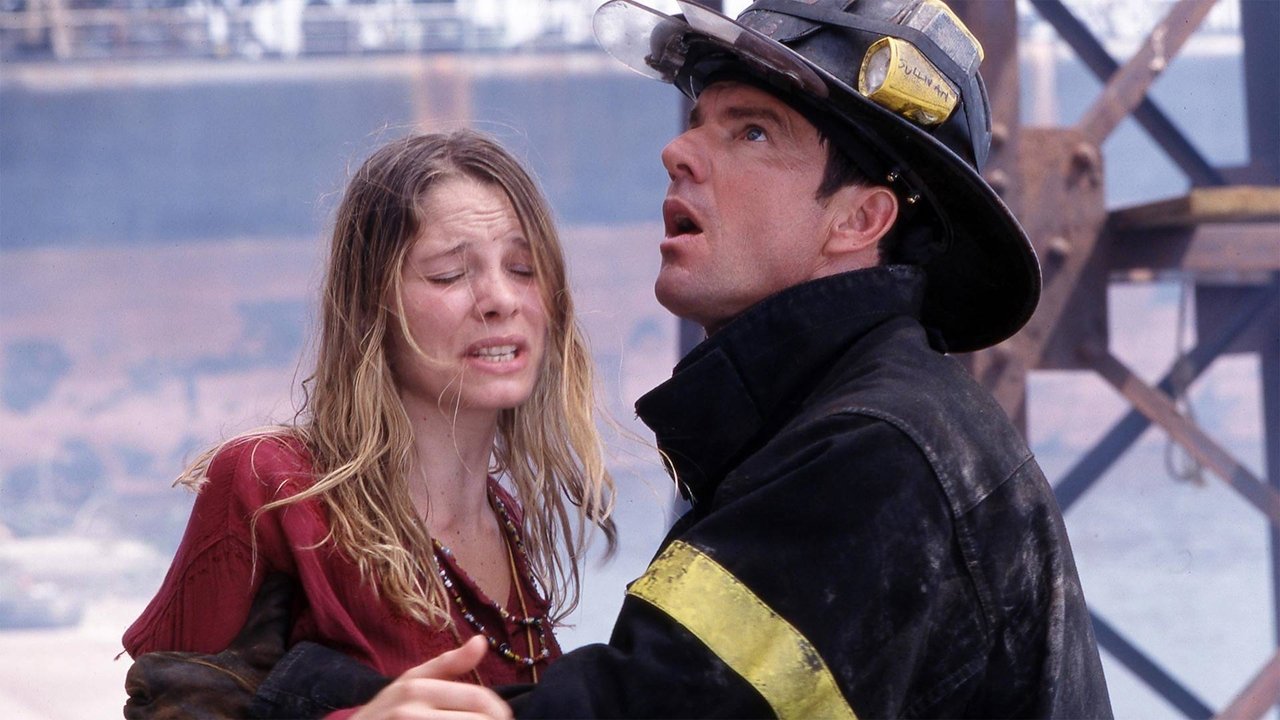
Looking back, Frequency is a masterclass in using limited CGI to enhance a story rather than overwhelm it. The 1969 sequences have a warm, amber-hued texture that feels lived-in, while the 1999 world is blue, cold, and sterile. The transition between the two isn't just a gimmick; it’s a visual representation of John’s internal state.
The screenplay by Toby Emmerich (who, in a fun bit of casting, put his brother Noah Emmerich in the film as John’s best friend, Gordo) is remarkably tight for a story involving temporal paradoxes. While the internal logic of the final showdown is a total mess that ignores every rule the movie previously established, the emotional payoff is so massive that I’ve never found it in me to care. It’s a film that prioritizes the heart over the physics, which is exactly where it should be.
It’s also worth noting that Dennis Quaid’s mustache in the 1969 sequences has more charisma than most modern leading men. He plays Frank with an old-school, blue-collar heroism that feels extinct in today’s cinema. He’s not a superhero; he’s just a guy who wants to get home to his wife and kid, which makes his struggle against the "inevitable" tragedy of the timeline all the more moving.
Frequency is one of those rare films that shouldn’t work as well as it does. It’s a tear-jerker, a sci-fi mind-bender, and a grim crime thriller all at once. In the twenty-plus years since its release, it has slipped into that "forgotten gem" category—the kind of movie you find on a streaming service on a rainy Sunday and realize you’ve just watched something special. It captures a specific pre-9/11 earnestness, a belief that even if the past is written in stone, the love between a father and son might just be strong enough to crack the foundation. If you haven't seen it, find a copy, ignore the logical hiccups of the ending, and just let the static take you back.


Keep Exploring...
-
Primal Fear
1996
-
Strange Days
1995
-
Fallen
1998
-
The Rainmaker
1997
-
A Simple Plan
1998
-
Arlington Road
1999
-
The Thirteenth Floor
1999
-
Batman Beyond: Return of the Joker
2000
-
Infernal Affairs
2002
-
Matchstick Men
2003
-
The Protector
2005
-

Miller's Crossing
1990
-
Wild at Heart
1990
-

Star Trek VI: The Undiscovered Country
1991
-
Bound by Honor
1993
-
Undisputed II: Last Man Standing
2006
-
United 93
2006
-
Before the Devil Knows You're Dead
2007
-
Fracture
2007
-
Cop Land
1997