Gladiator
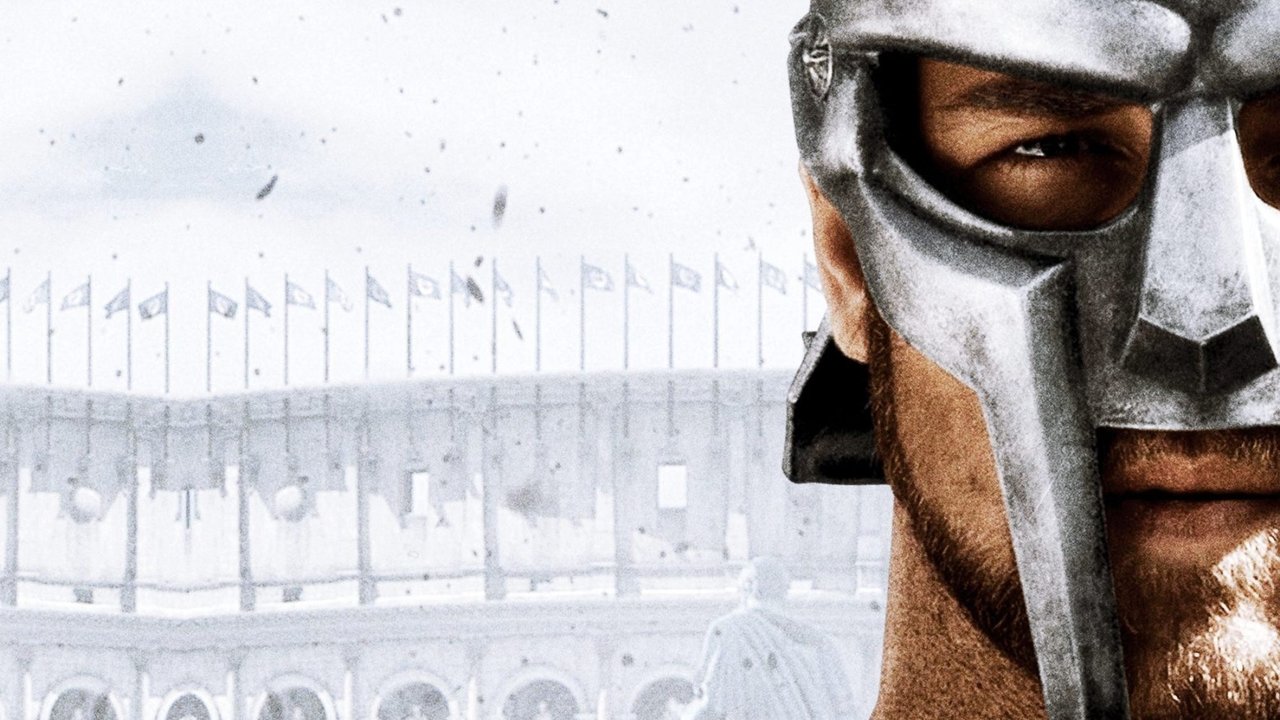
"A blood-soaked roar for justice that dragged the Roman epic into the digital age."
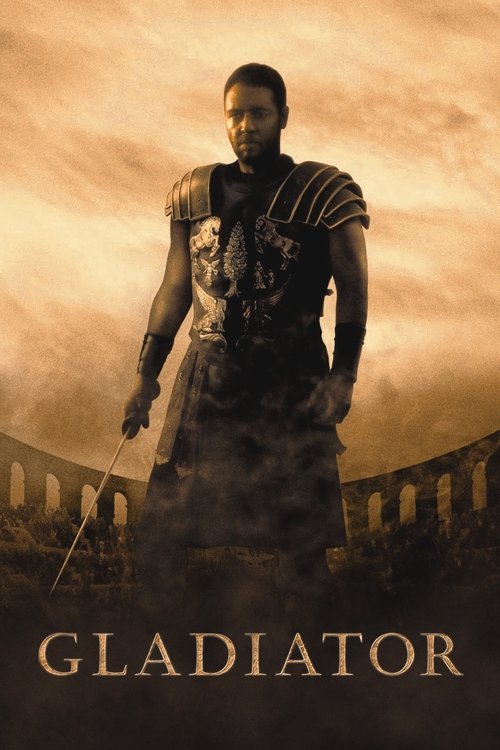
I distinctly remember watching Gladiator for the first time on a flight where the person next to me was nursing a lukewarm cup of peppermint tea that had a single, floating cat hair in it. Despite that mildly distracting visual, I was utterly pinned to my seat. In the year 2000, we weren't exactly hurting for blockbusters, but we were starving for a movie that felt "heavy." This wasn't the neon-soaked wire-work of The Matrix or the polished sheen of the early Star Wars prequels. This was a movie that smelled like wet iron and old dirt.
The Muddy Birth of a Digital Empire
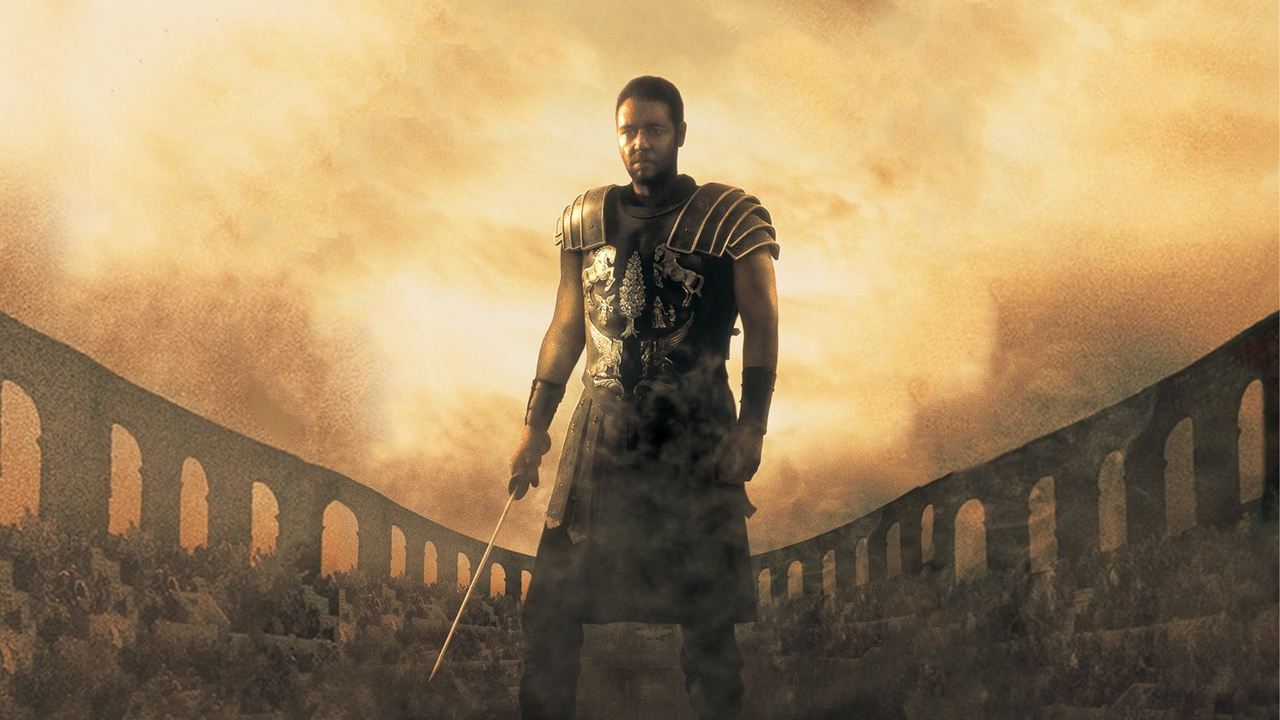
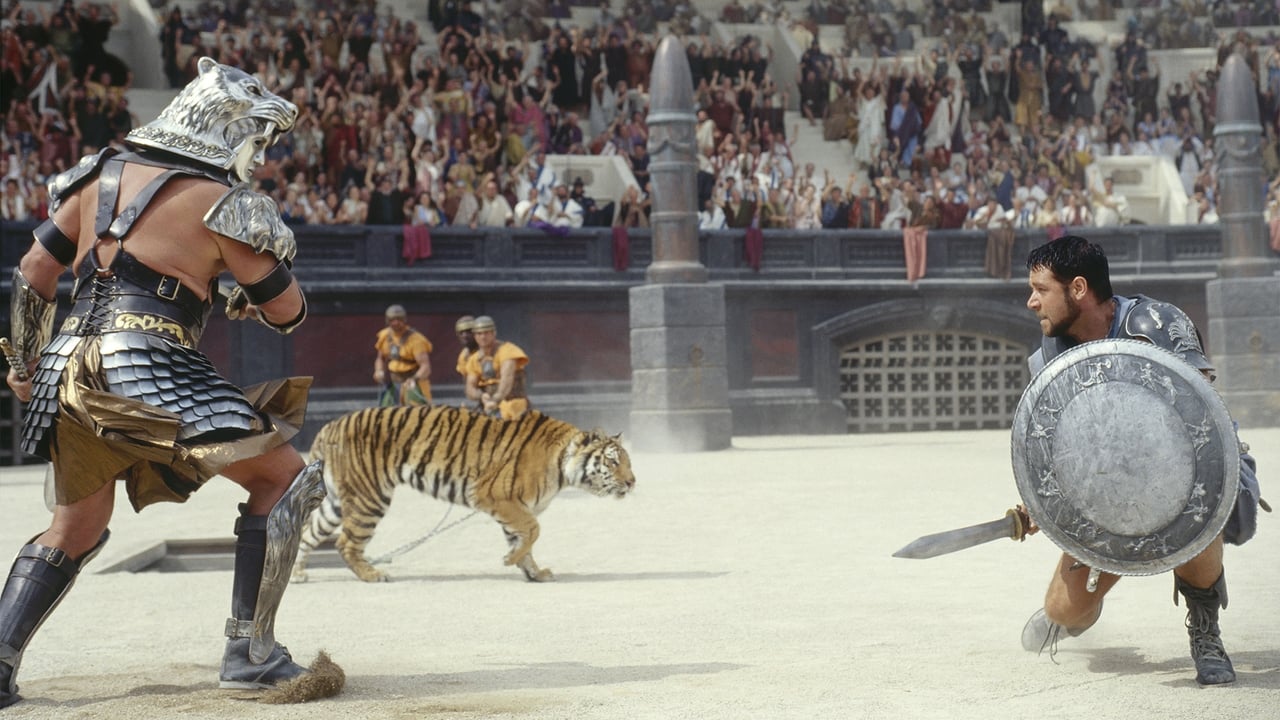
Director Ridley Scott (the man who gave us Alien and Blade Runner) took a genre that had been dead and buried since the 1960s—the "sword and sandal" epic—and gave it a gritty, modern heartbeat. Looking back, Gladiator arrived at a fascinating crossroads in cinema history. It was one of the first films to truly show us what CGI could do when paired with a director who actually understood lighting and texture. The reconstruction of the Colosseum wasn't just a technical flex; it felt like a time machine.
The production team actually built a segment of the arena that was about 52 feet high in Malta, but the rest was the wizardry of the Mill, a visual effects house that had to finish the film under incredibly tragic circumstances. When Oliver Reed (who plays the cagey mentor Proximo) passed away during filming, the team used early digital face-mapping and body doubles to complete his arc. Today, we’re used to seeing de-aged actors or digital resurrections, but in 2000, this was high-wire act filmmaking. It’s a testament to the craft that Oliver Reed’s final performance remains one of the most soulful parts of the movie.
A Villain You Love to Loathe
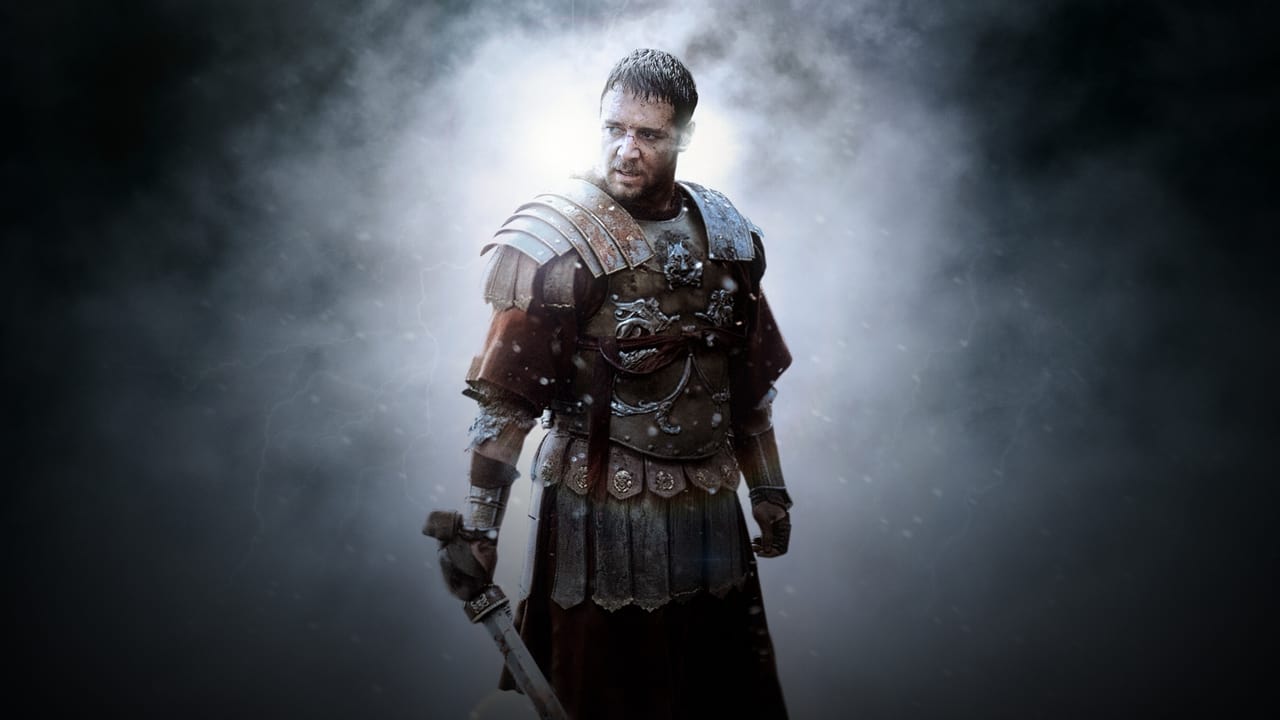
At the center of the storm is Russell Crowe as Maximus. I’ve always found Crowe to be at his best when he’s playing a man of few words, and here he’s a mountain of stoic grief. He carries the weight of the Roman Empire in his shoulders, making the action feel earned rather than empty. But let’s be honest: the movie belongs to Joaquin Phoenix as Commodus. Phoenix is essentially a whiny theater kid with a god complex, and I mean that as the highest possible compliment.
He plays Commodus with this sweaty, desperate need for approval that makes him infinitely more terrifying than a standard "evil emperor." He’s the original "incel" villain, long before that term became part of our daily vocabulary. Every time he’s on screen, the air feels thinner. He didn’t win the Oscar that year (though Crowe did), but his "thumb-down" gesture is the image that’s burned into my brain. The supporting cast is equally stacked, with Connie Nielsen providing a necessary groundedness as Lucilla and Richard Harris (the original Dumbledore) giving Marcus Aurelius a tragic, fading dignity.
The Echoes of the DVD Era
For those of us who grew up in the peak of the DVD era, Gladiator was a foundational text. This was back when a "Special Edition" actually meant something. I spent hours poring over the behind-the-scenes documentaries on that two-disc set, learning about how they managed to choreograph the tiger fight (yes, those were real tigers, kept just feet away from Russell Crowe by handlers with tranquilizer guns).
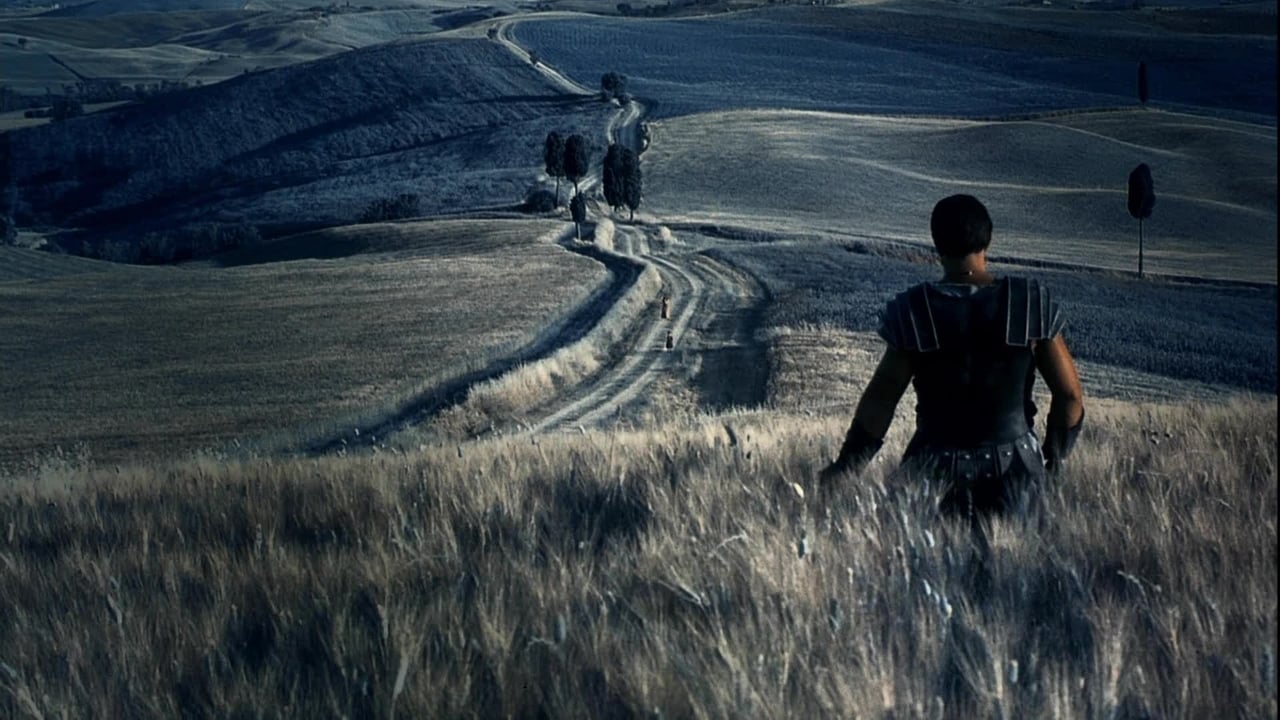
The action itself is a masterstroke of pacing. Ridley Scott uses a "shutter-speed" technique in the opening battle in Germania—that jittery, strobe-like effect—that makes the chaos feel immediate and terrifying. It’s not "clean" action. It’s messy, loud, and punctuated by Hans Zimmer’s legendary score, which somehow manages to be both a thumping war cry and a mournful dirge. I’ll go to my grave defending the idea that the wheat-field hand-dragging is the most overused visual trope in cinema history thanks to this movie, but the first time you saw it, it was pure poetry.
Stuff You Might Have Missed
The film was a massive gamble for Universal and DreamWorks. A $103 million budget for a historical epic was unheard of at the time. Apparently, the script wasn't even finished when they started filming; Russell Crowe reportedly struggled with some of the dialogue, famously telling writer William Nicholson, "Your lines are garbage, but I'm the greatest actor in the world and I can make even garbage sound good."
It paid off. Gladiator didn't just win Best Picture; it proved that audiences were hungry for "prestige" blockbusters—films that had the scale of a summer hit but the soul of a tragedy. It paved the way for The Lord of the Rings and the resurgence of historical dramas, though few have ever matched its specific blend of populist thrills and operatic mourning.
Twenty-odd years later, Gladiator hasn't lost its punch. While some of the CGI compositing in the wide shots of Rome might look a little "soft" by 2024 standards, the emotional core is ironclad. It’s a film about a man who just wants to go home to his family, forced to burn the world down to get there. Whether you’re watching it for the tactical brilliance of the opening forest battle or Joaquin Phoenix's legendary scenery-chewing, it’s a reminder of what Hollywood can do when it actually tries to reach for the rafters. I’m still entertained.
Keep Exploring...
-

Gladiator II
2024
-
Kingdom of Heaven
2005
-
The Count of Monte Cristo
2002
-
Thelma & Louise
1991
-

Braveheart
1995
-
Heat
1995
-
Black Hawk Down
2001
-
The Last Samurai
2003
-
Robin Hood
2010
-

Crouching Tiger, Hidden Dragon
2000
-
A Beautiful Mind
2001
-

Hero
2002
-
Zatoichi
2003
-
House of Flying Daggers
2004
-
Exodus: Gods and Kings
2014
-
1492: Conquest of Paradise
1992
-

American Gangster
2007
-
The Dark Knight
2008
-

Interstellar
2014
-
First Knight
1995