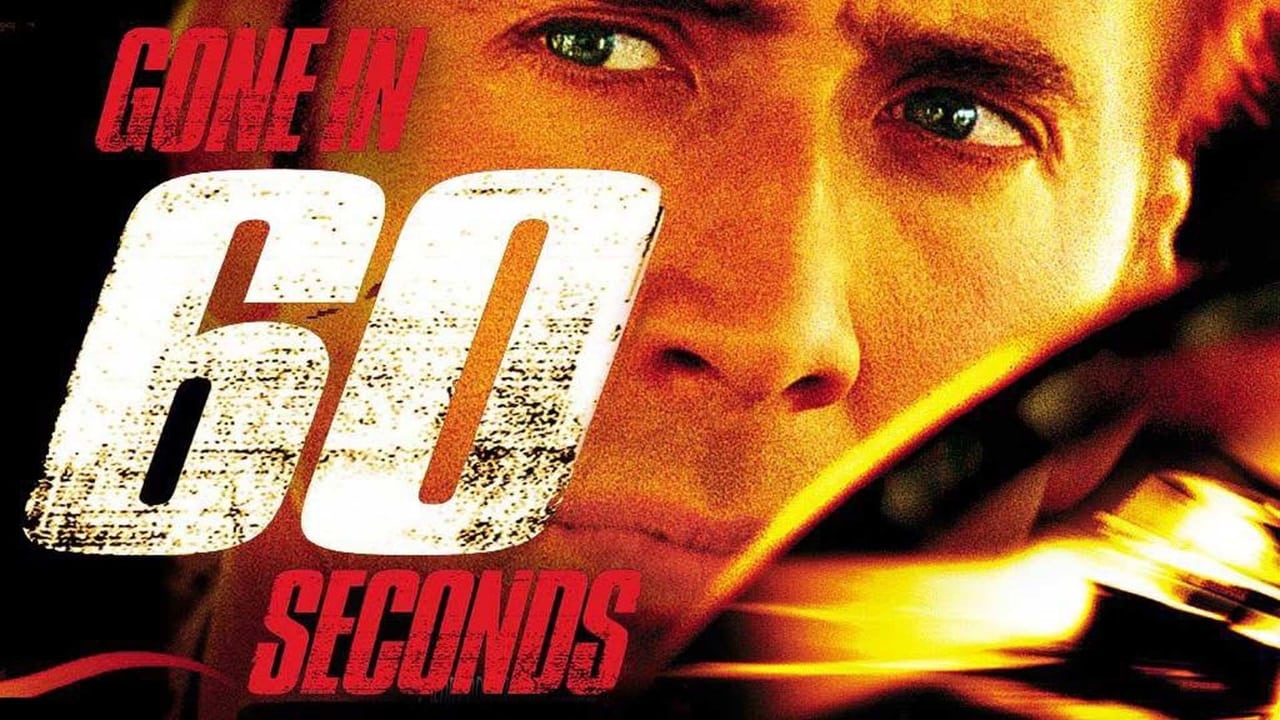
Gone in Sixty Seconds
"Fifty cars, one night, and a very angry Mustang."
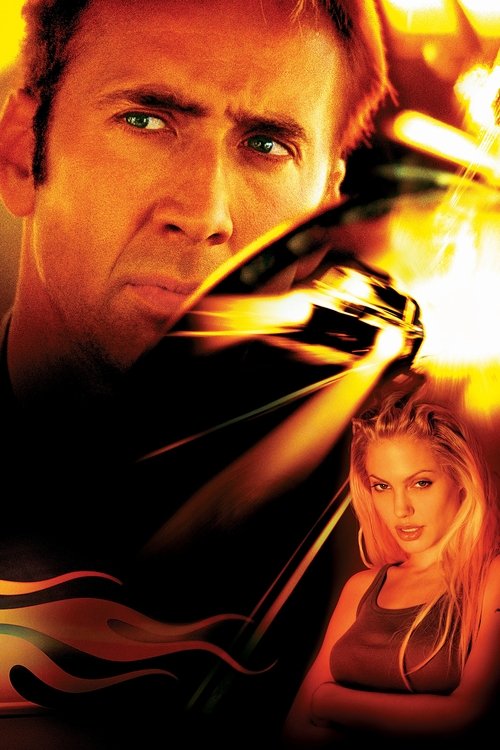
There is a specific, high-gloss alchemy that only existed at the turn of the millennium, a period where every action movie looked like it had been marinated in a vat of expensive cologne and gasoline. Dominic Sena’s Gone in Sixty Seconds (2000) is the crown jewel of this aesthetic. It arrived at the height of the Jerry Bruckheimer era, a time when a $90 million budget didn't just buy you explosions; it bought you a particular kind of saturated, orange-and-teal Californian sunset that makes even a shipyard look like a luxury resort.
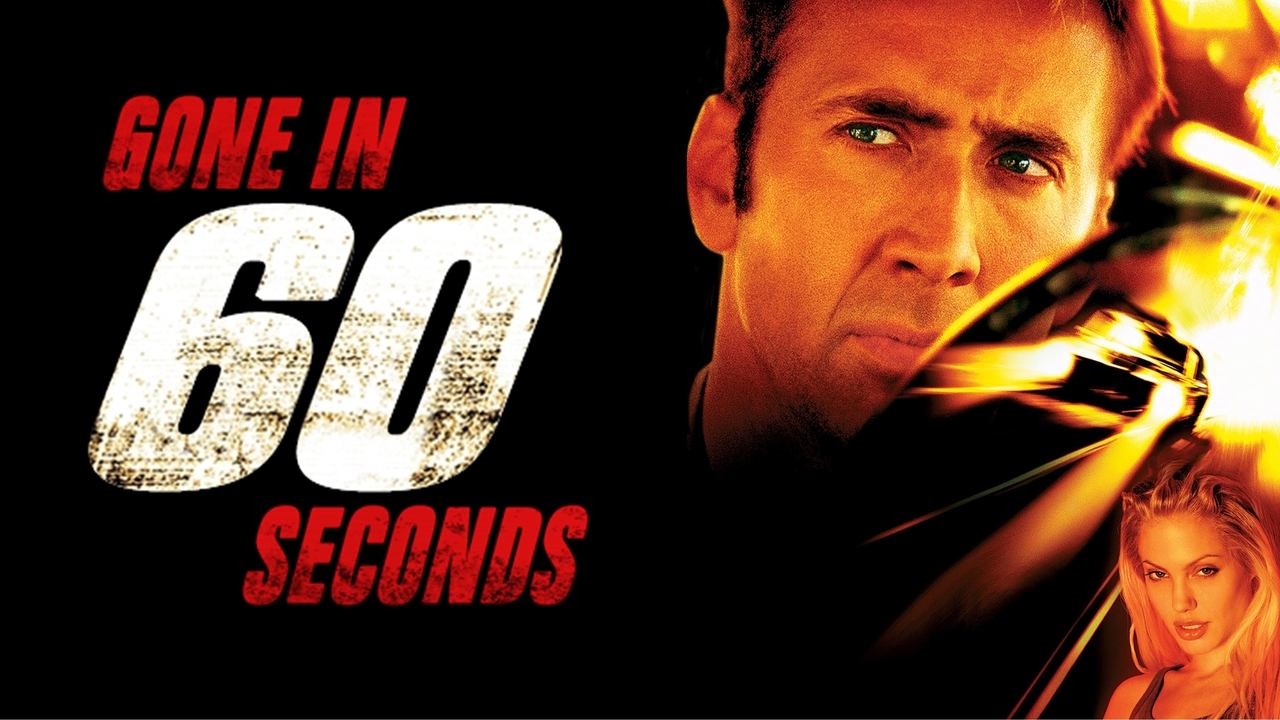
I watched this most recent screening while eating a slightly stale bag of pretzels that had been sitting in my glove box, and honestly, the saltiness perfectly complemented the gritty-yet-polished vibe on screen. It’s a film that thrives on the tactile sensation of a gear shifter and the roar of a V8 engine, and looking back, it stands as a fascinating bridge between the gritty practical stunts of the 90s and the glossy, digital superhero era that followed.
The Art of the Automotive Heist
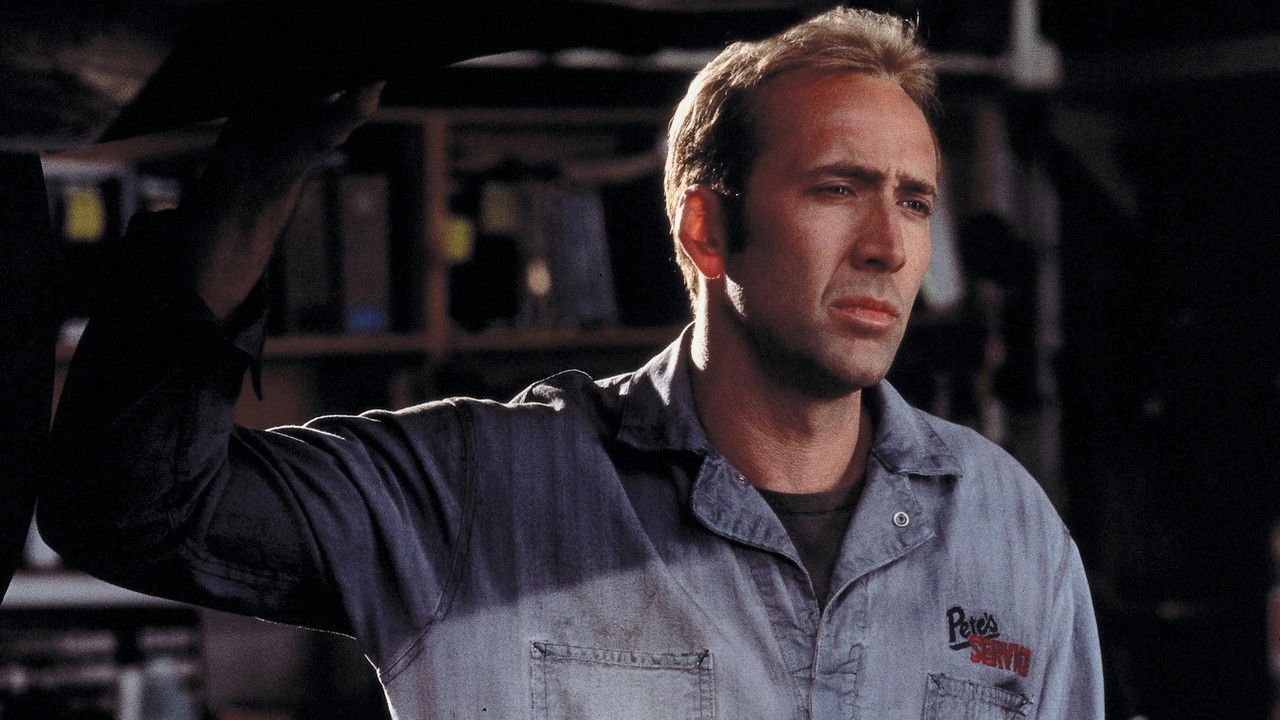
The premise is pure high-concept gold: Randall "Memphis" Raines, played by a bleached-blonde and surprisingly soulful Nicolas Cage, has to come out of retirement to steal fifty specific cars in a single night. If he doesn't, a generic British villain (Christopher Eccleston, looking like he wandered off the set of a cold-medicine commercial) will kill his younger brother, Kip (Giovanni Ribisi).
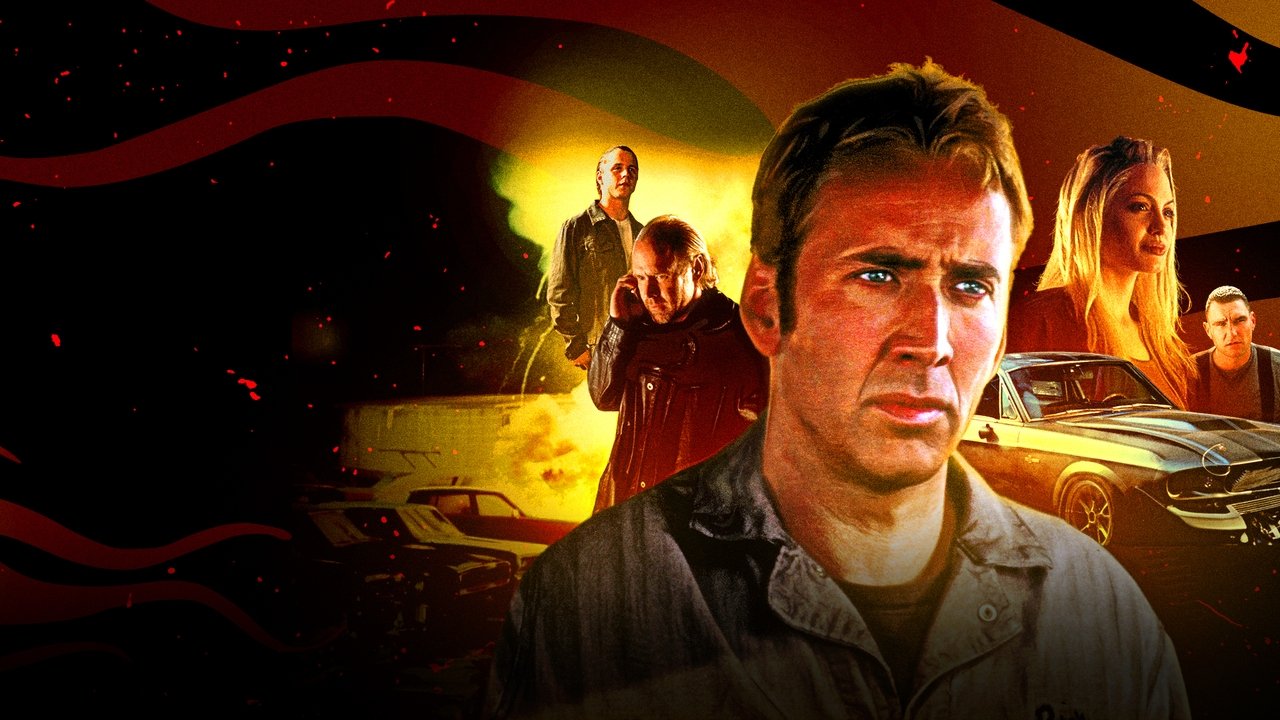
What follows is a classic "getting the band back together" montage that remains one of my favorite tropes of the era. We get Robert Duvall as the wise mentor/mechanic, providing the film with an unearned but welcome gravitas, and Angelina Jolie as "Sway," sporting blonde dreadlocks that are perhaps the most aggressive piece of year-2000 fashion ever committed to celluloid. The film doesn’t spend much time on character development because it doesn't need to; it’s basically a Pokémon movie for people who prefer V8 engines to electric mice.
The "Eleanor"—a 1967 Shelby GT500—is the true co-star here. To the car community, this film wasn't just a movie; it was a religious event. The custom body kit designed by Steve Stanford and Chip Foose for this film launched a million replicas. It’s the ultimate "hero car," treated with more reverence by the camera than most of the supporting cast.
Practical Metal and Early Digital Limits
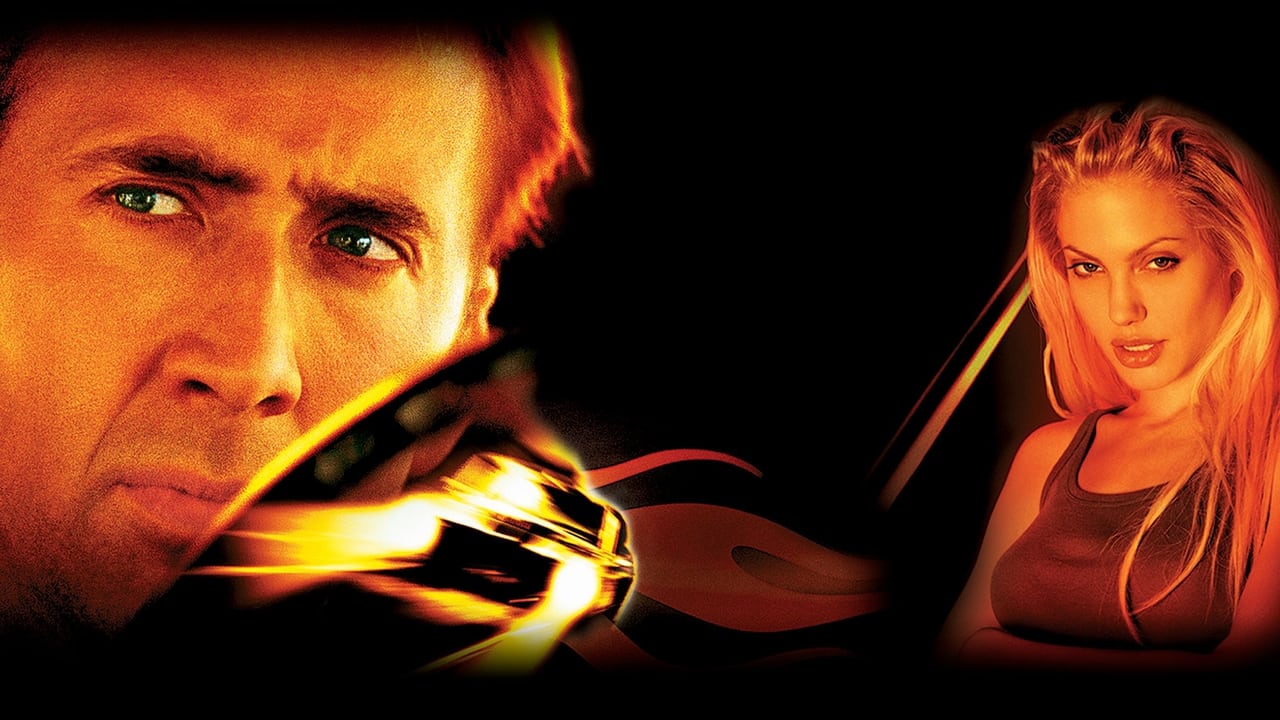
Action choreography in 2000 was in a weird, wonderful puberty. We hadn't quite reached the "shaky cam" headaches of the Bourne era, but we were moving away from the wide-angle clarity of the 80s. Sena uses a rhythmic, percussive editing style that matches Trevor Rabin’s industrial-techno score. The sound design is the unsung hero; the way the film distinguishes the whine of a Ferrari from the guttural belch of a Cadillac is pure ASMR for gearheads.
I love that Nicolas Cage actually did a significant portion of his own stunt driving. He attended the Bondurant School of High Performance Driving, and you can see it in the way he handles the wheel—there’s a frantic, physical reality to his movements that you just don't get when an actor is sitting in a car on a green-screen gimbal. However, the film’s climax—the infamous bridge jump—is where the era's limitations peek through. The CGI Eleanor flying through the air looks like a low-resolution fever dream by today’s standards. It’s a moment where the "digital revolution" was clearly writing checks the technology couldn't quite cash yet. But in the context of the year 2000? It was the coolest thing I’d ever seen.
The Legend of the "Eleanor" and Boost-Happy Trivia
While the film was a massive box office success, it’s the cult status among car enthusiasts that has given it such a long tail. Here are a few things that keep the fan forums buzzing:
The Actor Behind the Wheel: Nicolas Cage is a legitimate car collector and gearhead. His passion for the material is what keeps the movie from feeling like a cynical cash grab; when he talks to Eleanor, he’s not acting—he’s vibrating. The Original Legacy: This is a remake of H.B. Halicki’s 1974 indie film. While the original has a forty-minute car chase that is arguably more impressive for its sheer carnage, the 2000 version replaced the grit with glamour. Interestingly, Halicki’s widow, Denice Shakarian Halicki, was a producer on this remake to ensure the "Eleanor" legacy remained intact. A Cast of Future Stars: Looking back, the supporting cast is stacked. You’ve got a pre-Justified Timothy Olyphant playing a detective with a very 2000s haircut, and even a brief appearance by Master P. The Five-O List: The production used real professional car thieves as consultants to ensure the "boosting" techniques looked somewhat plausible, though I’m fairly certain you can’t bypass a modern security system by just hitting the dashboard and shouting "Go, baby, go!" * The Seven Eleanors: To pull off the finale, seven replicas were built. Only three were actual working cars, and two were destroyed during the bridge jump and the shipyard sequence. The "Beauty" car used for close-ups actually sold at auction years later for over $1 million.
Ultimately, Gone in Sixty Seconds is a film that knows exactly what it is. It’s a high-octane, neon-soaked heist that prioritizes style over substance every single time, but does so with such infectious energy that you can’t help but enjoy the ride. It’s the cinematic equivalent of a chrome-plated sledgehammer—loud, shiny, and remarkably effective at what it’s designed to do.
If you haven't seen it since the days of DVD-player dominance, it’s worth a revisit just to appreciate the craft of the pre-MCU action movie. It’s a reminder that before everything was about multiverses and cosmic stakes, all we needed for a good time was a cool guy, a fast car, and a seemingly impossible deadline. Just make sure you have some snacks that haven't been in your car since the Clinton administration.
Keep Exploring...
-
Swordfish
2001
-
Con Air
1997
-
The Jackal
1997
-
Lethal Weapon 4
1998
-
Ronin
1998
-

The Negotiator
1998
-
Spy Game
2001
-
S.W.A.T.
2003
-
Gangster Squad
2013
-
Season of the Witch
2011
-
Desperado
1995
-
From Dusk Till Dawn
1996
-
The Boondock Saints
1999
-
Once Upon a Time in Mexico
2003
-
Cellular
2004
-
Drive Angry
2011
-
Basic
2003
-
Contraband
2012
-
8MM
1999
-

Lord of War
2005