High Fidelity
"Your life, organized by track listing."
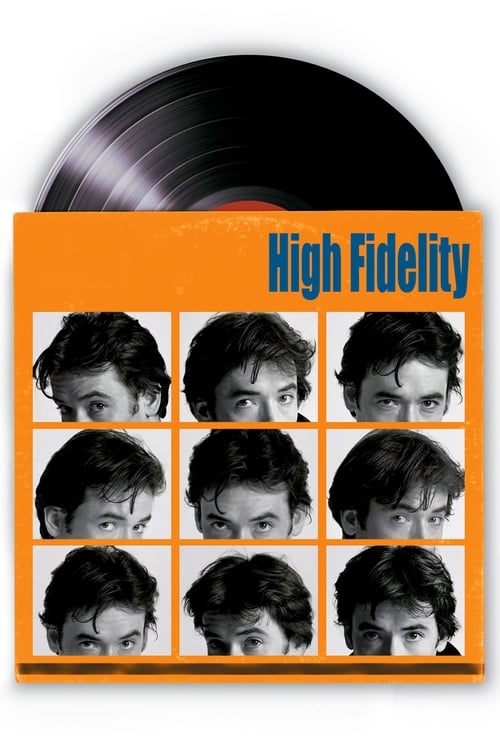
I’ve always felt that the way a person organizes their bookshelves says more about their mental health than a therapist’s bill ever could. I remember watching High Fidelity for the first time while eating a bowl of lukewarm off-brand Cheerios and trying to organize my sock drawer by color—it felt like the movie was staring directly into my soul and judging my lack of a filing system.
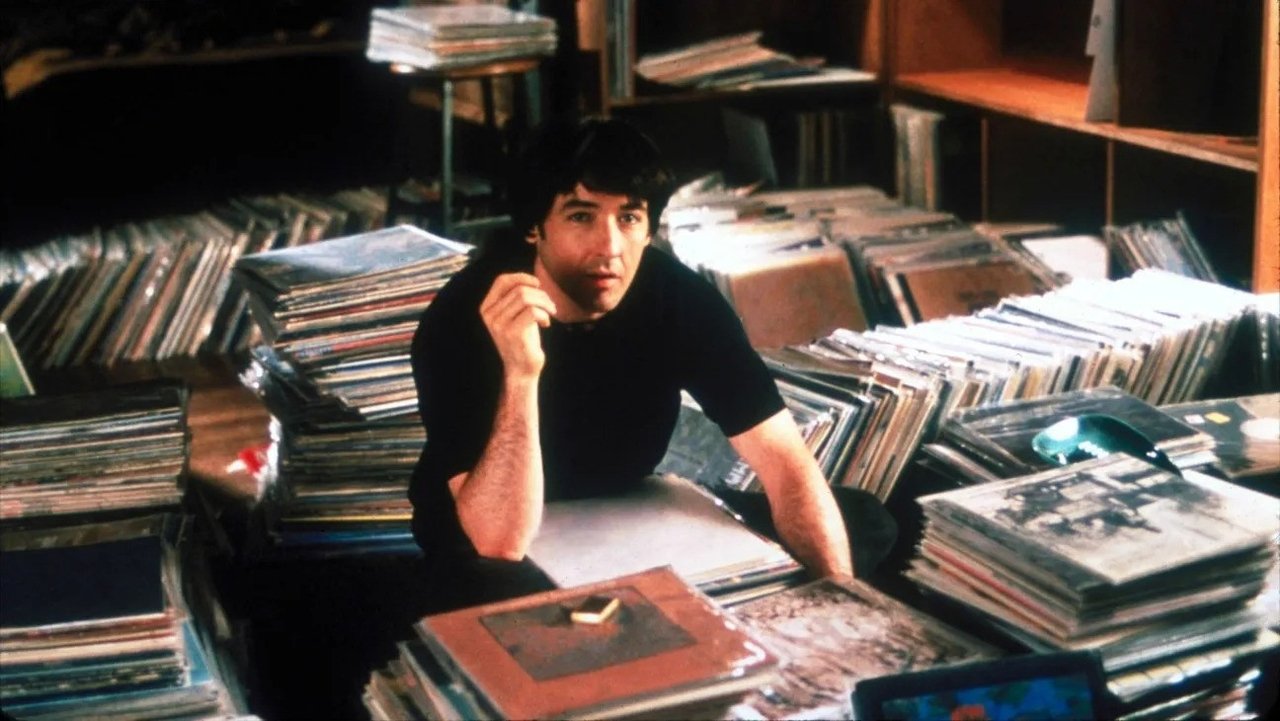
Released just as the millennium turned, Stephen Frears’ adaptation of Nick Hornby’s London-set novel successfully transplants the story to Chicago without losing a drop of its neurosis. It captures a very specific moment in time: the twilight of the analog era. This is a world where "making a tape" was an act of high-stakes emotional diplomacy and owning a record store meant you were a self-appointed gatekeeper of cool in a pre-algorithmic world.
The Gospel of the Top Five
At the center of it all is Rob Gordon, played by John Cusack with a mix of hangdog charm and breathtaking narcissism. Rob has just been dumped by his long-term girlfriend, Laura (Iben Hjejle), and his immediate reaction isn't to look inward, but to look backward. He decides to track down his "Top Five Most Memorable Breakups" to figure out why he’s always the one left standing on the sidewalk in the rain.
What makes High Fidelity work as a drama is that it doesn't let Rob off the hook. He’s the protagonist, sure, but he’s also kind of an elitist jerk. Looking back at this film twenty-odd years later, it’s fascinating to see how it navigates the "sad boy" trope before we really had a name for it. Rob uses music as a shield to keep the world at a distance, and Cusack is perfect at breaking the fourth wall to explain his logic to us. It feels intimate, like he’s letting us in on a secret, even when that secret is that he’s too busy being a snob to actually be a partner.
The supporting cast of "exes" is a "Who’s Who" of turn-of-the-century talent. Catherine Zeta-Jones is terrifyingly glamorous as the "cool girl" Charlie, and Lisa Bonet brings a grounded, earthy energy as Marie DeSalle that makes Rob’s frantic energy look even more ridiculous.
The Championship Vinyl Crew
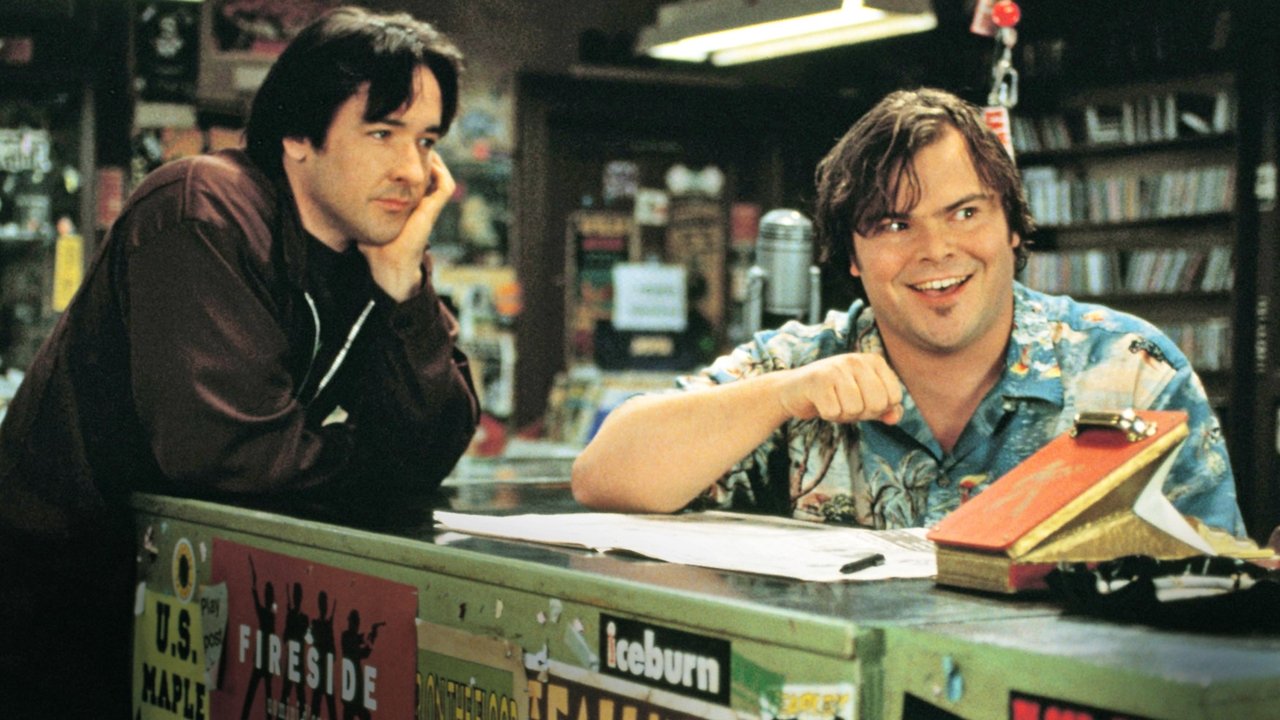
While the romance provides the structure, the comedy provided by the record store employees provides the soul. Todd Louiso is painfully endearing as the shy, soft-spoken Dick, but the movie belongs to Jack Black. As Barry Judd, Black is a walking, shouting hurricane of musical opinions. This was his breakout role, and you can see why; he’s a comedy fireball who treats every customers’ taste like a personal insult.
The scenes inside "Championship Vinyl" are the highlights of the film. It captures that specific breed of "record store guy" that has mostly been replaced by Reddit subreddits. There’s a wonderful, petty authenticity to their bickering about whether a song is "too mainstream" or "essential." Turns out, the production team actually built the store set so convincingly that people used to wander in off the street in Chicago trying to buy actual records, only to be told by crew members that the store was a lie.
Watching Jack Black perform a rendition of "Let’s Get It On" at the end of the film is still one of the most satisfying "he’s actually good" reveals in cinema history. It balances out the cynical, dry humor with a moment of genuine, unironic joy.
A Time Capsule of Crate-Digging
In the era of Modern Cinema (1990-2014), High Fidelity stands as a monument to the physical object. It’s a film about collecting—collecting records, collecting memories, and collecting grievances. Looking back, the film feels like a farewell to the 90s indie spirit. It has that lo-fi, conversational rhythm that directors like Quentin Tarantino (who gets a shout-out via a Reservoir Dogs poster) popularized, but it applies it to the mundane struggles of a thirty-something guy who just needs to grow up.
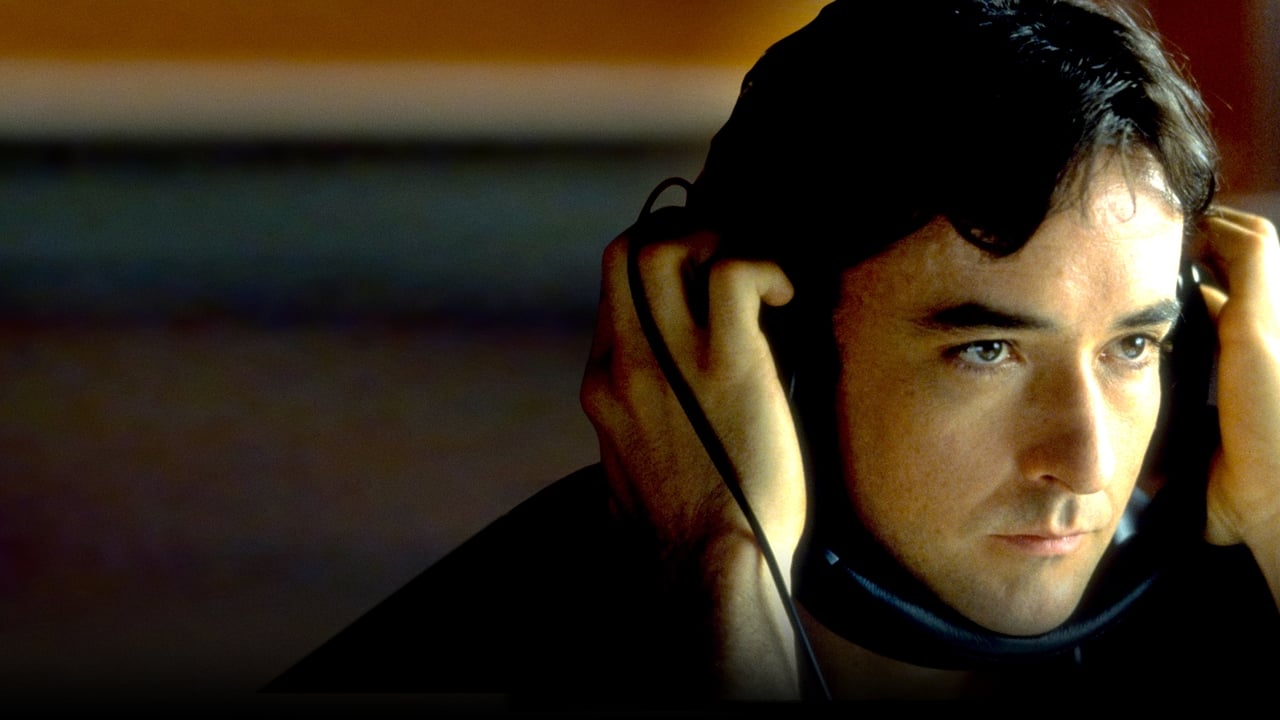
The soundtrack, curated heavily by Cusack and his team, is a masterpiece in itself. It’s not just background noise; it’s a character. From the 13th Floor Elevators to The Beta Band (which Rob famously promises to sell five copies of just by playing it in the store), the music is the heartbeat of the movie. It’s the ultimate "DVD culture" movie, too—I remember spending hours going through the special features on the disc just to see what the actors' actual Top Five lists were.
Does it hold up? Absolutely. While some of Rob's behavior feels more grating in a modern context, that's exactly the point. It’s a movie about the fear of commitment and the realization that your "Top Five" lists are just a way to avoid dealing with the "Number One" sitting right in front of you.
Ultimately, High Fidelity is a comfort movie for people who find comfort in being slightly miserable. It’s funny, it’s biting, and it features a Bruce Springsteen cameo that feels like a hallucination in the best way possible. If you’ve ever categorized your life by what you were listening to during a specific summer, this one is for you. It’s a reminder that while the format might change—from vinyl to CD to MP3 to streaming—the feeling of being dumped while a sad song plays never really goes out of style.
Keep Exploring...
-
Grosse Pointe Blank
1997
-
Coyote Ugly
2000
-

Camp Rock
2008
-
Punch-Drunk Love
2002
-
Nick and Norah's Infinite Playlist
2008
-
Just Like Heaven
2005
-

High School Musical 2
2007
-

Begin Again
2014
-
Stranger Than Fiction
2006
-
That Thing You Do!
1996
-

EverAfter
1998
-
Blast from the Past
1999
-
Never Been Kissed
1999
-
About a Boy
2002
-
Casanova
2005
-
The Sisterhood of the Traveling Pants
2005
-
Another Cinderella Story
2008
-

What If
2013
-
10 Things I Hate About You
1999
-
As Good as It Gets
1997