Hollow Man
"Visibility is a choice; being a monster is a lifestyle."

If you look back at the cinematic landscape of the year 2000, you’ll see a Hollywood caught in a frantic, sweaty transition. We were moving away from the tactile, blood-and-squibs grit of the 90s and diving headfirst into the "we can do anything" promise of CGI. At the center of this storm stood Paul Verhoeven (RoboCop, Total Recall), a director who has never met a boundary he didn’t want to jump over while flipping the bird. With Hollow Man, he took the dusty H.G. Wells trope of the invisible scientist and stripped away the Victorian ethics, replacing them with a voyeuristic, mean-spirited, and technically jaw-dropping slasher film that feels like a fever dream of the Y2K era.

I remember watching this on a scratched-up DVD in a room that smelled faintly of old basement mildew and stale popcorn, and honestly, that damp, claustrophobic atmosphere made the movie’s third-act descent into a subterranean bloodbath feel much more personal.
The Anatomy of an Ego
The film stars Kevin Bacon as Sebastian Caine, a brilliant, arrogant scientist who treats his team like chess pieces and his ego like a deity. Caine is the kind of guy who wears expensive leather jackets to a sterile lab and thinks rules are things that happen to other people. When he finally cracks the "reversion" formula to make invisible animals visible again, he doesn't wait for human trials. He becomes the human trial.
Kevin Bacon is inspired casting here. Even when he’s just a voice or a pair of floating thermal goggles, you can feel his smarmy charisma curdling into something predatory. "Sebastian Caine isn't a hero who falls; he’s a jerk who finally gets the privacy to be a monster." Most "invisible man" stories focus on the tragedy of losing one's self; Verhoeven is much more interested in what a bad person does when the social contract of being watched is removed. It’s uncomfortable, it’s invasive, and it’s pure Verhoeven.
Digital Skin and Practical Bones

Where Hollow Man truly earns its place in the "Modern Cinema" history books is in its visual effects. We were just a year out from The Matrix, and the industry was obsessed with "bullet time" and digital layering. The sequence where Caine is first injected with the serum—showing his skin disappearing, followed by his muscles, then his organs, and finally his skeleton—is still a staggering achievement.
There’s a weight to the CGI here that we often lose in today’s over-saturated Marvel spectacles. You can see the moisture on the lungs and the pulse in the veins. It’s gross, it’s fascinating, and it’s deeply physical. The effects team actually had to build a complete digital human anatomy from the inside out. Even 24 years later, the "smoke and water" effects—the way you see Caine’s silhouette when he’s caught in rain or steam—hold up surprisingly well because they were grounded in the physical performance of Kevin Bacon, who spent a ridiculous amount of time in green, blue, and black spandex suits to help the animators.
A Slasher in Scientist’s Clothing
While the first half plays like a high-stakes sci-fi thriller, the second half takes a sharp turn into a bunker-set slasher flick. Once the team—including a solid Elisabeth Shue as Linda and a very "pre-Josh Brolin-renaissance" Josh Brolin as Matt—realizes that Sebastian has no intention of becoming visible again, the film turns into a hunt.
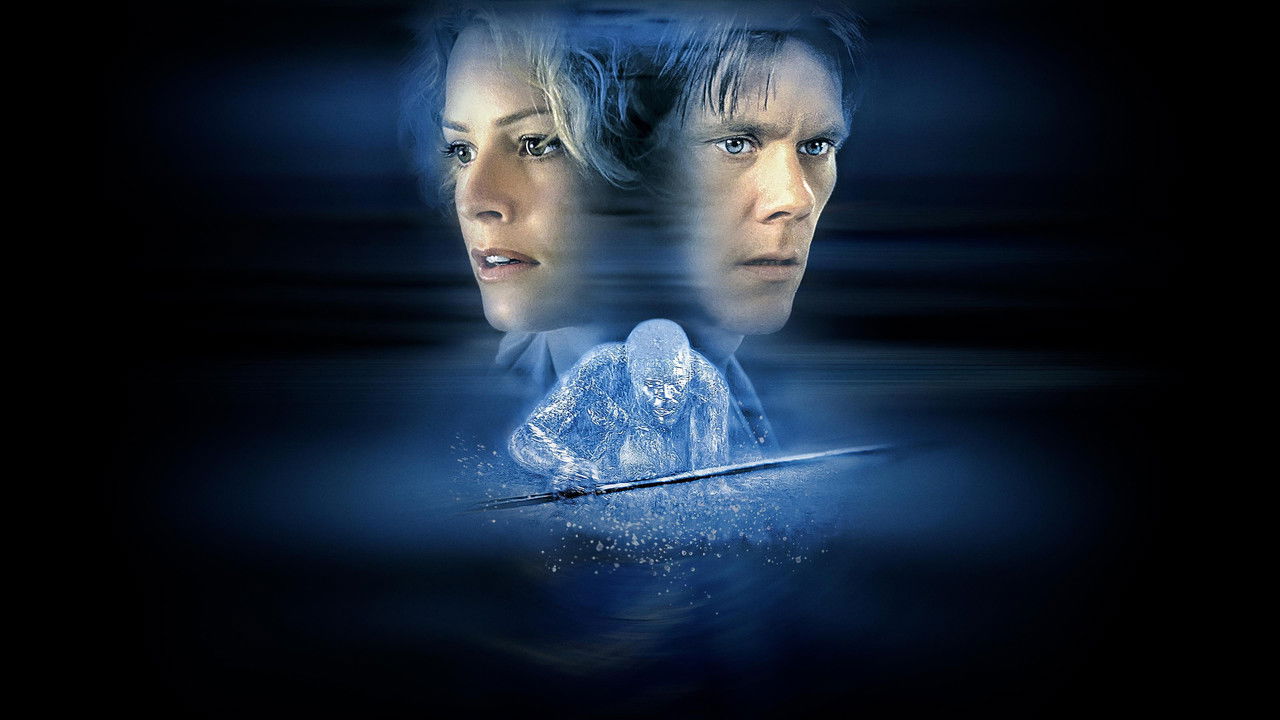
The action choreography is tight, if a bit sadistic. There’s a scene involving a centrifuge and another with an elevator that remind you Verhoeven started in the world of high-impact violence. The sound design is particularly effective; the "crunch" of footsteps on a metal grate or the heavy breathing in an empty room creates a genuine sense of dread. However, the film’s relentless mean streak can be exhausting. The movie basically turns into a high-budget episode of 'Cops' directed by a nihilist. It lacks the sharp political satire of Starship Troopers, opting instead for a more visceral, almost grubby exploration of a predator's mind.
Stuff You Didn't Notice
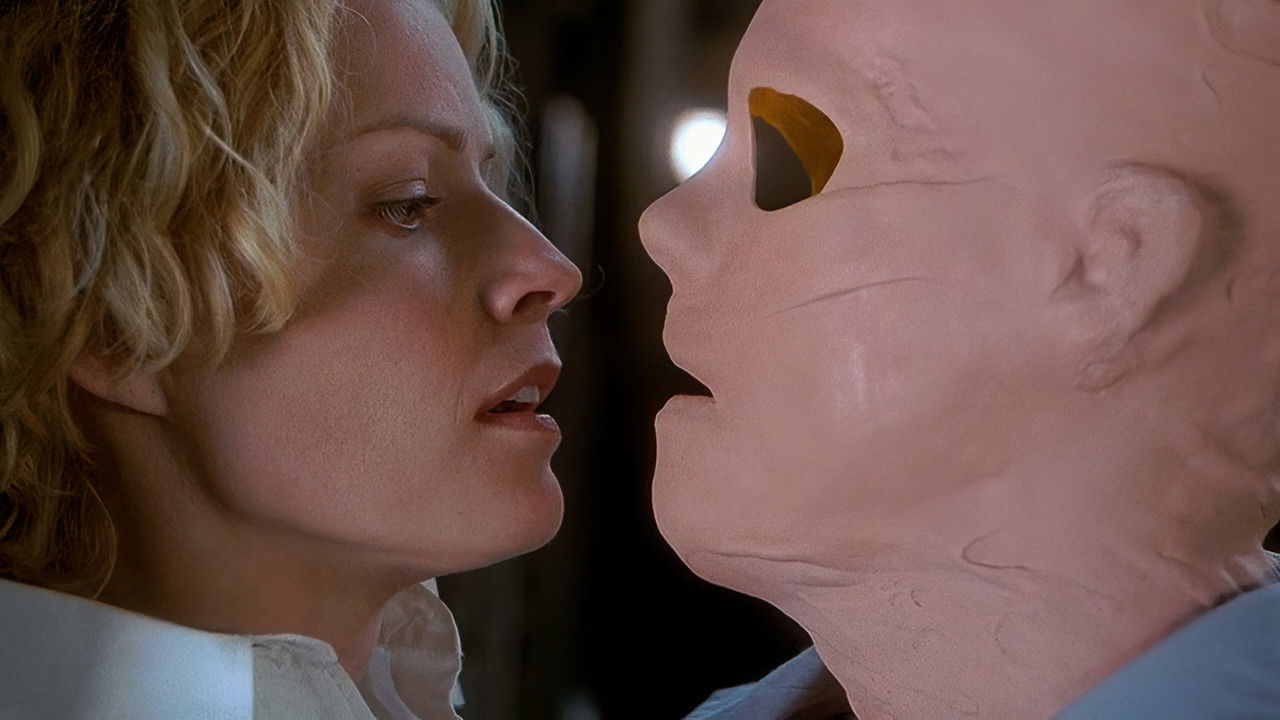
The Mask of Bacon: To give the actors something to react to, Kevin Bacon often wore a mask that looked exactly like his own face over his "invisible" suit. It was deeply unsettling for the cast. The Oscar Snub: The film was nominated for Best Visual Effects but lost to Gladiator. Looking back, the technical complexity of Hollow Man probably deserved the win, even if the Academy found the movie too "trashy." A Massive Bill: The budget was a whopping $95 million, which was astronomical for an R-rated thriller in 2000. You can see every cent on the screen in those anatomy layers. Director's Cut: Verhoeven has famously been lukewarm on the final theatrical cut, feeling that studio interference watered down the more "challenging" aspects of Caine’s psychological breakdown. * The Dog Scene: The scene with the invisible dog was actually done with a physical puppet for the interaction, but the "insides" were all digital. It remains one of the most stressful scenes for animal lovers.
Hollow Man is a fascinating relic of a time when studios would hand a massive budget to a European provocateur to make a big-budget horror movie. It’s not a "comfortable" watch, and its treatment of its female characters (specifically Kim Dickens and Elisabeth Shue) can feel dated and unnecessarily cruel. But as a technical showcase and a study in ego, it’s undeniably effective. It reminds me of the era when we were still figuring out the balance between digital wizardry and human storytelling—sometimes the tech wins, and in the case of Sebastian Caine, the tech is exactly what lets the monster out of the cage.

Keep Exploring...
-

Starship Troopers
1997
-
Godzilla
1998
-

The 6th Day
2000
-

The Tuxedo
2002
-
Terminator 3: Rise of the Machines
2003
-
The Matrix Revolutions
2003
-

Æon Flux
2005
-

The Island
2005
-

Pitch Black
2000
-

The League of Extraordinary Gentlemen
2003
-

The Saint
1997
-

X-Men: The Last Stand
2006
-

Next
2007
-

Babylon A.D.
2008
-

Gamer
2009
-

G.I. Joe: The Rise of Cobra
2009
-
Surrogates
2009
-

Terminator Salvation
2009
-

The Book of Eli
2010
-

Cowboys & Aliens
2011