In the Mood for Love
"Desire is a secret told to a hollow wall."
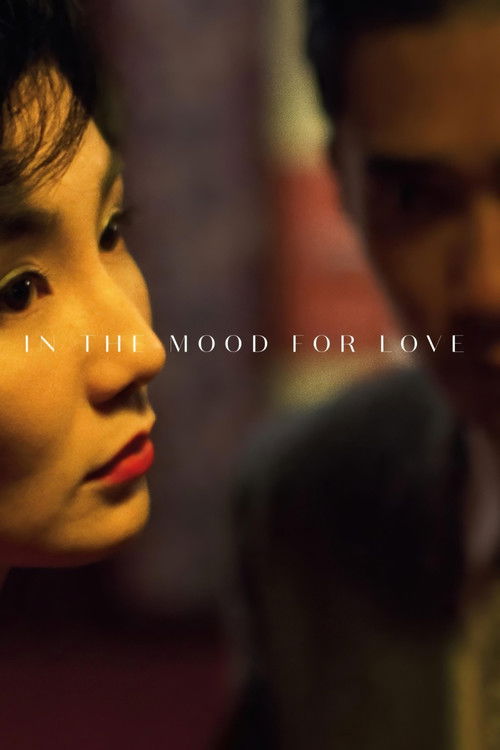
There is a specific kind of silence in Wong Kar-Wai’s Hong Kong—not the absence of noise, but the heavy, humid weight of things left unsaid. You can almost feel the dampness of the narrow hallways and the steam rising from the roadside noodle stalls. Released at the turn of the millennium, In the Mood for Love feels like the final, gorgeous exhale of 20th-century cinema. While the rest of the world in 2000 was obsessing over the digital future and the "bullet time" of The Matrix, Wong Kar-Wai looked backward to 1962, crafting a story so lush and tactile you can practically smell the hair oil and the rain-slicked pavement.
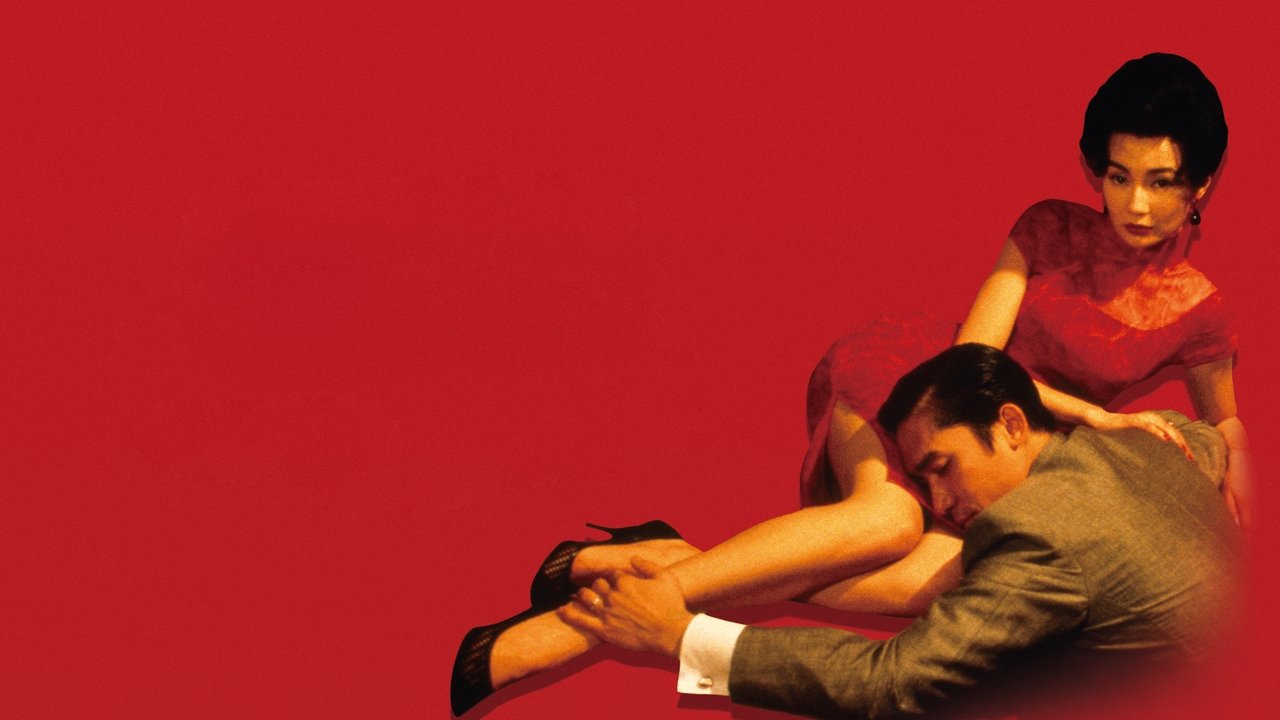
I first watched this on a grainy DVD on a laptop screen while eating cold leftover dim sum in a cramped apartment. Despite the unglamorous setting, the movie made me feel like I was wearing a silk tuxedo. It has that power. It’s a film that demands you slow your pulse to match its rhythmic, hypnotic heartbeat.
The Dance of the Unspoken
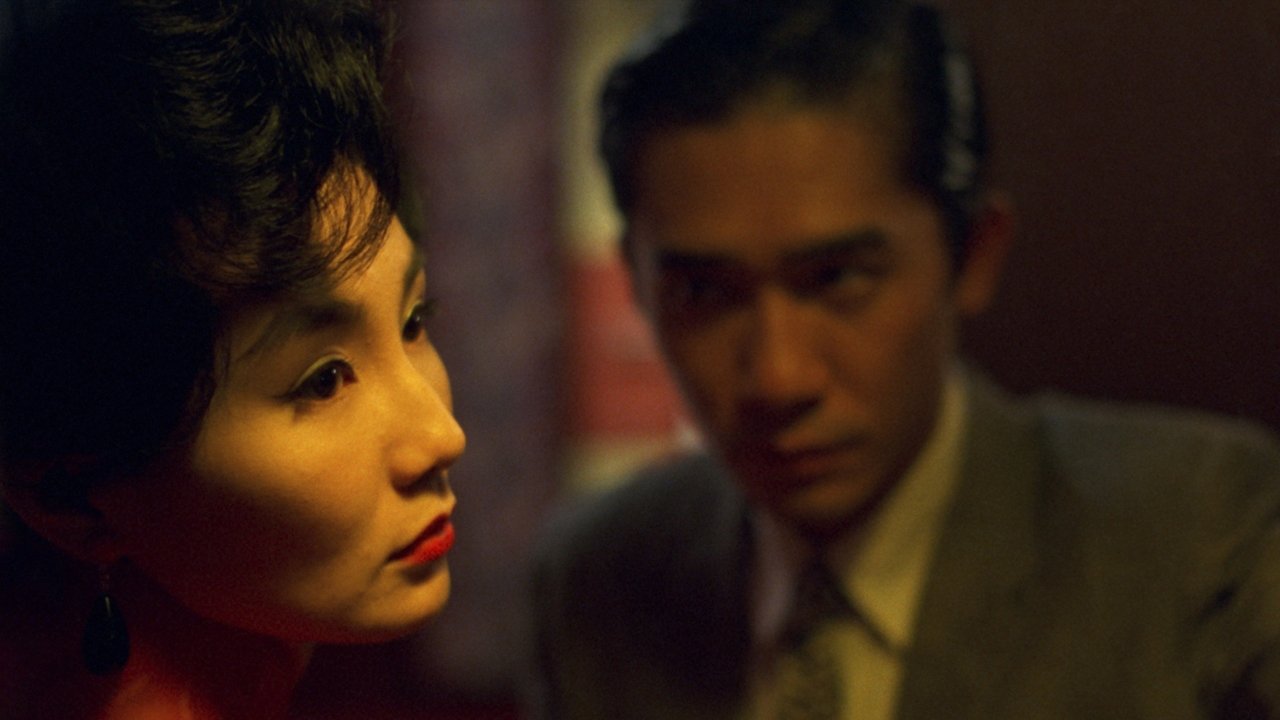
The setup is deceptively simple: two neighbors, Su Li-zhen (Maggie Cheung) and Chow Mo-wan (Tony Leung Chiu-wai), discover their respective spouses are having an affair with each other. Instead of a messy confrontation or a vengeful tryst, they begin a delicate, agonizingly slow-motion dance of companionship. They role-play how their spouses might have started their affair, trying to understand a betrayal that has left them both adrift.
The brilliance lies in the restraint. They agree they "won't be like them," a pact that turns every shared meal and every brush of a shoulder into a high-stakes emotional cliffhanger. Tony Leung Chiu-wai does more with a subtle glance and a puff of cigarette smoke than most actors do with a five-minute monologue. Chow Mo-wan’s hair is so perfectly slicked back it probably has its own SAG card, yet beneath that cool exterior, he’s vibrating with a quiet, desperate longing.
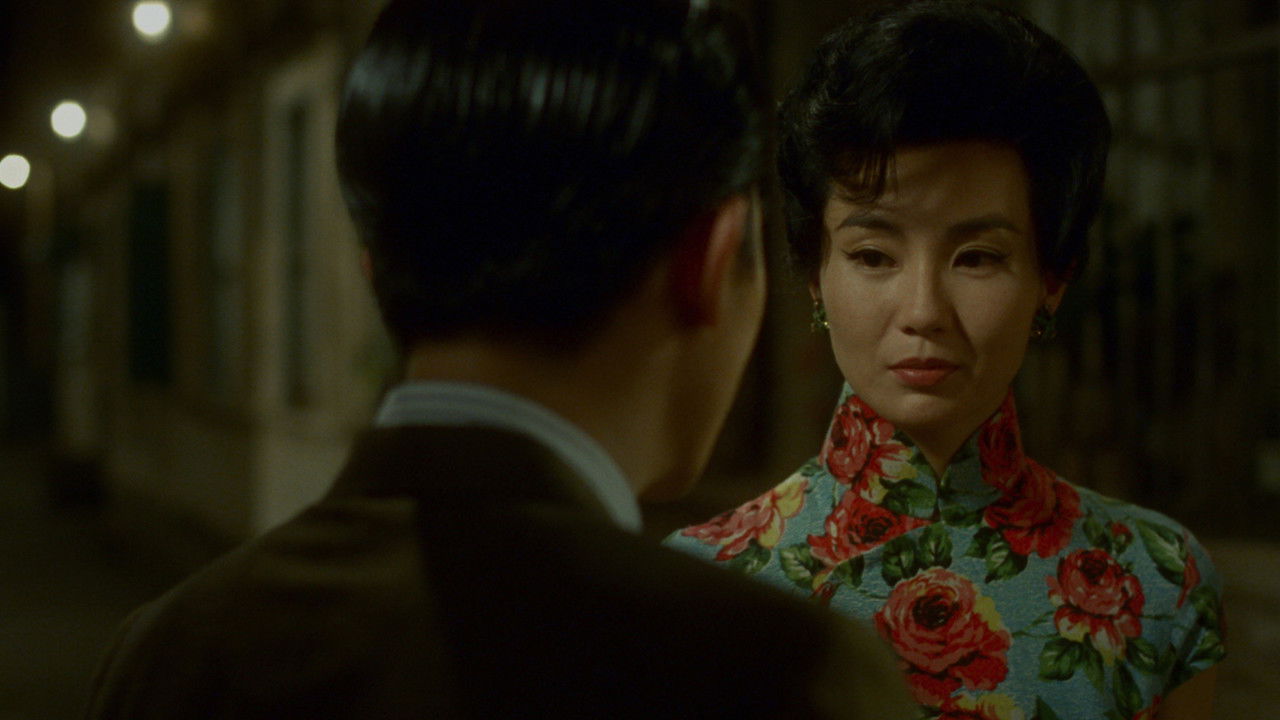
Opposite him, Maggie Cheung is a revelation. She wears a series of high-collared cheongsams—I lost count, but apparently, there were dozens—that act as both armor and a cage. Her performance is entirely physical; the way she carries a thermos of noodles down a flight of stairs tells you everything you need to know about her loneliness.
Textures, Steam, and Silks
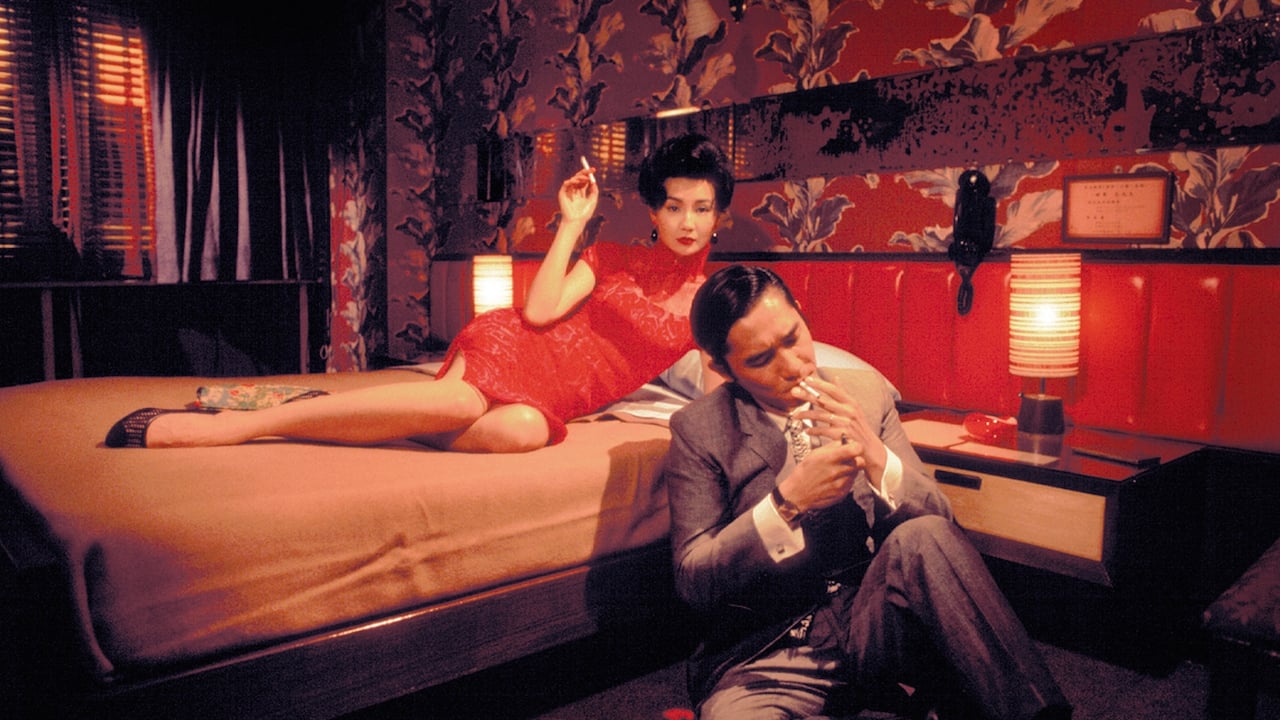
Visually, this is a film that ruins other films for you. Wong Kar-Wai and his cinematographers, Christopher Doyle and Mark Lee Ping-bin, use a color palette of deep crimsons and smoky ambers that feel like they were pulled from a dream. They often shoot through doorways or around corners, making us feel like voyeurs eavesdropping on a private sorrow. It’s an incredibly "close" movie—you feel the cramped quarters of the shared apartments, the lack of privacy that makes their secret friendship even more dangerous.
The music is just as vital. The recurring "Yumeji's Theme" by Shigeru Umebayashi is a waltz that perfectly captures the cyclical nature of their encounters. It’s repetitive, yes, but in a way that feels like a haunting memory you can’t quite shake. Combined with the crooning of Nat King Cole, the soundtrack creates a bridge between East and West, past and present. Looking back, this was a peak moment for world cinema on the festival circuit, where the "indie explosion" of the 90s met a new level of polished, prestige artistry.
The Prestige of the "Almost"
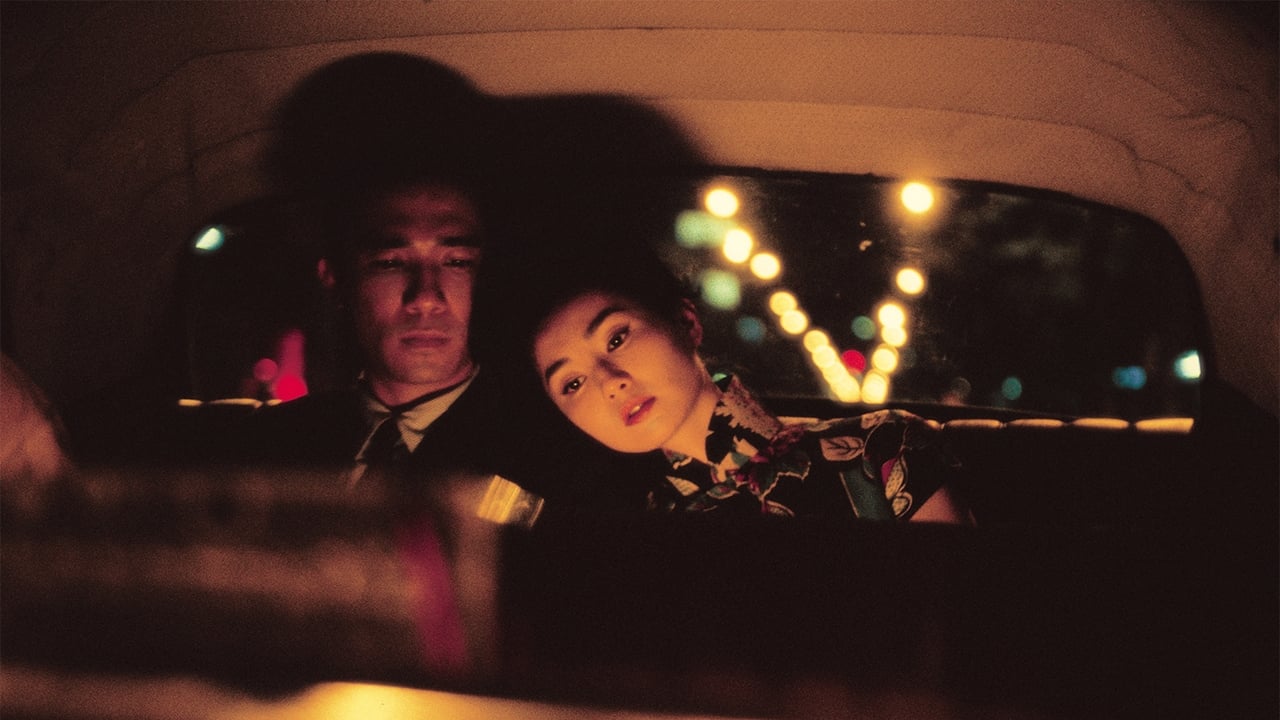
In the Mood for Love was a massive critical darling, earning Tony Leung the Best Actor award at Cannes—the first Hong Kong actor to ever win it. But the behind-the-scenes reality was chaotic. Wong Kar-Wai famously works without a finished script, often filming for years and discovering the movie in the editing room. The production lasted 15 months, an eternity for the actors who often didn't know if their characters would even end up together.
This process created a film that feels less like a plotted story and more like a collection of moments caught in amber. It asks philosophical questions about the nature of time: Is a love that is never consummated more "real" than one that burns out? If you aren’t mesmerized by the sight of a woman buying noodles in a floral dress, you might be legally dead. The film doesn't offer easy answers or "happily ever afters." Instead, it offers a secret whispered into a hole in a wall at Angkor Wat—a beautiful, tragic metaphor for the things we carry that we can never truly share.
This isn't just a movie; it’s an atmosphere you inhabit. It captures that universal human experience of the "what if," the person you met at the wrong time, and the grace found in holding onto your dignity even when your heart is being pulverized. It remains the gold standard for romantic drama because it understands that the most powerful moments in our lives aren't the ones where we scream or sob, but the ones where we simply stand in the rain, wondering if we should say something, and then deciding to stay silent.
Keep Exploring...
-
2046
2004
-
Chungking Express
1994
-
Fallen Angels
1995
-
Before Sunrise
1995
-
Before Sunset
2004
-

Dilwale Dulhania Le Jayenge
1995
-

Pride & Prejudice
2005
-
Mr. Nobody
2009
-

Flipped
2010
-
About Time
2013
-
The Bridges of Madison County
1995
-
10 Things I Hate About You
1999
-
A Dog's Will
2000
-
Moulin Rouge!
2001
-

A Walk to Remember
2002
-
Millennium Actress
2002
-
Talk to Her
2002
-
Brokeback Mountain
2005
-

Cinderella Man
2005
-
La Haine
1995