Malena
"Desire is a spectator sport, and envy is a bloodsport."
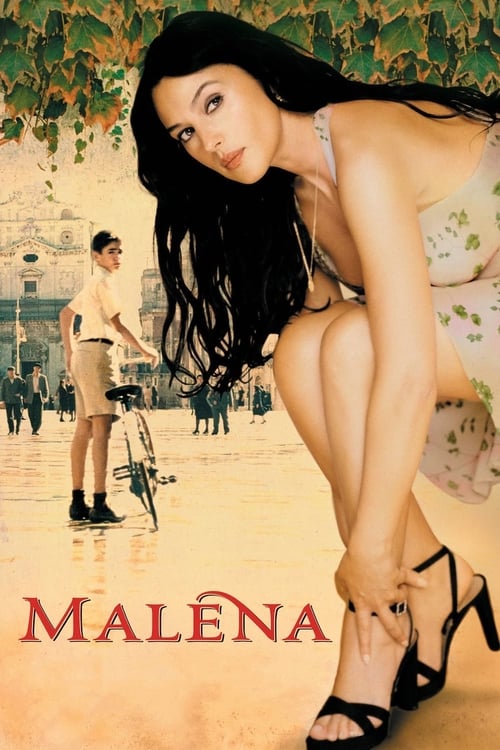
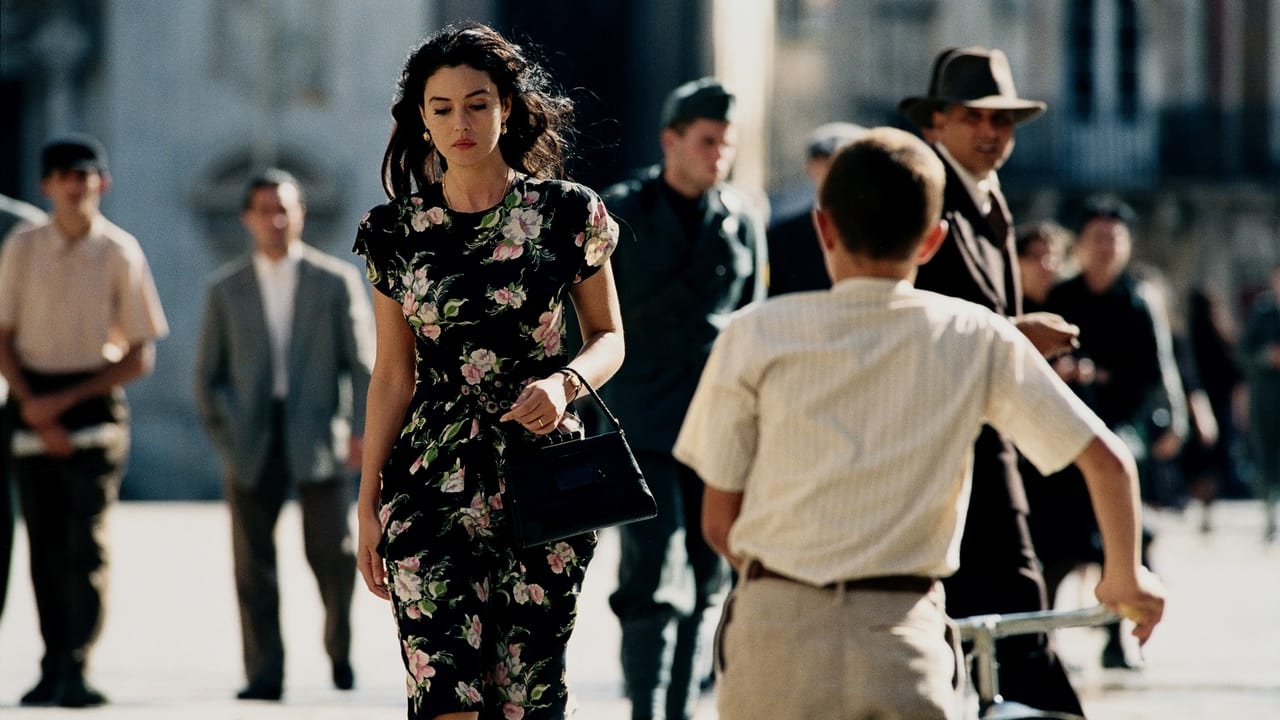
If you want to understand the peculiar, sun-drenched intersection of prestige cinema and adolescent hormones that defined the early 2000s arthouse scene, you have to look at the walk. It’s a walk that stopped an entire Sicilian village in its tracks every afternoon, and in the year 2000, it did the same thing to global audiences. I watched this film recently on a DVD I rescued from a bargain bin at a closing Blockbuster while wearing a pair of wool socks that had a hole in the big toe, and even with a draft on my foot, I was struck by how much this movie feels like a relic from a very specific era of filmmaking.

The Miramax Arthouse Aesthetic
Malèna arrived right at the peak of the Miramax "prestige" era. You remember the one—when Harvey Weinstein (a name that carries a lot of dark weight now, but was then the kingmaker of the Oscars) was importing European dramas, trimming them down for American sensibilities, and marketing them as "exotic" events. Directed by Giuseppe Tornatore, who had already won our hearts with the sentimental Cinema Paradiso (1988), this film was a different beast entirely. It’s lush, shot on 35mm film that feels like you could reach out and touch the warm sandstone of the Sicilian coast, and it has that unmistakable Ennio Morricone score that manages to feel both nostalgic and deeply melancholic.
I’ve always felt that Tornatore creates movies that look like memories, and Malèna is his most feverish one. Looking back, this was the end of an era where practical cinematography and natural light were the stars, before every period piece started looking like it was shot against a green screen in a warehouse in Atlanta. The grain of the film captures the sweat, the dust, and the shimmering heat of 1940s Castelcutò in a way that digital often misses.
A Silent Beauty in a Screaming Town
The movie belongs entirely to Monica Bellucci. It is a fascinating, almost wordless performance. She plays Malèna Scordia, a woman whose only "sin" is being breathtakingly beautiful while her husband is away at war. Because she doesn't speak much—I think she has maybe twenty lines of dialogue in the entire 108 minutes—she becomes a blank canvas for everyone in the town to project their own insecurities and lust onto.
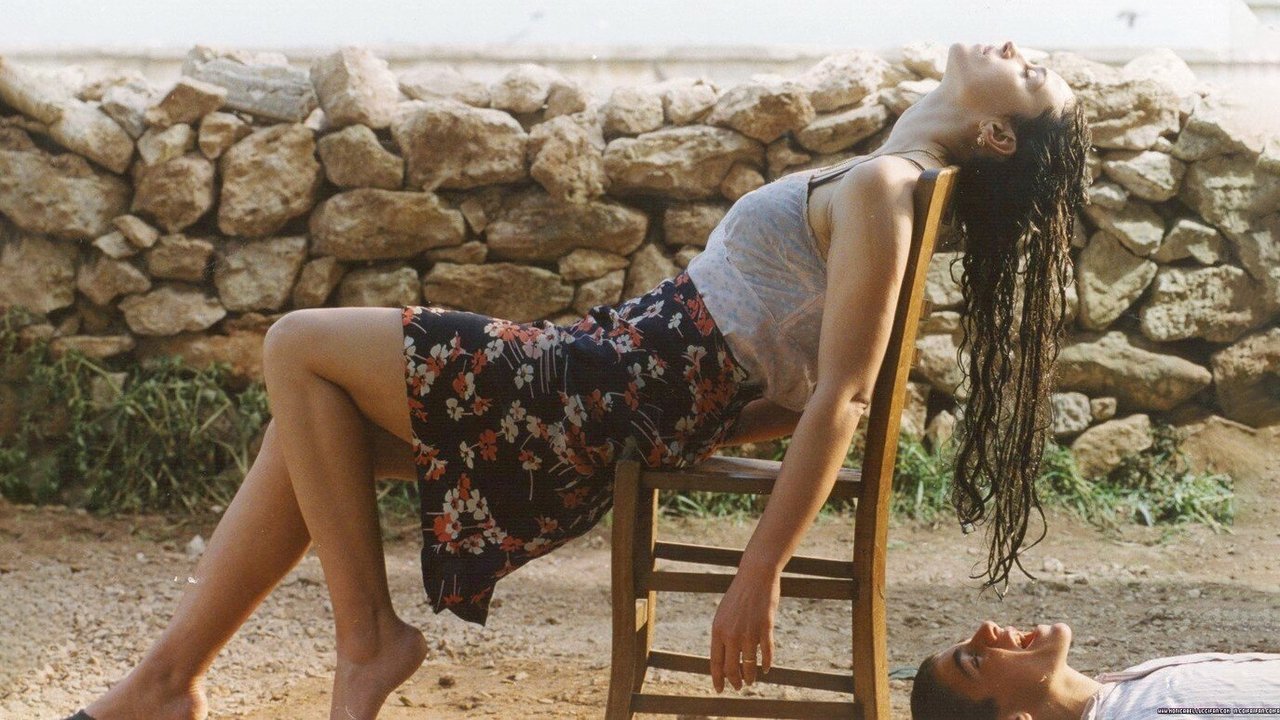
The men want to possess her; the women want to destroy her. I’ve always found the town’s behavior fascinatingly grotesque; the townsfolk have the collective moral compass of a pack of rabid hyenas in Sunday best. Through the eyes of our young protagonist, Renato, played with a wide-eyed, relatable awkwardness by Giuseppe Sulfaro, we see the transition from innocent crush to the realization that the world is a cruel, petty place. Sulfaro was only about 14 or 15 during filming, which adds a layer of genuine, uncomfortable authenticity to his character’s voyeurism.
The Cut, the Cult, and the Hair
Part of why Malèna became a cult favorite on home video—aside from the obvious "foreign film" allure—is the story of its distribution. If you saw this in a US theater in 2000, you likely saw a 92-minute version. Miramax, true to their "Harvey Scissorhands" reputation, hacked out nearly 20 minutes to keep the pacing brisk and perhaps soften some of the darker social critiques. It wasn't until the DVD era flourished that many of us got to see the full 108-minute cut, which restores a lot of the town’s backstory and makes the eventual, brutal climax feel much more earned.
There is a scene involving a public shearing of Malèna’s hair that remains one of the most difficult things to watch in early 2000s cinema. It’s the moment the film stops being a "coming-of-age comedy" and becomes a searing indictment of how society treats women who don't fit into a tidy, subservient box. It’s also where Monica Bellucci proves she’s more than just a face; the look in her eyes during that sequence is haunting.
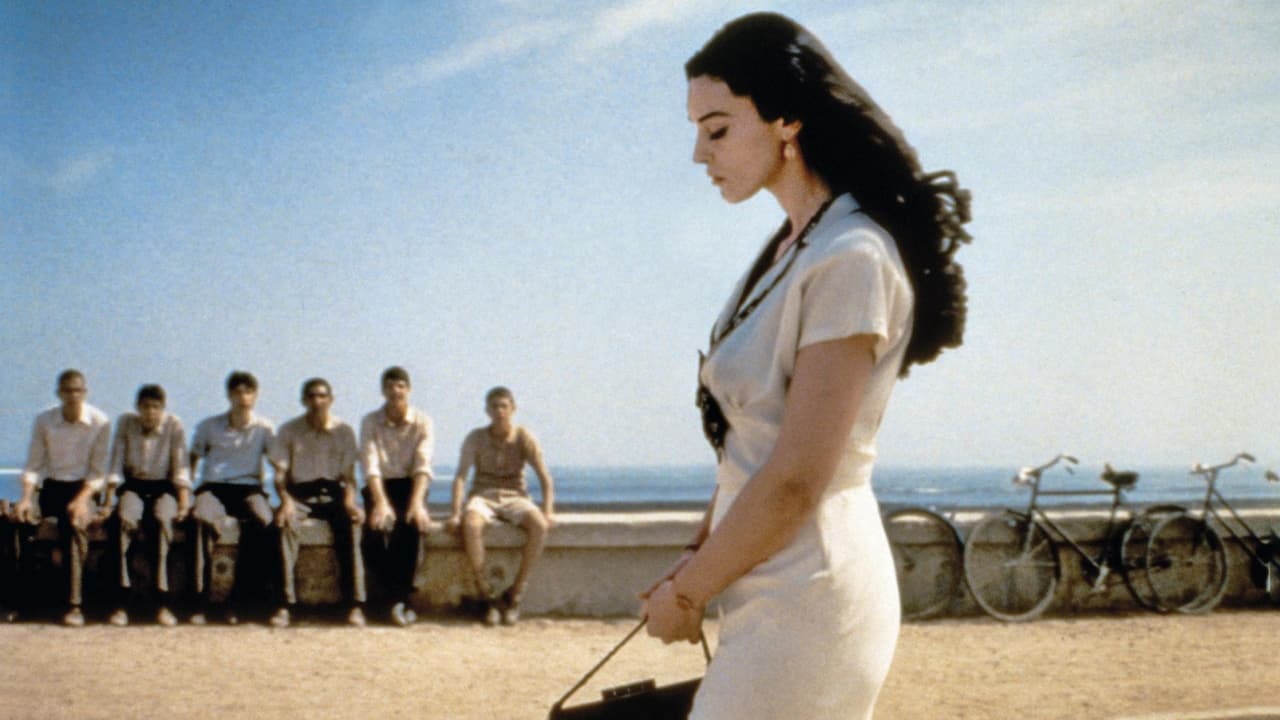
Interestingly, the film wasn’t a massive hit in Italy initially. Some critics felt it was too "designed" for foreign audiences, leaning into Sicilian stereotypes. But that’s the nature of a cult classic—it finds its legs in the years following, through late-night cable airings and word-of-mouth recommendations among film nerds who appreciate Lajos Koltai’s sun-soaked cinematography.
The film is a bittersweet cocktail of adolescent longing and adult cruelty. While some of the comedy involving the boy’s parents (Luciano Federico and Matilde Piana) feels a bit broad and "stagey" by today’s standards, the core tragedy remains incredibly potent. It’s a movie that asks us to look at the difference between loving someone and merely watching them, and in our modern age of social media voyeurism, that feels more relevant than ever. Re-watching it now, away from the marketing hype of the early 2000s, I’m struck by how it balances its beautiful surface with such a bitter, honest heart. It’s a gorgeous, painful reminder that sometimes the things we admire the most are the things we are most likely to break.

Keep Exploring...
-
The Legend of 1900
1998
-
The Best Offer
2013
-
The Dreamers
2003
-
Hotel Rwanda
2004
-
Irreversible
2002
-
Whisper of the Heart
1995
-
DragonHeart
1996
-
Boogie Nights
1997
-
Contact
1997
-
Funny Games
1997
-

Jackie Brown
1997
-
Lost Highway
1997
-

Seven Years in Tibet
1997
-
The Devil's Advocate
1997
-

The Game
1997
-

Enemy of the State
1998
-
Fear and Loathing in Las Vegas
1998
-
Meet Joe Black
1998
-

Rushmore
1998
-
The Lion King II: Simba's Pride
1998