Mission: Impossible II
"Fire, doves, and the world’s most expensive haircut."
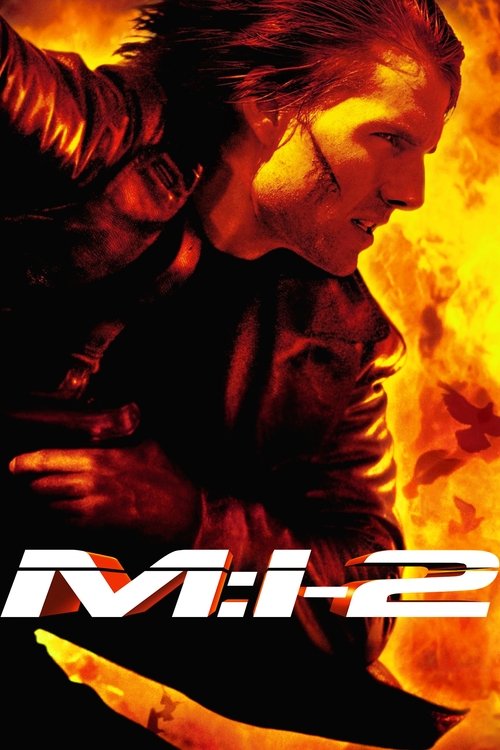
There is a specific brand of madness that only exists when you give a Hong Kong action maestro $125 million and a movie star who wants to die for our entertainment. Before the Mission: Impossible franchise became a series of escalating dares against God and gravity, it went through a fascinating, slightly identity-crisis-fueled phase in the year 2000. I watched this again recently on a laptop with a dying battery while my cat kept trying to eat my charging cable, and honestly, the frayed energy of my living room matched the movie perfectly.
The Woo-ification of Ethan Hunt
If Brian De Palma’s original 1996 film was a cold, Hitchcockian puzzle box, John Woo’s sequel is a warm, leather-scented fever dream. This isn't a spy movie; it’s a rock opera where the guitars are replaced by Berettas. Looking back, it’s wild to see how much the industry trusted a director’s specific visual language to override a franchise’s established tone. John Woo brought every single one of his tropes from Face/Off and Hard Boiled: the slow-motion gun-play, the literal white doves flying through explosions, and the "Mexican Standoff."
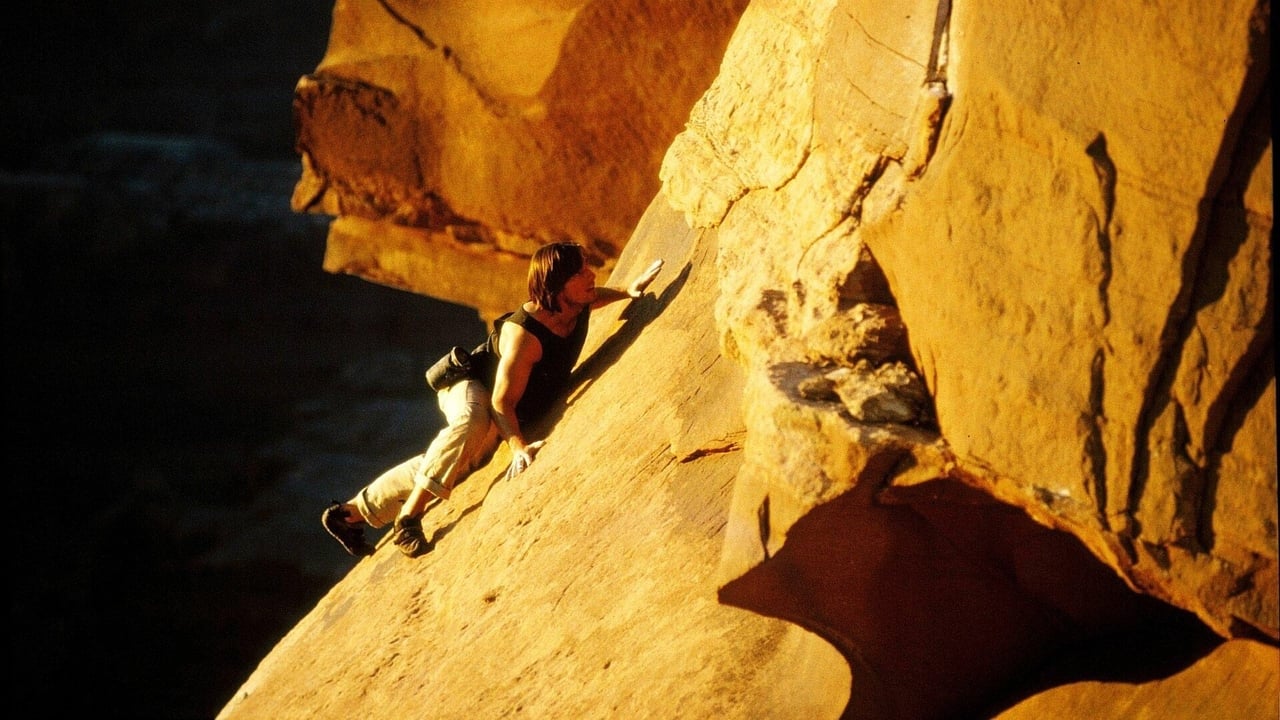
Tom Cruise as Ethan Hunt underwent a total metamorphosis here. In the first film, he was a panicked kid over his head; by the time the sequel opens, he’s a literal god climbing the red rocks of Moab without a harness. I spent half the movie wondering if Ethan Hunt spends more time tossing his hair in slow-motion than actually spying. This was the era of the "Mega-Star," where the actor was the brand. The screenplay, written by the legendary Robert Towne (Chinatown), was famously constructed around the action set pieces Woo had already designed. It shows, but in the most fun, DVD-era way possible.
A Time Capsule of Y2K Cool
The year 2000 was a strange bridge between the analog 90s and the high-tech 2000s. The film is obsessed with digital masks and those tiny "disposable" cameras that look like they came out of a cereal box. The soundtrack is perhaps the most "looking back" element of the whole experience. Hans Zimmer’s score is heavy on the Spanish guitar and 2000-era synth, but it’s the Limp Bizkit rendition of the theme song that really pins this movie to its timeline. It’s aggressively Y2K.
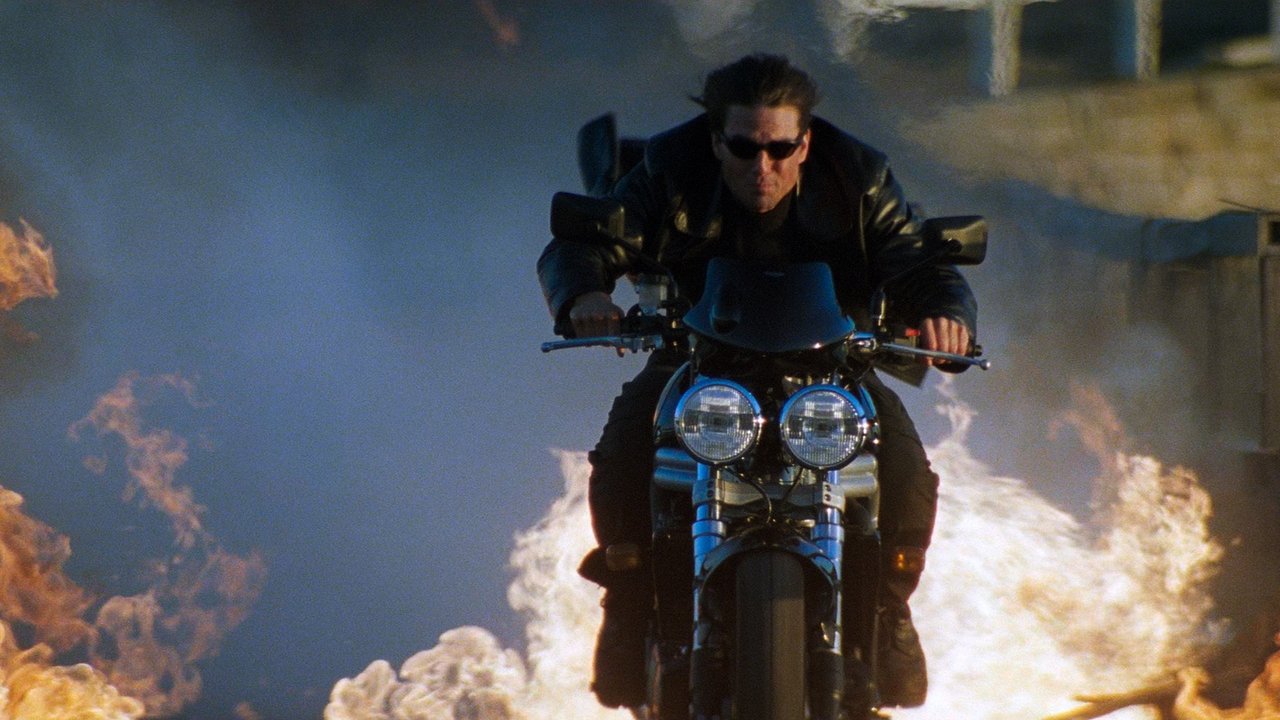
We also have to talk about the "Chimera" virus. Watching a plot about a genetically engineered biological weapon being stopped by a guy on a motorcycle feels a bit different post-2020, but in the context of the millennium, it was the ultimate technophobic anxiety. The stakes were massive, yet the film feels surprisingly intimate, focusing on a love triangle between Ethan, the beautiful thief Nyah Hall (Thandiwe Newton), and the rogue agent Sean Ambrose (Dougray Scott).
Speaking of Dougray Scott, he is the ultimate "What If" of this era. He plays Ambrose with a sneering, frustrated energy—essentially the "Anti-Ethan." Production ran so long on this film that Scott was forced to drop out of playing Wolverine in X-Men, which paved the way for Hugh Jackman. It’s a piece of trivia that changes the entire landscape of the MCU-to-be, all because Tom Cruise wanted one more take of a motorcycle chase.
Stunts, Shrapnel, and the Birth of a Daredevil
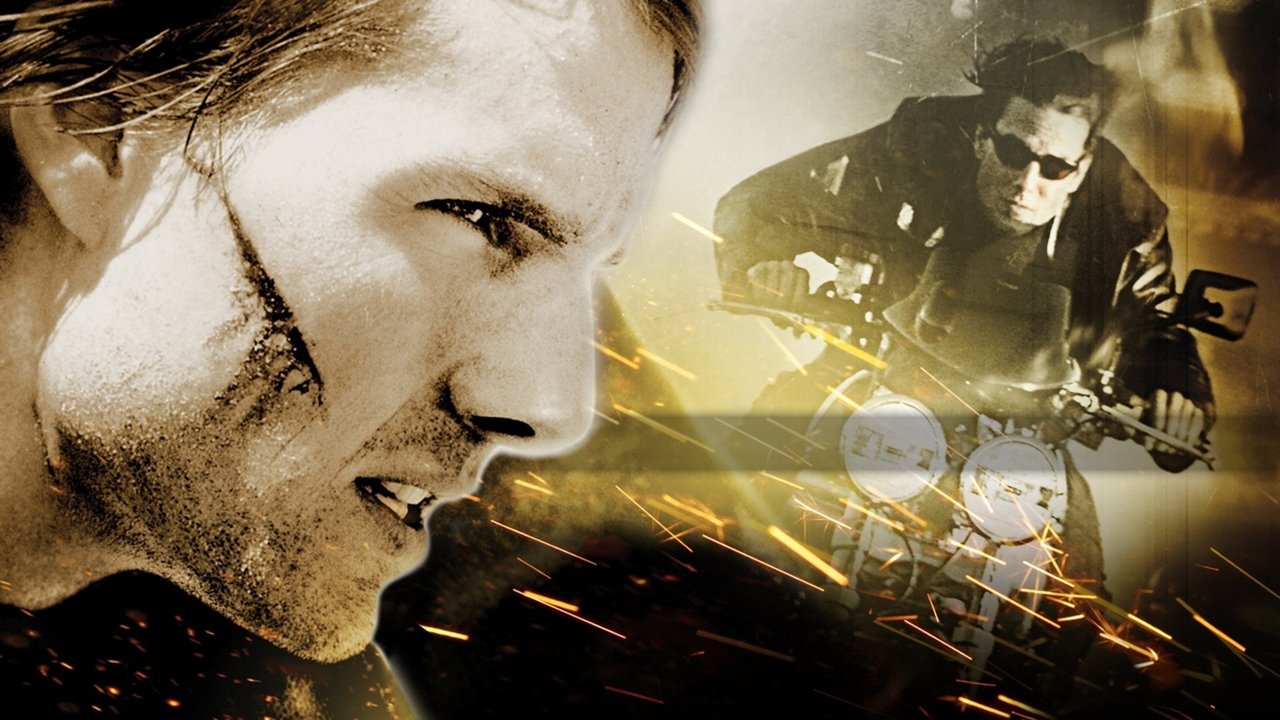
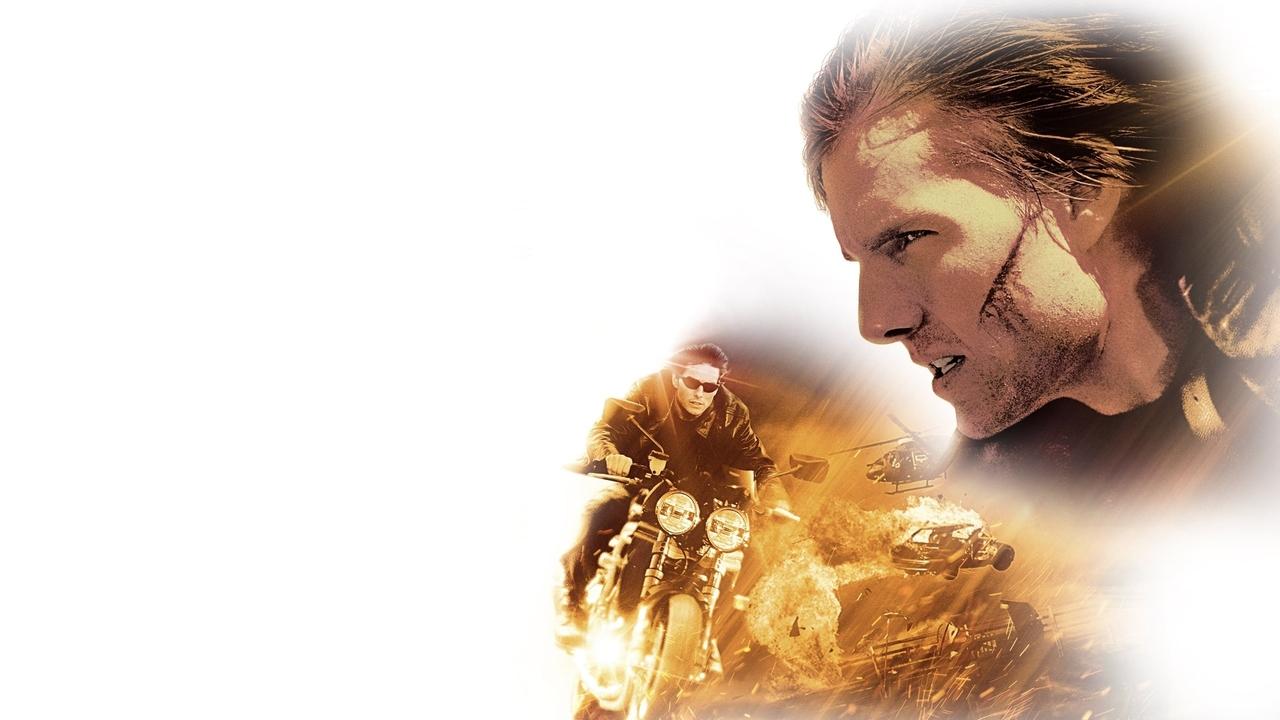
The action choreography in M:I-2 is where the film earns its keep. The climactic motorcycle chase is still a masterclass in "how much can we actually blow up?" We see Tom Cruise and Dougray Scott playing "chicken" on Triumph Speed Triples, leaping into a mid-air collision that looks like a ballet. The practical effects are stunning—you can feel the heat of the fire and the crunch of the sand.
There’s a famous shot where a knife comes within millimeters of Tom Cruise’s eyeball. That wasn't CGI. It was a real knife attached to a cable, and Cruise insisted on it being that close to prove the reality of the threat. This is the moment the "Cruise Stunt Legacy" was born. While Ving Rhames returns as Luther Stickell to provide some much-needed groundedness, and Richard Roxburgh hammed it up as the henchman Hugh Stamp, the movie is undeniably the Tom Cruise show.
The film was a monstrous success, earning over $546 million and becoming the highest-grossing movie of 2000. While it’s often ranked lower by fans today because it lacks the ensemble "team" feel of the later Ghost Protocol or Fallout era, there’s something genuinely charming about its excess. It’s a movie that thinks it is the coolest thing to ever happen to celluloid, and that confidence is infectious.
Mission: Impossible II is a fascinating relic of a time when directors were allowed to be "too much." It’s indulgent, the plot is thinner than a piece of trace paper, and the romance is a bit melodramatic, but the craft on display is undeniable. If you can embrace the slow-mo doves and the Limp Bizkit riffs, it’s a high-octane blast of pure turn-of-the-century spectacle. It’s the loudest, shiniest bridge between the thrillers of the 90s and the stunt-spectaculars of today.
Keep Exploring...
-
Mission: Impossible
1996
-
Mission: Impossible III
2006
-
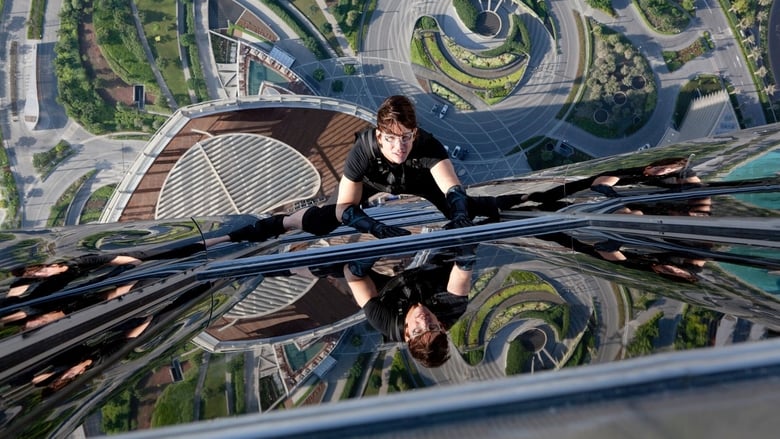
Mission: Impossible - Ghost Protocol
2011
-
Mission: Impossible - Dead Reckoning Part One
2023
-

Paycheck
2003
-

Broken Arrow
1996
-
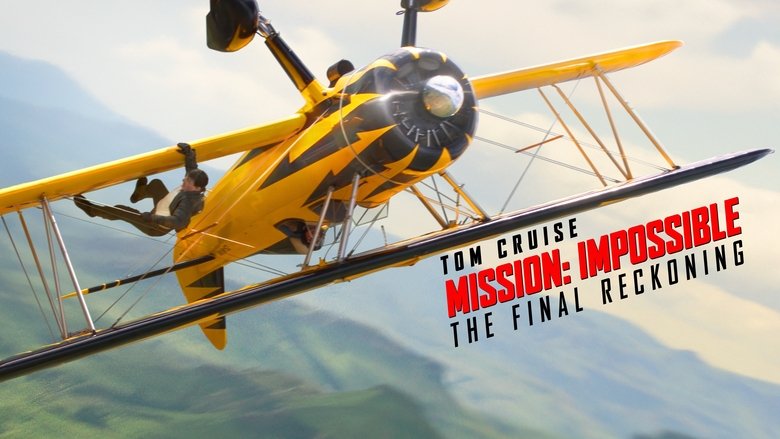
Mission: Impossible - The Final Reckoning
2025
-

Mission: Impossible - Rogue Nation
2015
-
Mission: Impossible - Fallout
2018
-
Armageddon
1998
-

Jurassic Park III
2001
-
Planet of the Apes
2001
-
xXx
2002
-

The Matrix Reloaded
2003
-

National Treasure
2004
-
Red Cliff
2008
-

War of the Worlds
2005
-
GoldenEye
1995
-
Tomorrow Never Dies
1997
-
Die Another Day
2002