Mission to Mars
"The red planet has a familiar face."

I remember finding a dusty copy of Mission to Mars in a bargain bin at a Suncoast Video back when malls were still the center of the universe. I was wearing a ridiculously itchy wool turtleneck that my mom insisted was "fashionable," and I spent the entire bus ride home reading the back of the case, wondering how the guy who directed Scarface (1983) and Mission: Impossible (1996) ended up making a movie based on a Disney World theme park ride.
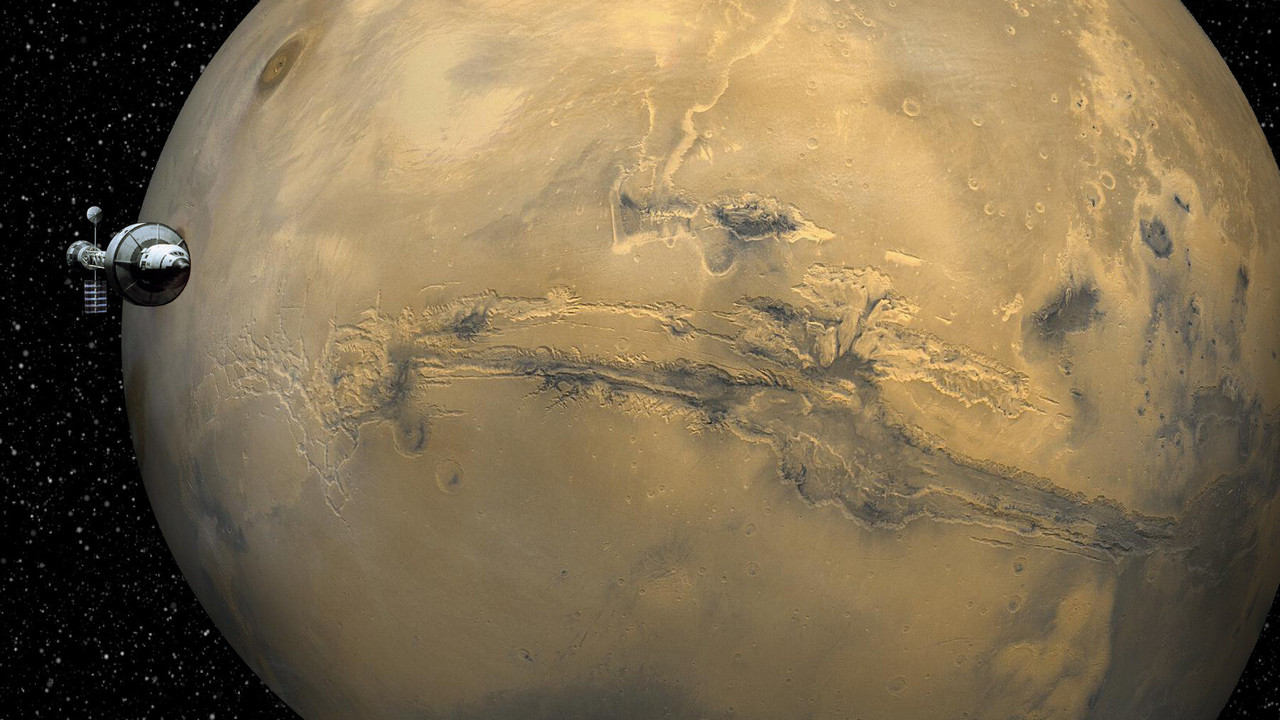
Looking back, Brian De Palma taking on a hard-sci-fi epic for Touchstone Pictures is one of the strangest creative pivots of the Y2K era. It’s a film caught between two worlds: the old-school, steady-handed craftsmanship of 1970s cinema and the dizzying, often clumsy infancy of the CGI revolution. It’s a movie that tries to be 2001: A Space Odyssey but occasionally settles for being a very expensive episode of The Twilight Zone.
The De Palma Touch in Deep Space
The first thing that struck me upon rewatching this is how much it doesn't look like a modern Marvel movie. There’s an incredible, sweeping long take early on—a classic De Palma move—that glides through a pre-launch backyard barbecue. It establishes the camaraderie between Gary Sinise, Tim Robbins, and Don Cheadle with a fluid grace that digital filmmaking has largely traded for rapid-fire editing. Sinise plays Jim McConnell, a man grounded by grief, and he brings a quiet, soulful gravity to a role that could have been a cardboard cutout.
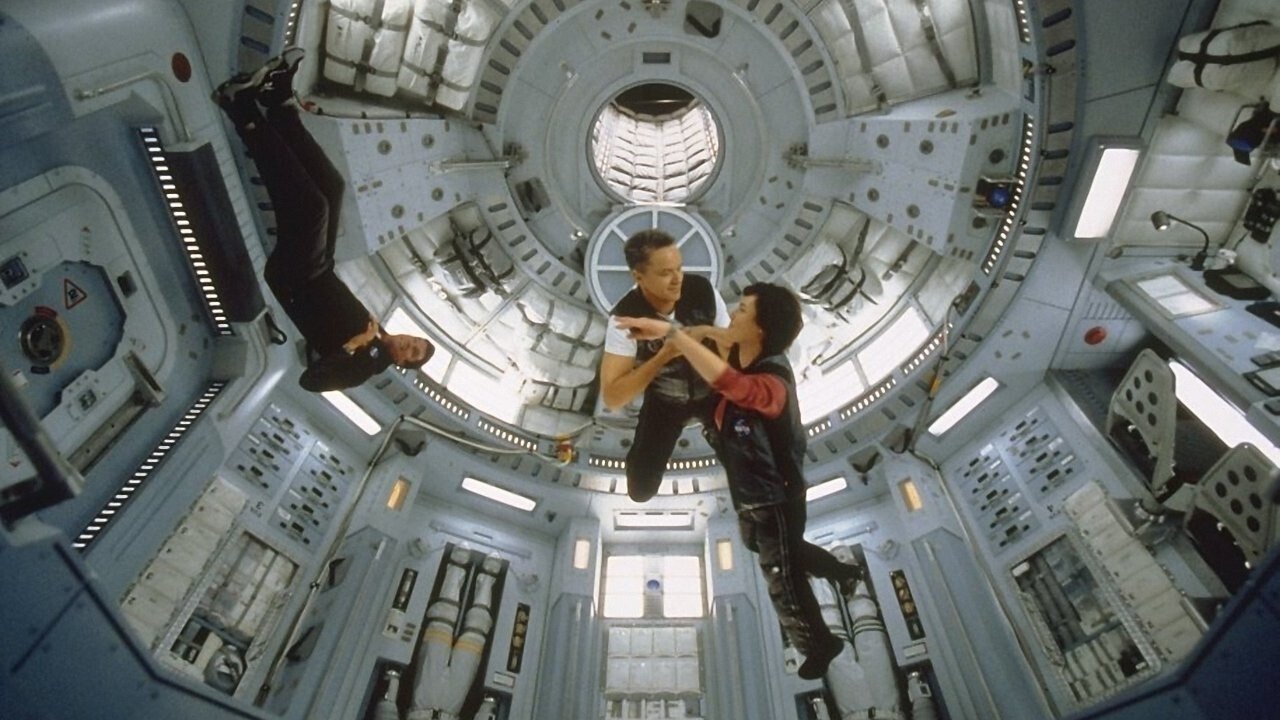
When the mission inevitably goes sideways on Mars, the "mystery" element kicks in. Don Cheadle’s Luke Graham is left stranded after a sentient sandstorm—which, let's be honest, looks like a swarm of angry digital bees—decimates his crew. The rescue mission that follows features some genuinely tense sequences. The scene where the crew has to abandon ship and navigate a tethered spacewalk is a masterclass in spatial suspense. Tim Robbins and Connie Nielsen sell the physics of the vacuum with a desperation that feels tangible, even when the green-screen edges start to shimmer.
Morricone, Pipe Organs, and Martian DNA
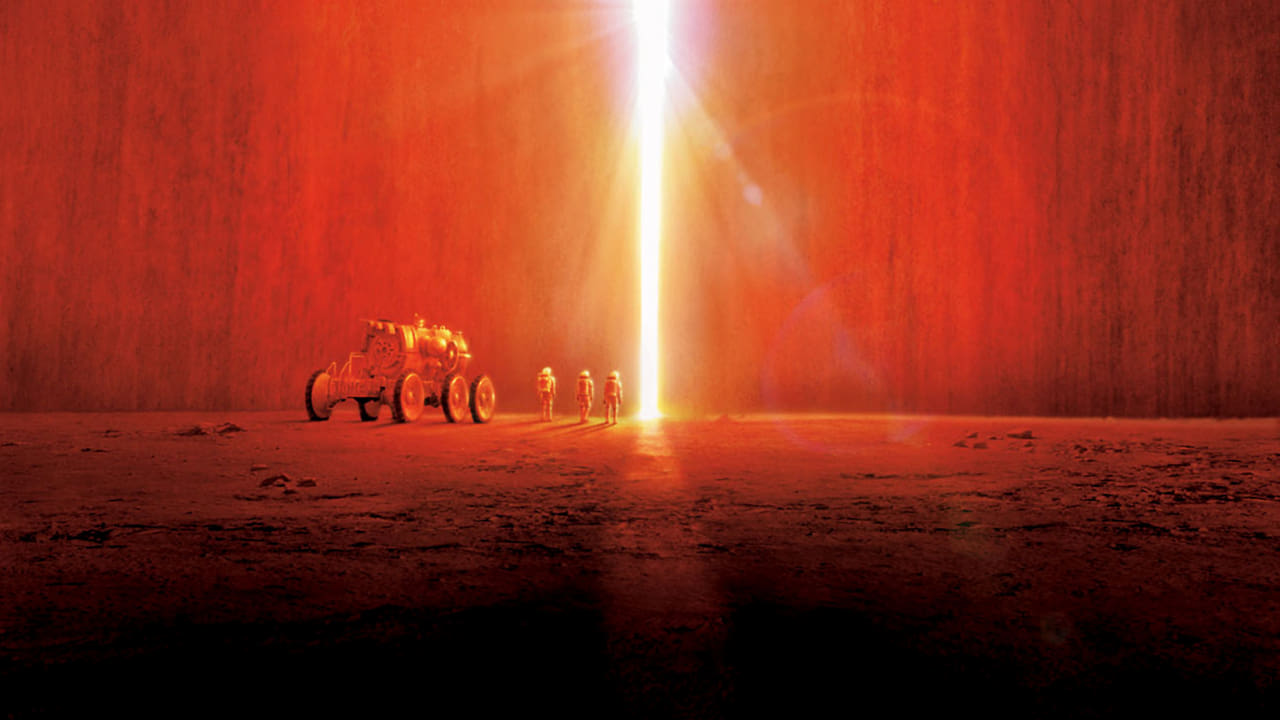
We have to talk about the score. Ennio Morricone (the legend behind The Good, the Bad and the Ugly) decided to score a high-tech space movie primarily with… a pipe organ. It is a wild, counter-intuitive choice that I’ve grown to adore. Most sci-fi scores of the late 90s were chasing the techno-synth vibe of The Matrix, but Morricone goes full Gothic cathedral. It gives the film a religious, almost elegiac tone that elevates the drama, even when the script by Jim Thomas and Graham Yost (who wrote Speed) leans into some pretty clunky "Let me explain the science to you" dialogue.
The film's middle act is surprisingly "hard" sci-fi. They deal with hull breaches, atmospheric pressure, and the grueling reality of long-distance travel. But then we get to the third act, and De Palma takes a hard left turn into the "Face on Mars" mythology. This is where the CGI revolution of the early 2000s shows its age. The climactic encounter involves a Martian entity that looks like a discarded screensaver from a Windows 98 trial disc. It’s ambitious, sure, but it lacks the tactile wonder of the practical effects seen earlier in the film.
A Time Capsule of Pre-9/11 Optimism
There’s a certain sweetness to Mission to Mars that felt dated only a year after its release. It’s a pre-9/11 film through and through—earnest, hopeful about first contact, and convinced that humanity’s greatest strength is our collective curiosity. It lacks the cynicism of modern sci-fi like Ad Astra or even the survivalist grit of The Martian. In 2000, we were still obsessed with Y2K and the "Millennium," looking toward the stars with a sense of wonder that felt reachable.
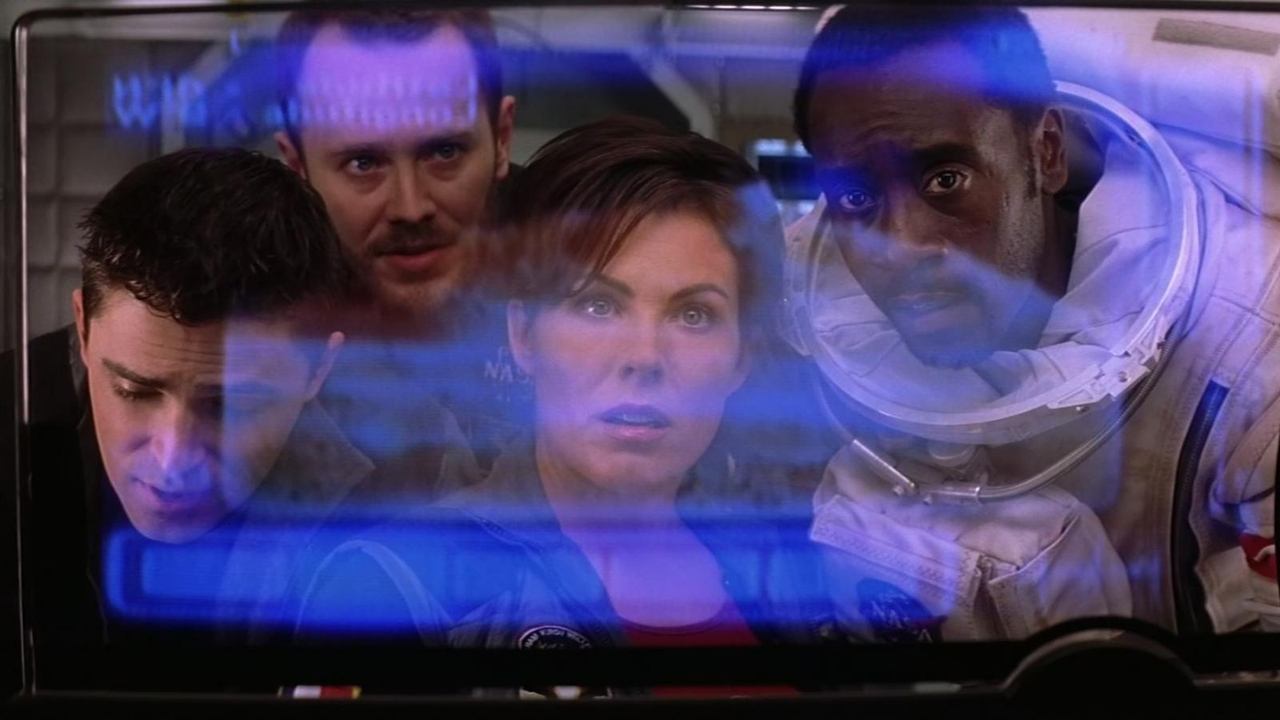
The film famously flopped and was largely overshadowed by the grittier, messier Red Planet released the same year. While it’s easy to poke fun at the "Face on Mars" reveal or Jerry O'Connell’s slightly-too-energetic performance as the comic relief, I find myself defending the film’s sheer technical ambition. Stephen H. Burum’s cinematography is gorgeous, capturing the cold indifference of space and the oppressive red dust of Mars with equal brilliance. It’s a "flawed gem" in the truest sense—a movie where the director’s ego and the studio’s budget are constantly wrestling for control of the joystick.
Mission to Mars is a fascinating relic of a transitional period in Hollywood. It showcases a legendary director trying to find his footing in a digital landscape that wasn't quite ready for his vision. I’d recommend it for the Morricone score and the nail-biting spacewalk sequence alone, even if the ending feels like it was ghost-written by a New Age greeting card. It’s a reminder that sometimes, even a "failure" from a master filmmaker is more interesting than a safe success from a committee.

Keep Exploring...
-

Paycheck
2003
-
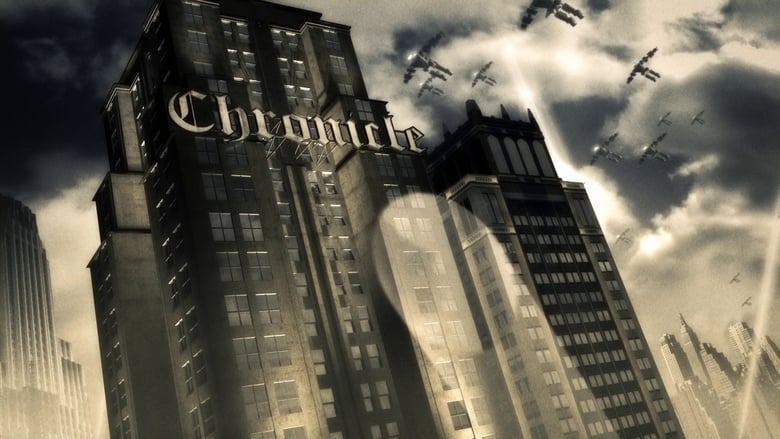
Sky Captain and the World of Tomorrow
2004
-
Snake Eyes
1998
-
Escape from L.A.
1996
-
The Postman
1997
-
The Saint
1997
-
Sphere
1998
-
Star Trek: Insurrection
1998
-

Mystery Men
1999
-
Titan A.E.
2000
-
Final Fantasy: The Spirits Within
2001
-
Osmosis Jones
2001
-
Star Trek: Nemesis
2002
-
Timeline
2003
-

Sahara
2005
-

Prometheus
2012
-
Oblivion
2013
-
Jimmy Neutron: Boy Genius
2001
-
The Forgotten
2004
-

The Jacket
2005