O Brother, Where Art Thou?
"Gopher for dinner, a treasure for the taking."
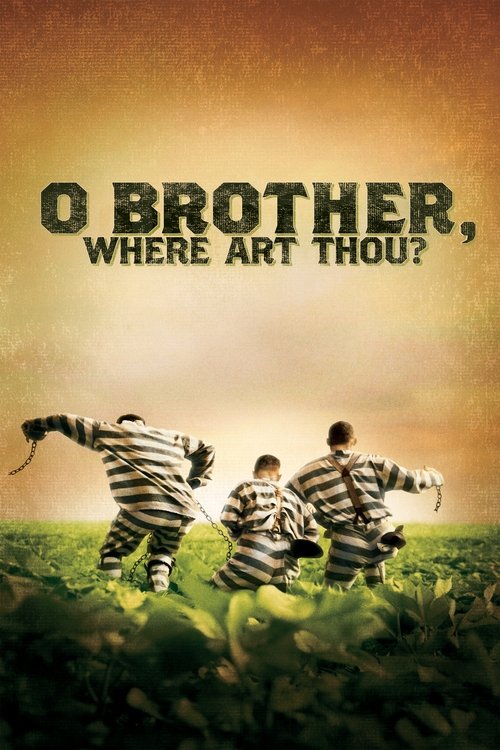
I distinctly remember watching O Brother, Where Art Thou? for the first time on a boxy CRT television at my uncle’s house. The air conditioner in the window was rattling so violently it sounded like a jackhammer, forcing me to turn the volume up to neighborhood-waking levels just to catch the dialogue. Looking back, that chaotic, humid environment was probably the perfect way to experience the Coen brothers’ dusty, sweat-soaked masterpiece.
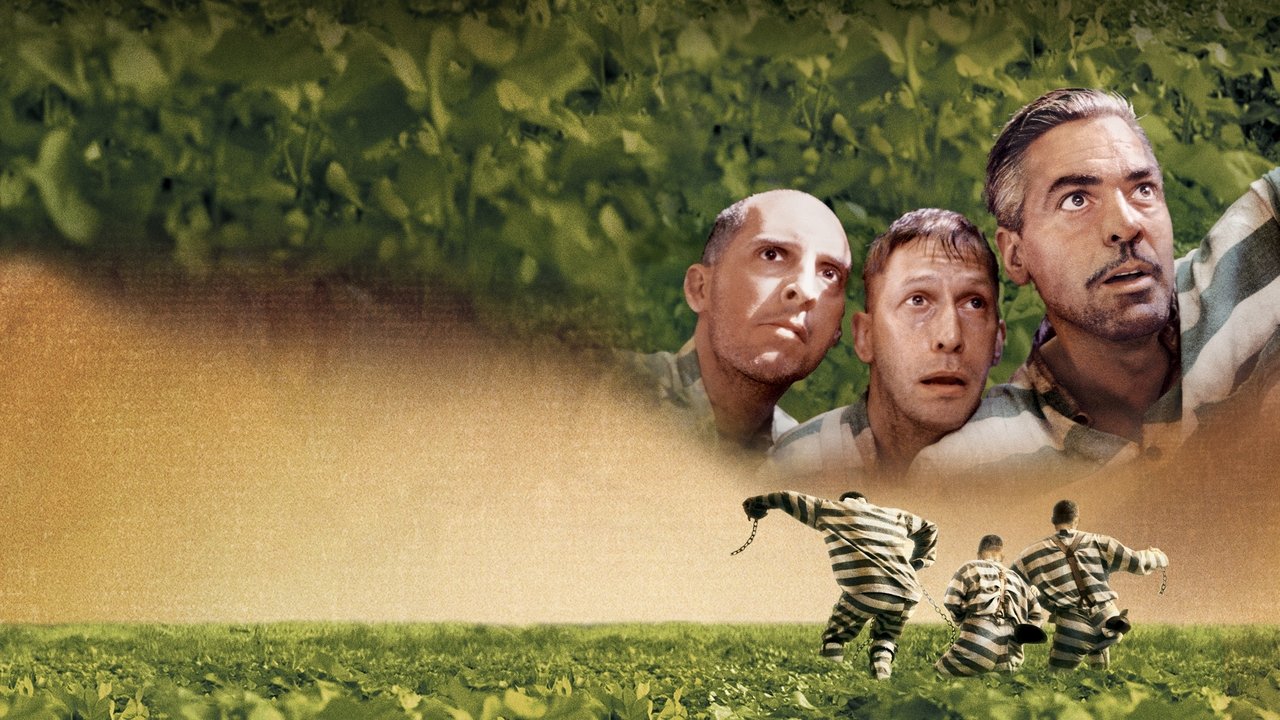
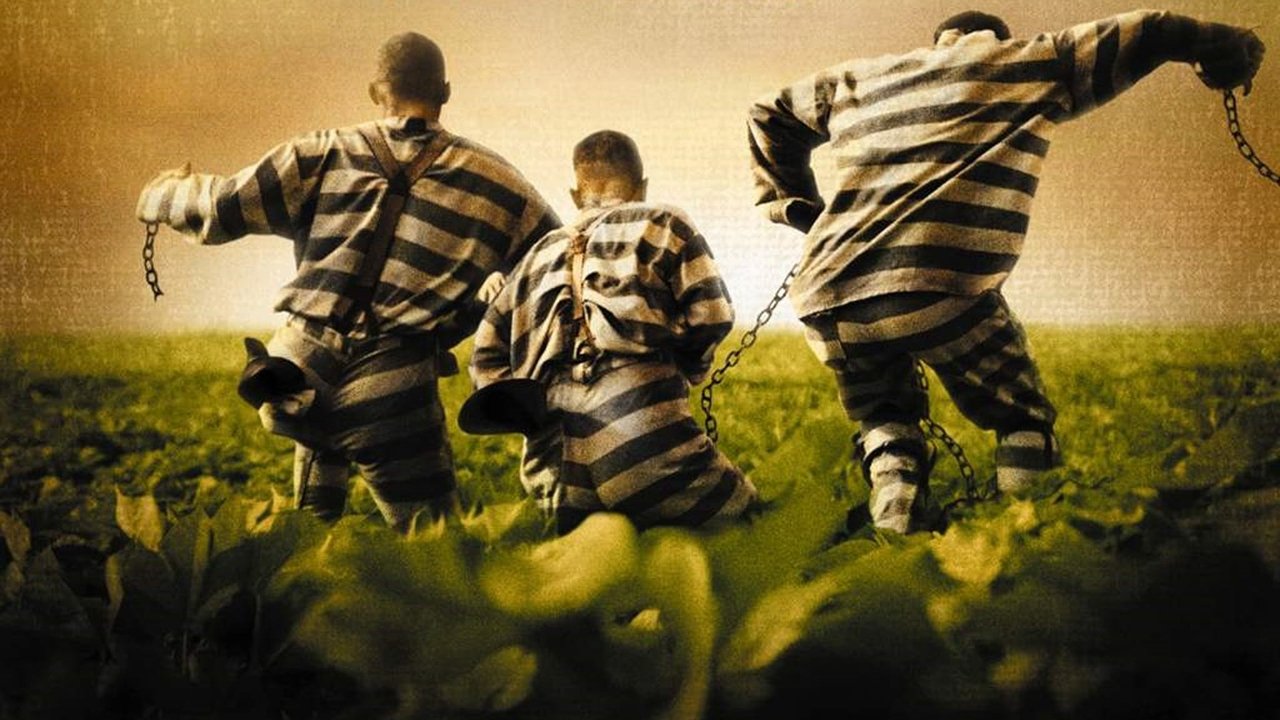
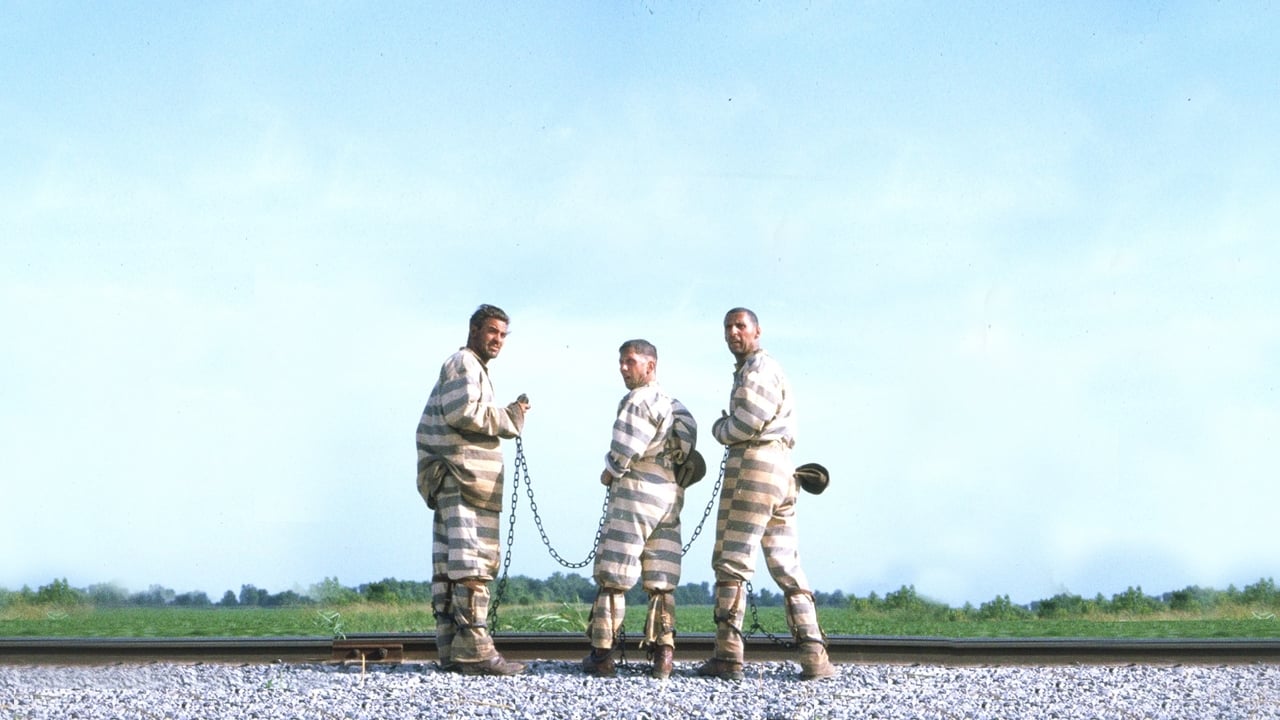
There is something undeniably magnetic about a movie that starts with three men chained together running through a cornfield and somehow ends up being a loose adaptation of Homer’s The Odyssey. It’s a film that shouldn't work—a 1930s period piece adventure-comedy-musical hybrid—and yet, it’s arguably the most rewatchable entry in the Joel Coen and Ethan Coen filmography.
The First Digital Odyssey
One of the things I love most about revisiting this era of cinema (roughly 1990-2014) is seeing the exact moment technology changed the game. O Brother is a pioneer in this regard, though you’d never know it by looking at its rustic, sepia-toned aesthetic. This was actually the first feature film to be entirely color-graded digitally.
Roger Deakins, the legendary cinematographer (who also shot The Shawshank Redemption and later Blade Runner 2049), couldn't find a location in Mississippi that looked "dusty" enough because the grass was too green. So, they scanned the film into a computer and digitally tweaked every frame to give it that parched, golden-hour glow. It was a massive gamble at the time, but it created a visual language that feels like an old tintype photograph come to life. It’s an adventure that feels like it’s taking place inside a memory of a memory.
The Trio and the "Bona Fide" Charm
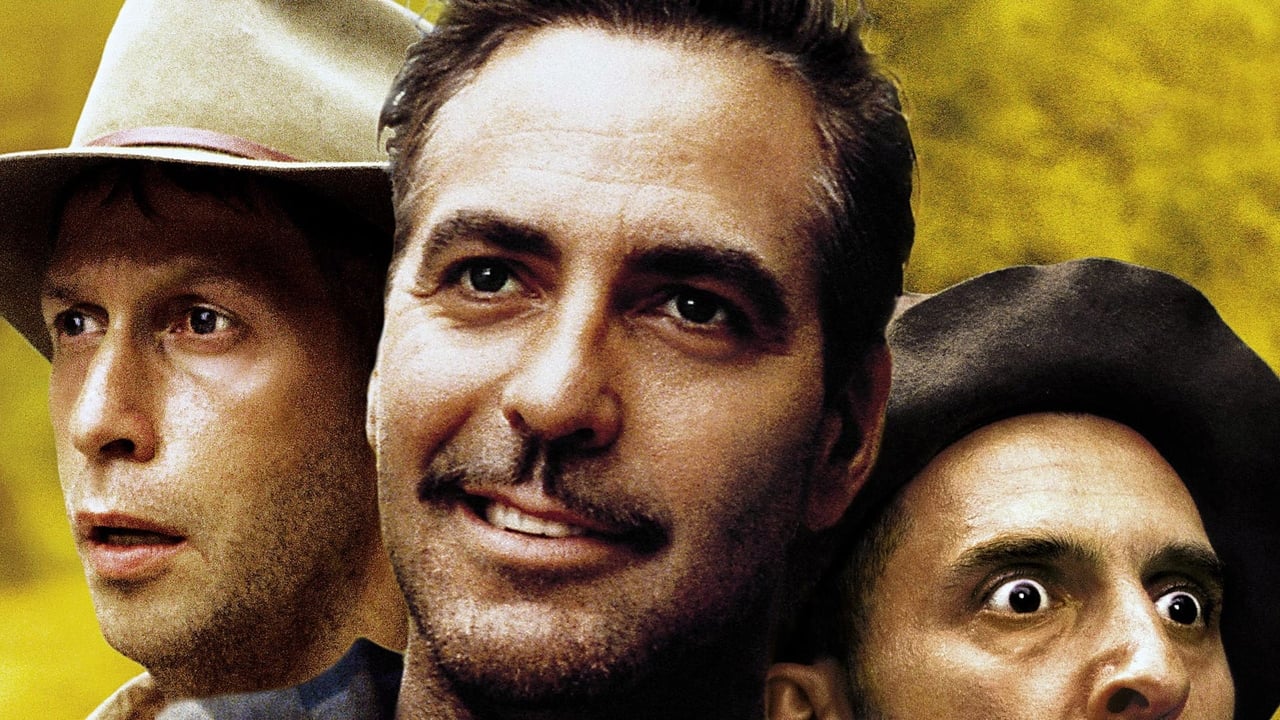
At the center of this Odyssey is Ulysses Everett McGill, played by George Clooney in what I consider his transition from "TV doctor" to "Full-Blown Movie Star." George Clooney’s face is doing 70% of the comedic heavy lifting here, and the other 30% is John Turturro’s increasingly frazzled eyebrows. Clooney plays Everett with a fast-talking, pomade-obsessed vanity that is constantly being undercut by his own incompetence.
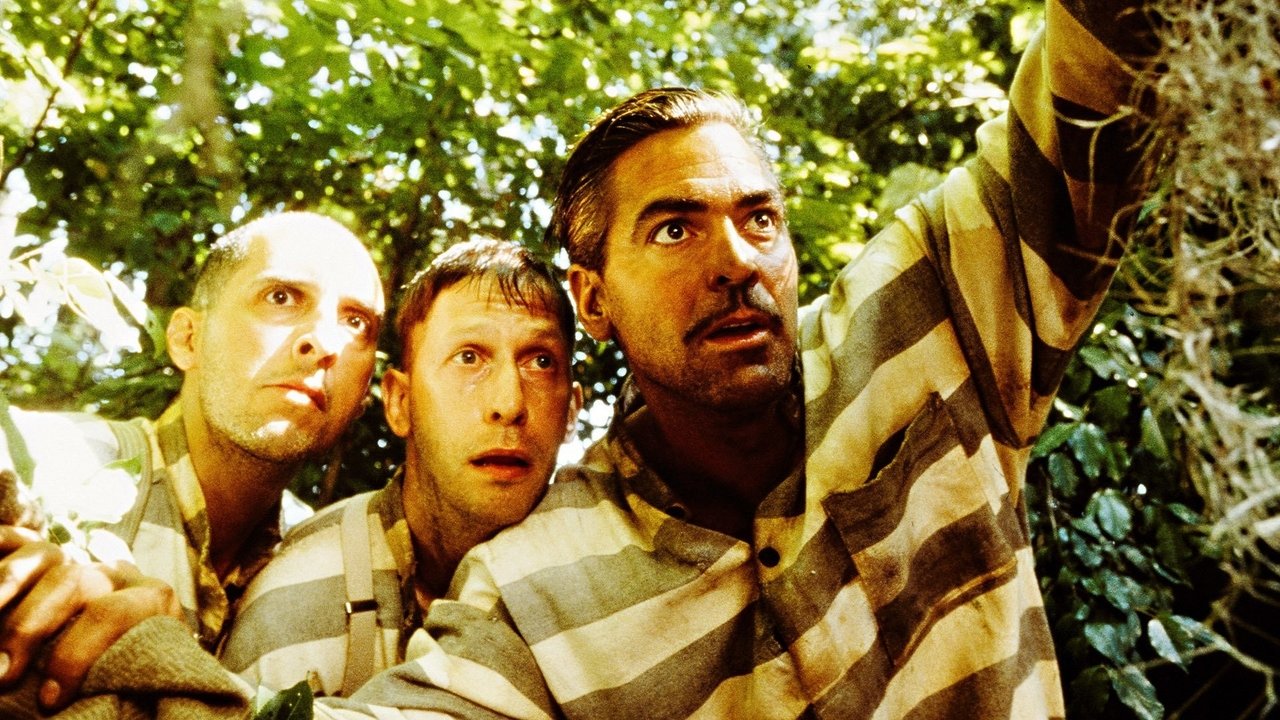
Beside him are John Turturro as the high-strung Pete and Tim Blake Nelson as the delightfully dim-witted Delmar. Their chemistry is the engine of the film. Whether they are getting "turned into a toad" by sirens at a river or accidentally recording a hit record for five dollars, their camaraderie feels earned. They are losers, certainly, but they are our losers. I’ve always appreciated how the Coens give their characters such specific, rhythmic dialogue—lines like "We’re in a tight spot!" or "He’s a suitor!" became instant staples in my vocabulary.
The supporting cast is just as stacked. John Goodman (who we all know from The Big Lebowski) shows up as a one-eyed Bible salesman who serves as the film’s Cyclops, and he is terrifyingly hilarious. Holly Hunter brings a sharp, no-nonsense energy as Everett’s "bona fide" wife, Penny, who has absolutely no time for his nonsense.
The Soundtrack That Changed Everything
You can’t talk about O Brother without talking about the music. Produced by T Bone Burnett, the soundtrack became a literal cultural phenomenon, winning the Grammy for Album of the Year and sparking a massive revival of American folk and bluegrass.
Apparently, the Coens didn't even start filming until the music was finished. They wanted the actors to hear the songs they’d be "singing" on set. While George Clooney practiced his singing for weeks, he eventually admitted that he just didn't have the pipes for it, and his voice was dubbed by country singer Dan Tyminski. Meanwhile, Tim Blake Nelson actually did sing his own part for "In the Jailhouse Now."
The scene where the "Soggy Bottom Boys" perform "I Am a Man of Constant Sorrow" in front of a segregated but cheering crowd is pure cinematic joy. It’s one of those rare moments where the adventure, the comedy, and the music all collide into something that feels truly legendary. It captures that "Indie Renaissance" spirit of the late 90s and early 2000s, where filmmakers were allowed to be weird, specific, and deeply personal.
A Myth in the Mud
What's funniest to me is that Joel Coen and Ethan Coen reportedly hadn't even read The Odyssey when they wrote the script; they just knew the basic tropes through pop culture. That "lack of homework" actually helps the film. It doesn't feel like a stuffy literary adaptation; it feels like a tall tale told by a drunk uncle around a campfire.
Looking back, the film hasn't aged a day. The digital effects used to create the climactic flood or the CG-enhanced cows (yes, the cows were a big deal back then!) still look surprisingly solid because they are used to support the story rather than replace it. It’s a film that invites you in with its warmth and keeps you there with its wit. Whether you’re a fan of Greek mythology, folk music, or just watching three idiots try to find a treasure that might not exist, O Brother, Where Art Thou? is a journey worth taking every few years.
Ultimately, this is a film about the stories we tell ourselves to survive a "tight spot." It manages to be cynical about politics and religion while being completely sincere about the power of a good song and a reliable tin of Dapper Dan pomade. If you haven't seen it in a while, do yourself a favor: grab a drink, find a comfortable chair, and let the Soggy Bottom Boys serenade you through the hills of Mississippi. Just watch out for the sirens.
Keep Exploring...
-
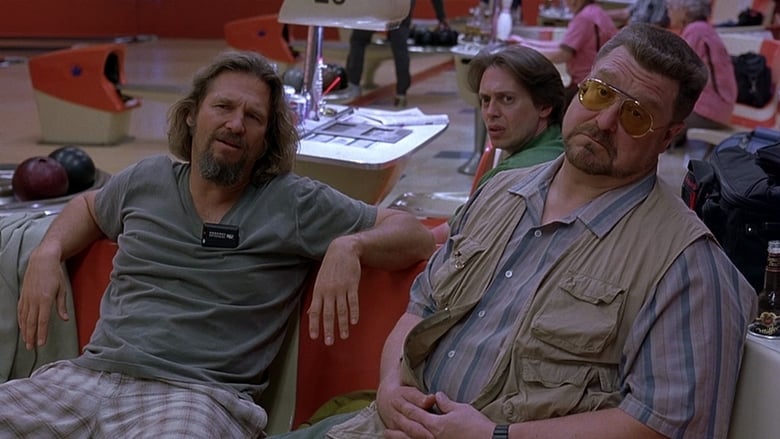
The Big Lebowski
1998
-
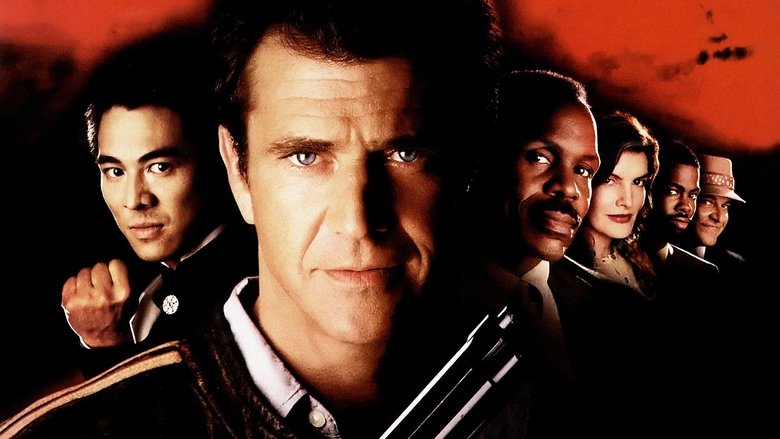
Lethal Weapon 4
1998
-

Taxi
1998
-
Intolerable Cruelty
2003
-
Raising Arizona
1987
-
Fantastic Mr. Fox
2009
-
Ace Ventura: When Nature Calls
1995
-
Burn After Reading
2008
-
Out of Sight
1998
-
The Man Who Wasn't There
2001
-

The Emperor's New Groove
2000
-
A Serious Man
2009
-

Austin Powers: International Man of Mystery
1997
-

Fear and Loathing in Las Vegas
1998
-
Dogma
1999
-
Bad Santa
2003
-
Fargo
1996
-

Miller's Crossing
1990
-
Barton Fink
1991
-
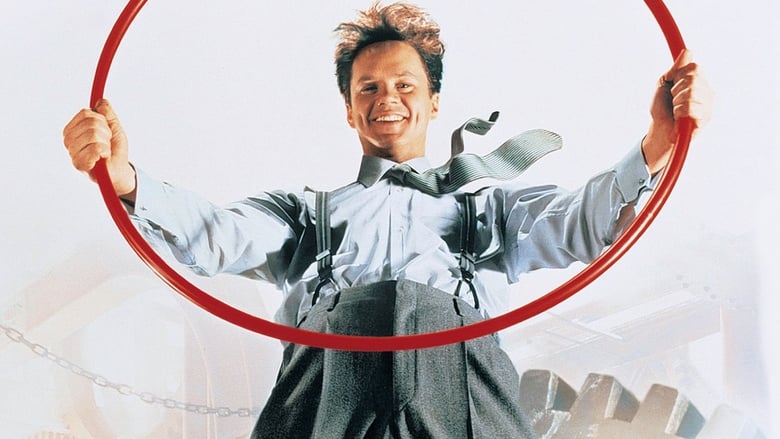
The Hudsucker Proxy
1994