Pay It Forward
"One favor down, the whole world to go."
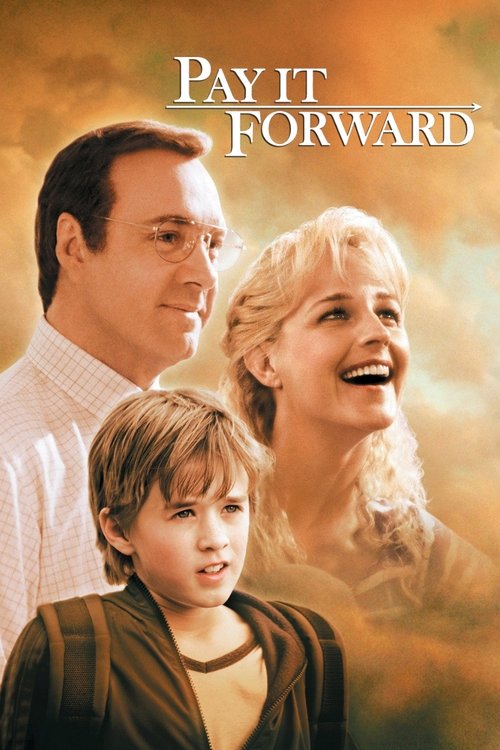
I remember the year 2000 as a peak era for the "earnest blockbuster." We hadn’t quite hit the cynical, post-9/11 malaise that would eventually define the decade's action and drama. Instead, we were riding a wave of high-concept sentimentality—think The Family Man or Patch Adams. I recently revisited Pay It Forward on a dusty DVD I found at a thrift store, and while I was watching it, my cat decided to knock a half-empty glass of lukewarm seltzer directly into my slipper. Honestly, that sudden cold shock was a perfect metaphor for how this movie treats its audience: it lures you in with warmth and then dumps a bucket of ice water on your head just because it can.
The Gospel of Haley Joel
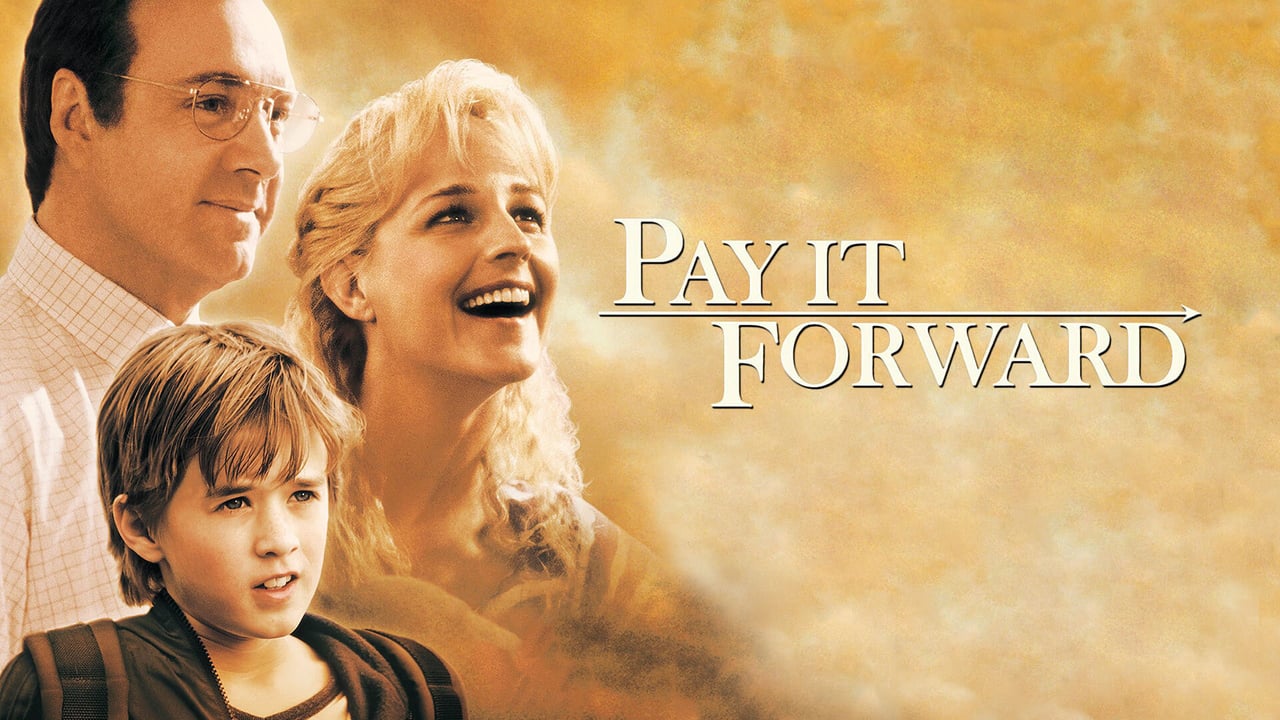
By the turn of the millennium, Haley Joel Osment was essentially the patron saint of cinematic vulnerability. Fresh off The Sixth Sense (1999), he brought a preternatural weight to Trevor McKinney, a kid who takes a social studies assignment way too seriously. His teacher, Eugene Simonet—played by Kevin Spacey with a rigid, intellectual distance—asks the class to come up with a way to change the world. Trevor’s solution is "Pay It Forward": do a massive favor for three people, and instead of them paying you back, they have to "pay it forward" to three others.
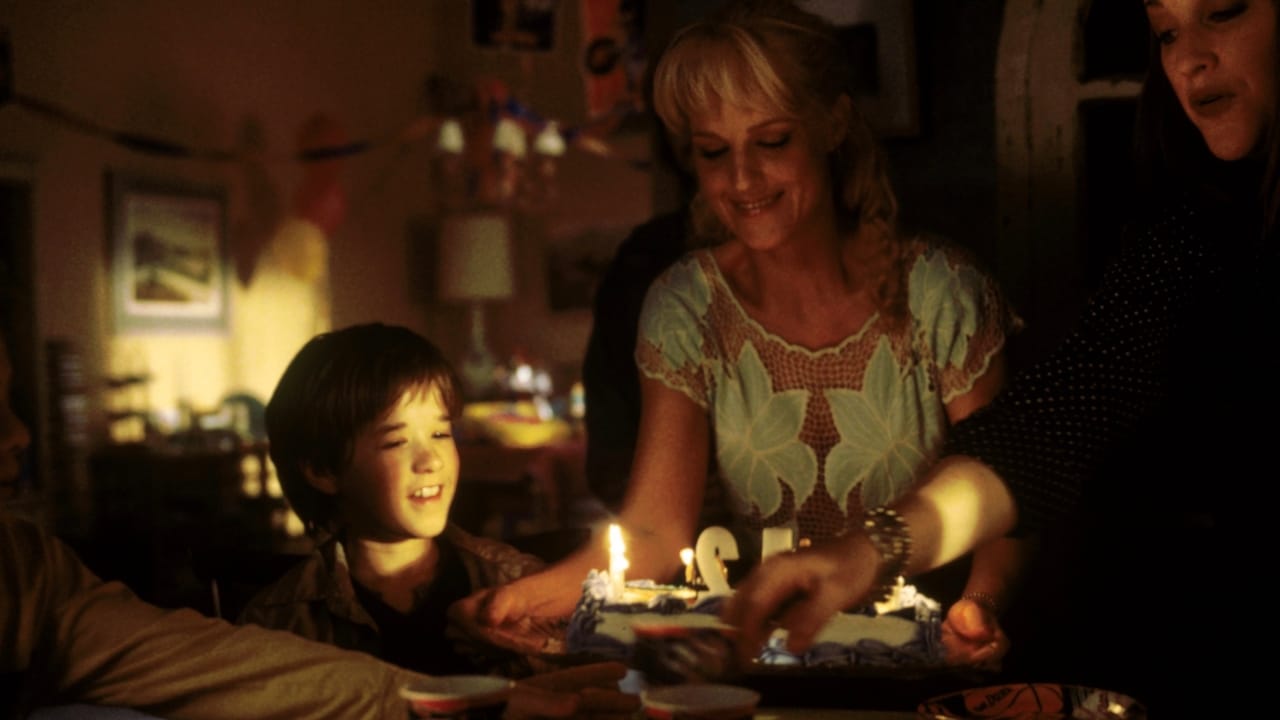
It’s a beautiful, utopian premise that actually sparked a real-world movement, but in the hands of director Mimi Leder (Deep Impact), the film feels like it’s constantly fighting its own sweetness. Haley Joel Osment is incredible here; he has this way of looking at adults with a mixture of pity and hope that feels entirely earned. He isn't playing a "movie kid"; he's playing a kid who has had to grow up way too fast because his mother, Arlene (Helen Hunt), is struggling with alcoholism and a string of bad choices.
A Masterclass in Misery-Lite
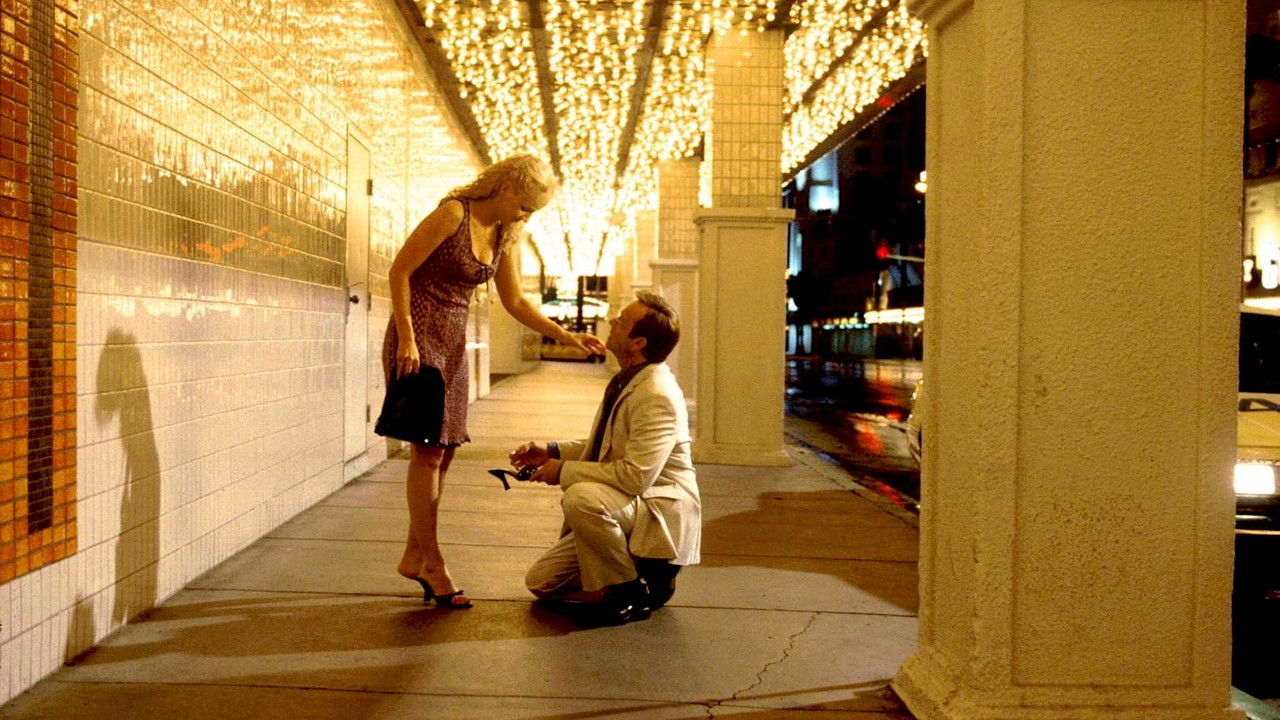
The chemistry between Kevin Spacey and Helen Hunt is fascinatingly awkward. Spacey's character is a man literally and figuratively scarred, covered in burn marks that the film reveals in a slow, dramatic DVD-extra-style rollout. Helen Hunt, coming off her As Good as It Gets (1997) momentum, plays Arlene with a jagged, nervous energy. She’s messy and defensive, and her scenes with Angie Dickinson (who plays her homeless mother, Grace) add a layer of intergenerational trauma that feels surprisingly gritty for a movie marketed as a feel-good holiday release.

However, the film suffers from a weirdly fractured structure. We keep cutting away to a journalist played by Jay Mohr (Jerry Maguire), who is trying to trace the "Pay It Forward" chain back to its source. These scenes feel like they belong in a completely different movie—a lighthearted detective caper that keeps interrupting a heavy domestic drama. It’s a classic example of the "multi-thread" narrative style that was popular in the late 90s but here it just kills the momentum. Every time I started to get invested in Trevor’s home life, we’d jump to Jay Mohr looking confused in a nice suit.
The Problem with the "Big Ending"
Looking back, Pay It Forward is the ultimate "Triple-Kleenex" movie, but it earns its tears through some pretty questionable tactics. The ending of this movie is essentially a drive-by emotional mugging. It’s a choice that feels less like a natural conclusion to the story and more like a studio-mandated attempt to ensure the film stayed in your head for weeks. In the era of DVD culture, this was the kind of movie you’d buy for your mom, only to have her call you crying and asking why you’d do that to her.
The supporting cast is a "who’s who" of the era’s character actors. Jim Caviezel shows up as a homeless man Trevor tries to help, and his performance is quiet and haunting—long before he became the face of The Passion of the Christ (2004). Even Jon Bon Jovi makes an appearance as Trevor’s deadbeat dad, which is perhaps the most "year 2000" casting choice imaginable.

Technically, the film is polished. Thomas Newman’s score does a lot of the heavy lifting, using those same plinky, ethereal piano notes he perfected in American Beauty (1999) to tell you exactly how to feel. But the script by Leslie Dixon feels like it’s trying to check too many boxes: it’s a romance, a social commentary, a tragedy, and an inspirational manifesto all at once. By trying to be everything, it ends up feeling a bit manipulative.
Pay It Forward is a fascinating relic of a time when Hollywood believed that a middle-schooler’s optimism could solve systemic poverty and addiction. It’s beautifully acted, especially by the central trio, but it’s weighed down by a plot that relies on too many coincidences and a finale that feels unnecessarily cruel. It’s the kind of film that makes you want to be a better person for about twenty minutes, until the credits roll and you realize you’ve just been emotionally manipulated by a very talented child and a man in prosthetic burn scars. Still, for a look at the transition from 90s sincerity to 2000s melodrama, it’s a journey worth taking—just keep your seltzer away from your slippers.
Keep Exploring...
-

G.I. Jane
1997
-

A Walk in the Clouds
1995
-

Hackers
1995
-
The Quick and the Dead
1995
-
The Craft
1996
-

Amistad
1997
-
Kiss the Girls
1997
-
Fallen
1998
-

Wild Things
1998
-
Blast from the Past
1999
-

The Thomas Crown Affair
1999
-
Finding Forrester
2000
-

The Gift
2000
-

Behind Enemy Lines
2001
-

Joy Ride
2001
-

Sweet November
2001
-

Enough
2002
-

Uptown Girls
2003
-

Raise Your Voice
2004
-

A Lot Like Love
2005