Remember the Titans
"Winning is easy. Change is hard."
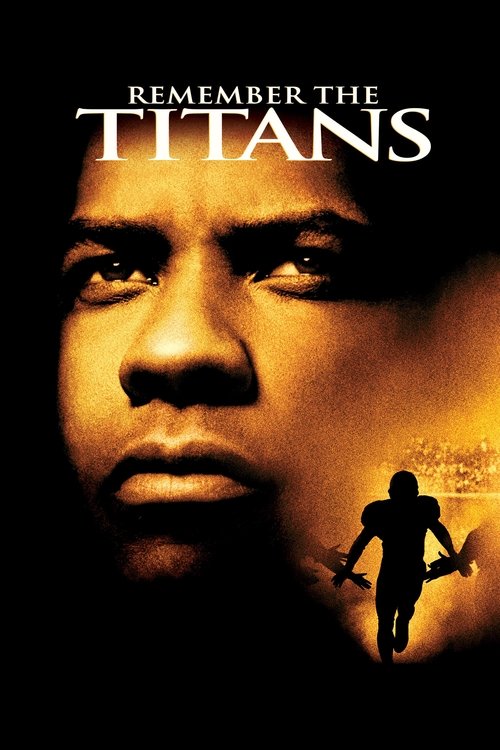
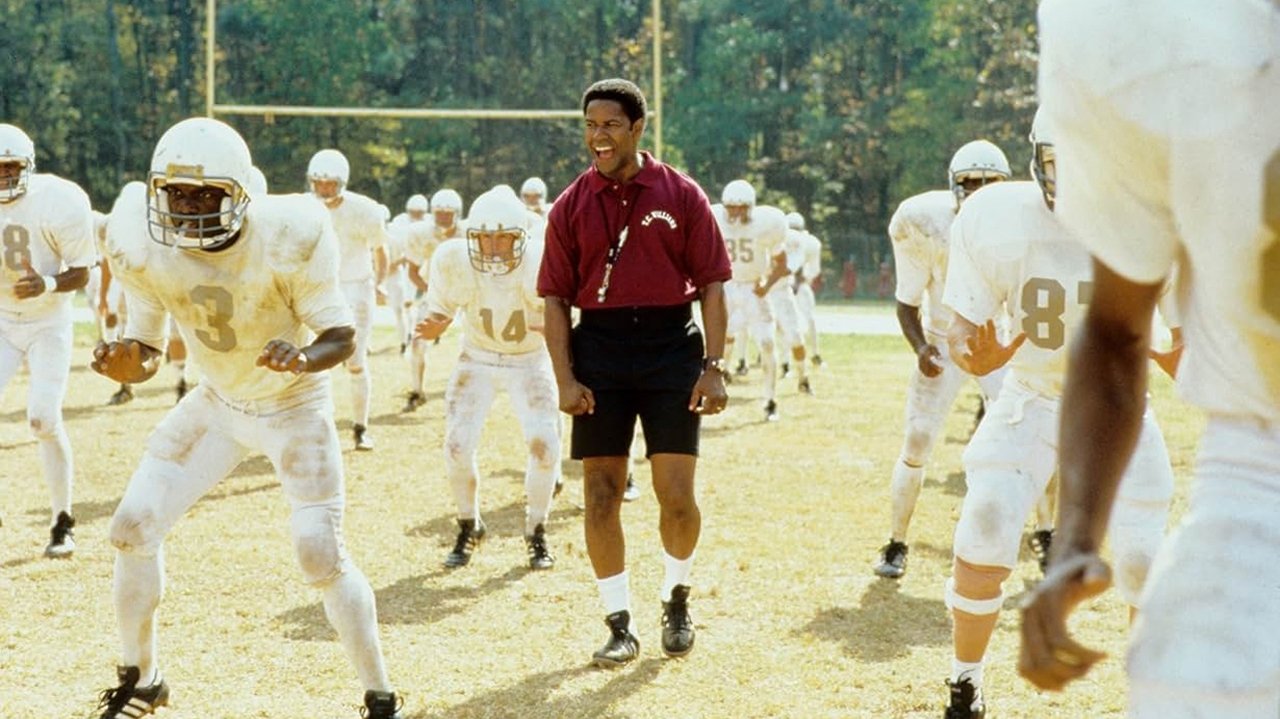
The 3:00 AM whistle in a Jerry Bruckheimer production usually signals an incoming fighter jet or a slow-motion explosion. In Remember the Titans, it signals something far more terrifying: Denzel Washington in a tracksuit. Released in the autumn of 2000, this film arrived at a peculiar crossroads in cinema. We were shaking off the tech-anxiety of Y2K and entering a decade of polished, high-gloss studio dramas that felt both massive and intimate. It was a time when a mid-budget football movie could command a $136 million box office return without a single superhero in sight.
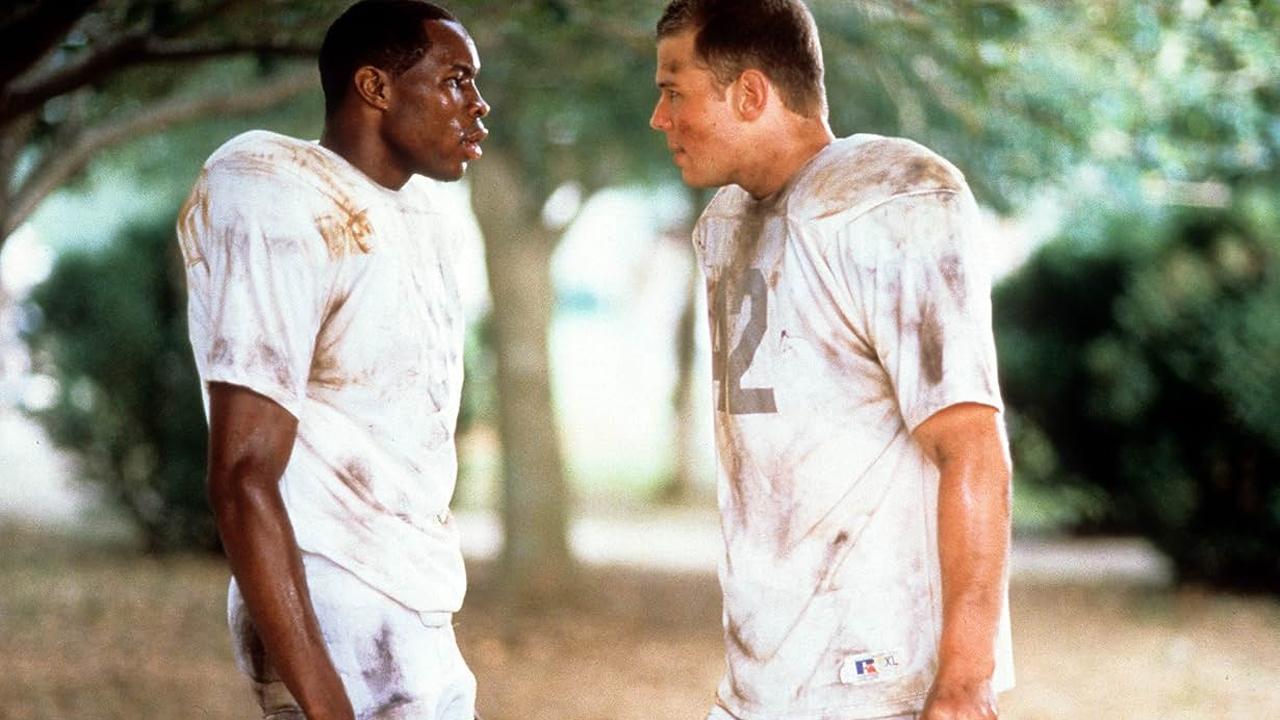
I revisited this recently on a humid Tuesday afternoon while snacking on some slightly stale pretzel sticks I found in the back of the pantry, and I was struck by how much the film functions as a philosophical inquiry disguised as a sports trope. While it wears the jersey of a standard "underdog" story, it’s actually a study on the mechanics of forced proximity and the ethics of leadership.
The Philosophy of the Whistle
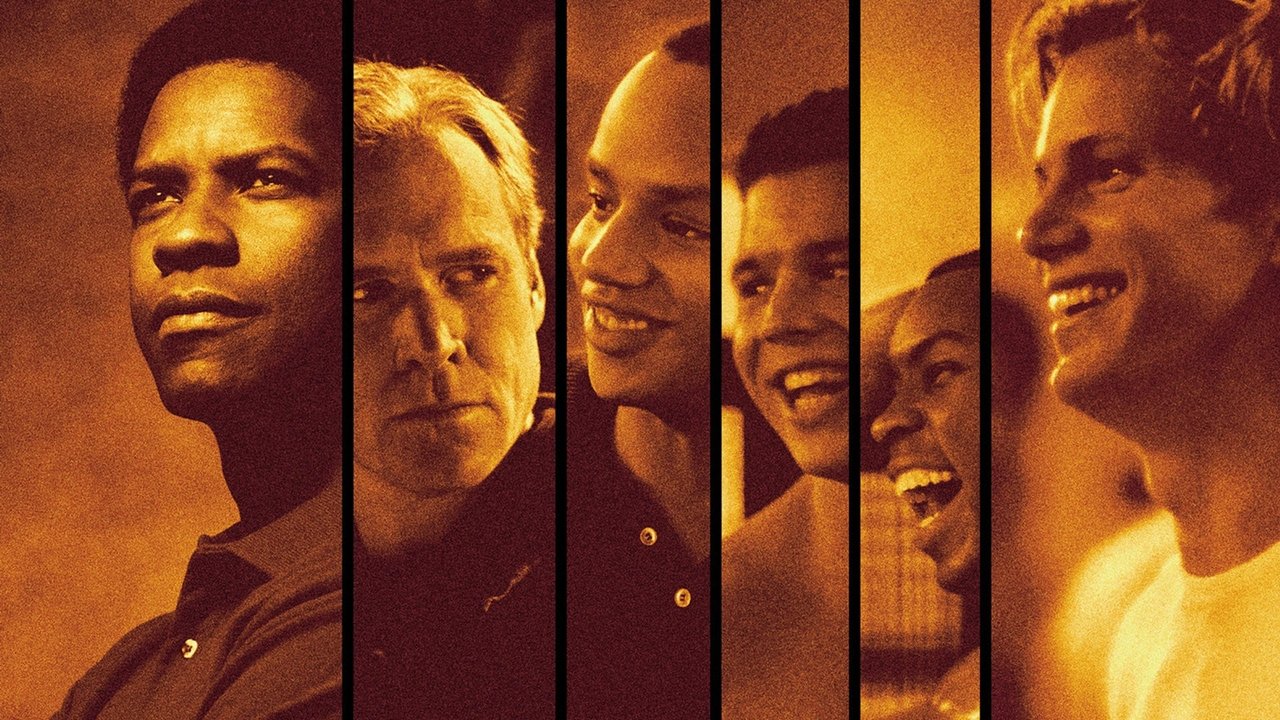
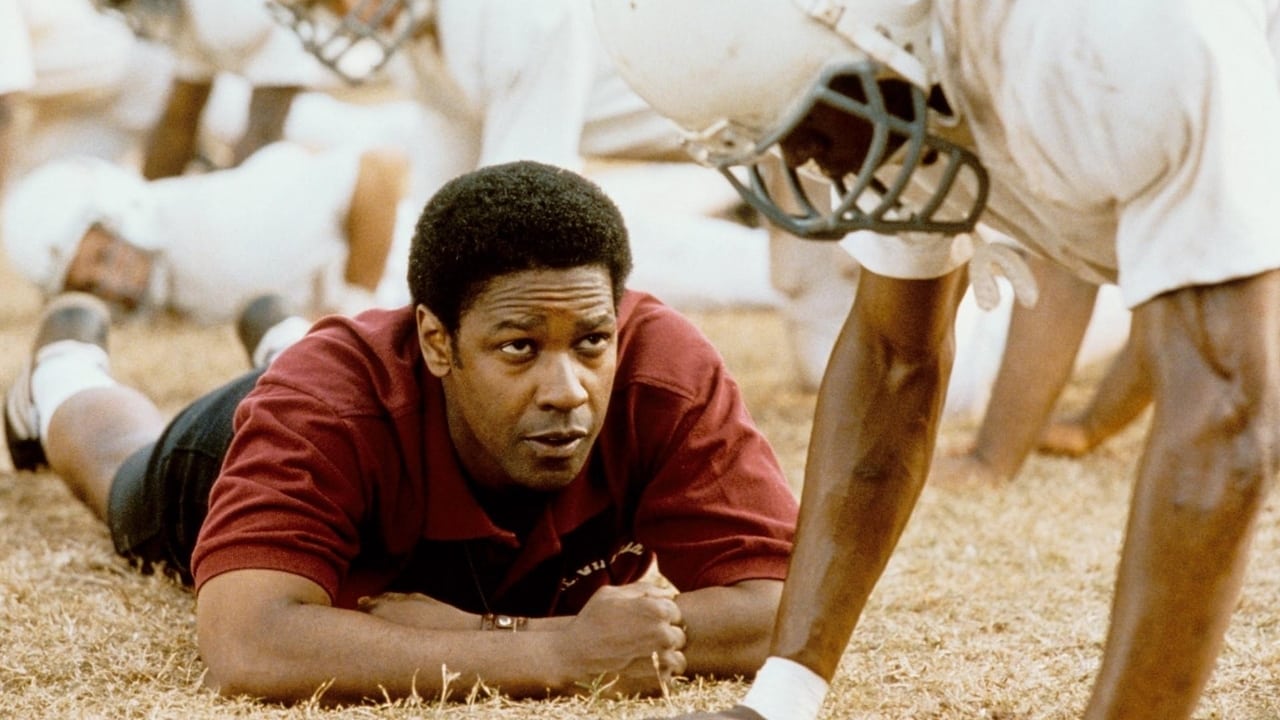
At its core, Remember the Titans isn’t really about the X’s and O’s of football. It’s a narrative experiment in social engineering. When Denzel Washington’s Herman Boone replaces Will Patton’s Bill Yoast, we aren't just watching a coaching change; we’re watching a clash of two distinct moral universes. Yoast represents the "Old Guard" of paternalistic, gentle guidance—the kind of leadership that keeps the peace but preserves the status quo. Boone, conversely, is a Machiavellian force of nature who understands that you cannot build a new house without breaking the old foundation.
The film's "Gettysburg" sequence is often cited for its emotional weight, but looking back, it’s a fascinating piece of visual rhetoric. Director Boaz Yakin (who previously gave us the gritty Fresh) uses the misty, blue-hued dawn to turn a historical battlefield into a purgatory where these teenagers must reckon with the ghosts of their ancestors. It’s a heavy-handed metaphor, sure, but it asks a genuine philosophical question: Is the hatred you’ve inherited worth more than the person standing next to you?
A Masterclass in High-Gloss Friction
The chemistry between Denzel Washington and Will Patton is the engine that keeps this from veering into after-school special territory. Washington, fresh off his powerhouse turn in The Hurricane, plays Boone with a rhythmic, staccato intensity that borders on the musical. He’s often terrifying, but he grounds the character in a visible weariness—the exhaustion of a man who knows he has to be twice as good to get half the respect.
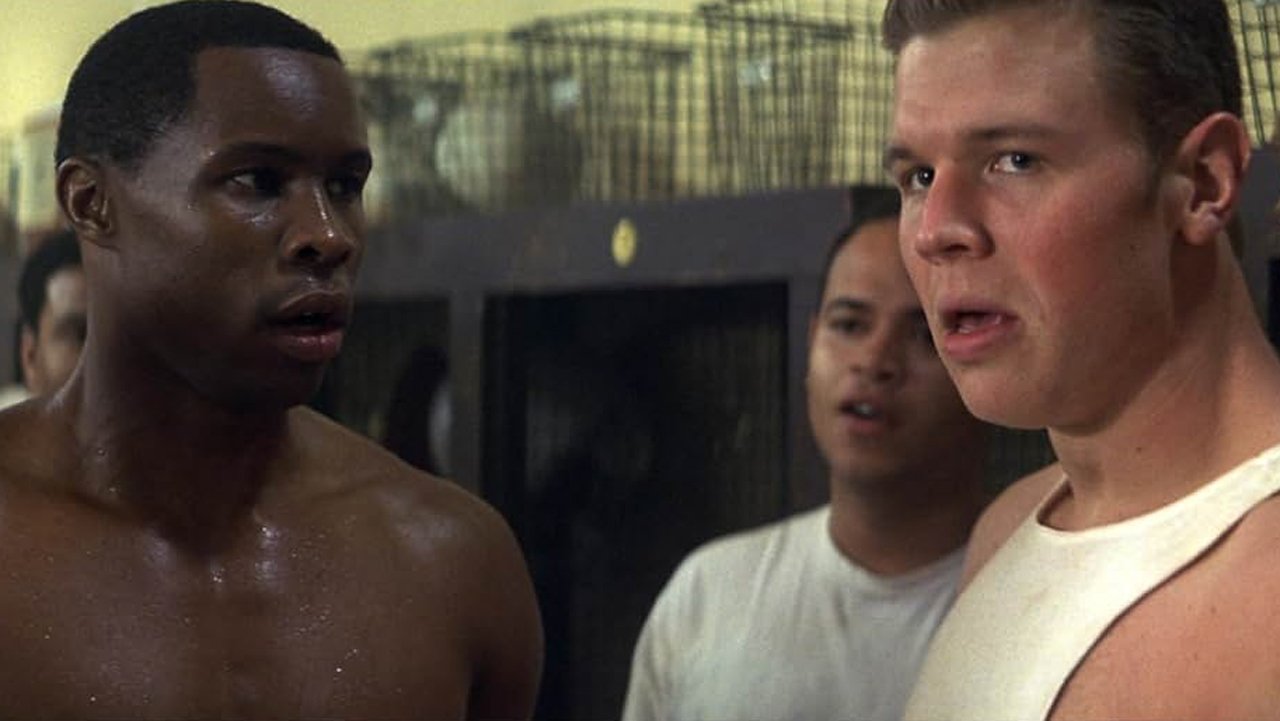
Then there’s the "Titan" brotherhood itself. Before he was a household name, Ryan Gosling was here providing comic relief and some truly questionable dance moves, but the real soul of the film belongs to the late Ryan Hurst as Gerry Bertier and Wood Harris (who would later define a generation of TV as Avon Barksdale in The Wire) as Julius Campbell. Their arc—from "Left side!" "Strong side!" to a genuine, soul-deep friendship—is handled with a sincerity that contemporary films often shy away from. Boone’s coaching style essentially suggests that world peace can be achieved if we all just do up-downs until we vomit, and honestly, watching Harris and Hurst, I almost believe him.
The cinematography by Philippe Rousselot (A River Runs Through It) avoids the grainy realism of 70s cinema in favor of a vibrant, saturated palette. This was the hallmark of the early 2000s blockbuster: everything felt a little bigger, a little cleaner, and a lot more heroic than reality. It’s the cinematic equivalent of a warm hug that occasionally punches you in the gut.
The $136 Million Huddle
It’s easy to forget how much of a cultural juggernaut this was. With a $30 million budget, it was a massive gamble on a script by Gregory Allen Howard that had been floating around for years. The DVD release was a staple of my college years, often accompanied by "Special Edition" features that broke down the real-life history of T.C. Williams High School. While the film takes significant liberties with the timeline (the school actually integrated years earlier), its cultural impact was undeniable.
The soundtrack, a curated blast of Motown and classic rock, became almost as famous as the movie itself. From "Na Na Hey Hey Kiss Him Goodbye" to "Ain't No Mountain High Enough," the music serves as a rhythmic glue, reminding us that shared culture is often the first bridge across a social divide.
In retrospect, Remember the Titans represents a peak in the "Disney Drama" era—a film that manages to be a commercial powerhouse while still grappling with the jagged edges of American identity. It’s polished, yes, but underneath that Bruckheimer sheen is a heart that still beats with a very real, very human intensity.
The film earns its sentimentality because it doesn't pretend that change is easy or painless. It shows us that while history is indeed written by the winners, the real victory isn't found on the scoreboard, but in the quiet, difficult moments when two people decide to stop being "us" and "them." It remains a top-tier example of how a studio blockbuster can have both a massive brain and an even bigger heart.
Keep Exploring...
-

Uptown Girls
2003
-
The Bridges of Madison County
1995
-
The Passion of the Christ
2004
-
Brokeback Mountain
2005
-
Malcolm X
1992
-
Moulin Rouge!
2001
-

Hero
2002
-
John Q
2002
-
A Few Good Men
1992
-
Philadelphia
1993
-
Apocalypto
2006
-

Inside Man
2006
-

Little Miss Sunshine
2006
-
The Reader
2008
-
The Blind Side
2009
-
Flight
2012
-
A Little Princess
1995
-
Boogie Nights
1997
-
Selena
1997
-
Fallen
1998