Requiem for a Dream
"The downward spiral has never looked so beautiful."
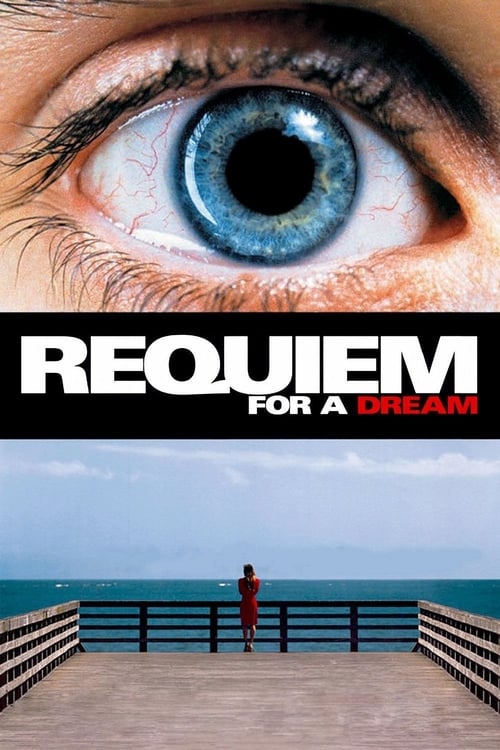
The sound of a dilating pupil shouldn't be so loud. In the world of Requiem for a Dream, every snort, every pill hitting a plastic cap, and every television buzz is amplified into a rhythmic, jagged symphony. I remember watching this for the first time on a dusty CRT television in a cramped dorm room while my roommate was frantically trying to assemble an IKEA desk; the sound of his hammer hitting wood accidentally synced up with the film’s "hip-hop montages," and for a second, I couldn't tell where the movie ended and my own mounting anxiety began.
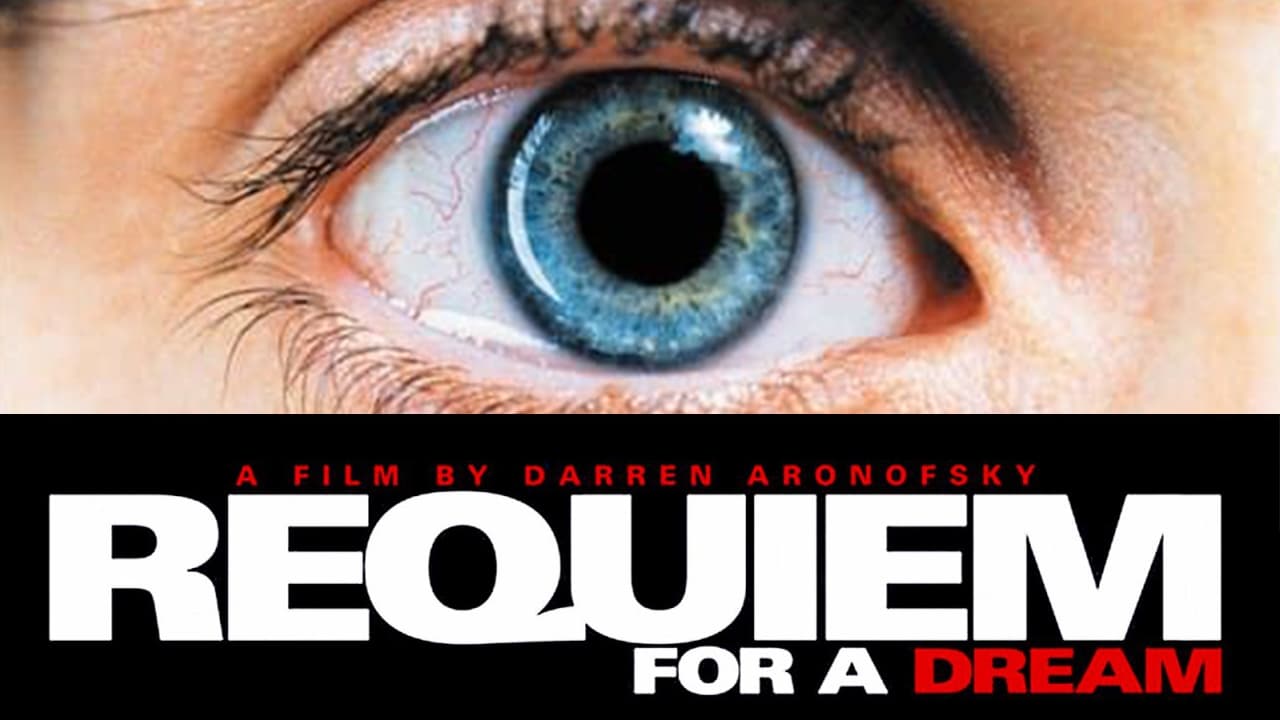
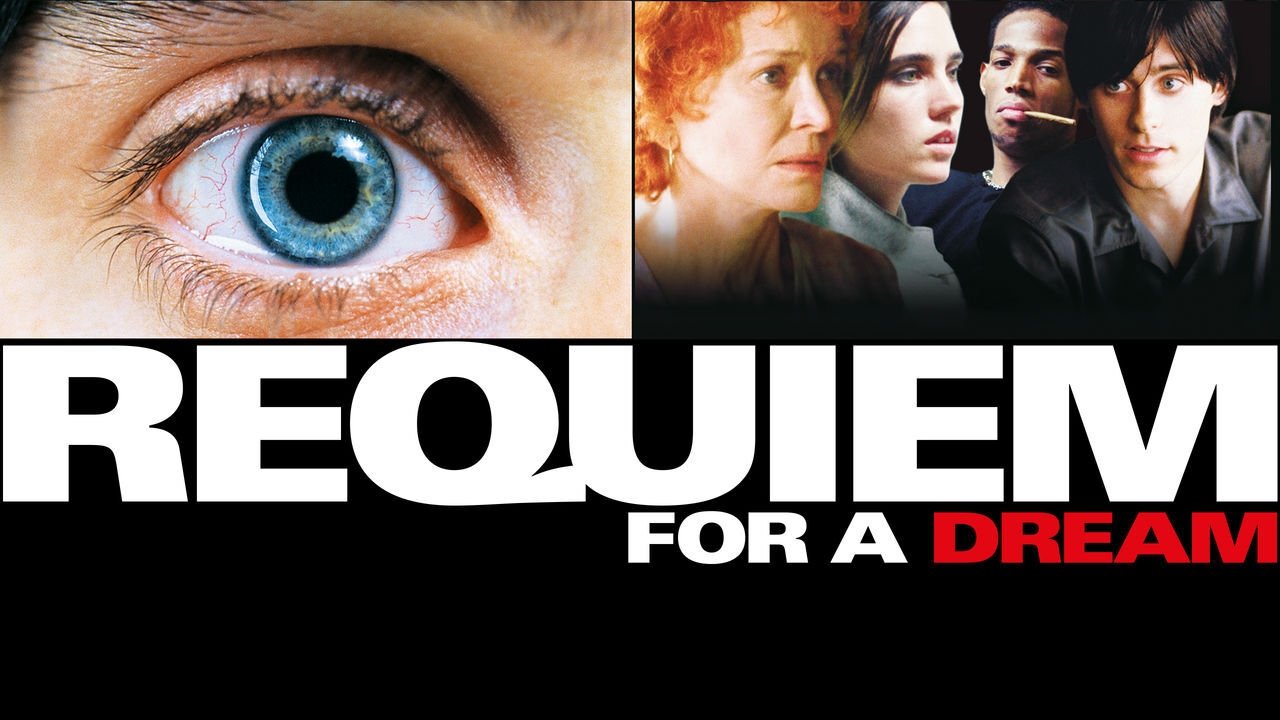
That is the Darren Aronofsky experience in a nutshell. Released at the turn of the millennium, this film didn't just arrive; it collided with the indie film scene like a freight train. It was the peak of the DVD era, where a movie's reputation was solidified by how many people owned that haunting "red eye" cover art. We were moving away from the polished blockbusters of the 90s and into a period where digital experimentation and aggressive editing were becoming the new language of prestige cinema.
The Anatomy of a Pupil
The plot is deceptively simple, following four residents of Coney Island who are all chasing a version of the American Dream that exists just out of reach. Harry (Jared Leto) and his girlfriend Marion (Jennifer Connelly) want to open a clothing boutique; Harry’s friend Tyrone (Marlon Wayans) wants to make his mother proud; and Harry’s mother, Sara (Ellen Burstyn), just wants to fit into a red dress for a chance to appear on a cheesy television game show.
But the film isn't about the goals; it’s about the chemicals used to bridge the gap between reality and fantasy. Matthew Libatique, the cinematographer who would go on to shoot A Star Is Born and Black Swan, uses SnorriCams—rigs attached to the actors' bodies—to make us feel as though we are tethered to their collapsing worlds. When the characters are high, the camera is steady, and the world is wide. When they crash, the camera shakes, the frame tightens, and the colors bleed out. It’s the cinematic equivalent of a panic attack in a neon-lit pharmacy.
The Performance of a Lifetime
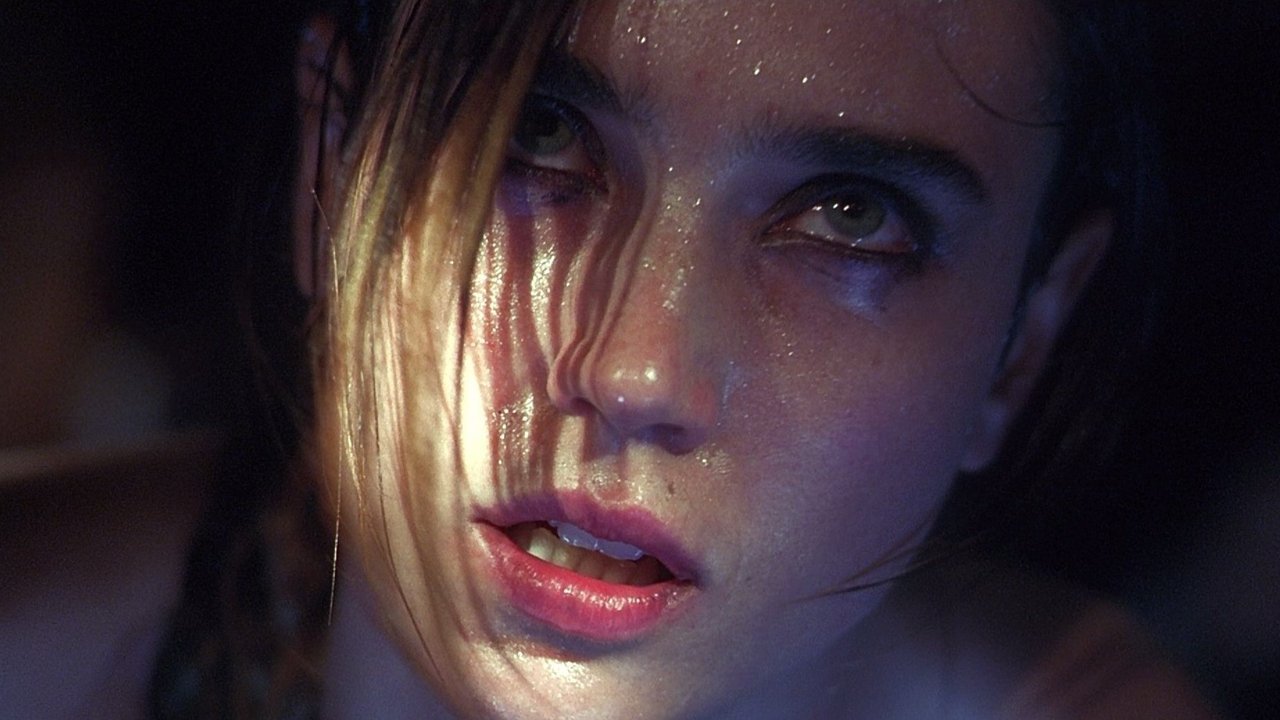
While the younger trio handles the "street" side of addiction with a raw, desperate energy—this was Jared Leto’s transition from teen heartthrob to a serious actor who would literally lose 28 pounds for a role—the film’s soul belongs entirely to Ellen Burstyn.
Her portrayal of Sara Goldfarb is one of the most devastating things put to film. Sara isn't a "junkie" in the way Hollywood usually depicts them; she’s a lonely widow addicted to the attention of a television screen and the "diet pills" (amphetamines) prescribed by a negligent doctor. Ellen Burstyn was 67 at the time and gave a performance so committed it supposedly made the cameraman, Matthew Libatique, cry during a take, causing the frame to wobble. When she lost the Best Actress Oscar to Julia Roberts in Erin Brockovich, it became one of those "prestige snubs" that film nerds still argue about at parties. She wore a fat suit and spent four hours a day in makeup to show Sara’s physical decay, but it’s her monologue about "being old" that hits harder than any of the graphic imagery in the finale.
The DVD That Scarred a Generation
Looking back, Requiem for a Dream captures a specific Y2K anxiety. It arrived before the post-9/11 gloom took over, yet it felt more prophetic about the opiate crisis and the hollow nature of reality TV than almost anything else from the year 2000. It was also a pioneer of the "Director's Cut" culture. Because the film was originally rated NC-17 for its harrowing final sequence, the DVD release became the primary way people experienced Darren Aronofsky's uncompromised vision. This was the era where we actually sat through the "behind-the-scenes" featurettes to figure out how they achieved those 2,000 edits—most films of this length only have about 600.
Then there is the score by Clint Mansell. The central theme, "Lux Aeterna," performed by the Kronos Quartet, has been so thoroughly pillaged by movie trailers and YouTube tributes that it’s almost lost its edge. But within the context of the film, it’s a funeral march. It doesn’t offer a melody; it offers a heartbeat that’s moving too fast.
This isn't a movie you watch because you want to have a good time. Watching this movie twice is a cry for help. However, it’s a masterclass in how style can serve substance. Every flashy edit and distorted sound effect is there to strip away the glamour of the "drug movie" and replace it with something much more honest and terrifying. It takes the "Important Cinema" label and earns it through sheer, unadulterated craft. It’s a film that leaves you feeling drained and slightly cold, but it’s an essential piece of the early 2000s indie puzzle that hasn't lost a shred of its power.

Keep Exploring...
-
Pi
1998
-
Casino
1995
-
Heat
1995
-
The Usual Suspects
1995
-
Fargo
1996
-
Trainspotting
1996
-
L.A. Confidential
1997
-
The Green Mile
1999
-
City of God
2002
-

Memories of Murder
2003
-
Catch Me If You Can
2002
-
American Psycho
2000
-
GoodFellas
1990
-
The Silence of the Lambs
1991
-
Carlito's Way
1993
-
The Shawshank Redemption
1994
-
The Basketball Diaries
1995
-
Bound
1996
-
Boys Don't Cry
1999
-
The Departed
2006