Road Trip
"One mistake. 1,800 miles. A very long weekend."

Before Todd Phillips became the director synonymous with the chaos of The Hangover or the gritty nihilism of Joker, he was a documentary filmmaker obsessed with the fringes of human behavior. You can see that DNA all over Road Trip. It arrived at the turn of the millennium, landing right in the sweet spot of the "gross-out" comedy boom ignited by American Pie. But while its peers were often content with localized high school hijinks, Road Trip understood the inherent cinematic power of the quest. It’s a movie built on the frantic energy of a ticking clock and the absolute terror of a VHS tape arriving in a mailbox eighteen hundred miles away.

The Analog Anxiety of the Early Aughts
Watching this today feels like visiting a lost civilization where "going viral" meant physically mailing a piece of magnetic tape through the United States Postal Service. The stakes are entirely dependent on the limitations of technology in the year 2000. If Josh, played with a perfect "straight man" exasperation by Breckin Meyer, had a smartphone, this movie would be a thirty-second short film about a frantic "unsend" click. Instead, we get a sprawling adventure across the American landscape.
I recently rewatched this on an old DVD—the kind where the menu music loops every twenty seconds and eventually starts to sound like a threat—and it struck me how much the film leans into the adventure genre’s classic tropes. We have a fellowship of four: the hero (Josh), the chaotic wild card (Seann William Scott as E.L.), the neurotic intellectual (Paulo Costanzo as Rubin), and the sheltered underdog (DJ Qualls in a career-defining turn as Kyle). They even have a "steed"—a beige Ford Taurus that definitely wasn't designed for bridge-jumping.
A Quest Built on Chemistry and Chaos
The adventure works because the geography feels real. There’s a palpable sense of progression as they move from the chilly, brick-laden halls of Ithaca toward the sun-drenched chaos of Austin. Along the way, they encounter the required "monsters" of the road movie: a terrifyingly intense father played by Fred Ward, a deceptive fraternity house, and Tom Green as Barry, the narrator who lives in a state of permanent surrealist performance art. Tom Green’s narrative interludes are the only thing keeping this movie from being a standard teen flick. He adds a layer of "is this actually happening?" energy that was very specific to the Y2K era of comedy.
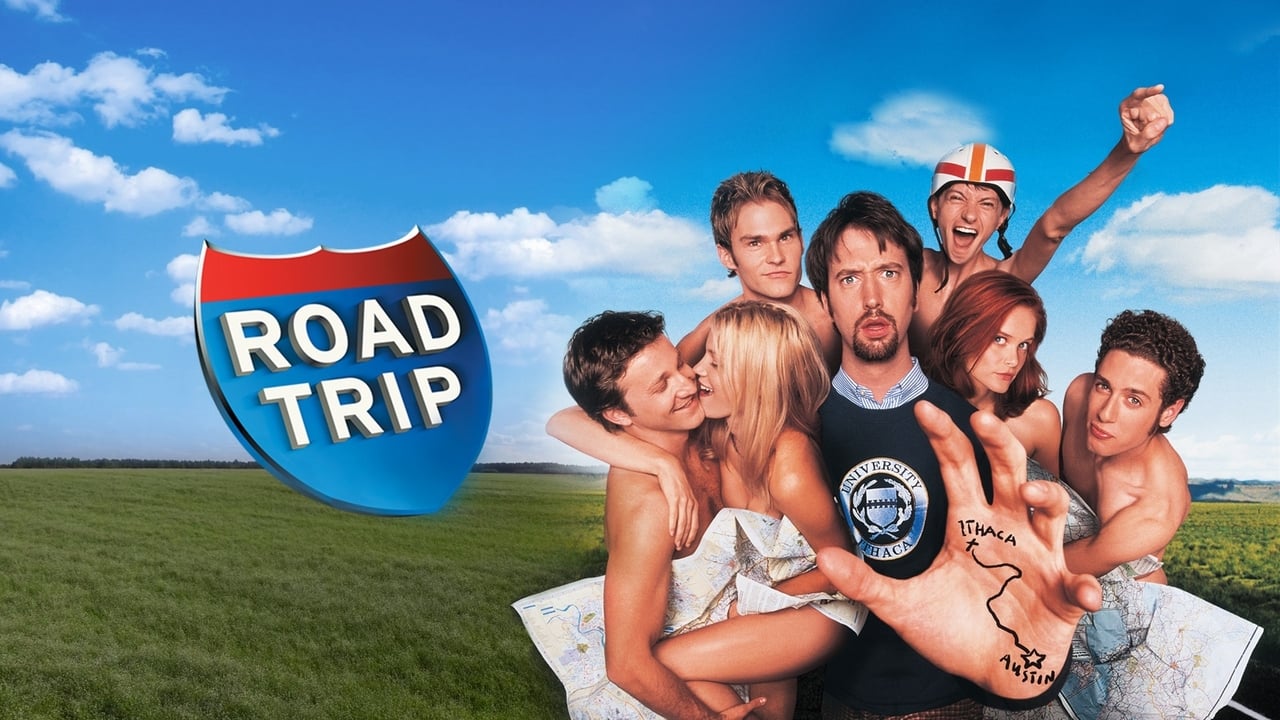
The chemistry between the leads is surprisingly sturdy. Seann William Scott was at the peak of his "Stifler" powers here, but he brings a weirdly supportive, if misguided, energy to E.L. that makes the group dynamic feel like a real friendship rather than just a collection of archetypes. DJ Qualls, however, is the secret weapon. His transformation from a guy who is literally afraid of his own shadow to a man who survives a high-stakes "initiation" at an all-Black fraternity remains one of the most satisfying character arcs in early 2000s comedy. The dog-feeding scene is arguably the peak of cinematic depravity from my middle school years, and yet, somehow, the film maintains a sweetness about the bonds of friendship.
The Legacy of the Gross-Out Box Office Boom
Financially, Road Trip was a monster. Produced on a modest $16 million budget, it raked in nearly $120 million worldwide. It was part of a wave of films that proved the "R-rated teen comedy" wasn't just a fluke; it was a goldmine. Looking back, you can see how Todd Phillips used this as a playground to test out the "buddy road trip" formula he would eventually perfect years later. The cinematography by Mark Irwin (who worked with David Cronenberg on The Fly) gives the film a much more polished, cinematic look than its budget would suggest.
One of the more interesting bits of trivia is that the iconic bridge jump—where the car flies over a massive gap—wasn't entirely CGI. While the car's flight path was assisted, they actually launched a real Ford Taurus off a ramp to capture the physics of the impact. It’s that commitment to the "adventure" part of the comedy-adventure blend that makes the film hold up better than many of its contemporaries. It also captures a specific moment in DVD culture; the "Unrated" version became a staple of dorm room shelves, fueled by the promise of deleted scenes and the kind of behind-the-scenes chaos that Joe Medjuck and the production team encouraged.
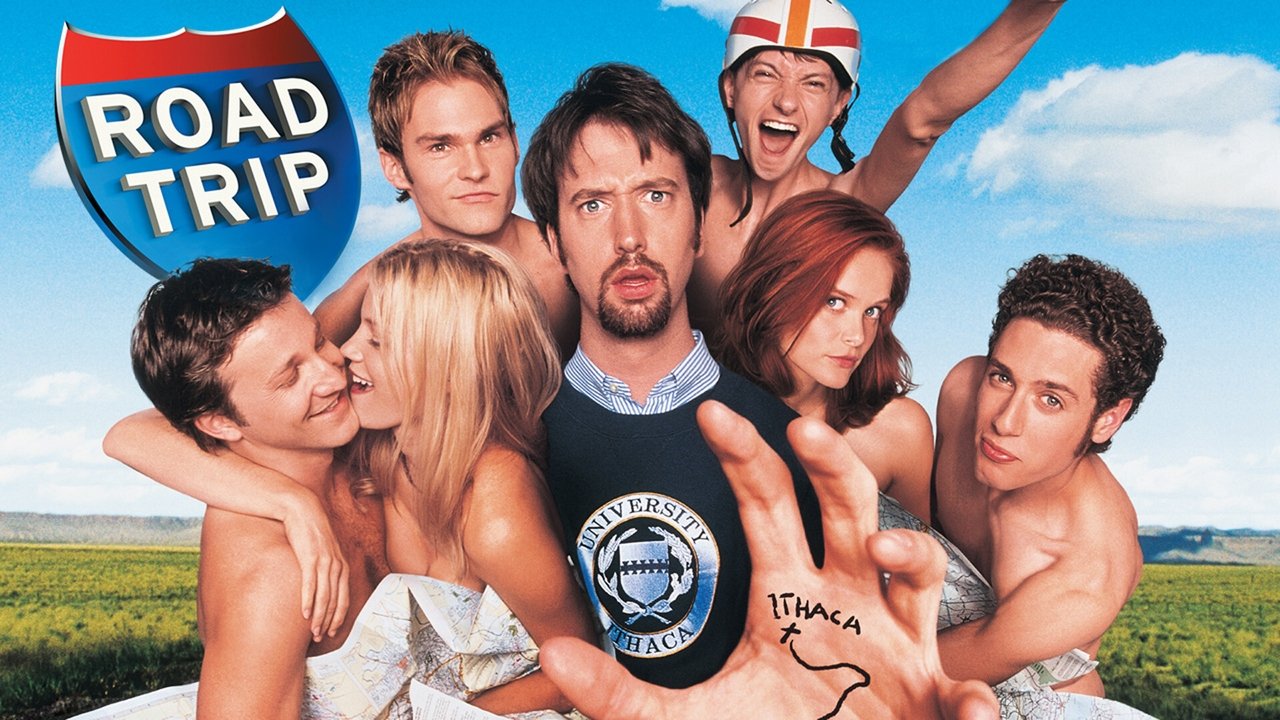
Road Trip is a time capsule of a very specific American transition. It’s a world of Clinton-era optimism clashing with the impending digital revolution, wrapped in a story about four guys who just want to help their friend not ruin his life. It’s crude, it’s occasionally problematic by 2024 standards, and it features a snake eating a mouse in a way that feels oddly metaphorical. But as a piece of adventure filmmaking, it understands that the destination doesn't matter nearly as much as the bridge you jump, the bus you burn, and the friends who don't judge you for your terrible, terrible choices.
---
Keep Exploring...
-
Starsky & Hutch
2004
-

Old School
2003
-
Due Date
2010
-
The Hangover Part II
2011
-
The Hangover Part III
2013
-
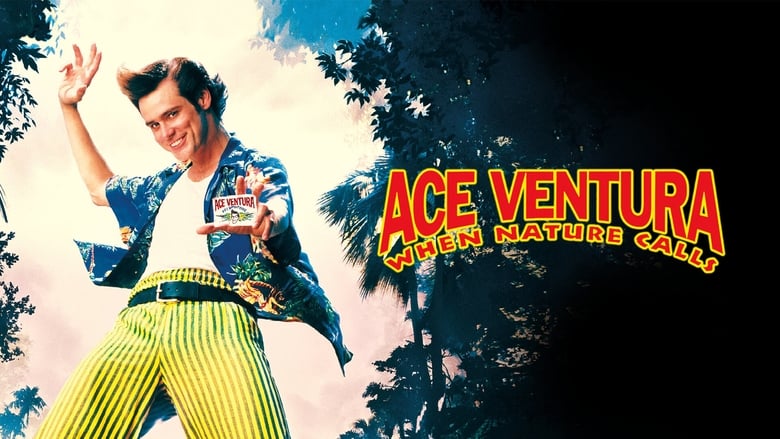
Ace Ventura: When Nature Calls
1995
-
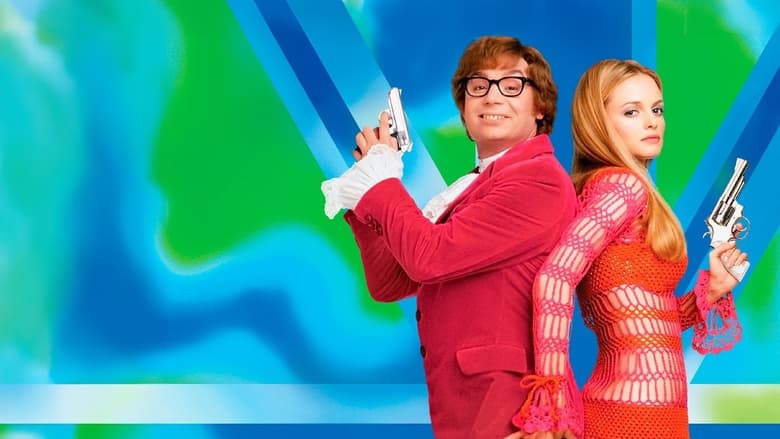
Austin Powers: The Spy Who Shagged Me
1999
-
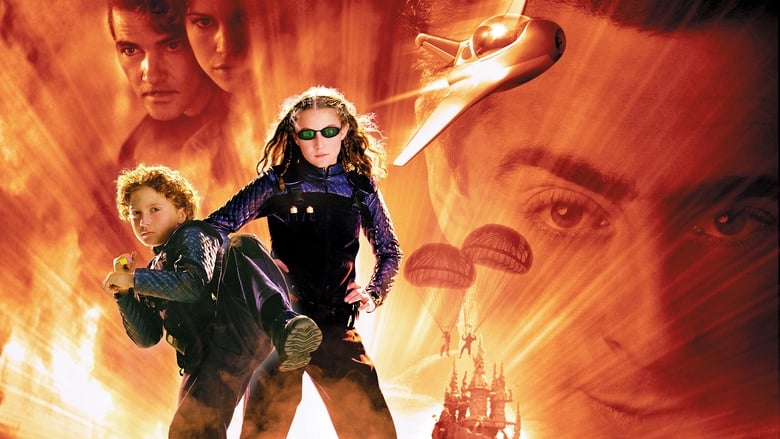
Spy Kids
2001
-
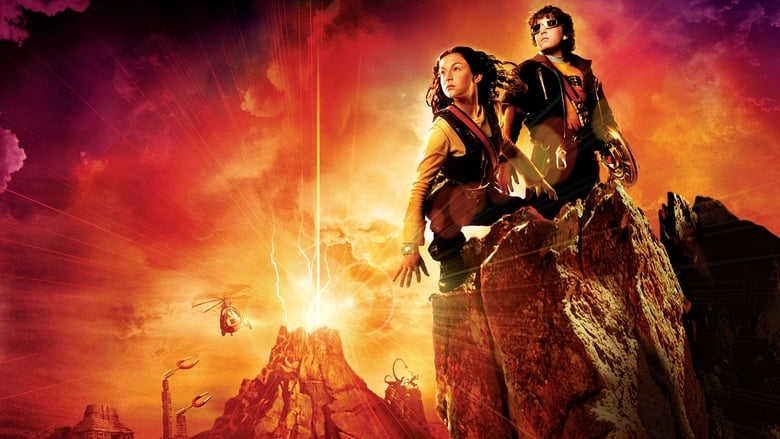
Spy Kids 2: The Island of Lost Dreams
2002
-

The SpongeBob SquarePants Movie
2004
-

Wallace & Gromit: The Curse of the Were-Rabbit
2005
-
Bean
1997
-

George of the Jungle
1997
-
Men in Black
1997
-

A Bug's Life
1998
-
Scooby-Doo
2002
-
Johnny English
2003
-
Charlie and the Chocolate Factory
2005
-

Madagascar
2005
-

Ice Age: The Meltdown
2006